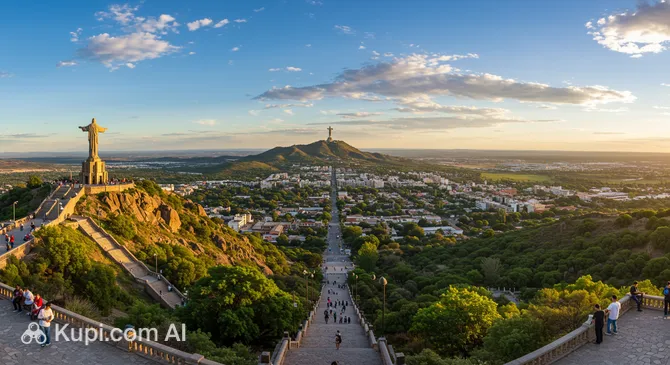
Tandil is a true oasis of peace and comfort, located in the south of the Buenos Aires Province. The city is harmoniously integrated into a landscape of green hills and quirky rock formations, which gives it a unique charm. Travelers often choose this destination to escape the city bustle and enjoy the natural beauty that Argentina is so rich in.
Tandil. Illustration.
Source: Kupi.com AI
With a population of about 117,000 people, Tandil is an important cultural and tourist center in the region, while maintaining an atmosphere of intimacy and hospitality. The city was founded in 1823 as Fuerte Independencia (Independence Fortress), and Tandil's history holds many interesting facts about the development of this region. Today, ancient traditions coexist with modern comfort here, creating a unique environment for living and relaxation.
Tandil is ideal for fans of active tourism and those seeking harmony with nature. The city is famous for its parks, unique natural monuments, and picturesque hiking trails that pass through the mountain ranges. Be sure to visit this place to breathe the fresh air, try the famous local delicacies, and experience the warm hospitality of the Argentine province.
Weather Overview
The climate in this region can be described as temperate and pleasant, with clearly defined seasons, allowing you to enjoy nature year-round. Summer (December to February) is warm here: the average temperature stays around 20-21°C, while during the day, the air often warms up to 26-27°C. This is a great time for outdoor activities, although you should be prepared for periodic rainfall, as about 9-10 rainy days are recorded in the summer months.
Winter (June to August) brings a noticeable chill. Average figures drop to 8-9°C, and at night, temperatures can fall to 4-5°C, so a warm jacket will be necessary. During this period, there is less rain (about 5-6 days with precipitation per month), making winter walks quite comfortable with the right gear. To choose the best dates for your trip and pack your suitcase, we recommend checking the expected weather in Tandil for the duration of your visit in advance.
Overall, expect a warm summer with moderate cloudiness and rather cold but drier winters. Spring and autumn delight with mild temperature transitions from 11°C to 19°C, creating ideal conditions for long excursions through the hills.
Average monthly temperature
Average monthly precipitation
Interesting Facts
In addition to its picturesque landscapes and cozy atmosphere, Tandil holds many fascinating secrets and legends that make it a truly special place. Here are a few facts that will allow you to look at this city from a new perspective:
The Legend of the "Moving Stone." The city's main mystery is the famous Piedra Movediza. This multi-ton granite block balanced for centuries on the very edge of a cliff, swaying in the wind but never falling. Although the original boulder fell at the beginning of the 20th century, a replica has been installed in its place today, which continues to attract travelers and serves as an enduring symbol of Tandil.
Military Heritage. The city was founded as a strategic fortress to protect the territories. You can learn about its heroic past and see artifacts from those times by visiting the Fuerte Independencia Historical Museum, located on the grounds of the former citadel.
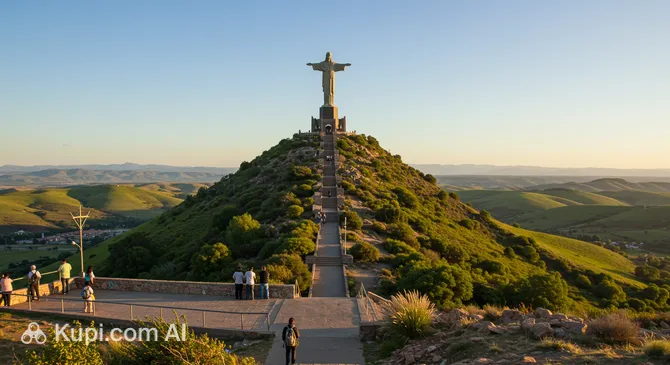
Pilgrimage Center. Tandil is known for its religious traditions far beyond the region. Here you will find Monte Calvario (Mount Calvary) — one of the most significant Stations of the Cross in the country. This monumental complex, surrounded by forest, annually gathers thousands of believers and tourists wishing to touch the sacred sites.
City of Talents. Tandil is rightfully proud of its natives, including many outstanding athletes, artists, and writers who have made Argentina famous worldwide. Locals carefully honor their successes, maintaining a unique atmosphere of creativity and hospitality.
Mount Calvary. Illustration.
Source: Kupi.com AI
Traveler photos:
How to Get There
When planning your route, it's worth exploring all the ways to reach the city in advance. Tandil is located deep within the province, so travelers most often combine a flight to major air hubs with subsequent ground transportation.
Tandil itself does not have a large civilian airport that accepts regular international flights. Most tourists choose Ezeiza Airport (IATA: EZE), located in Buenos Aires. This is the main air gateway to the country with a huge passenger flow, located about 283 km from Tandil. A trip from here by car or transfer will take approximately 3.5–4 hours, depending on traffic and the chosen route.
An alternative and closer option is Mar del Plata Airport (IATA: MDQ), located in the resort city of Mar del Plata. The distance to Tandil is about 153.5 km. This is a regional hub, from where reaching the destination by land is significantly faster — the car journey takes about 2 hours.
For convenience in planning, summary information for the nearest airports is provided below:
Regarding rail connections, direct routes may be unavailable or limited. Current data mentions the Bragado (QRF) station in the city of Bragado as the nearest major point. However, keep in mind that it is located quite far away — more than 270 km from Tandil, so this option is rarely used by tourists as a primary way to reach the city.
Station
Passenger traffic
Distance
Bragado
18 199
270 km
Main Attractions
Tandil offers travelers a harmonious blend of natural beauty and cultural monuments. Walking here is not just about sightseeing, but an immersion into the relaxed atmosphere of the Argentine province. Here are a few places that are definitely worth including in your itinerary.
The heart of city life is rightfully considered Independence Square (Plaza Independencia). This is the perfect starting point for getting to know the city: here you can admire well-kept gardens, fountains, and the classic architecture of the surrounding buildings. The square is surrounded by orange trees and is a favorite meeting place for locals, and in the evenings, a particularly cozy atmosphere reigns here.
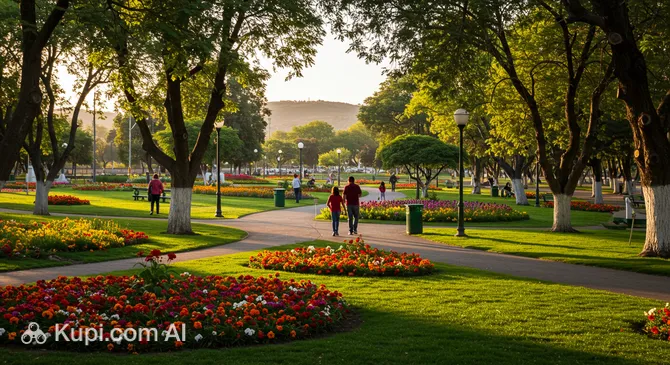
For those who want to enjoy panoramic views, a visit to Independence Park (Parque Independencia) is a must. It is located on a hill overlooking the city, and the summit can be reached by a picturesque stone staircase. The park's main highlight is the Castillo Morisco — a Moorish-style structure donated to the city by the Spanish community. The observation decks offer breathtaking views of the city rooftops and the green surroundings.
Independence Park. Illustration.
Source: Kupi.com AI
Traveler photos:
Outdoor enthusiasts should head to Lake El Fuerte. This is an artificial reservoir created by a dam, which has become a magnet for athletes and families with children. The "Senda Aeróbica" — a path for running and walking — runs around the lake. Here you can rent a kayak, have a picnic on the grass, or visit the local artisans' market that operates on weekends.
Another iconic landmark is the Don Quixote Monument, located in a scenic area near the lake. This impressive sculpture, depicting the famous hidalgo and his faithful squire Sancho Panza, is made of iron and looks striking against the blue sky and hills. The spot is perfect for memorable photos and quiet contemplation of nature.
Local Cuisine
Tandil is a true gastronomic paradise for lovers of Argentine cuisine, known throughout the country for its delicacies. The city's hallmark is the local salami and cheeses, produced according to ancient recipes. The quality of local cured meats is so high that a Salami Festival is held here annually, attracting gourmets from all over Argentina. The traditional "picada" — a platter of sliced smoked meats, cheeses, and olives — is elevated to a cult here and is a must-try for any traveler.
As in the rest of the country, meat is treated with special reverence in Tandil. In local establishments ("parrillas"), you should try authentic Argentine steaks cooked over an open fire. Thanks to the region's developed agriculture, dishes are prepared from the freshest farm products. The city markets are always abundant with honey, olive oil, homemade pastries, and seasonal vegetables, which give local cuisine its unique flavor.
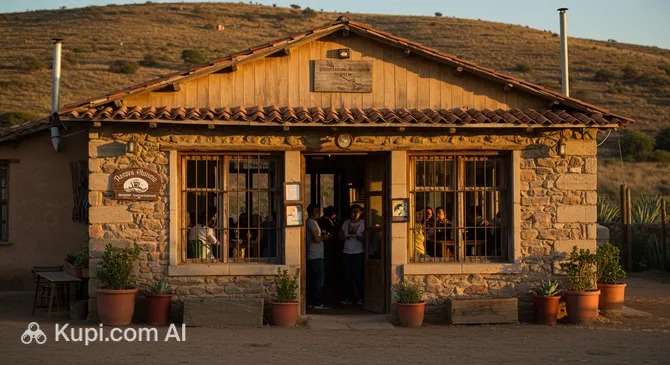
Barrika Fonda Escondida Restaurant. Illustration.
Source: Kupi.com AI
Traveler photos:
Street food culture also thrives here. Strolling through the center, it's impossible to pass by the aromas of fresh empanadas — traditional pies with various fillings, or choripanes — hearty sandwiches with grilled sausage. This is a great option for a quick and tasty snack between excursions. Those with a sweet tooth will enjoy desserts with dulce de leche and fresh pastries in cozy coffee shops.
The gastronomic picture is complemented by local drinks. Bars and restaurants offer a wide selection of famous Argentine wines, and in recent years, local craft beer has also been gaining popularity. To enjoy an authentic atmosphere and excellent cuisine, you can visit the Barrika Fonda Escondida Restaurant, where guests are invited to immerse themselves in the region's culinary traditions in a cozy setting.
Travel Tips
Tandil is an incredibly welcoming and cozy city, but as with any trip, a little preparation will make your stay here much more comfortable. We have gathered some tried-and-tested recommendations to help you feel confident and enjoy your trip to this picturesque corner that Argentina is proud of.
Clothing and Essentials. The number one rule for Tandil is comfortable shoes. Even if you don't plan on serious climbing, you'll need sneakers with a good sole or trekking boots for walking on the rocky paths of parks and hills. The weather can be changeable: a hat and sunscreen are a must in summer, while in winter and shoulder seasons, you won't get by without a windproof jacket and warm clothes for cool evenings.
Transportation. The city center is compact enough for walking, but the main natural attractions are scattered around the outskirts. The most convenient option is renting a car, which will give you complete freedom of movement. Taxis and "remises" (a type of private taxi with fixed rates) are also popular and can be called by phone or through apps. Public transport is developed, but you'll need a transit card to pay (the SUBE system is widely used in the country).
Finance. The local currency is the Argentine peso. While major hotels and restaurants accept cards, cash is vital for paying in small shops, at artisans' fairs, and in some rural cafes. ATMs are available in the city center, but they may have withdrawal limits. It is customary to leave a tip of about 10% of the bill if you liked the service.
Health and Safety. Tandil is considered a safe and peaceful city. Nevertheless, follow standard precautions: do not leave valuables in plain sight in the car, especially in parking lots near tourist trails. Pharmacies (Farmacia) are easy to find in the central part of the city; information about duty pharmacies is usually posted on their doors.
Communication. The primary language is Spanish. English is understood in tourist offices and large hotels, but it may not help in shops and taxis, so download an offline translator. For mobile internet, it's best to buy a local SIM card (Claro, Movistar, or Personal) — this can be done at service centers or kiosks by showing your passport.
Local Etiquette. Argentines are open and tactile people. A standard greeting, even between acquaintances, is a kiss on the cheek (usually one). Don't be surprised if locals strike up a conversation with you on the street or in line; making small talk is considered a matter of good manners here.
What to Avoid. Don't plan dinner too early. Life in Argentina is shifted to a later time: restaurants often open for dinner only after 8:30 PM or 9:00 PM. Arriving at 6:00 PM is a surefire way to find closed doors or an empty dining room.
Gastronomic Tip. Don't leave without tasting the local pride — salami and cheeses. Tandil has a protected designation of origin (D.O.) for its cured meats. Visit a specialized fiambrería to buy authentic delicacies as a tasty souvenir.
By following these simple tips, you can avoid minor troubles and fully immerse yourself in the atmosphere of relaxation. Tandil knows how to charm with its leisurely pace and beauty, so relax and enjoy every moment of your Argentine adventure!
Entertainment & Nightlife
Tandil's nightlife might pleasantly surprise travelers who expect a provincial city to be exceptionally quiet. Thanks to a large number of students and well-developed tourism, a lively and diverse evening culture has formed here. The main action is concentrated in the city center (Centro), especially in the streets adjacent to Independence Square and along Avenida España. Here you will find many venues for every taste: from cozy craft beer pubs to noisy dance floors.
The atmosphere in Tandil's venues is democratic and relaxed. There is no dress code in most bars ("casual"), although locals prefer to dress more stylishly ("casual chic") for nightclubs. It's worth remembering the Argentine schedule: bars start filling up no earlier than 11:00 PM, and clubs only come to life by 2:00 AM and stay open until dawn. The crowd here is open and friendly, so making new acquaintances at the bar is easy.
If you're looking for a place to start the evening with good cocktails and pleasant music, check out Hunter Bar. This is a popular location among young people and tourists, where you can not only have a drink but also a snack with friends. For those planning to continue the fun on the dance floor, Sol Disco, one of the city's most famous nightclubs, opens its doors. It often hosts themed parties and features DJs who set the rhythm for Tandil's night.
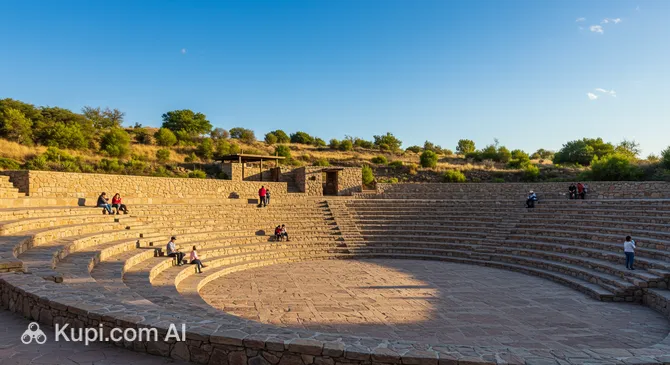
Martin Fierro Amphitheater. Illustration.
Source: Kupi.com AI
Traveler photos:
Fans of cultural events and concerts should keep an eye on the schedule of the Martin Fierro Amphitheater. This impressive open-air venue, located in a scenic spot, becomes the epicenter of events during festivals, especially during Holy Week (Semana Santa), when large-scale theatrical performances take place. It's an excellent alternative to classic clubs for those who want to spend the evening more calmly and soulfully.
During the day, entertainment in the city is more educational. You can visit local museums, such as the Municipal Museum of Fine Arts, or go shopping. The Open-air shopping center in the city center brings together many shops, cafes, and boutiques, creating a pleasant environment for strolling. Street performers often perform here, adding color to the city's daily life.
Practical Tips: Tandil is considered a safe city, and evening walks in the center are not a cause for concern. However, when returning late at night from remote clubs or restaurants, it is better to use a taxi or "remis" (private hire with a fixed price), which can be ordered by phone or through an app. Prices for entertainment here are moderate and generally lower than in the capital, Buenos Aires, making nightlife affordable for most tourists.
Parks & Museums
Tandil is a city where nature and art harmoniously complement each other, creating a unique space for relaxation and inspiration. Green zones here are not just places for walking, but true attractions with their own history and character, while museums carefully preserve the cultural code of the region, offering guests a chance to discover the rich heritage of the Argentine province.
Among the natural areas, Origen Park (Parque del Origen) deserves special attention. This place has become a real magnet for families with children thanks to its unusual concept: giant metal sculptures of dinosaurs, crafted by local artisans, are set against a backdrop of green lawns. The park also performs an important ecological function as an example of successful urban environment transformation and offers excellent picnic areas.
For those seeking panoramic views and tranquility, Bicentenario Park (Parque del Bicentenario) is a wonderful choice. It was opened for the country's bicentennial and features a landscaped area with fountains, an amphitheater, and convenient walking paths. Another picturesque location is the Paseo de los Españoles — a historical walking area where winding paths lead through dense vegetation, allowing you to feel one with nature without traveling far from the city center.
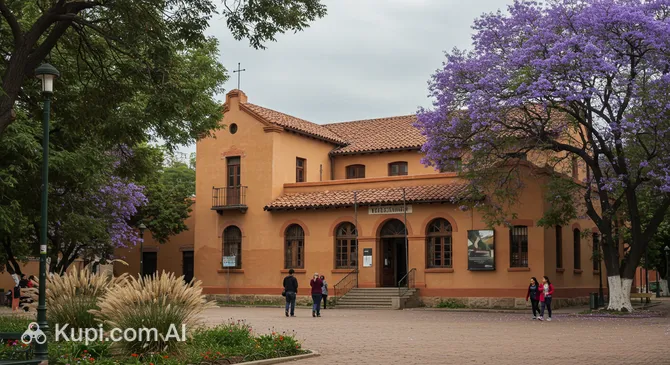
The cultural heart of the city is rightfully considered the Municipal Museum and Academy of Fine Arts (MUMBAT). This prestigious institution, located in a beautiful historic building, regularly hosts exhibitions by both local and national artists. The museum's collection covers various styles of painting and sculpture, making it a must-visit for art lovers.
Municipal Museum and Academy of Fine Arts. Illustration.
Source: Kupi.com AI
Traveler photos:
Lovers of architecture and history should take note of the majestic Parish of the Blessed Sacrament (Parroquia Santísimo Sacramento). This church, located opposite the main square, impresses with its scale and the austere beauty of its facade, being one of the main religious symbols of Tandil. Inside, an atmosphere of peace prevails, and the stained glass windows and altar are beautiful examples of sacred art.
If you are traveling with children or are interested in fauna, a visit to the Zoobichos Aquarium will be an educational experience. This small but cozy place introduces visitors to a variety of reptiles and amphibians, fulfilling an educational mission for species conservation.
Insider Tip: Don't limit yourself to just daytime walks in the parks. Locals love to watch the sunset on the slopes of Bicentenario Park — it offers a stunning view of the city in the golden rays of the setting sun, providing the perfect end to a busy day.
Getting Around
The public transport system in Tandil is sufficiently developed for comfortable travel around the city, although it lacks the complexity of megacities. The main mode of transport for locals and tourists is the city buses, known here as "colectivos." The route network consists of six main lines (numbered 500 to 505), each with its own color code (red, blue, green, etc.), which significantly simplifies navigation. The buses connect the city center with residential neighborhoods, the university campus, and some popular tourist areas.
To pay for the fare, there is a unified electronic system called SUBE, which is used in many cities across the region. It's important to remember that it's impossible to pay the driver in cash. The card must be purchased in advance at kiosks (often with a "Kiosco" sign or the SUBE logo) or lottery agencies and topped up there. The fare is relatively inexpensive, and one card can be used by several people by tapping it on the validator one by one when entering.
The bus schedule usually covers the period from early morning until midnight. On weekdays, the frequency is about 15–20 minutes, but on weekends and holidays, the wait time can increase to 30–40 minutes. For route planning, it's recommended to use popular navigation apps or check the schedule on the municipal website, as information at stops is not always up to date.
A popular alternative to buses are taxis and "remises." There's an important difference between them: taxis can be hailed on the street or found at designated stands, and they operate by the meter. "Remises," on the other hand, are private cars that must be ordered by phone or at an agency office. Remis fares are often fixed or depend on distance, which can be more advantageous and convenient for trips to remote attractions in the hills.
Given that many of Tandil's natural beauties are scattered around the outskirts, tourists often choose to rent a car or a bicycle. Bike rentals are well-developed, especially near the lake and tourist trails, but be prepared for the hilly terrain. Car-sharing as it's commonly known (per-minute via an app) is not yet common in the city, so for car rentals, it's better to contact local rental agencies.
Accommodation
The choice of accommodation in Tandil will pleasantly surprise you with its diversity and character. The city offers options for every taste and budget: from classic city hotels and budget hostels for youth to luxury spa resorts and cozy boutique hotels. However, the true hallmark of the region is the "cabañas" — separate guest houses or cottages, often with a fireplace and their own grounds, scattered along the picturesque hillsides.
When choosing a place to stay, you should consider the purpose of your trip. If you plan for active evening leisure, visiting restaurants and museums, it is better to stay in the city center. Here, within walking distance of the main square, the main infrastructure, shops, and transport hubs are concentrated. This is a convenient option for those traveling without a car.
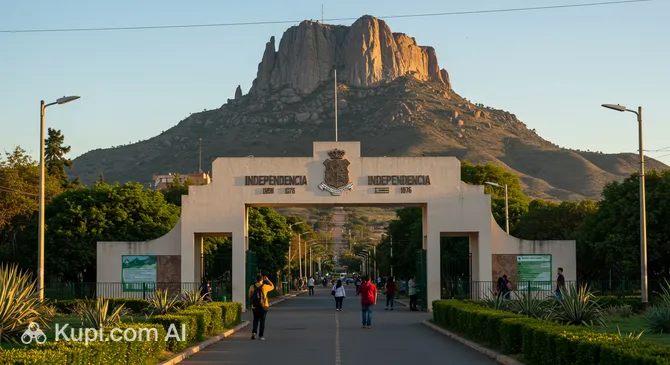
Park Gateway. Illustration.
Source: Kupi.com AI
Traveler photos:
For those seeking privacy and beautiful views, the areas adjacent to tourist zones, such as Lake El Fuerte or the foot of the hills, are ideal. Staying here will allow you to wake up to a view of nature and start your day with a walk in the fresh air, while being only a 10–15 minute drive from the center. This is the most popular format for families and couples wanting to escape the hustle and bustle.
Price Range and Booking Tips:
Budget Segment: Several hostels and campsites operate in the city, popular with students and backpackers. Prices here are affordable, and the atmosphere encourages new acquaintances.
Mid-Range and Comfort: The core of the housing stock consists of 3-4 star hotels and apart-hotels. This offers an optimal price-quality ratio with good service.
Premium: In the outskirts of Tandil, you can find high-level complexes with pools, spa treatments, and panoramic views of the sierras.
It is important to remember that Tandil is an incredibly popular destination for domestic tourism, especially during long weekends and religious holidays (like Easter). During these periods, demand for accommodation is enormous, and the best options are booked months in advance. Therefore, the main tip is: book your stay early using popular international online platforms or by contacting the owners directly.
Nearby Cities
For those who want to explore the surrounding area, Tandil serves as an excellent starting point for day trips to several interesting nearby locations. The city's central location in the province allows travelers to choose between architectural walks, relaxation on the coast, and an introduction to rural Argentine life.
The closest and most convenient option for a short visit is Azul. This city, located less than 100 km away, is famous for its unique architecture by Francisco Salamone and holds the title of "City of Cervantes" under the auspices of UNESCO. Here you can stroll through the magnificent city park and appreciate the monumental Art Deco buildings.
If you feel like swapping mountain landscapes for an ocean breeze, head to the city of Mar del Plata. This is the country's most famous seaside resort, where life bustles year-round. A trip here will allow you to enjoy a stroll along the promenade, see the famous sea lions in the port, and sample the freshest seafood.
Another interesting point on the coast is Necochea. Unlike its noisy neighbor, this city attracts tourists with its wide beaches and calm atmosphere. It's a great place for those seeking peace by the water or wanting to see picturesque sand dunes.
City
Population
Distance
Ayacucho
17 364
61 km
Benito Juarez
14 279
70 km
Azul
55 728
89 km
Balcarce
44 796
97 km
Loberia
12 199
98 km
These nearby destinations provide an insight into the diverse culture and landscapes of the region, harmoniously complementing the experience of visiting Tandil itself.
Shopping & Souvenirs
Shopping in Tandil is not so much a pursuit of high fashion as it is a fascinating immersion into local traditions and crafts. The city is not overcrowded with huge malls and international brands, and that is its special charm. Here, the shopping process turns into a leisurely stroll where the main focus is on quality regional products, unique handmade souvenirs, and the gastronomic delights the region is famous for.
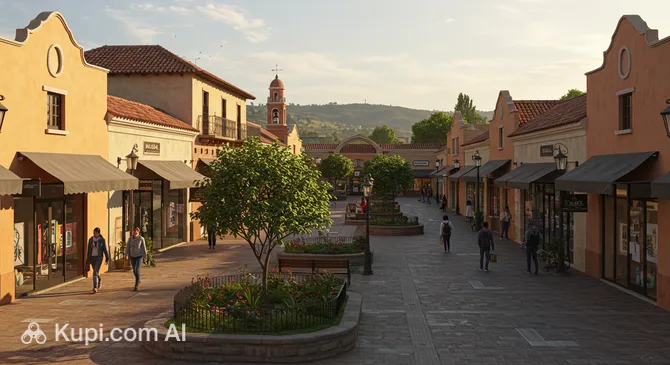
The heart of the city's commercial life is the so-called Open-air shopping center. This is not a single building, but a well-maintained area in the city center covering several blocks, mainly along the pedestrian street Calle 9 de Julio and its adjacent side streets. Many clothing boutiques, shoe stores, sporting goods, and cozy cafes are concentrated here. A stroll through these streets allows you to combine shopping with viewing the city's architecture.
Open-Air Shopping Center. Illustration.
Source: Kupi.com AI
Traveler photos:
Large enclosed shopping and entertainment complexes typical of megacities are virtually non-existent in Tandil, which is typical for cities of this size in Argentina. Locals prefer small galleries (galerías) located in the center, where various shops and services are gathered under one roof. For groceries and essentials, there are chain supermarkets, but street-front shops are of the most interest to tourists.
A special place in the city's culture is occupied by markets and artisans' fairs (Feria de Artesanos). The most famous one often sets up in the lake area or in the main squares on weekends and holidays. Here you can find leather goods, wood crafts, textiles, and jewelry created by local artisans. This is a great opportunity to purchase something truly unique and chat with the makers.
Choosing souvenirs in Tandil is a gastronomic adventure in itself. The city's main brand is its famous sausages and salami (Salame de Tandil), which have a protected geographical designation. Specialty shops will offer you dozens of types of cheeses and smoked meats. Additionally, Tandil is historically famous for its knives (cuchillos). Local blacksmiths create true works of art with handles made of bone or wood, which make prestigious gifts for collectors or grill enthusiasts.
When planning your shopping trip, be sure to account for the local daily routine. Tandil observes the siesta tradition: most small shops close around 1:00 PM and only resume work after 4:30 PM or 5:00 PM, staying open until 8:30–9:00 PM. Large supermarkets and some shops on the main tourist streets may work without a break, but this is the exception.
Regarding payment, despite the widespread adoption of terminals, cash pesos (efectivo) remain the preferred method of payment in small shops and at fairs. Often, when paying with cash, sellers may offer a small discount. The Tax Free system (VAT refund) is rare in Tandil and is available mainly in large national chains, so don't count on it when buying souvenirs.