Support

La Plata

About

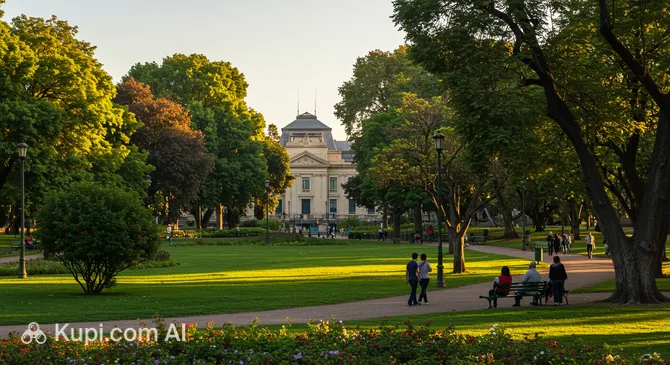
La Plata, often called the "ideal city" of Argentina, is a unique blend of meticulous urban planning and a vibrant student atmosphere. Located just an hour's drive from Buenos Aires on the southern bank of the Río de la Plata, this city serves as the administrative capital of Buenos Aires Province and a significant cultural hub for the country.
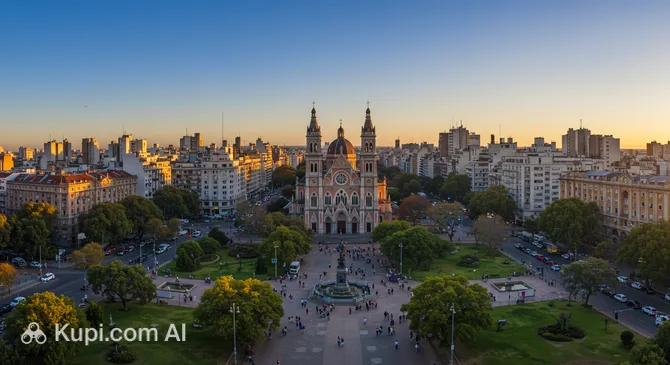
La Plata. Illustration.
Source: Kupi.com AI

Founded in the late 19th century, La Plata was designed from scratch by architect Pedro Benoit, which is reflected in its strict geometric layout: the city is shaped like a perfect square with a central plaza and diagonal streets oriented toward the cardinal points. This feature makes La Plata an outstanding example of urban design. The city has a population of about 193,000, though this figure grows significantly within the greater metropolitan area, creating a dynamic urban environment.

One of La Plata's main draws is its architectural heritage, characterized by grand buildings and numerous museums. The city is also famous as the country’s "student mecca," which fills its streets with youthful energy. Here, you can enjoy walks through spacious green parks, explore quiet streets lined with colonial architecture, or immerse yourself in one of many cultural events. The Cathedral of La Plata, one of the largest in the Americas, and the Museum of Natural Sciences are must-visit landmarks.

La Plata offers travelers the chance to experience authentic Argentine life, slightly removed from the capital's hustle and bustle while retaining a rich cultural and historical legacy. This city certainly deserves your attention and will be a highlight of your journey through Argentina.

You can find more interesting facts on the La Plata city history page.
Weather Overview

The weather in La Plata is characterized by warm summers and mild, cool winters. The summer months, from December to February, are typically the warmest, with average temperatures around 23-25°C, while maximums can reach 28°C. In winter, from June to August, the average temperature hovers around 11-12°C, with minimums potentially dropping to 8-9°C. Precipitation is distributed relatively evenly throughout the year but in small amounts, usually around 2-3 mm per month, with the number of rainy days ranging from 6 to 8 per month. Expect a warm summer with occasional but not heavy rain, and cool winters with similar precipitation patterns. For a more detailed look at the weather conditions, you can study the La Plata climate.

Average monthly temperature

Average monthly precipitation

Interesting Facts

Beyond its well-known landmarks, La Plata holds many surprising stories and features that make it truly unique. Here are just a few interesting facts you might not know:

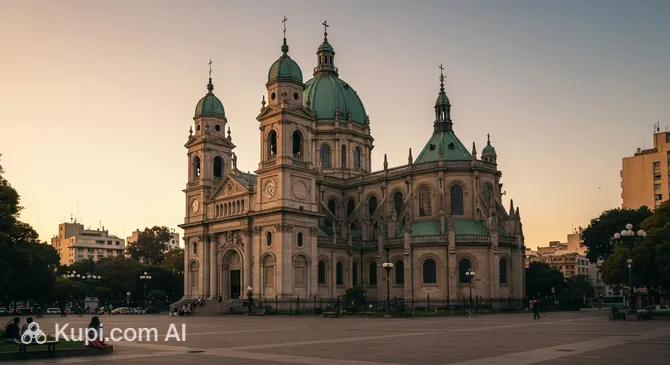
La Plata Cathedral. Illustration.
Source: Kupi.com AI

Traveler photos:

  • The city's unique layout was designed by architect Pedro Benoit. La Plata was planned as a perfect square with a central plaza (today’s Plaza Moreno) and diagonal streets, making its urban plan one of the most recognizable and symmetrical in South America. This approach resembles the planning of some European cities and was very progressive for the late 19th century.

  • La Plata is home to the impressive Cathedral, dedicated to the Immaculate Conception. It is not only the largest Catholic church in Argentina but also one of the largest Neo-Gothic cathedrals in Latin America. Its construction began in 1884 and continued for several decades.

  • The city is home to the world-renowned La Plata Museum (Museum of Natural Sciences). It ranks fifth in the world for the quantity and scientific value of its exhibits. Its collections house unique paleontological finds, including dinosaur skeletons discovered in Argentina, as well as anthropological and archaeological artifacts.

  • La Plata was specifically founded on November 19, 1882, at the initiative of Dardo Rocha, then Governor of Buenos Aires Province, to serve as the new provincial capital after the city of Buenos Aires was federalized. Dardo Rocha personally laid the city's foundation stone.

How to Get There

As the capital of Buenos Aires Province, La Plata enjoys excellent transport accessibility, although it does not have its own large commercial airport within city limits. Travelers typically arrive via the airports in nearby Buenos Aires and then continue by land. You can find more details on how to get to La Plata to plan your route as efficiently as possible.

Since there is no airport in La Plata itself, the main flow of tourists passes through the transport hubs of Buenos Aires. One of the most convenient options is Ezeiza Airport (IATA: EZE), located in the Buenos Aires area. This is the country's largest international hub, receiving flights from all over the world. It is approximately 54.3 km from La Plata. A taxi or transfer will take about 1 hour and 40 minutes, depending on traffic.

Another popular option is Jorge Newbery Airfield (IATA: AEP), also located in Buenos Aires, 58.3 km from the center of La Plata. This airport (often called simply "Aeroparque") primarily serves domestic flights and flights from neighboring countries. The drive from here to La Plata takes about 1 hour and 50 minutes.

For your convenience, here is a summary of the main airports:

AirportPassenger trafficDistance
Ministro Pistarini Airport10.3 mln54 km
Jorge Newbery Airport13.5 mln58 km
Carrasco International Airport1.8 mln176 km
Capitan de Corbeta Carlos A. Curbelo International Airport189 000261 km

Rail connections in the region are also developed, though the nearest major hubs might be a significant distance away. While there is no station from the specified list directly in La Plata, you can arrive at the Bragado station (IATA: QRF) in the city of Bragado, which is about 232.2 km from La Plata. From there, you can travel by taxi or intercity bus, though the journey will take over 6 hours.

Below is information regarding the railway station:

StationPassenger trafficDistance
Bragado18 199232 km

Main Attractions

La Plata, the capital of Buenos Aires Province, is famous for its unique diagonal street plan and many points of interest. Designed from the ground up, this city offers tourists both architectural masterpieces and cultural centers.

One of the city's main gems is the majestic Cathedral of La Plata. This impressive Neo-Gothic structure, one of the largest in South America, is striking for its scale, detailed facades, and stained-glass windows. By climbing to the observation deck, you can enjoy a panoramic view of the city.

La Plata Cathedral. Illustration.
Source: Kupi.com AI

Traveler photos:

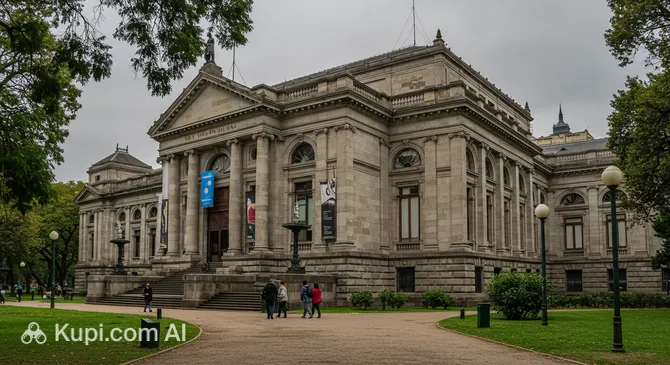
Equally significant is the La Plata Museum, located in the picturesque Paseo del Bosque park. This natural history museum is renowned for its rich collections in paleontology, anthropology, and zoology. The museum's exhibits are fascinating for both adults and children, offering an exciting journey into our planet's past.

La Plata Museum. Illustration.
Source: Kupi.com AI

Traveler photos:

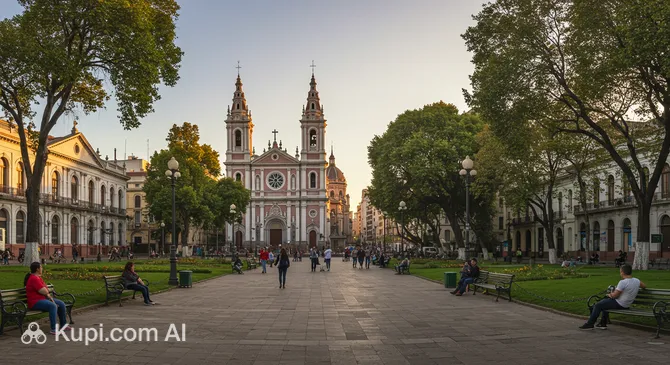
The center of city life and the starting point for many excursions is Plaza Moreno. This is not just the city's main square, but its symbolic heart, where La Plata's foundation stone was laid. The square is surrounded by important administrative buildings and is a wonderful place for a stroll to appreciate the city's architectural design.

Moreno Square. Illustration.
Source: Kupi.com AI

Traveler photos:

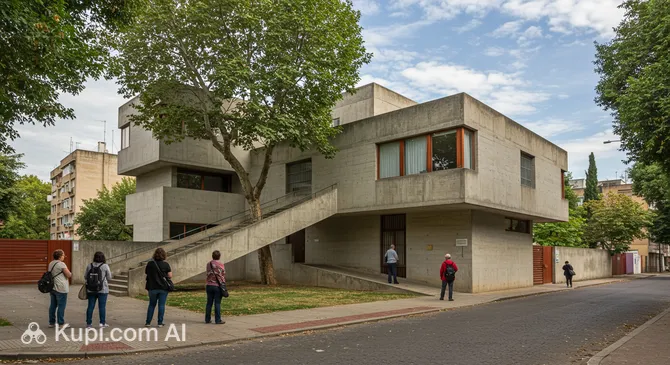
Architecture enthusiasts must visit the Curutchet House—the only building in South America designed by the famous architect Le Corbusier. This UNESCO World Heritage site is a prime example of Modernist architecture and offers a glimpse into the genius of one of the 20th century's greatest architects.

Curutchet House. Illustration.
Source: Kupi.com AI

Traveler photos:

For outdoor relaxation and leisurely walks, Paseo del Bosque is the perfect choice. This expansive city park features green lawns, a lake for boat rentals, an observatory, and the aforementioned La Plata Museum. It is an excellent place to take a break from the urban bustle and enjoy the fresh air.

Local Cuisine

The cuisine of La Plata is a vibrant reflection of Argentina's rich gastronomic traditions, with a primary focus on meat dishes and fresh local products. Travelers should definitely try the famous Argentine asado—grilled meat—and delicious empanadas with various fillings, prepared here with special care.

Grilled meat holds a special place in the city's culinary culture, often prepared outdoors during family celebrations and city holidays, creating a unique atmosphere. Local pizza recipes are also not to be missed. For dessert, be sure to try anything with dulce de leche—the velvety milk caramel that is a staple in many local sweets and pastries.

Among drinks, the traditional mate is exceptionally popular and an inseparable part of Argentine culture. Additionally, most restaurants and cafes will offer an excellent selection of local wines that perfectly complement the meat dishes.

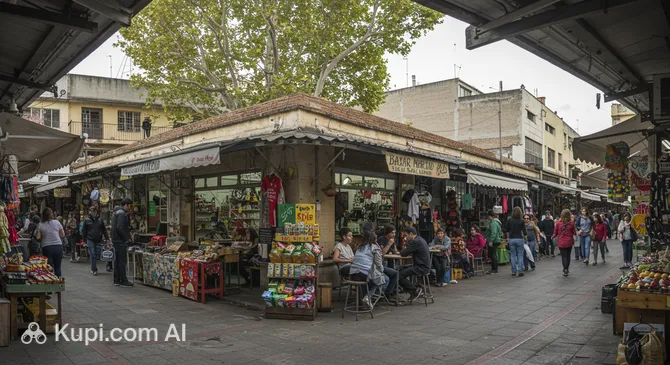
Locals and tourists enjoy food in a variety of settings, from cozy restaurants to street stalls offering quick snacks. Farmers' markets and small cafes provide authentic flavors. To soak up the local market atmosphere and try fresh products, stop by Baxar Mercado. La Plata also regularly hosts food festivals where you can discover dishes from different regions of Argentina.

Baxar Mercado. Illustration.
Source: Kupi.com AI

Traveler photos:

While La Plata may not have dishes unique solely to the city, local restaurants such as A Rienda Suelta are known for their high-quality preparation and authentic atmosphere. The city's food scene is appealing for its sincerity and the opportunity to taste real Argentine cooking made with soul. Visiting markets and participating in festivals are great ways to discover the best flavors this hospitable city has to offer.

A Rienda Suelta. Illustration.
Source: Kupi.com AI

Traveler photos:

Travel Tips

Planning a trip to La Plata, a unique city with a clear layout and rich culture, and one of the most interesting cities in Argentina? To ensure your journey goes smoothly and leaves only pleasant impressions, we have prepared some practical tips.

  1. Clothing and Essentials: The climate in La Plata is moderate. In summer (December–February), it is hot and humid, so bring light, breathable clothing. In winter (June–August), it can be cool but without severe frosts—you'll need a warm jacket, sweater, and scarf. Spring and autumn feature changeable weather, so layering is key. Be sure to bring comfortable shoes, as the city is perfect for walking. Don't forget a Type I power adapter (used in Argentina) and sunscreen, especially for the summer months. Given that the Cathedral of La Plata is an important religious site, it is recommended to choose modest clothing that covers shoulders and knees when visiting.

  2. City Transport: The main form of public transport in La Plata is the bus (colectivo). To pay for your fare, you will need a SUBE transport card, which can be purchased and topped up at kiosks (kioscos) or stations. Taxis and ride-hailing apps (like Cabify) are also available. The city center is quite compact and perfectly designed for pedestrians, so renting a car is not strictly necessary unless you plan frequent trips outside La Plata.

  3. Finances: The local currency is the Argentine Peso (ARS). You can exchange currency at banks or official exchange offices (casas de cambio). Credit and debit cards are accepted in many hotels, restaurants, and large stores, but it is recommended to always carry some cash for small purchases, markets, or small cafes. Check your international card's terms before traveling. ATMs (cajeros automáticos) are available, but there may be queues and withdrawal fees. Tips (propina) in restaurants are usually around 10% of the bill and are often not included.

  4. Health and Safety: Pharmacies (farmacias) are common in La Plata; some operate 24/7 (farmacia de turno). If medical assistance is needed, tourists are better off visiting private clinics or hospitals; having travel insurance is highly recommended. La Plata is considered relatively safe, especially during the day in central and university districts. Nevertheless, take standard precautions: watch your belongings in crowded places and on public transport, and avoid walking in poorly lit or remote areas after dark.

  5. Communication: The official language is Spanish. English proficiency levels vary; you are more likely to find English-speaking staff in the tourism sector (hotels, large restaurants). Knowing a few basic Spanish phrases (e.g., "Hola" – hello, "Gracias" – thank you, "Por favor" – please, "Cuánto cuesta?" – how much does it cost?) will significantly ease your stay. A local SIM card for mobile data and calls can be purchased at mobile provider offices. Wi-Fi is available in many cafes, restaurants, and hotels.

  6. Local Etiquette: Argentines are generally very friendly and sociable. Greetings often include a light kiss on the cheek, even between men if they know each other well; a handshake is used in more formal situations. Try not to speak too loudly in public places. If you want to take a photo of someone, politely ask for permission. Don't hesitate to ask locals for help—they will likely be happy to assist you.

  7. What to Avoid: Try not to engage in heated political discussions unless you are sure of your companion's stance. Also, be careful with critical remarks about football—it is a very passionate topic for Argentines. Avoid displaying expensive items or large sums of money in crowded places to avoid attracting unwanted attention.

  8. A Unique Feature of La Plata: The city is famous for its unique layout—it is the "City of Diagonals" (Ciudad de las Diagonales) or the "ideal city." It was designed from scratch and has a strict square grid intersected by diagonal avenues, along with many squares and parks. Study the map in advance or use a navigator to easily find your way through this geometric system. La Plata is also a major university city, giving it a lively and youthful atmosphere.

La Plata is a city with a unique character that is sure to charm you. By following these simple tips, you can fully enjoy your trip and bring home many unforgettable memories. ¡Buen viaje!

Entertainment & Nightlife

La Plata, known for its unique diagonal layout, offers a lively and diverse nightlife that caters to all tastes. As darkness falls, the city transforms, and its streets fill with the energy of students and locals looking for entertainment.

The main concentration of nightlife venues is found in the city center, particularly along the streets intersecting the main diagonals, as well as the area around Plaza Moreno and Plaza Malvinas Argentinas. The atmosphere here is usually laid-back and friendly. Most bars and clubs start to come alive closer to midnight, and the fun continues until the early morning hours, especially on weekends. The dress code in most places is quite casual, though some trendier clubs may have their own preferences.

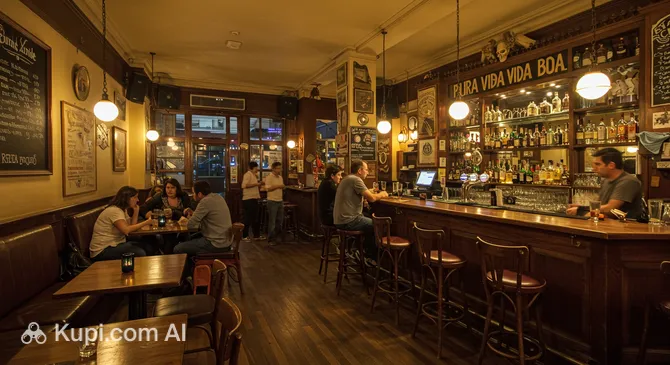
Popular spots for evening relaxation include cozy craft beer bars, lively pubs often featuring live music, and night clubs with various musical styles ranging from Latin rhythms to electronic music. For instance, Pura Vida Bar is known for its bohemian vibe and live performances, while Casa Otilia attracts those who appreciate good drinks and pleasant company. For those seeking a club format, Ciudad de Gatos offers high-energy parties.

Pura Vida Bar. Illustration.
Source: Kupi.com AI

Traveler photos:

Practical Tips: The best time to visit bars is after 10:00 PM, while clubs usually fill up after 1:00 AM. Prices in La Plata's venues are generally more affordable than in Buenos Aires. You can get around at night using taxis or ride-hailing services; it is recommended to use official services or apps. The central areas of the city are considered relatively safe for nighttime walks, but you should always take standard precautions, especially in unfamiliar areas.

Casa Otilia. Illustration.
Source: Kupi.com AI

Traveler photos:

Regarding safety, the central districts where nightlife is concentrated are generally well-lit and patrolled. However, it is always wise to stay alert, especially in the late hours. Taxis can be hailed by phone or via mobile apps, providing a reliable way to reach your destination at night.

Ciudad de Gatos. Illustration.
Source: Kupi.com AI

Traveler photos:

During the day, La Plata also offers plenty of interesting activities. You can visit the famous La Plata Museum with its impressive collections, stroll through numerous parks and squares like Paseo del Bosque, or admire architectural masterpieces including the Cathedral and the Curutchet House designed by Le Corbusier. The city also hosts theaters and cultural centers with a diverse program of events.

Parks & Museums

La Plata, a master-planned city with a unique street grid, offers guests not only architectural delights but also an abundance of green spaces for relaxation and significant cultural institutions that preserve the region's history and art.

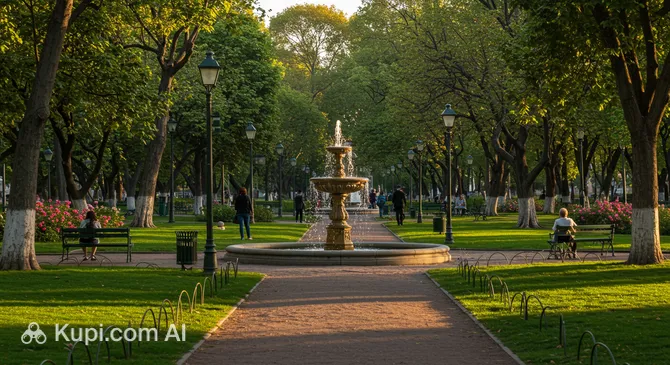
One of the city's main "lungs" is Paseo del Bosque. This expansive park is the perfect place for walks, picnics, and sports. Its grounds house a lake, an amphitheater, a planetarium, and the famous La Plata Museum. You can spend an entire day here enjoying nature and fresh air in the very heart of the city.

Paseo del Bosque. Illustration.
Source: Kupi.com AI

Traveler photos:

Equally popular is Saavedra Park, named after Cornelio Saavedra, president of Argentina's First Junta. This park attracts locals and tourists alike with its peaceful atmosphere, well-kept pathways, and playgrounds. It is an excellent spot to observe daily city life and take a break from the urban rush.

Saavedra Park. Illustration.
Source: Kupi.com AI

Traveler photos:

In terms of culture, the La Plata Museum (Museo de La Plata) is unmissable. It is one of the most important natural history museums in South America. Its impressive collections in anthropology, archaeology, zoology, and paleontology draw researchers and curious visitors from around the globe. The museum building itself is an architectural monument.

La Plata Museum. Illustration.
Source: Kupi.com AI

Traveler photos:

The cultural heart of the city is also found at Pasaje Dardo Rocha. Located in a former railway station building, this cultural center now hosts art exhibitions, concerts, theater performances, and other events. It is a place where you can experience the contemporary art and cultural life of La Plata.

Dardo Rocha Passage. Illustration.
Source: Kupi.com AI

Traveler photos:

Beyond parks and museums, La Plata takes pride in its architectural masterpieces. The majestic Cathedral of La Plata in Neo-Gothic style is stunning in its size and beauty. Also of note is the Curutchet House—a unique creation by the famous architect Le Corbusier, recognized as a UNESCO World Heritage site. It is the only building Le Corbusier built in the Americas and is a must-see for architecture lovers.

Curutchet House. Illustration.
Source: Kupi.com AI

Traveler photos:

For an authentic experience, stroll along the city's diagonal streets, discovering numerous squares, each with its own character. For instance, the central Plaza Moreno serves as the reference point for the city's planning, while Plaza Malvinas Argentinas often hosts cultural events and fairs.

Getting Around

Public transport in La Plata primarily consists of an extensive network of city buses, which are the most popular and affordable way to get around. Thanks to La Plata's unique layout with its diagonal streets and numbered blocks, bus routes cover all key areas, including the city center, university campuses, and residential districts.

To pay for bus fares, a unified transport card called SUBE (Sistema Único de Boleto Electrónico) is used, which is valid across most of Argentina. You can purchase a SUBE card at kiosks (kioscos), at some stations, or at dedicated sales points. The card can be topped up at the same locations, as well as at lottery kiosks, supermarkets, or through mobile banking apps. Fares are generally low but can vary based on distance. It is important to tap your card against the validator when boarding the bus.

Tourists are advised to purchase and top up a SUBE card in advance, as cash is typically not accepted on buses. Buses run from early morning until late evening, though frequency may decrease at night and on weekends. Routes and schedules can be checked at bus stops, by asking locals, or by using online maps and transport apps that show bus movements in real-time. Route numbers and destinations are usually displayed on the bus's front windshield.

Besides buses, other ways to get around are available in La Plata. Taxis can be hailed on the street or ordered by phone; they operate on a meter. Ride-hailing apps are also popular. For short distances or to get a better look at the city's architecture—especially its famous diagonals and plazas—walking is a great option. While bicycle rentals may be limited, the urban environment is generally bike-friendly thanks to its thoughtful planning.

Accommodation

In La Plata, travelers will find a variety of accommodation options to suit different budgets and preferences. The city offers everything from budget-friendly hostels and guesthouses for savvy travelers to mid-range hotels with a good range of services. Additionally, apartment rentals are a popular and convenient choice for families or long-term stays.

When choosing where to stay, it is worth considering the central districts. Staying near major attractions such as Plaza Moreno or the Cathedral of La Plata, as well as near transport links, will ensure easy movement and save time. While specific hotels were not provided in the landmark list, the city has plenty of hotels offering various levels of comfort.

La Plata Cathedral. Illustration.
Source: Kupi.com AI

Traveler photos:

The general price range varies from budget options to more upscale offerings. It is recommended to book accommodation in La Plata in advance, especially if your trip coincides with the peak tourist season or major local events. This will help ensure a better selection and more competitive prices.

You can find and book suitable options through popular online booking platforms, which offer a wide selection of hotels, hostels, and apartments with reviews and photos. Direct booking through official hotel websites is also an option.

Nearby Cities

For those looking to explore the surrounding area, La Plata serves as an excellent starting point for day trips to several interesting nearby locations. These towns and cities offer unique experiences, whether it's exploring local culture, historical sites, or simply enjoying a pleasant walk in a new setting.

Among the nearby cities worth visiting are: Berazategui, known as the "National Capital of Glass," which attracts tourists with its Glass Museum and active cultural life; Florencio Varela, where you can experience life in a typical Buenos Aires provincial town with its parks and local markets; Quilmes, famous for its namesake brewery—one of the oldest in Argentina—and its pleasant Rio de la Plata waterfront; Bernal, a cozy and green town that is part of the Quilmes metropolitan area, offering a calm atmosphere for walking; San Francisco Solano, a bustling commercial center perfect for diving into local daily life and doing some shopping.

Below is a list of some of these destinations with their distances and populations:

CityPopulationDistance
Manuel B. Gonnet22 9637 km
Melchor Romero22 5117 km
Ensenada54 4638 km
Berisso87 6989 km
City Bell32 64610 km

These nearby destinations provide a broader view of the region's diverse culture and landscapes, complementing your visit to La Plata.

Shopping & Souvenirs

Shopping in La Plata offers tourists a pleasant mix of modern shopping malls, cozy boutiques on bustling streets, and the chance to find authentic Argentine souvenirs. The city, known for its unique layout, is perfect for leisurely strolls through shops where you can find both local goods and well-known international brands.

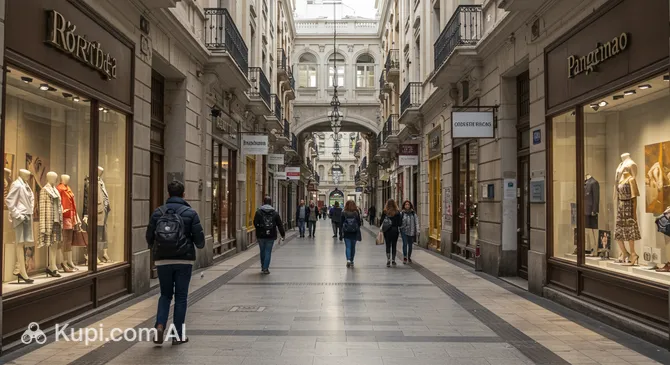
The main shopping arteries of La Plata are concentrated along the central streets (Calles), particularly in the area between Streets 7 and 12, as well as on several diagonal avenues (Avenidas). Here you will find numerous stores selling clothing, footwear, accessories, books, and home goods. Walking these streets allows you to feel the rhythm of the city and pick out something memorable.

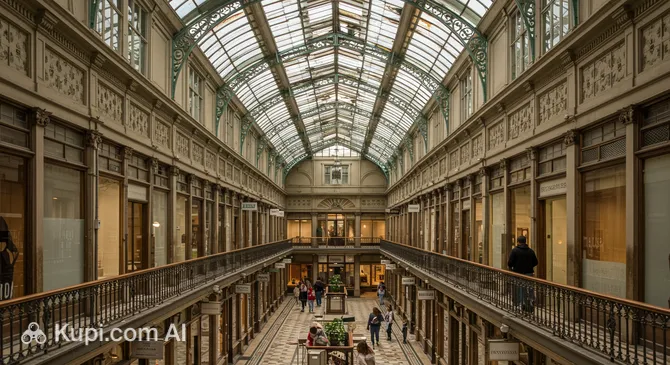
For those who prefer a more concentrated shopping experience, La Plata has several shopping centers. Among them is Baxar Mercado, a modern space combining shops, a food court with diverse gastronomic offerings, and cultural events. Another notable spot is Pasaje Rodrigo, a historic shopping gallery with elegant architecture housing boutiques and cafes.

Baxar Mercado. Illustration.
Source: Kupi.com AI

Traveler photos:

Rodrigo Passage. Illustration.
Source: Kupi.com AI

Traveler photos:

While La Plata does not have large permanent flea markets like some other Argentine cities, artisan fairs (ferias artesanales) are occasionally held in squares such as Plaza Moreno or Saavedra Park. Here you can find handmade goods, jewelry, and small souvenirs from local artisans, especially on weekends.

As souvenirs from La Plata and Argentina in general, consider traditional leather goods (bags, belts, shoes), mate sets, high-quality Argentine wine (especially Malbec), and sweets like alfajores and dulce de leche. You might also look for books related to the city's history and architecture or souvenirs featuring local university symbols.

Shops in La Plata typically operate Monday through Saturday, from about 9:00-10:00 AM to 7:00-8:00 PM. Many smaller shops may close for a lunch break (siesta), usually from 1:00 PM to 4:00 PM. Major shopping centers generally stay open all day and may have longer hours. Argentine Pesos (ARS) are accepted, as well as international credit and debit cards, especially in larger stores and malls. It is always helpful to carry some cash for small purchases or at markets.

Foreign tourists in Argentina can benefit from the VAT refund system (Tax Free) for purchases made in participating stores. To do this, you must spend a certain minimum amount and ensure the correct documents (Tax Free form) are processed at the time of payment. Check the details with the staff and keep your receipts to present to customs when leaving the country.

Reached the end of the page?

That means the route is fully explored