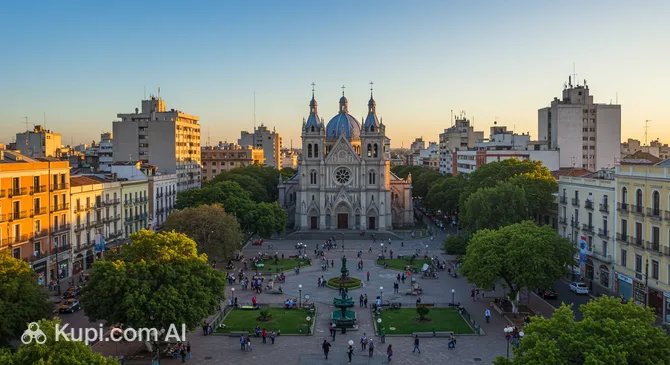
Quilmes is one of the oldest and most significant suburbs of Buenos Aires, located in the southeast of the metropolitan area in Argentina. With a population of over 262,000, this city harmoniously combines industrial heritage with a residential atmosphere. It was named after the Quilmes indigenous people, who were forcibly relocated here in the 17th century after long resistance against the colonizers.
Quilmes. Illustration.
Source: Kupi.com AI
The city's modern appearance is inextricably linked to its rich history and industrial development. The main symbol and "heart" of Quilmes is the eponymous brewery, founded by German immigrant Otto Bemberg in 1888. A whole historical quarter even grew around the enterprise—Villa Argentina, which still preserves the charm of early 20th-century European architecture, once intended for the factory workers.
Located on the banks of the great Río de la Plata, Quilmes was once a popular resort destination for the capital's elite. Today, it is a dynamic middle-class city with cozy squares, shopping centers, and lively markets. Visiting this area allows you to experience the true rhythm of life in an Argentine suburb, far from the beaten tourist paths but filled with authentic local character.
Weather Overview
The climate in Quilmes is largely determined by its proximity to the Río de la Plata and its flat terrain. The city is located in a humid subtropical climate zone, which means warm summers and mild winters. However, due to high humidity, the summer heat can feel more intense, and the winter chill can seem more piercing.
Summer (December – February) is characterized by average temperatures around 24-25°C, but on certain days, the thermometer can rise to 30°C and above. Winter (June – August) is quite moderate, with average temperatures around 11°C, although nighttime temperatures can drop to 4-5°C. Precipitation is distributed relatively evenly throughout the year, but summer months are often accompanied by short but intense thunderstorms.
An important feature of the region is its low-lying location. Tourists should keep in mind that during heavy downpours, some areas of the city may be subject to short-term flooding. Before your trip, it is recommended to check the current weather in the city to choose your wardrobe correctly and plan your walks.
Average monthly temperature
Average monthly precipitation
Interesting Facts
The city was founded in 1666 as a reservation for the Quilmes people, whom the Spanish forced to walk over 1,000 kilometers from the northern province of Tucumán.
The Quilmes brewery, whose name has become synonymous with Argentine beer, controls a significant portion of the national market and exports its products worldwide.
The local football club, Quilmes Atlético Club, is a 15-time national champion and proudly holds the title of the oldest existing football club in Argentina.
There are only about 200 direct descendants of the indigenous Quilmes people left in Argentina, most of whom now live in the north of the country, far from the city named in their honor.
The historic Villa Argentina quarter, built for brewery workers in the 1920s, is still considered one of the city's most prestigious and picturesque neighborhoods.
How to Get There
Quilmes is part of Greater Buenos Aires, which ensures excellent connectivity with the capital. The main transport artery for tourists is the Roca railway line. Trains depart from Constitución central station in Buenos Aires, and the journey takes about 30–40 minutes. This is the fastest and most budget-friendly way to reach the city while avoiding traffic jams.
For those who prefer bus travel, numerous routes (local buses known as "colectivos") link Quilmes with various districts of the capital and neighboring suburbs. However, keep in mind that travel time can increase significantly during rush hours. If you are planning your trip in advance, it is helpful to check the current transport climate of the region.
The nearest major international airports are located in Buenos Aires: Ezeiza Airport and Jorge Newbery Airport (Aeroparque). From there, Quilmes can be reached by taxi, transfer, or a combination of bus and train.
Station
Passenger traffic
Distance
Constitución train station
13
16 km
Retiro railway station
9
18 km
Retiro Mitre train station
6
18 km
Retiro Belgrano train station
6
18 km
Retiro San Martín train station
5
18 km
Main Attractions
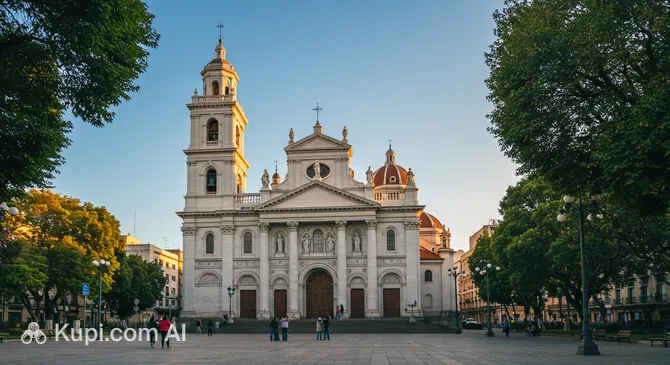
While Quilmes is better known for its industry, there are several notable sites worth visiting for lovers of architecture and history. The city's central spiritual landmark is the Quilmes Cathedral. This majestic building with its rich interior serves as a focal point in the city center and reflects the deep religious traditions of the local population.
Quilmes Cathedral. Illustration.
Source: Kupi.com AI
Traveler photos:
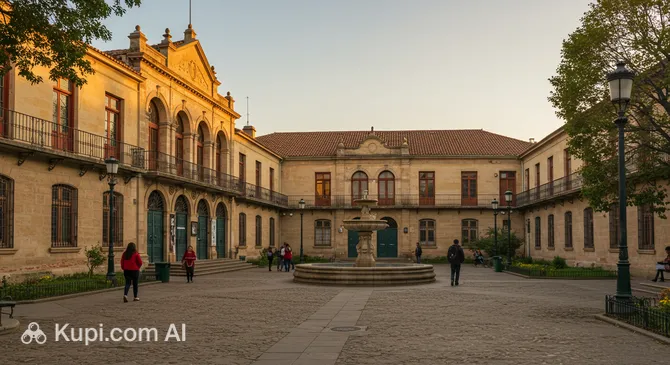
The city's cultural life is concentrated in places such as the Quilmes House of Culture. It frequently hosts exhibitions by local artists, theatrical performances, and educational events, allowing guests to get acquainted with the region's contemporary art. The building itself is an important element of the urban landscape.
House of Culture of Quilmes. Illustration.
Source: Kupi.com AI
Traveler photos:
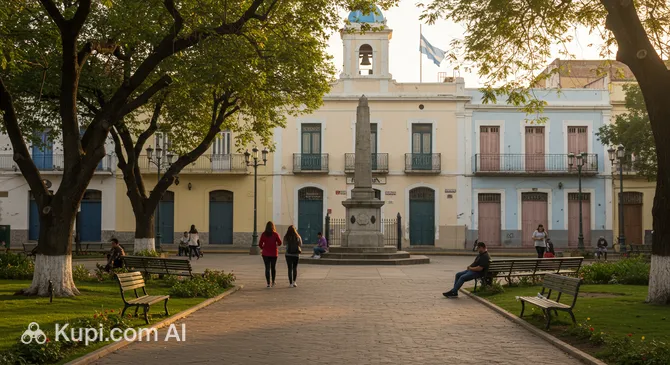
For a leisurely stroll, San Martín Square is ideal. This green space in the heart of the city is a favorite meeting spot for residents. Here, you can relax in the shade of the trees, watching the daily bustle, or head toward the historic Quilmes brewery, which, although an industrial site, remains the city's primary pride and symbol.
San Martín Square. Illustration.
Source: Kupi.com AI
Traveler photos:
Local Cuisine
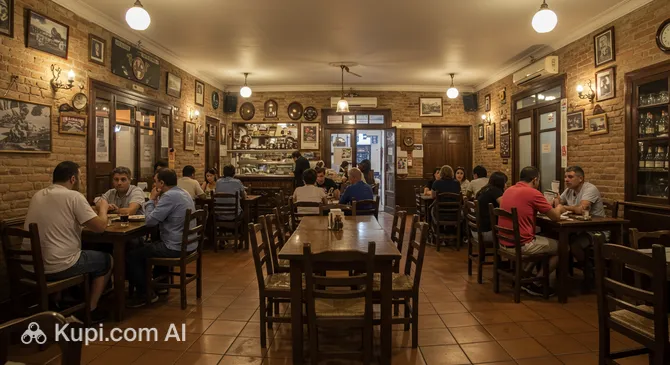
The gastronomic scene in Quilmes is a classic Argentine mix of succulent grilled meats and Italian traditions. The centerpiece of the local diet is asado (steaks, chorizo, and ribs cooked over charcoal). In the city's restaurants, you can always find an excellent steak or milanesa—thinly breaded meat often served with french fries or salad.
Italian influence is evident in the love for pasta and pizza. Especially popular are sorrentinos (large ravioli) with ham and cheese, as well as tagliatelle with hearty sauces. For an authentic atmosphere and traditional dishes, you can visit the Los Gallegos restaurant, which is popular among local foodies.
Los Gallegos. Illustration.
Source: Kupi.com AI
Traveler photos:
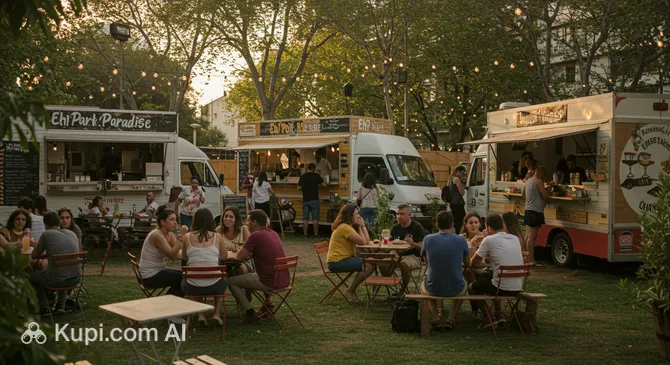
The city's main drink is undoubtedly Quilmes beer. A visit to local bars is unimaginable without a glass of cold lager. If you are looking for something unusual or enjoy active recreation, you can visit Eh?Park Paradise, where a modern atmosphere is combined with snack options.
Eh?Park Paradise. Illustration.
Source: Kupi.com AI
Traveler photos:
For dessert in Quilmes, as in all of Argentina, sweets with milk caramel—dulce de leche—are preferred. Be sure to try alfajores or order "flan" with a large portion of caramel at a cafe. The gastronomy here is simple, filling, and home-style cozy, focused on honest flavors and large portions.
Travel Tips
A visit to Quilmes will allow you to see Argentina from a non-tourist, everyday perspective. To ensure your trip is comfortable and safe, review these practical recommendations.
Clothing and Essentials: Choose clothing according to the season—it is hot and humid in summer (December–February), while it can be quite chilly in winter (June–August) due to the proximity of the river. Be sure to bring comfortable walking shoes and a power adapter (types I and C are used in Argentina).
Transport: Be sure to purchase a SUBE card for bus and train travel—cash is not accepted on public transport. Use the Roca railway line for trips to central Buenos Aires.
Finances: The official currency is the Argentine peso. While cards are accepted in large stores, always carry cash for payments in small shops and buses. The exchange rate can be unstable, so change money at official exchange offices.
Health and Safety: Quilmes is predominantly a working-class suburb. Stick to well-lit central streets and avoid walking in the outskirts after dark. Be mindful of your personal belongings in crowds.
Communication: The main language is Spanish. English is not understood everywhere, so it is helpful to learn basic phrases or have an offline translator. Locals are generally friendly and ready to help if you approach them politely.
Local Etiquette: A handshake or a light kiss on the cheek (even between men, if they are acquainted) is standard. Argentines value casual communication.
What to Avoid: Do not leave valuables in plain sight in your car and do not display expensive equipment on quiet streets. Avoid discussing sensitive political topics if you are not sure of your interlocutor.
Weather: Remember that the city is located in a low-lying area and is prone to flooding after heavy rains, which can temporarily paralyze transport.
Following these simple rules will help you enjoy the atmosphere of Quilmes and make your journey through Argentina rewarding and pleasant!
Entertainment & Nightlife
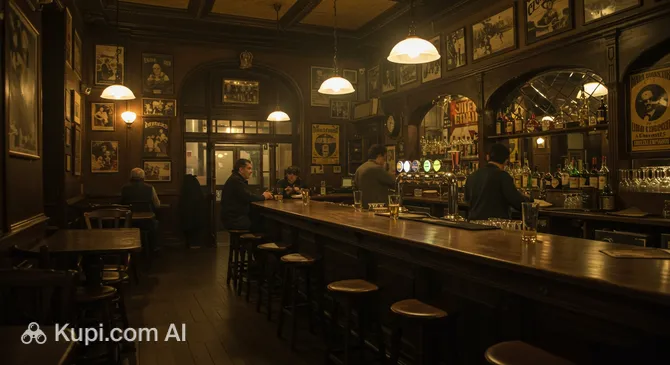
Entertainment in Quilmes is primarily local in character, geared toward the daily leisure of its residents. Most activity is centered in bars and cafes where locals gather after work. One unique spot is the Haunted Bar, which offers guests an unusual atmosphere and a wide selection of drinks.
Haunted Bar. Illustration.
Source: Kupi.com AI
Traveler photos:
For those looking for an evening cocktail or a place to meet friends, Casa Jinete is a good choice. The city also features LOFT, an event hall, where parties and private celebrations are occasionally held. However, it is worth noting that for truly large-scale nightlife with major clubs and discos, locals usually head to the center of Buenos Aires.
Sports occupy a special place in the life of Quilmes. Football here is a religion. The local football club, Quilmes Atlético Club, is one of the oldest in Argentina and has a massive fan base. Attending a match at the local stadium is the best way to feel the passion and energy of Argentine fans, even if you are not an avid follower of the game.
Parks & Museums
The city's cultural heritage is carefully preserved in several local museums. The Admiral Brown Regional Historical Museum offers visitors a chance to learn about the region's history, from colonial times to the industrial boom. It houses unique household items, photographs, and documents that tell the story of the first settlers and the city's development.
For art lovers, the Victor Roverano Museum of Fine Arts is open. Its collection features works by both local masters and famous Argentine artists. The gallery regularly updates its exhibitions, maintaining the creative spirit of Quilmes and providing a platform for contemporary art.
If you are traveling with family or are interested in nature, it is worth stopping by the Pira Vera Aquarium. This small but cozy space introduces visitors to members of the region's aquatic fauna. Despite Quilmes being an industrial center, these pockets of culture and knowledge allow tourists to diversify their leisure time and discover the city from different angles.
Getting Around
The transport system in Quilmes is typical for a large Argentine suburb. The railway plays a key role—specifically the General Roca line. Electric trains connect the city with Constitución station in the capital's center and neighboring southern districts. This is a reliable form of transport, although trains can be very crowded during peak hours, so it is better to plan trips for off-peak times.
Numerous buses ("colectivos") run within the city and between districts. The route network is quite dense, but it can be difficult for a tourist to navigate without a specific app (such as Google Maps or the local Moovit). For fare payment on all public transport, the unified contactless SUBE card is used, which can be purchased and topped up at kiosks or stations.
Taxis and ride-hailing apps (such as Uber or Cabify) are also widespread and relatively inexpensive. This is a convenient option for traveling in the evening or if you need to reach a remote area not served by buses. Bicycle rental is poorly developed in the city, and traffic on main streets is quite intense, so it is better to stick to the pedestrian zones in the center for walking.
Accommodation
Since Quilmes is primarily a residential and industrial suburb, the hotel industry here is not as extensively developed as in the capital's center. Most travelers prefer to stay in Buenos Aires and visit Quilmes as a day trip. Nevertheless, for those who need accommodation directly in the city, apartment options and private guest houses are available through international booking platforms.
Most accommodation options are concentrated in the central part of the city, near the railway station and main shopping streets. This is convenient from a logistical standpoint, as it allows for quick access to transport. When choosing a place to stay, pay attention to reviews regarding the neighborhood's safety and the presence of security, especially if you plan to rent a private house.
During peak periods, such as major football matches or local festivals, it is better to book accommodation in advance. If you are looking for more traditional hotels with a full range of services, you should consider neighboring districts or modern hotel complexes on the outskirts of the capital.
Nearby Cities
Quilmes serves as an excellent starting point for exploring the southern part of the metropolitan area and the capital of Argentina itself. Thanks to the developed railway connection, traveling to neighboring districts doesn't take much time and allows you to see the diversity of life in the suburbs.
Very close by is the city of Bernal, which is famous for its university and a calmer, academic atmosphere. A bit further away is Berazategui, known for its glass workshops and parks. But the main destination for a trip remains the center of Buenos Aires, where the country's primary museums, theaters, and historical quarters are concentrated.
City
Population
Distance
Bernal
109 914
3 km
Ezpeleta
79 557
4 km
Don Bosco
20 876
5 km
Wilde
65 881
6 km
Berazategui
180 523
6 km
Exploring the surroundings of Quilmes allows for a deeper understanding of the region's social structure and shows how seamlessly one city flows into another, creating the endless tapestry of Greater Buenos Aires. Each of these destinations is easily accessible and ideal for a short introduction.
Shopping & Souvenirs
Shopping in Quilmes is primarily focused on the needs of local residents, making it more affordable and practical. The city center features shopping streets with many stores selling clothes, shoes, and accessories. Here you can find popular Argentine brands as well as locally produced goods at attractive prices.
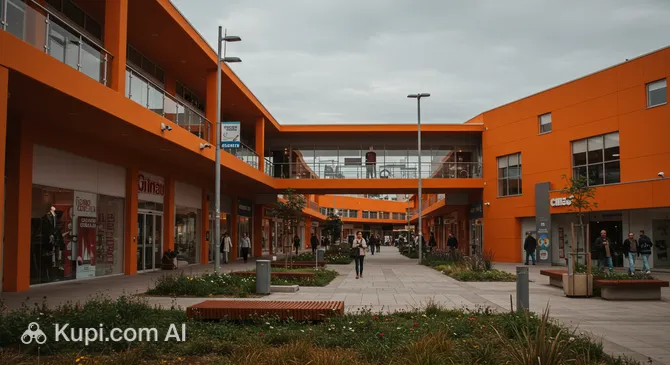
For those who prefer one-stop shopping, large malls such as Krimau Shopping are available. They feature stores selling electronics, perfumes, and home goods. Another popular spot is Quilmes Outlet, where you can find quality items from past collections at significant discounts.
Quilmes Outlet. Illustration.
Source: Kupi.com AI
Traveler photos:
The best souvenir from the city would certainly be products from the local brewery or Quilmes football club merchandise. Traditional leather goods, for which Argentina is famous, or mate sets are also frequently brought back as gifts. Shops generally operate from 9:00 AM to 8:00 PM, though many small stores may close for a siesta in the middle of the day.