Lanús is a dynamic city located in the province of Buenos Aires, Argentina. As an important part of the Greater Buenos Aires metropolitan area, it is a vibrant industrial and residential hub with a population of about 460,000 people. Lanus. Illustration.
Source: Kupi.com AI
Although Lanús is often perceived as a commuter suburb of the capital, it possesses its own unique character, shaped by decades of industrial development and waves of migration.
The rich history of Lanús dates back to the late 19th century when it began developing as an agricultural area before transforming into a major labor hub. Geographically, the city is divided into Eastern and Western sectors, each with its own distinct features. Despite the dense urban development, the spirit of a traditional Argentine community is palpable here, with football and local traditions playing a key role.
While the city is not a typical tourist destination, it attracts those who want to see the real, unvarnished life of the region. Here, you can find cozy squares like Plaza Mitre and experience the rhythm of life for everyday Argentines. Visiting this place offers an interesting experience for travelers seeking to go beyond standard routes and immerse themselves in the authentic atmosphere of a working-class suburb.
Weather Overview
Lanús is located in a temperate oceanic climate zone, typical of the Pampas region. If you are planning a trip, it is worth noting that the climate of Lanús largely coincides with that of the capital: humidity is quite high here, and rainfall is evenly distributed throughout the year.
Summers in the city can be quite hot—in January and February, the average daytime temperature often reaches +29°C, and nights remain warm. Winters here are mild, with averages around +10-15°C, although it may feel colder due to the proximity to the ocean and high humidity. The best time to visit is spring (October–November) and autumn (March–April), when the temperature is most comfortable for walking.
Average monthly temperature
Average monthly precipitation
Interesting Facts
Founded in Honor of a Friend: The city was officially founded in 1888 by Guillermo Gaebeler and was named after his close friend, Pedro Lanús.
Football Pride: The local football club, Lanús, founded in 1915, is a true symbol of the city. Its home stadium can accommodate over 47,000 spectators.
Path to Independence: For a long time, Lanús was administratively part of neighboring Avellaneda and only gained the status of an independent municipality in 1944.
Industrial Heart: In the mid-20th century, Lanús experienced rapid suburbanization, quickly transforming from an agricultural zone into one of the most densely developed industrial centers in the region.
How to Get There
Thanks to its location in close proximity to the capital, Lanús enjoys excellent transport links. The fastest and most reliable way to find out how to get to Lanús from the center of Buenos Aires is to use the suburban trains. The main Roca railway line connects the city with Constitución Station, with travel times usually ranging from 20 to 40 minutes.
The nearest international aviation hub is Ezeiza Airport (EZE), located approximately 40 kilometers away. A transfer by car or taxi to Lanús will take between an hour and an hour and a half, depending on traffic conditions and the time of day.
The city itself has several railway stations providing regular connections to other suburbs. Besides trains, numerous bus lines (such as 501 and 503) run between Lanús and the capital; however, keep in mind that bus journeys can be long during peak hours due to heavy traffic.
Station
Passenger traffic
Distance
Constitución train station
13
9 km
Once train station
13
11 km
Once train station
13
11 km
Retiro railway station
9
13 km
Retiro Mitre train station
6
13 km
Main Attractions
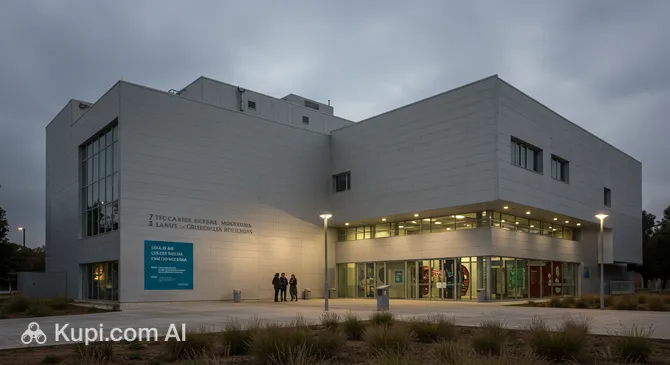
Being a primarily industrial district, Lanús offers guests unique sites related to technical progress and sports. One of the most interesting spots is the Abremate Science and Technology Center, which features interactive exhibits dedicated to the development of technology.
Abremate Science and Technology Center. Illustration.
Source: Kupi.com AI
Traveler photos:
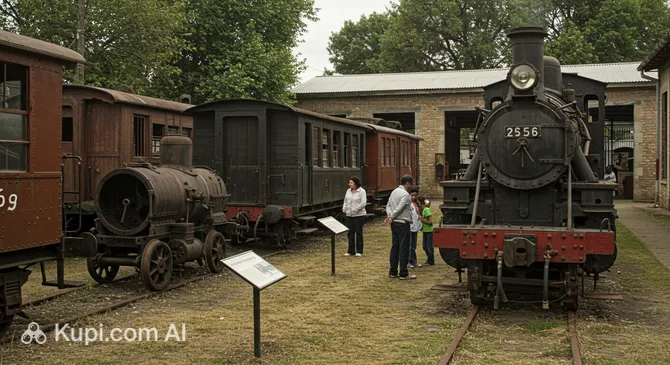
For fans of transport history, the Ferroclub Argentino Railway Museum in Remedios de Escalada is a must-visit. Here, you can see vintage locomotives and carriages that tell the story of the golden age of Argentine railways.
Ferroclub Argentino Remedios de Escalada Railway Museum. Illustration.
Source: Kupi.com AI
Traveler photos:
Sports fans should check out the Club Atlético Lanús stadium, which serves as the heart of local life and a magnet for thousands of supporters. For a quiet stroll, the city's main square, Plaza Mitre, surrounded by administrative buildings and cozy cafes, is a perfect choice. Families might also find the Vago Aquarium interesting, as it offers a glimpse into the world of river and marine life.
Local Cuisine
The culinary traditions of Lanús are inextricably linked to the wider Argentine culture, where meat takes center stage. At local parrillas, you must try asado—charcoal-grilled meat—as well as traditional empanadas with various fillings. The city's gastronomic scene is represented by both cozy family-run establishments and popular modern spots.
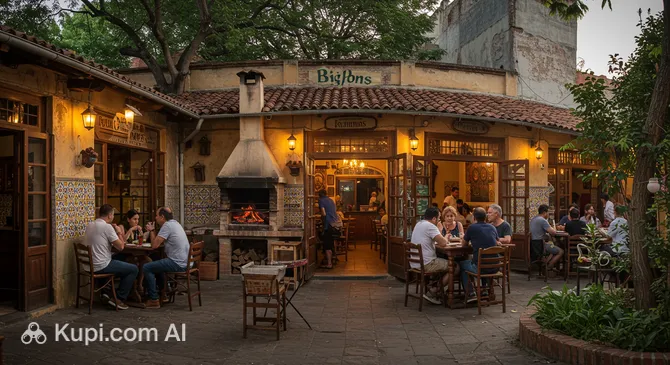
If you are looking for a place with great burgers and an informal setting, stop by Big Pons, which is famous for its quality ingredients and hospitality. Big Pons. Illustration.
Source: Kupi.com AI
Traveler photos:
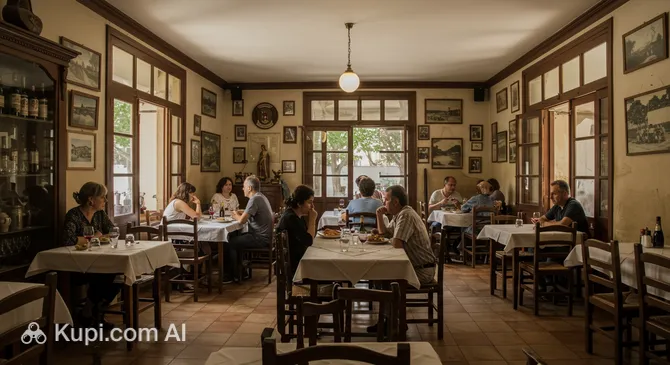
For a more traditional Italian dinner with an Argentine flair, Restaurant Il Bersagliere is a perfect choice, offering classic recipes and a homey atmosphere. Il Bersagliere Restaurant. Illustration.
Source: Kupi.com AI
Traveler photos:
The culture of drinking mate, which is enjoyed everywhere, and the popular local beer Quilmes play a special role in the lives of residents. In Lanús, you will find many authentic pizzerias and churrasquerías where prices are often lower than in the capital and portions are home-style generous. It is an ideal place to get a real taste of everyday Argentine life without the tourist markups.
Travel Tips
When planning a visit to Lanús, check out our practical recommendations to help make your stay in the city more comfortable and safe.
Clothing and Essentials: Choose clothing according to the season: light fabrics in summer, and warm items in winter, as humidity increases the sensation of cold. Be sure to bring comfortable shoes for walking.
Transport: The best way to get around is by bus and train. To pay, you must purchase a SUBE card, as cash is not accepted on public transport.
Finances: The official currency is the Argentine peso. Carry cash with you, as cards are not accepted in all small shops.
Health and Safety: Lanús is a working-class suburb, so take precautions. Avoid walking at night in sparsely populated areas and do not display valuables.
Communication: The main language is Spanish. English is not widely spoken, so it is worth learning basic phrases. For connectivity, buy a SIM card from a local operator (Personal or Claro).
Local Etiquette: Argentines are very sociable. Greetings are often accompanied by a light kiss on the cheek, even upon first meeting.
What to Avoid: Do not discuss sensitive political topics or football preferences with strangers—these are taken very emotionally here.
Extra Tip: If you plan to attend a football match, buy tickets in advance and be prepared for very loud and boisterous displays of emotion from the fans.
By following these simple tips, you can focus on exploring the city and get the most out of your trip!
Entertainment & Nightlife
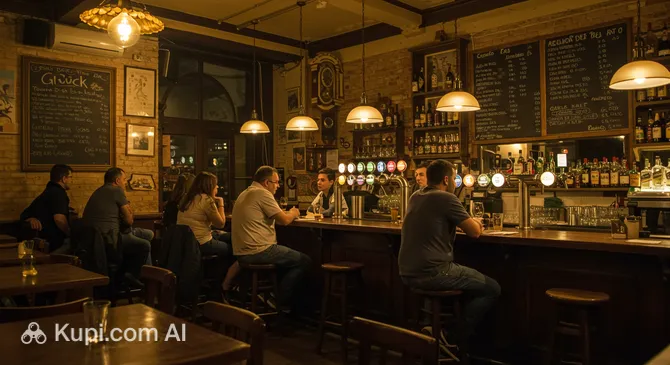
Nightlife in Lanús is predominantly local in character, unlike the bright and noisy center of Buenos Aires. Most of the activity is concentrated in East Lanús, where you will find many pubs and laid-back bars. A popular spot to meet friends for a craft drink is the Glück Beer Bar in Lanús, which attracts guests with its relaxed atmosphere.
Glück Brewery Bar Lanús. Illustration.
Source: Kupi.com AI
Traveler photos:
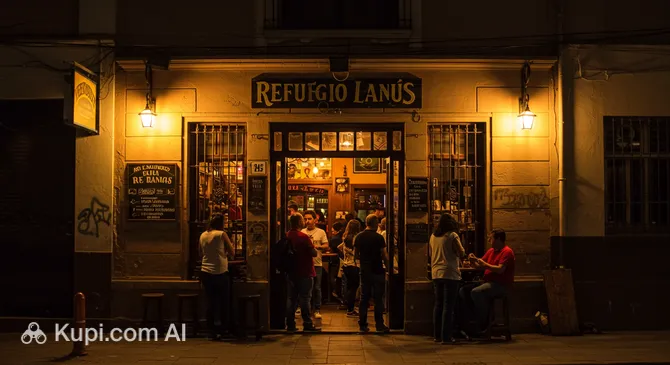
Another great option for an evening out is Refugio Lanús, where you can sample famous Patagonian beer and enjoy the company of locals. If you are looking for a venue for celebratory events, it is worth checking out Salón Spinola, which often hosts various parties and dance nights.
Refugio Lanús. Illustration.
Source: Kupi.com AI
Traveler photos:
For larger-scale entertainment, such as major nightclubs or theaters, residents often head to the capital. Nevertheless, Lanús retains its charm through cozy "locals-only" establishments where you can feel the true spirit of an Argentine suburb without unnecessary pretension. For safety at night, it is recommended to use reputable taxi apps.
Parks & Museums
Cultural life and leisure in Lanús are centered around several sites that will interest both technology enthusiasts and families with children. One of the city's main gems is the Ferroclub Argentino Railway Museum in Remedios de Escalada. This place literally breathes history: vintage machinery is carefully preserved here, offering a glimpse into the past of the country's transport system.
Ferroclub Argentino Remedios de Escalada Railway Museum. Illustration.
Source: Kupi.com AI
Traveler photos:
For those interested in science, the Abremate Science and Technology Center is open to visitors. Its exhibits are aimed at popularizing knowledge through interactive engagement, making the learning process fascinating. Additionally, you can visit the Vago Aquarium in the city, which features various species of fish and aquatic inhabitants.
Abremate Science and Technology Center. Illustration.
Source: Kupi.com AI
Traveler photos:
Park areas in Lanús, such as Parque Ciudad de Lanús, provide residents with much-needed space for outdoor recreation. Although urban development is quite dense, these green islands are popular spots for sports, walks, and traditional family picnics on weekends.
Getting Around
The Lanús public transport system is deeply integrated into the overall network of Greater Buenos Aires. The primary mode of transport providing connections to other parts of the metropolitan area is the Roca line suburban electric trains. They run frequently, although during the morning and evening peak hours, the carriages can be very crowded.
Within the municipality, there is an extensive network of bus routes (known as "colectivos"). They cover almost all the streets of the city, linking residential neighborhoods with railway stations and shopping areas. Fares for trains and buses are paid exclusively using the SUBE unified contactless card, which can be purchased at specialized kiosks and topped up at payment terminals.
Alternatively, taxi services and popular ride-hailing apps are available in Lanús. Cycling infrastructure is poorly developed, so getting around on two wheels can be difficult due to heavy traffic. For tourists, the most convenient option remains a combination of the train for long-distance trips and taxis for moving within the city during the evening.
Accommodation
Lanús is primarily a residential and industrial district, so the choice of classic hotels is limited. Nevertheless, various accommodation options are available to travelers, ranging from budget guesthouses to modern apartments. The majority of housing offers are concentrated in the central part of East Lanús, near transport hubs.
Many guests prefer short-term apartment rentals via online services, which allows them to feel like a local and have their own kitchen at their disposal. This is especially convenient for those planning to stay in the region for several days or those visiting specifically for sporting events.
If you are looking for full hotel services, you might consider small "posada" style hotels, such as Posada Lanús. When booking, it is recommended to choose accommodation closer to the railway stations to ensure a quick commute to Buenos Aires. During important football matches, it is best to search for and book accommodation in the city well in advance.
Nearby Cities
Lanús occupies a favorable geographical position, making it a convenient starting point for exploring neighboring areas of the province. Very close by is the city of Remedios de Escalada, known for its unique railway heritage and cozy, quiet streets. A trip there takes only a few minutes by train or car.
It is also worth checking out neighboring Banfield, which is famous for its cultural life, and the Gerli district, which reflects the region's industrial spirit. These destinations allow you to see the diversity of life in the suburbs of the metropolis.
Exploring the surroundings of Lanús helps to better understand the way of life in Argentina. The historic center of Buenos Aires, with its theaters and museums, is only 20 kilometers away, making trips between Lanús and the capital simple and rewarding.
Shopping & Souvenirs
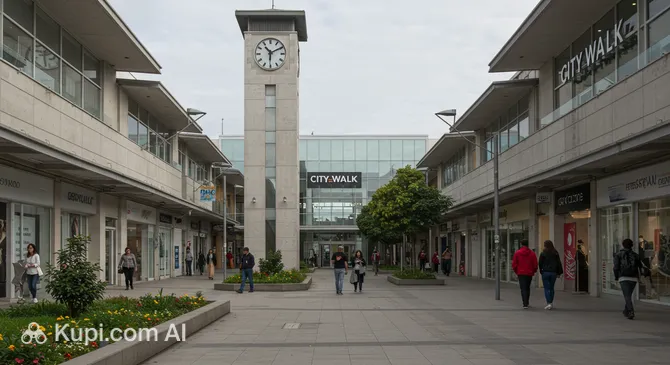
Shopping in Lanús is oriented toward the daily needs of residents, but travelers will also find plenty of interest. The main shopping zones are concentrated on the city's central streets, which are lined with numerous clothing, shoe, and accessory stores. If you prefer to shop in one place, it is worth visiting the City Walk shopping center, which offers a wide selection of goods. City Walk. Illustration.
Source: Kupi.com AI
Traveler photos:
For those who want to bring home a piece of the city, the best souvenir is merchandise from the local football club, Lanús. Official stores offer jerseys, scarves, and other items in the team's traditional garnet colors. You can also purchase high-quality Argentine products at local markets and supermarkets, such as dulce de leche, mate sets, and local wine.
Shops in Lanús usually take a siesta break in the middle of the day. Card payments are common in large retail outlets, but it is better to have cash pesos on hand for visiting small shops and markets. Tax Free returns are rarely available in the suburb, so for major purchases involving paperwork, it is better to choose specialized centers in the capital.