Support

Moree

About

Nestled on the banks of the Mehi River in northern New South Wales, Moree is a thriving town that perfectly blends rural charm with relaxation. Known for its rich black soil plains, this agricultural hub in Australia is a vital center for cotton, wheat, and pecan production, offering visitors a genuine taste of country life.

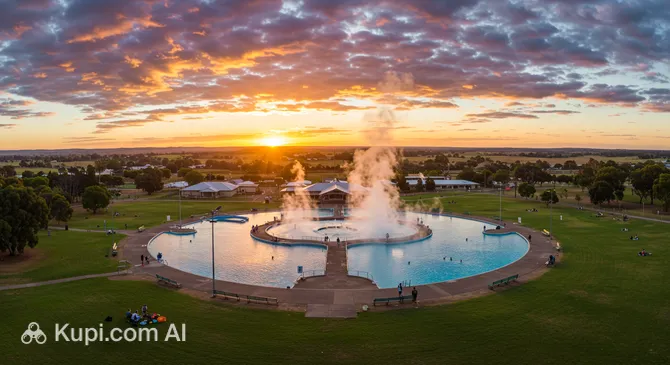
The town is most famous for its therapeutic thermal waters, earning it the title of the Artesian Spa Capital of the country. Travelers flock to the Moree Artesian Aquatic Centre to soak in the mineral-rich waters drawn from the Great Artesian Basin, which are naturally heated and renowned for their rejuvenating properties.

Moree. Source: Kupi.Binoculars

Beyond its famous springs, the town offers a visual treat for architecture enthusiasts. The main streets are lined with beautifully preserved heritage buildings, showcasing one of the best collections of Art Deco style in the region. As you explore these streets, you can uncover the fascinating history of Moree, which traces the area's development from its deep Indigenous roots to its modern status as a prosperous farming community.

With a population of around 9,000 residents, Moree provides a welcoming and friendly atmosphere for all who visit. Whether you are stopping by to soothe your muscles in the hot pools or to admire the golden fields of the Gwydir Valley, this destination promises a refreshing and memorable outback experience.

Weather Overview

Visitors to Moree can expect a climate characterized by significant seasonal variations, ranging from sweltering summers to cool, crisp winters. January is typically the hottest month, with an average temperature of 28.6°C and daily highs that can soar to 34.5°C, while December often sees the highest frequency of rain with around 8 wet days.

In contrast, the middle of the year brings much cooler air. July is usually the coldest month, where the average temperature drops to 12.3°C and nighttime lows can fall to 6.4°C. Overall, you can expect hot summers with occasional rain and cool winters with clearer skies. For a detailed forecast to help you prepare, consult the guide to weather in Moree.

Interesting Facts

Beyond the relaxing steam of its artesian waters, Moree holds several fascinating secrets that highlight its importance on both a national and global scale. Here are a few unique insights into this country town that often surprise visitors:

  • A Serendipitous Discovery: The town's renowned thermal pools were never part of the original plan. In 1895, bore sinking operations were actually intended to find reliable irrigation water for agriculture. Instead, drillers accidentally tapped into the Great Artesian Basin, revealing the natural hot springs that would eventually define the town's identity.

  • A Space Age Milestone: This rural community played a critical role in the history of communication. Moree was the location of the first commercial satellite earth station in Australia, established in 1968 to link the continent with international telephone and television networks, marking a major technological leap for the country.

  • A Nutty Record-Breaker: While vast cotton fields often dominate the landscape, the region is also a global powerhouse for pecans. It is home to the Trawalla Pecan Nut Farm, which holds the title of the largest pecan farm in the Southern Hemisphere, containing tens of thousands of trees.

How to Get There

Reaching the agricultural hub of Moree is a straightforward journey, whether you are driving through the scenic Gwydir Valley or utilizing public transport. For the quickest access, the town is served by Moree Regional Airport, which offers direct flights from Sydney. Alternatively, the town is well-connected by the Newell and Gwydir Highways. You can find detailed information on how to get to Moree to help plan the most convenient route for your travels.

For those considering flights to the wider region, Tamworth Airport (TMW) is a primary option located approximately 204 km away. The drive from Tamworth to Moree typically takes between 2.5 and 3.5 hours. Another accessible choice is Armidale Airport (ARM), situated roughly 208 km from the town, with a similar travel time by road. These regional hubs offer reliable connections for those exploring northern New South Wales, though a car rental or connecting bus service is required for the final leg.

For clarity, here is a summary of the main regional airports:

Airport Name City Passenger Traffic Km from City
Tamworth Airport Tamworth Medium 203.8
Toowoomba Wellcamp Airport Toowoomba Medium 285.0
Armidale Airport Armidale Medium 207.9

In addition to air travel, Moree is well-served by the daily NSW TrainLink Xplorer service, which runs between Sydney and Moree, offering a comfortable and scenic rail journey directly to the town center. Driving is also a popular option, with the town's location at the junction of major highways making it an easy road trip destination from Brisbane or Sydney.

Main Attractions

The undisputed highlight of any visit to this region is the Moree Artesian Aquatic Centre. Renowned for its mineral-rich waters drawn from deep within the Great Artesian Basin, this facility offers a therapeutic experience that attracts travelers from all over the country. Visitors can relax in the naturally heated thermal pools, which are believed to have healing properties for aching muscles, or enjoy the Olympic-sized swimming pool and wellness centre for a complete rejuvenation session.

For culture enthusiasts, the Bank Art Museum Moree (BAMM) is a must-see destination. Housed in a striking 1910 Federation-style building that was once a bank, the museum now serves as the town's artistic hub. It features a diverse collection of contemporary works and holds one of the most significant collections of Aboriginal art in regional New South Wales, celebrating the rich heritage of the local Kamilaroi people.

Nature lovers should venture about 60 kilometers northwest of the town to explore the Gwydir Wetlands State Conservation Area. This Ramsar-listed site is a paradise for birdwatchers, providing a habitat for hundreds of species, including egrets and ibises. When water levels allow, the wetlands can be explored by canoe, offering a tranquil way to observe the vibrant ecosystem up close, while walking tracks and bird hides provide excellent vantage points during drier periods.

To appreciate the town's architectural charm, take a stroll along the Moree Heritage Trail. This self-guided walking tour showcases a remarkable collection of Art Deco buildings that date back to the 1920s and 1930s. As you wander through the streets, you will discover the history behind these beautifully preserved structures, which stand as a testament to the town's prosperity and development during the early 20th century.

Local Cuisine

As the centre of one of Australia’s richest agricultural shires, Moree offers a dining experience deeply rooted in the fertile black soil plains that surround it. The town is often referred to as a "food bowl," and local menus frequently highlight the fresh produce harvested right on the doorstep. Visitors can expect hearty, honest country cuisine where the quality of the ingredients speaks for itself, ranging from premium grains to succulent meats.

The undisputed star of the local pantry is the pecan. With the region home to the largest pecan farm in the Southern Hemisphere, these nuts feature prominently in local culinary creations. You should definitely try pecan-based desserts, such as rich pecan pies or tarts found in local bakeries, or simply enjoy them roasted and salted as a savoury snack. Alongside nuts, the region produces high-quality olives and olive oil, with local groves bottling award-winning oils that make for perfect dipping with crusty bread.

For a substantial meal, the town's food culture revolves heavily around traditional Australian pub fare. Given the area's strong cattle farming industry, beef and lamb are staples. A classic chicken schnitzel or a locally sourced steak served with fresh vegetables is a "must-do" experience at one of the historic hotels or the local services club. These venues serve as the social heart of the town, offering a relaxed atmosphere where tourists can dine alongside farmers and locals.

To quench your thirst in the often-warm climate, a cold Australian lager is the standard choice at the local pubs. However, the region's cafes and restaurants also embrace the coffee culture found in larger cities, serving excellent flat whites alongside brunch. For wine lovers, while Moree is not a wine region itself, local establishments take pride in stocking a wide selection of wines from nearby New South Wales regions, ensuring a quality glass to pair with your meal.

Travel Tips

Welcome to Moree, where the relaxed pace of the outback meets the soothing comfort of artesian waters. To help you make the most of your visit to this friendly country town, we have compiled a list of practical tips to ensure your journey is as smooth and enjoyable as possible.

  1. Clothing and Gear: Since you are visiting the Artesian Spa Capital, packing swimwear is absolutely essential. For the climate, bring lightweight, breathable clothing and a wide-brimmed hat for the hot summers, but do not underestimate the winters; evenings can get quite chilly, so a warm jacket and layers are necessary. If you plan to walk the heritage trails, pack comfortable walking shoes.

  2. Transportation: While the town centre is compact enough to explore on foot, having a car is highly recommended to fully experience the region, especially if you want to visit the Gwydir Wetlands or nearby pecan farms. Public transport is limited to local bus services and taxis, so car rental is the most convenient option for freedom of movement.

  3. Finances: The local currency is the Australian Dollar (AUD). Major credit and debit cards are widely accepted at hotels, restaurants, and supermarkets, but it is wise to carry some cash for smaller purchases at local markets or rural stalls. ATMs are readily available in the main street, and tipping is optional but appreciated for good service.

  4. Health and Safety: The sun in rural New South Wales can be intense, so high-SPF sunscreen and staying hydrated are non-negotiable. Pharmacies are located in the town centre for basic medical supplies, though they generally follow standard business hours. Moree is a safe town, but always lock your vehicle and keep valuables out of sight.

  5. Communication: English is the primary language spoken. Mobile coverage is generally good within the town, particularly with major providers like Telstra, but signals can become patchy as you travel further into the remote countryside. Free Wi-Fi is often available in accommodation venues and some cafes.

  6. Local Etiquette: The atmosphere here is warm and informal. A friendly "G'day" or a nod to passersby is common and polite. When visiting the thermal pools, observe the posted rules regarding hygiene and noise to ensure a relaxing experience for everyone. Respect for the local Kamilaroi heritage is also important when visiting cultural sites.

  7. What to Avoid: Be extremely cautious about driving on unsealed roads after rain. The region is famous for its rich black soil, which turns into thick, sticky mud when wet; getting bogged is a real risk even for 4WD vehicles. Avoid swimming in the thermal pools for extended periods without breaks to prevent dehydration.

  8. Shopping Hours: Keep in mind that retail hours in country towns can differ from big cities. Many shops close by midday on Saturdays and remain closed on Sundays. Plan your grocery shopping and souvenir hunting for weekdays or Saturday mornings to avoid disappointment.

With these tips in hand, you are all set to embrace the unique charm and hospitality of Moree. Whether you are soaking in the mineral springs or exploring the vast plains, being prepared will allow you to relax and enjoy every moment of your rural getaway.

Entertainment & Nightlife

Nightlife in Moree is defined by its relaxed, authentic country atmosphere rather than high-energy nightclubs or bustling party districts. The evening scene revolves primarily around classic Australian pubs, hotel bars, and social clubs where the focus is on good conversation, hearty food, and cold drinks. It is a place where travelers can easily mingle with locals, experiencing the genuine hospitality of the New South Wales outback.

The town center, particularly along Balo Street and Heber Street, serves as the main hub for evening entertainment. Here, you will find a selection of historic venues that come alive after sunset, especially on weekends. The atmosphere is consistently casual and welcoming, with most establishments operating with a "come as you are" dress code, though smart casual attire is appreciated in the dining sections of the larger clubs.

For a quintessential local experience, the Moree Services Club is widely considered the social heart of the town. It is a versatile venue that frequently hosts live music performances, touring acts, and community events, making it a reliable choice for a night out. Another popular spot is the Royal Hotel, which offers a traditional pub setting perfect for enjoying a beer and soaking up the local character. The Amaroo Tavern is also a favorite for its spacious layout and family-friendly vibe in the early evening, transitioning to a lively bar scene later at night.

Practicalities are simple in this country town. Most venues are busiest on Friday and Saturday nights, with kitchens often closing around 8:30 PM or 9:00 PM, so it is wise to dine early. Prices are generally affordable compared to major cities. While the town is walkable during the day, it is highly recommended to use a taxi for getting around at night. Moree Radio Cabs is the local service, and booking your ride home in advance is a good idea on busy weekends.

Regarding safety, visitors should exercise standard precautions. While the main commercial areas are generally safe, it is advisable to avoid walking alone in quiet or poorly lit streets late at night. Sticking to the popular venues and using vehicular transport for your return journey ensures a hassle-free evening. Always keep your belongings secure and stay within the central activity zones.

When the sun is up, entertainment in Moree shifts towards leisure and culture. Daytime visitors can enjoy a round of golf at the Moree Golf Club, which sits right beside the Mehi River, or explore the cultural exhibitions at the local galleries. For a relaxed afternoon, the town's parks and the aquatic centre provide ample opportunity to unwind before the evening's social activities begin.

Parks & Museums

While Moree is famous for its artesian waters, the town also boasts a surprising array of green spaces and cultural landmarks that invite exploration. Although the Bank Art Museum Moree is a key institution in the region, the town offers many other unique sites to discover. Beyond the pools, visitors will find leafy riverbank parks perfect for picnics and galleries that offer a deep dive into the region's artistic soul and Indigenous heritage in Australia.

Jellicoe Park is a central hub for community life, beautifully situated along the banks of the Mehi River. It is the ideal spot for a relaxing afternoon under the shade of mature trees, but it also features the unique Goanna Walk. This paved path, designed by a local artist, invites you to follow goanna footprints etched into the ground until you find a sculptured goanna resting near a garden bed. On the first Sunday of most months, the park comes alive with the vibrant Moree Markets, where you can browse local crafts and produce.

For families and the young at heart, Kirkby Park is an essential stop, affectionately known by locals as "Rocket Park." Its centerpiece is the towering 14.9-metre "Big Rocket," a colourful play structure that has been a beloved icon in the town since the 1970s. Rebuilt to modern safety standards, it remains a nostalgic and fun landmark. The park also offers excellent barbecue facilities, making it a popular choice for a classic Australian outdoor lunch.

A significant cultural venue is the Mehi Gallery, located at the local TAFE campus. This studio and gallery space is run by local Indigenous artists and students, offering an authentic look at Aboriginal storytelling through art. It is a place where you can often meet the artists and purchase unique works that reflect the colours and spirit of the Gwydir Delta.

History buffs should not miss the Moree Lands Office on Frome Street. This striking timber building, designed by colonial architect Walter Liberty Vernon, is a fine example of climate-adapted architecture with its wide verandas. It also holds a fascinating literary connection: Edward Bulwer Lytton Dickens, the youngest son of the famous author Charles Dickens, worked here in the early 1900s.

For a truly local experience, take a quiet morning walk through the Moree Botanic Gardens on the southern bank of the river. Unlike manicured formal gardens, this space focuses on indigenous plant communities, such as the semi-evergreen vine thicket, offering a peaceful glimpse into the native flora that thrived here long before European settlement.

Getting Around

Navigating Moree is significantly different from getting around a major metropolis. As a regional town, it does not have a metro, tram, or complex rapid transit network. Instead, the transport system is modern and straightforward, relying primarily on a flexible on-demand service, taxis, and private vehicles. For most visitors, the town center is compact enough to be explored comfortably on foot, but for reaching attractions on the outskirts or the airport, vehicular transport is necessary.

The local public transport system has transitioned to a convenient On Demand model, replacing traditional fixed-route buses. This service allows you to book a vehicle via a smartphone app or by phone, picking you up from a convenient location and taking you to your destination within the service area. Unlike older systems, this flexible service operates 7 days a week, including Sundays, ensuring that visitors can rely on public transit throughout their entire stay.

Regarding payment, the system is designed to be user-friendly. Fares for the On Demand service are generally very affordable and can typically be paid through the app or with cash/card upon boarding, depending on the specific operator's current setup. It is advisable to have the booking app installed or the phone number saved to ensure a smooth journey around town.

For a more traditional option, taxis are a popular choice and are readily available. Moree Radio Cabs is the primary provider, offering 24-hour service which is perfect for late-night travel or early morning airport transfers. You can catch a taxi from designated ranks in the town center, particularly near the major hotels and the train station, or book one via telephone. This is often the most convenient way to visit the thermal pools if you are staying further away.

Given the flat terrain of the Gwydir Valley, walking and cycling are excellent alternatives for getting around the immediate town center. Many of the heritage buildings, cafes, and parks are within easy walking distance of each other. While there is no large-scale public bike share scheme, the level landscape makes it an effortless ride if you have access to a bicycle.

Finally, while there is a train station in town, it serves the NSW TrainLink regional trains connecting to Sydney and other major centers, rather than acting as local transport. However, the station is centrally located, making it easy to switch from the train to a taxi or simply walk to nearby accommodation upon arrival. For total freedom to explore the surrounding wetlands and pecan farms, renting a car remains the most practical advice for tourists.

Accommodation

Accommodation in Moree is uniquely tailored to its reputation as Australia's Artesian Spa Capital. The town offers a diverse range of lodging options that cater to travelers seeking relaxation and wellness. The most distinctive feature of staying here is that many motels and holiday parks have their own private thermal pools, allowing guests to soak in the mineral-rich waters right at their doorstep. Beyond these specialized venues, visitors can find standard motor inns, budget-friendly caravan parks, and comfortable serviced apartments.

For those prioritizing convenience and the full spa experience, the area surrounding the Moree Artesian Aquatic Centre is the most popular place to stay. This precinct allows for easy walking access to the main public pools and wellness centre. Alternatively, the main thoroughfare along the Newell Highway is lined with motor inns that provide excellent accessibility for road trippers, often featuring on-site restaurants and ample parking for larger vehicles.

While the town does not typically feature high-rise luxury hotels, it excels in providing high-quality, mid-range motel accommodation known for country hospitality. Several establishments focus on the "spa motel" concept, offering comfortable rooms paired with exclusive access to hot artesian baths, which is a significant drawcard for visitors during the cooler months. For budget-conscious travelers and "grey nomads," the local caravan parks are well-equipped, often providing shady sites and their own dipping pools.

Booking Tip: Because Moree is a year-round destination with a peak season during the cooler months (from April to September), accommodation with private thermal pools can book out quickly. It is highly recommended to reserve your room well in advance if you plan to visit during school holidays or the winter season.

Prices in Moree are generally reasonable and offer good value for money compared to major coastal resorts. You can expect to find budget options and campsites at the lower end, while well-appointed spa motels fall into the mid-range price bracket. Booking is straightforward, with most properties listed on major online travel platforms, though booking directly with the venue can sometimes secure a better rate or a specific room preference near the pools.

Nearby Cities

For those looking to explore the surroundings, Moree serves as an excellent base for day trips to several interesting nearby locations:

Located approximately an hour and a half to the east, Inverell is affectionately known as the "Sapphire City". It is a premier destination for those wishing to try their luck at fossicking for precious gemstones in the local creeks. Beyond the hunt for sapphires, the town offers a glimpse into the region's heritage with its Pioneer Village, featuring authentic 19th-century buildings and historical displays that captivate visitors of all ages.

Heading south, travelers will find Gunnedah, widely recognized as the "Koala Capital of the World". This vibrant community provides a rare opportunity to spot wild koalas in their natural habitat, often seen resting in the eucalyptus trees scattered throughout the town. Set against the backdrop of the fertile Liverpool Plains, it is also a fantastic spot to enjoy scenic drives and explore the rich agricultural heartland of New South Wales.

Further afield lies the elegant city of Armidale, the highest city in Australia. Famous for its distinct four seasons and stunning autumn foliage, it offers a sophisticated change of pace with its grand cathedrals, heritage architecture, and the University of New England. It serves as a cultural hub where visitors can enjoy galleries, museums, and a cool climate before returning to the warmth of the Moree plains.

City Population Distance (km)
St George 27900 201
Armidale 23352 209
Warwick 12222 255
Inverell 11660 128
Gunnedah 9726 173

These nearby destinations offer a glimpse into the diverse culture and landscapes of the region.

Shopping & Souvenirs

Shopping in Moree offers a delightful and relaxed experience that reflects the town's warm country hospitality. Unlike the frantic pace of large city centres, the retail scene here is laid-back and personal, featuring a blend of chic boutiques, traditional rural outfitters, and homeware stores. Visitors can expect to find high-quality country fashion, unique gifts, and an abundance of local produce, all while admiring the beautiful Art Deco architecture that houses many of the shopfronts.

The primary hub for retail therapy is located along Balo Street and Heber Street in the town centre. These wide, tree-lined avenues are the beating heart of the district, where you can stroll comfortably between specialty shops. Here, you will discover everything from stylish clothing and accessories to books and handcrafted goods, making it the perfect area to spend a morning browsing.

For a more concentrated shopping experience, Balo Square Shopping Centre serves as the town's main commercial complex. It provides a convenient one-stop destination for travelers, housing a major supermarket, a department store, and various service retailers. It is the ideal place to restock on travel essentials, groceries, or camping supplies before heading further into the outback.

If you happen to be in town on the first Sunday of the month, the Moree Markets at Jellicoe Park are a must-visit. These community markets offer a vibrant atmosphere where local artisans and farmers showcase their wares. You can wander through stalls filled with handmade jewellery, fresh flowers, home-baked treats, and second-hand treasures, offering a wonderful opportunity to chat with locals and find hidden gems.

When it comes to souvenirs, the region’s agricultural heritage takes centre stage. The most iconic gift to bring home is a bag of local pecans, as the area is home to the largest pecan farm in the Southern Hemisphere. You can find them raw, roasted, or chocolate-coated in many local shops. Additionally, bottles of award-winning Gwydir Grove olive oil and authentic Indigenous art from local galleries make for meaningful keepsakes that capture the spirit of the landscape.

Retail hours in the town generally follow traditional country schedules. Most specialty stores are open from 9:00 AM to 5:00 PM on weekdays and from 9:00 AM to 12:30 PM on Saturdays. On Sundays, the majority of retail shops are closed, although supermarkets and some cafes remain open. Major credit and debit cards are widely accepted, though it is useful to carry some cash for smaller purchases at the markets.

International tourists visiting Australia may be eligible for the Tourist Refund Scheme (TRS) on goods purchased in Moree. If you spend AUD 300 or more (including GST) in a single business, you can claim a refund of the Goods and Services Tax upon departure at the airport, provided you have a valid tax invoice and carry the goods in your hand luggage.
Reached the end of the page?

That means the route is fully explored