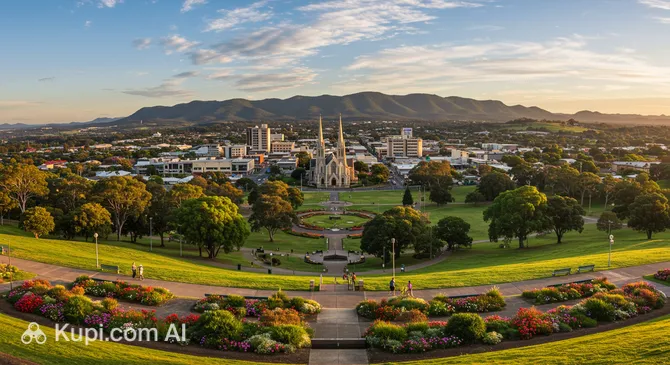
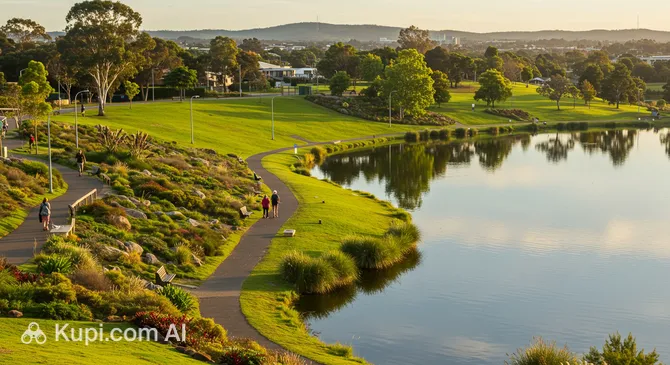
Toowoomba is a vibrant regional hub that perfectly blends country charm with modern urban living. Known affectionately as the "Garden City," it is renowned for its stunning parks, tree-lined streets, and colorful floral displays. Perched high on the edge of the Great Dividing Range in Queensland, Australia, the city offers breathtaking views and a refreshing climate that is distinct from the coastal humidity.
Toowoomba. Illustration.
Source: Kupi.com AI
With a population of over 135,000, it serves as the commercial center of the Darling Downs. The city's rich heritage is evident in its well-preserved architecture and historic landmarks. Visitors interested in the past can explore the fascinating history of Toowoomba, which traces its development from a small settlement to a thriving agricultural capital.
Travelers are drawn to the city for its famous Carnival of Flowers, held every September, which transforms the area into a spectacular floral showcase. Other must-visit spots include Picnic Point, offering panoramic vistas of the Lockyer Valley, and the Cobb+Co Museum, home to the National Carriage Collection. Whether you are seeking a peaceful retreat or a cultural adventure, Toowoomba provides a welcoming and memorable destination for all.
Weather Overview
The weather in Toowoomba is characterized by a mild and distinct climate, largely owing to its elevation on the Great Dividing Range. Unlike the humid coastal regions, the city experiences four separate seasons, making it a comfortable destination throughout the year. Visitors can generally enjoy fresh, clean air and cooler temperatures compared to other parts of Queensland.
During the summer months from December to February, the city is at its warmest, with average temperatures ranging from 23.9°C to 24.7°C. January is typically the hottest month, where maximum temperatures can reach 30.2°C. This period also sees a higher frequency of rainfall, with about 9 to 10 wet days per month. In contrast, winters (June to August) are crisp and cool. July is usually the coldest month, with average lows dipping to 6.9°C and highs around 18.2°C, accompanied by fewer rainy days.
Expect warm summers with occasional rain and cool, dry winters. Spring and autumn are particularly delightful times to visit, offering moderate temperatures that are perfect for exploring the city's famous parks and gardens.
Average monthly temperature
Average monthly precipitation
Interesting Facts
Beyond the manicured gardens and historic streetscapes, Toowoomba holds a treasure trove of fascinating stories and unique claims to fame. Dig a little deeper, and you will discover a city with a quirky past and some surprising origins.
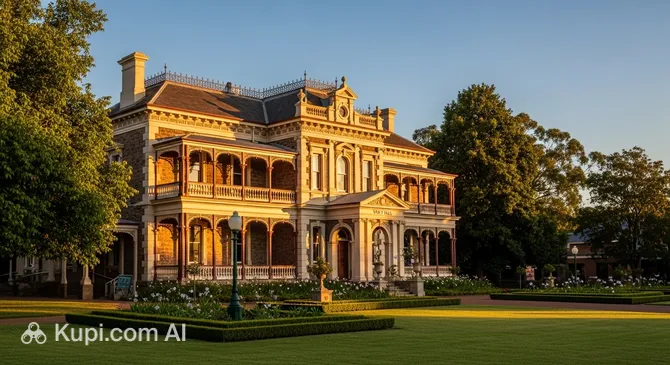
Vacy Hall. Illustration.
Source: Kupi.com AI
Traveler photos:
The Lamington Origin: Local lore strongly suggests that the iconic Australian dessert, the Lamington, was invented here. It is believed to have been created at Harlaxton House in 1896 for the Governor of Queensland, Lord Lamington, when the chef had to quickly improvise a treat for unexpected guests.
Ghost Capital: Toowoomba is frequently cited as one of the most haunted cities in the country. Heritage buildings like Vacy Hall are central to these spooky legends, with numerous reports of paranormal activity drawing ghost hunters from all over.
Volcanic Roots: The city’s elevation and fertile soil are the result of ancient volcanic activity. Toowoomba sits on the edge of an extinct volcano, creating the nutrient-rich red earth that allows the floral displays in Queens Park and private gardens to thrive so vividly.
Medical Milestone: The city holds a notable place in medical history, as it was the site of the first successful appendectomy performed in Australia. This life-saving procedure took place at the local hospital in the late 19th century, setting a precedent for modern surgery in the region.
How to Get There
Reaching the "Garden City" is quite convenient, with options ranging from direct regional flights to scenic drives from nearby capital cities. Whether you are arriving from within Australia or from overseas, you can choose the route that best fits your itinerary. For a complete breakdown of all transport modes, you can read more about how to get to Toowoomba on our detailed page.
The most direct way to arrive by air is via Toowoomba Wellcamp Airport (WTB). Located just 15.3 km from the city center, this facility serves as the primary local gateway for domestic travelers. A taxi or shuttle transfer from here into town is quick, typically taking around 20 to 25 minutes. Although smaller than the capital city hubs, it offers the distinct advantage of landing right on the doorstep of the region.
For international visitors or those seeking more flight connections, Brisbane Airport (BNE) is the most significant option. It is located in the city of Brisbane, approximately 117 km away from Toowoomba. While it is not in the city itself, the drive west to Toowoomba is straightforward and takes about 1 hour and 30 minutes to 2 hours, depending on traffic. Shuttle buses and car rental services are readily available at the terminal, making the transfer seamless.
For clarity, here is a summary of the main airports:
In addition to air travel, Toowoomba is a major transport hub easily accessible by road. It sits at the top of the Great Dividing Range at the junction of the Warrego and New England Highways. Regular coach services connect the city with Brisbane and other regional centers, offering a comfortable alternative for those who prefer ground transport.
Main Attractions
Toowoomba offers a delightful mix of heritage, culture, and natural beauty, making it a perfect destination for a relaxing getaway. From world-class museums to meticulously manicured gardens, the city's attractions cater to history buffs, nature lovers, and families alike. Here are some of the top places to explore during your visit.
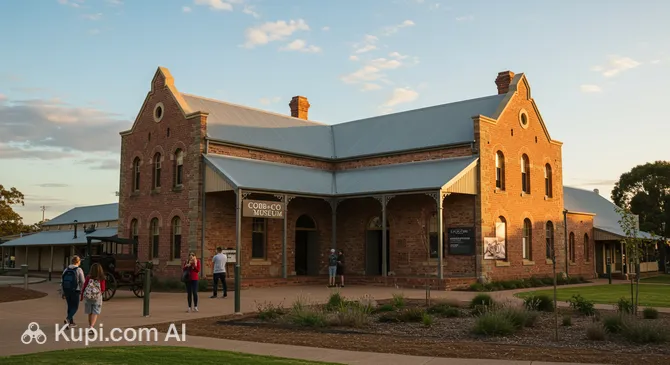
A visit to the Cobb+Co Museum is an absolute must for anyone interested in Australia's transport history. Part of the Queensland Museum Network, it houses the National Carriage Collection, featuring a vast array of horse-drawn vehicles. Tourists love the interactive displays and the opportunity to participate in heritage trade workshops like blacksmithing and silversmithing. It provides a fascinating glimpse into the era when stagecoaches were the lifeline of the outback.
Cobb+Co Museum. Illustration.
Source: Kupi.com AI
Traveler photos:
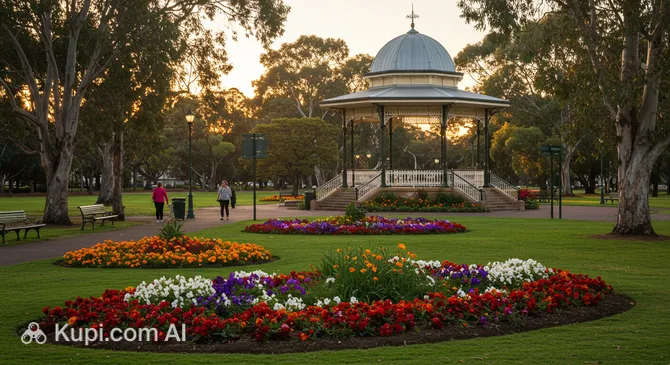
For those who appreciate the outdoors, Queens Park serves as the city's green heart. Located just a short walk from the central business district, this sprawling parkland is divided into recreational areas and a stunning Botanic Garden. It is particularly famous for its vibrant floral displays during the Carnival of Flowers in September. Visitors can stroll under grand old trees, enjoy a picnic on the lawns, or let children burn off energy at the well-equipped playgrounds.
Queens Park. Illustration.
Source: Kupi.com AI
Traveler photos:
Another horticultural gem is Laurel Bank Park, known for its exquisite scented gardens designed specifically for the visually impaired. This park features manicured garden beds, unique topiary displays, and a serene atmosphere that invites relaxation. It is a favorite spot for photographers and nature enthusiasts who want to admire exotic plants and seasonal blooms in a peaceful setting.
If you have a passion for flowers, the Queensland State Rose Garden in Newtown Park is a spectacular sight. Boasting thousands of rose bushes in hundreds of varieties, the garden is a riot of color and fragrance, especially during the peak blooming seasons of spring and autumn. It is an ideal location for a leisurely walk, offering plenty of picnic shelters and BBQ facilities for a lovely afternoon out.
Local Cuisine
Local Cuisine:
Toowoomba’s culinary scene is a delightful reflection of its location on the edge of the fertile Darling Downs. Often referred to as Queensland’s "food bowl," the region provides local chefs with an abundance of fresh, high-quality produce, ranging from grain-fed beef to seasonal vegetables. The city has developed a sophisticated dining culture that rivals its metropolitan neighbors, characterized by a booming café society, hidden laneway gems, and historic pubs that serve hearty country meals.
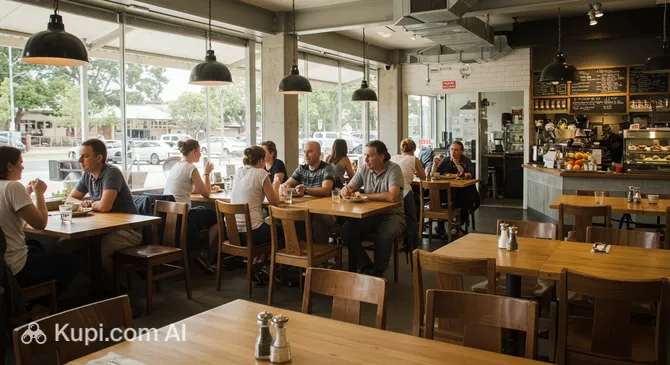
Coffee lovers will find themselves spoiled for choice, as the city takes its caffeine seriously. The laneway culture here is thriving, offering cozy spots tucked away from the main streets. Ground Up Cafe is a prime example of this trend. Located in a vibrant back alley, it is a favorite among locals for its eclectic atmosphere and excellent brews. Whether you are looking for a quick espresso or a relaxed brunch, the city's cafes provide a welcoming environment to start your day.
Ground Up Cafe. Illustration.
Source: Kupi.com AI
Traveler photos:
For those seeking a modern dining experience, Sweet Talk Coffee offers a bright and airy setting at the Longs Quarter development. It is well-regarded for its creative menu and aesthetic appeal, making it a perfect stop for foodies. The emphasis in these establishments is often on "paddock to plate" dining, ensuring that the flavors on your plate are as fresh and local as possible.
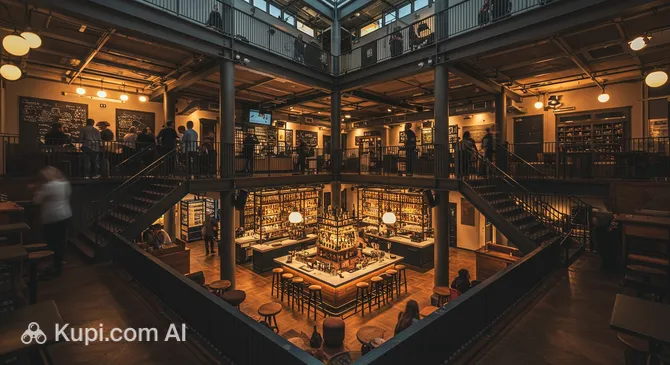
As evening falls, the city's nightlife comes alive, blending history with contemporary style. Muller Bros is a standout destination, housed in a heritage building that has been transformed into a multi-level dining and entertainment precinct. Its rooftop bar is particularly popular, offering diners the chance to enjoy a drink under the stars while overlooking the city center. It captures the essence of Toowoomba’s ability to merge the old with the new seamlessly.
Muller Bros. Illustration.
Source: Kupi.com AI
Traveler photos:
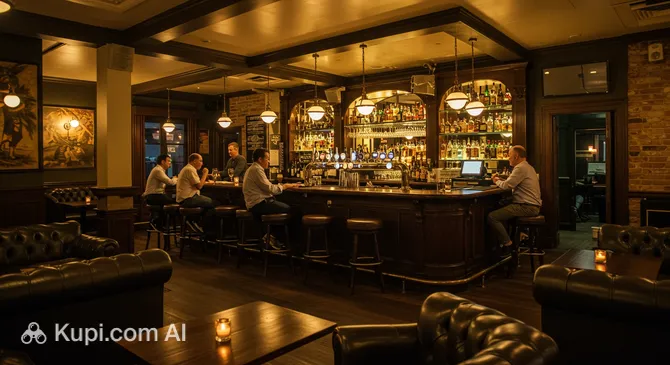
If you prefer a more traditional pub atmosphere, The Irish is a classic choice. Known for its warm hospitality and spirited vibe, it serves up quintessential pub fare and a wide selection of beverages. It is a great place to mingle with friendly locals and experience the down-to-earth charm that the region is famous for.
Travel Tips
To ensure your visit to the "Garden City" is as enjoyable and smooth as possible, we have compiled a list of practical advice. While Toowoomba is a friendly and welcoming regional center, keeping these tips in mind will help you navigate the local climate, culture, and logistics with ease.
Pack layers for the climate. Toowoomba sits at an elevation of 700 meters, making it significantly cooler than the coastal city of Brisbane. Even in summer, evenings can get crisp, and winters (June to August) can be quite cold with temperatures dropping into single digits. Bring a warm jacket and layers regardless of the season, along with comfortable walking shoes for exploring the extensive parks.
Consider renting a car. While there is a public bus network (TransLink) and taxis are available, the best way to explore Toowoomba and the surrounding Darling Downs region is by car. This gives you the freedom to visit scenic lookouts like Picnic Point or drive to nearby country towns at your own pace.
Manage your finances easily. The currency is the Australian Dollar (AUD). Credit and debit cards are widely accepted almost everywhere, from cafes to museums. ATMs are plentiful in the CBD and shopping centers. Tipping is not mandatory in Australia, but rounding up the bill or leaving a small tip for exceptional service is appreciated.
Prioritize sun safety. Do not let the cooler mountain air deceive you; the UV index in Queensland is very high year-round. Always wear high-SPF sunscreen, a hat, and sunglasses, even on cloudy days. Pharmacies are readily available throughout the city for any health essentials, and the emergency number for police, fire, or ambulance is 000.
Stay connected. English is the primary language, often spoken with a relaxed Australian accent. Free Wi-Fi is often available in the city library, major shopping centers, and many cafes. If you need mobile data, you can easily purchase a pre-paid SIM card at supermarkets or convenience stores.
Embrace the country hospitality. Locals in Toowoomba are known for being polite and friendly. It is common to greet shop assistants and bus drivers with a smile or a "hello." When using public transport, it is polite to thank the driver as you disembark.
Respect the gardens. As the city takes immense pride in its status as the "Garden City," do not pick flowers from public parks or walk through garden beds. The floral displays, especially in Queens Park and Laurel Bank Park, are meticulously maintained, and damaging them is frowned upon.
Check opening hours. Be aware that unlike major capital cities, trading hours here can be a bit more traditional. Some cafes may close in the early afternoon, and retail shops often close by 5:00 PM, with limited trading hours on Sundays. It is wise to check schedules in advance for dinner or weekend shopping.
By following these simple guidelines, you will be well-prepared to experience the best of Toowoomba's charm. Whether you are here for the flowers, the history, or the fresh mountain air, a little preparation goes a long way in making your trip unforgettable.
Entertainment & Nightlife
Entertainment and Nightlife:
Toowoomba’s nightlife has evolved significantly in recent years, transforming from a quiet country town into a lively regional center with a diverse range of evening entertainment. The city center, particularly around Ruthven and Margaret Streets, serves as the primary hub for after-dark activities. Here, visitors can find everything from historic pubs that have stood for over a century to slick, modern cocktail bars and energetic nightclubs. The atmosphere is generally relaxed and welcoming, reflecting the friendly nature of the locals, though the energy ramps up considerably on Friday and Saturday nights.
For those looking to experience the vibrant club scene, The Cube Hotel is a prominent destination in the heart of the CBD. It is well-known for its lively atmosphere, often hosting DJs and live entertainment that draws a younger crowd looking to dance the night away. The venue offers a modern setting with multiple areas to socialize, making it a staple of the local weekend circuit.
The Cube Hotel. Illustration.
Source: Kupi.com AI
Traveler photos:
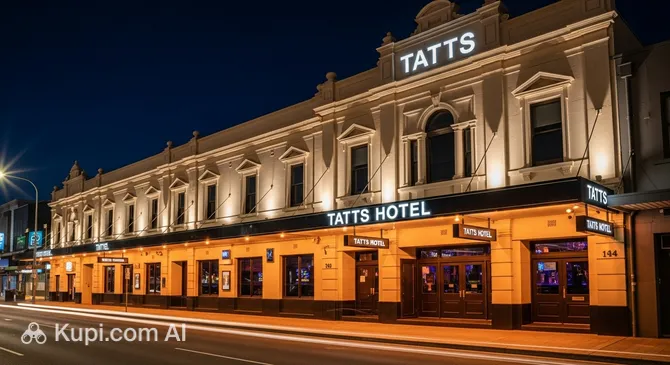
Another key player in the nightlife district is the Tatts Hotel. This historic establishment combines the charm of a traditional pub with contemporary entertainment facilities. It is a versatile venue where you can enjoy a casual drink in the front bar or head to the gaming and lounge areas. It attracts a mixed crowd, from locals catching up after work to visitors soaking in the classic Australian hotel vibe.
Tatts Hotel. Illustration.
Source: Kupi.com AI
Traveler photos:
When planning a night out, it is helpful to know that the dress code in most Toowoomba venues is smart casual. While some of the more upscale bars and clubs may require collared shirts for men and discourage thongs (flip-flops) after dark, the rules are generally less rigid than in major capital cities. Entry fees are rare, except for special events or major club nights. The cost of drinks and food is also typically more affordable than in Brisbane or the Gold Coast.
Safety is a priority in the city, and the main entertainment precincts in the CBD are well-lit and generally safe for walking between venues. However, as with any city, it is advisable to stay in groups and avoid unlit shortcuts late at night. For transport, taxi ranks are located on major streets, and rideshare services are readily available. If you are staying in the city center, many hotels are within walking distance of the main nightlife strips.
During the daylight hours, the entertainment options shift towards culture and leisure. The city is home to the majestic Empire Theatre, Australia's largest regional theater, which hosts plays, concerts, and ballets. For shopping enthusiasts, Grand Central Shopping Centre offers a comprehensive experience with major retail brands, a cinema complex, and a dining quarter, providing plenty of indoor entertainment for families and groups.
Parks & Museums
Toowoomba lives up to its "Garden City" reputation with an abundance of verdant spaces and a deep respect for its cultural heritage. Beyond the well-trodden paths of its major festivals, the city offers a variety of serene parks and insightful museums that allow visitors to connect with the local environment and history.
One of the most picturesque spots for a quiet afternoon is Lake Annand Park. Located along the city’s watercourse, this man-made lake is a favorite among locals for its tranquil atmosphere and birdlife. A distinctive curved bridge spans the water, providing a perfect vantage point for photos or watching the ducks glide by. The park features lush lawns, barbecue facilities, and New Zealand flax plantings, making it an ideal location for a relaxed family picnic away from the bustling city center.
Lake Annand Park. Illustration.
Source: Kupi.com AI
Traveler photos:
For sweeping views that stretch as far as the eye can see, a visit to Picnic Point is essential. Perched on the crest of the Great Dividing Range, this parkland offers dramatic lookouts over the Lockyer Valley and Tabletop Mountain. It is more than just a viewpoint; the area encompasses diverse walking trails, a waterfall, and beautifully maintained garden beds. It serves as a gateway to the region's natural beauty, allowing you to experience the dramatic landscape that defines this part of Queensland.
While the city is famous for its outdoor spaces, its cultural institutions are equally engaging. The Cobb+Co Museum stands as the premier destination for history enthusiasts. As part of the Queensland Museum Network, it preserves the legacy of the horse-drawn era with an exceptional collection of carriages. Beyond the vehicles, the museum hosts heritage trade workshops, allowing visitors to see traditional skills like blacksmithing kept alive by artisan craftsmen.
Art lovers should explore the Toowoomba Regional Art Gallery, located near the City Hall. It houses three permanent collections, including the Lionel Lindsay Gallery and Library, which features significant Australian works. The gallery frequently rotates exhibitions, showcasing everything from contemporary local art to historical pieces that narrate the evolution of the Darling Downs. For architecture buffs, the nearby Empire Theatre is an Art Deco masterpiece that serves as the city's performing arts hub and is well worth admiring from the street or during a show.
Insider Tip: For a truly Zen experience, seek out Ju Raku En, Australia's largest traditionally designed Japanese stroll garden, located at the University of Southern Queensland. It is often quieter than the central parks and offers a meticulously designed landscape of streams, rocks, and azaleas that changes beautifully with the seasons.
Getting Around
The public transport system in Toowoomba is straightforward and primarily relies on a network of bus services. Unlike larger capital cities, there are no metros, trams, or trolleybuses here. The city is serviced by Bus Queensland, which operates under the Translink banner, connecting the central business district (CBD) with major suburbs, shopping centers like Grand Central, and the University of Southern Queensland. For most tourists, the bus network is sufficient for getting around the main areas of town.
The payment system is integrated with the wider South East Queensland network, which is very convenient if you are traveling from Brisbane or the Gold Coast. The most cost-effective way to pay is using a go card, a contactless smart card. You simply tap the card on the reader when boarding and tap off when disembarking. While you can still purchase single paper tickets on board using cash, using a go card is significantly cheaper and faster. Fares are calculated based on the number of zones you travel through, though most trips within the city fall into a single zone.
For practical advice, it is highly recommended to purchase a go card at newsagents, convenience stores, or the Toowoomba Bus Station upon arrival. You can also use the Translink app to plan your journey in real-time. Be aware that bus services are most frequent on weekdays. Service frequency drops on Saturdays, and on Sundays or public holidays, buses may run on a very limited schedule or not at all depending on the route. Always check the timetable in advance if you plan to travel on weekends.
When waiting at a bus stop, remember to signal the driver by raising your hand as the bus approaches, otherwise, they may not stop. Once on board, press the "stop" button well before your destination. The main interchange is located on Bell Street in the CBD, which serves as the central hub for almost all routes.
Given the regional nature of the city, many visitors find that alternatives to public transport offer more flexibility. Taxis and rideshare services like Uber are widely available and are often the best choice for evening travel when bus services have finished. If you plan to explore the surrounding Darling Downs region or visit attractions on the outskirts, renting a car is arguably the most efficient option. The city is easy to navigate by car, and parking is generally readily available.
While there is a railway station in the city, it does not serve local commuter traffic. The historic Toowoomba Railway Station is a stop for the long-distance Westlander train and serves as a terminal for coach connections to Brisbane, but it is not used for getting around the city itself. Therefore, do not expect to use trains for daily sightseeing within the city limits.
Accommodation
Finding the perfect place to stay in Toowoomba is easy, as the city offers a diverse array of accommodation options to suit every budget and style. Visitors can choose from affordable motor inns and classic motels, which are plentiful along the main highways, to self-contained apartments and luxury boutique stays. The city is particularly renowned for its charming bed and breakfasts and heritage guesthouses, which allow travelers to experience the region's historic character firsthand.
For those who prioritize convenience, the Central Business District (CBD) is an excellent area to base yourself. Staying here places you within walking distance of major shopping precincts, cafes, and street art lanes. Alternatively, the leafy suburb of East Toowoomba is highly recommended for a quieter, more scenic experience. This area is close to the beautiful Queens Park and features tree-lined streets that look spectacular, especially during autumn and spring.
Toowoomba’s accommodation scene often blends history with modern comfort. A standout example is Vacy Hall, a magnificent heritage-listed property that offers a unique glimpse into the city's grand past. Surrounded by established gardens, it provides a tranquil retreat just minutes from the center. For travelers seeking a more contemporary vibe in the heart of the action, The Cube Hotel offers modern suites and easy access to the city's vibrant nightlife and dining options.
Booking Tip: If you are planning to visit during the Carnival of Flowers in September, it is essential to book your accommodation several months in advance. This is the city's busiest tourist season, and hotels often reach full capacity very quickly.
In terms of pricing, Toowoomba is generally more affordable than the coastal capital cities. You can expect to find budget-friendly motels and mid-range hotels offering excellent value for money. Luxury heritage stays and serviced apartments are available at a higher price point but offer premium amenities. Booking can easily be done through major online travel platforms or directly with the properties, which sometimes offer special seasonal rates.
Nearby Cities
For those looking to explore the surroundings, Toowoomba serves as an excellent base for day trips to several interesting nearby locations. The region offers a mix of bustling urban centers, coastal retreats, and historic towns, all within a comfortable driving distance.
Brisbane, the state capital, is a popular choice for visitors wanting to experience a vibrant river city. Located just over an hour's drive east, it offers world-class dining, the stunning South Bank cultural precinct, and extensive shopping opportunities. Visitors can stroll through the City Botanic Gardens, visit the Queensland Art Gallery, or simply enjoy the dynamic atmosphere of a major metropolis before returning to the cooler mountain air of Toowoomba.
For those seeking sun and surf, the Gold Coast is a renowned destination further south. Famous for its pristine beaches, energetic nightlife, and exciting theme parks, it provides a complete contrast to the garden city's relaxed country vibe. Whether you want to catch a wave at Surfers Paradise or explore the hinterland, it makes for an action-packed day out.
Closer to home lies Ipswich, one of Queensland's oldest cities. It shares a rich heritage connection with Toowoomba and is known for its well-preserved historical buildings and the impressive Workshops Rail Museum. It is an ideal stop for history buffs and offers a charming, laid-back atmosphere that complements a trip to the Darling Downs.
City
Population
Distance
Highfields
9 474
12 km
Oakey
7 000
26 km
Spring Creek
—
37 km
Kings Creek
—
38 km
Warwick
12 222
73 km
These nearby destinations offer a glimpse into the diverse culture and landscapes of the region, allowing travelers to easily expand their itinerary beyond the Great Dividing Range.
Shopping & Souvenirs
Shopping in Toowoomba offers a relaxed yet comprehensive experience, blending the convenience of modern retail hubs with the charm of country boutiques. As the commercial center of the Darling Downs, the city caters to both locals and visitors with a wide range of options, from high-end fashion and popular Australian brands to unique handcrafted goods found in smaller specialty stores.
The heart of the city's retail scene is found in the Central Business District (CBD), particularly along Margaret Street and Ruthven Street. These thoroughfares are lined with independent boutiques, homeware stores, and heritage buildings that house eclectic shops. Exploring the laneways branching off these streets often reveals hidden gems, vintage clothing stores, and cozy cafes perfect for a coffee break between purchases.
For a complete retail experience under one roof, Grand Central Shopping Centre is the premier destination. Located in the city center, it features major department stores, supermarkets, and over 140 specialty shops, along with a cinema and dining precinct. It serves as the main fashion hub for the region.
Grand Central Shopping Centre. Illustration.
Source: Kupi.com AI
Traveler photos:
Another popular option is Clifford Gardens Shopping Centre, located a short drive west of the CBD. It provides a convenient range of stores, including large supermarkets and essential services, making it a practical stop for travelers stocking up on supplies.
To experience the local flavor, visitors should head to the Toowoomba Farmers Market, held every Saturday morning near the Cobb+Co Museum. It is the perfect place to buy fresh regional produce, artisan bread, and gourmet treats directly from the growers. On Sundays, the PCYC Markets offer a more traditional flea market vibe with a mix of plants, crafts, and second-hand treasures.
When looking for souvenirs, consider items that reflect the region's agricultural and artisan heritage. Popular choices include locally made jams and honey, handmade soaps, or leather goods that nod to the city's history with the Cobb & Co stagecoaches. Indigenous art and Australian opal jewelry are also sought-after items available in specialty stores and galleries around the city.
Most shops operate from 9:00 AM to 5:00 PM on weekdays and Saturdays, with Sunday trading hours often being shorter or limited to major centers. Thursday is typically the "late-night shopping" day, where major retailers stay open until 9:00 PM. Credit and debit cards (Visa, Mastercard) are universally accepted, though carrying some cash is useful for smaller market stalls.
International tourists may be eligible for the Tourist Refund Scheme (TRS). If you spend $300 AUD or more (including GST) in a single store within 60 days of your departure from Australia, you can claim a refund of the Goods and Services Tax upon leaving the country at the airport, subject to specific conditions.