Support

Sunshine Coast

About

The Sunshine Coast is a radiant jewel in the crown of Queensland, offering a perfect blend of laid-back beach culture and lush hinterland charm. As one of the most popular holiday destinations in Australia, this region is celebrated for its pristine coastline, endless sunny days, and a relaxed atmosphere that instantly puts visitors at ease. Whether you are seeking a surfing adventure or a quiet retreat in nature, the area provides an idyllic backdrop for travelers of all ages.

Geographically, the region stretches north from the state capital, Brisbane, encompassing a diverse landscape that ranges from rolling surf beaches to volcanic peaks. Home to a growing population of approximately 349,000 residents, the city maintains a welcoming community feel despite its size. The subtropical climate ensures warm summers and mild winters, making it a year-round destination for outdoor enthusiasts.
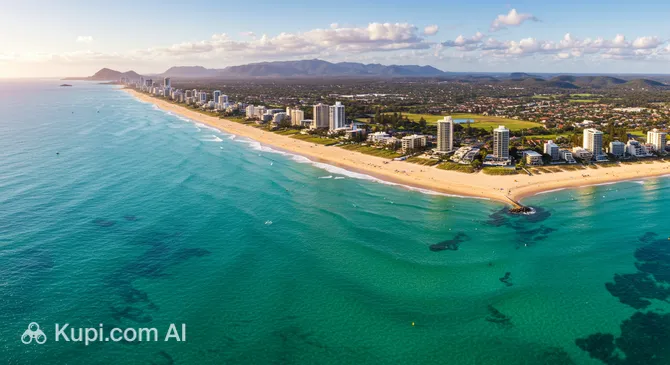
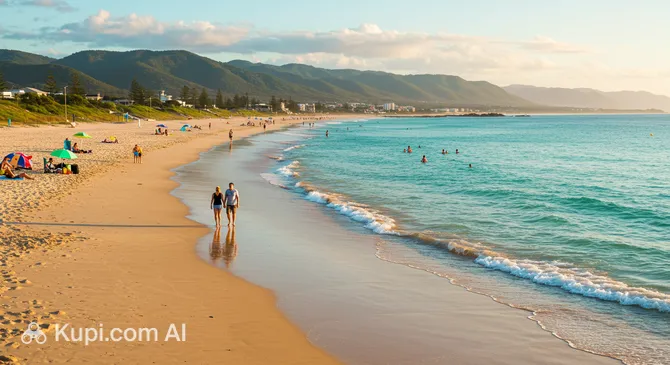
Sunshine Coast. Source: Kupi.Binoculars

While the area is famous for its modern resorts and natural beauty, the history of the Sunshine Coast is equally fascinating, tracing back to its Indigenous heritage and early European settlement. Today, the region seamlessly integrates its past with a vibrant contemporary lifestyle, offering bustling markets and cultural festivals that reflect its unique identity.

Visitors are spoiled for choice when it comes to attractions. The majestic Glass House Mountains offer spectacular hiking trails and panoramic views, while the chic resort town of Noosa Heads is renowned for its boutique shopping and the stunning Noosa National Park. For wildlife lovers, the world-famous Australia Zoo provides an unforgettable encounter with native fauna.

With its combination of golden sands, green valleys, and friendly locals, the Sunshine Coast invites you to experience a truly rejuvenating escape. It is a destination that promises not just a holiday, but a chance to reconnect with nature and enjoy the simple pleasures of life.
Weather Overview

True to its name, this region enjoys a subtropical climate that makes it a fantastic destination at any time of the year. Visitors can generally look forward to comfortable temperatures and plenty of opportunities for outdoor activities. To help plan your trip effectively, it is worth checking the detailed weather in Sunshine Coast before you pack.

The summer months of December through February are the warmest, with average temperatures hovering around 25°C and daily highs reaching up to 28.1°C in January. This period is also characterized by higher humidity and more frequent rainfall, with January and February seeing approximately 16 to 17 wet days each. In contrast, the winter season from June to August offers cooler, crisp conditions. July is typically the coldest month, with an average temperature of 15.7°C and lows dipping to around 11.4°C, yet it remains one of the driest times of the year with significantly fewer rainy days.

Spring and autumn provide a pleasant balance, although March can be surprisingly wet with up to 21 rainy days recorded. Overall, travelers should expect warm summers with occasional rain and mild, largely dry winters, ensuring that the beaches and hinterland can be enjoyed year-round.

Interesting Facts

Beyond the famous surf breaks and golden sands, the Sunshine Coast holds many fascinating secrets and historical quirks that often go unnoticed by the casual visitor. From ancient geological formations to hidden natural oases, here are some intriguing facts that make this region truly unique.

  • The iconic Glass House Mountains were named by Lieutenant James Cook in 1770. As he sailed past, the distinct volcanic peaks reminded him of the glass furnaces (glasshouses) back in his native Yorkshire, England, a name that has stuck for over two centuries.

  • The region is home to the world's largest operating ginger factory, located in Yandina. This facility not only processes thousands of tonnes of ginger annually but also serves as a major producer of the world's confectionery ginger, making it a sweet spot for history and agriculture alike.

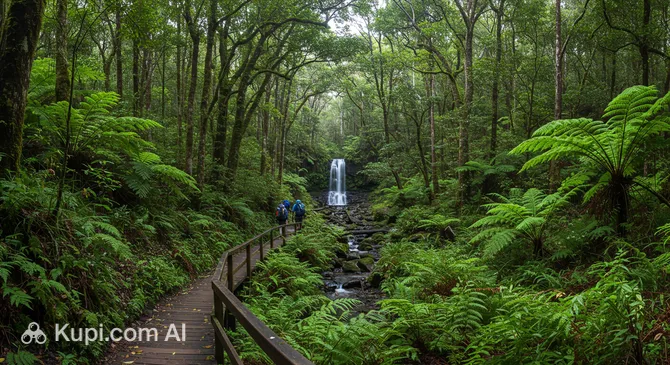
  • Hidden surprisingly close to the suburban bustle is Buderim Forest Park, a lush 45-hectare rainforest sanctuary. It contains a stunning waterfall known locally as "Serenity Falls," offering a tranquil tropical escape just minutes from the town center.

  • The waters off Mooloolaba conceal a massive underwater secret: the Ex-HMAS Brisbane. This decommissioned guided-missile destroyer was deliberately scuttled in 2005 to create an artificial reef, and it is now ranked among the top dive sites in Australia, teeming with marine life.

Buderim Forest Park. Source: Kupi.Binoculars

How to Get There

Reaching this coastal paradise is convenient, with multiple transport options available depending on your starting point. Whether you prefer flying directly into the region or taking a scenic drive from a neighboring city, the journey is part of the adventure. For a comprehensive guide on all available routes, you can read more about how to get to Sunshine Coast.

The most direct way to arrive is via the Sunshine Coast Airport (IATA: MCY), located just 5.5 km from the city center. As the primary gateway to the region, it welcomes domestic flights from major Australian capitals and seasonal international services. A taxi or shuttle from here to the heart of the coast typically takes around 30 minutes, making it an incredibly hassle-free option for travelers.

Alternatively, many international visitors choose to fly into Brisbane Airport (IATA: BNE), located in the city of Brisbane, approximately 81 km south of the Sunshine Coast. As a major international hub, it offers a wider range of flight connections. From Brisbane, you can reach the Sunshine Coast by renting a car or taking a shuttle bus, with the journey taking approximately 2 hours depending on traffic conditions.

For clarity, here is a summary of the main airports:

Airport Name City Passenger Traffic Km from City
Brisbane Airport Brisbane Large 81.1
Gold Coast Airport Gold Coast Medium 172.5
Sunshine Coast Airport Sunshine Coast Medium 5.5
Hervey Bay Airport Hervey Bay Small 148.9
Toowoomba Wellcamp Airport Toowoomba Small 162.9

While there is no train station located directly on the beachfronts of the Sunshine Coast, the region is well-connected to the Queensland Rail network. Trains run regularly from Brisbane to hinterland stations such as Nambour and Landsborough. From these stations, connecting "Railbus" services operate frequently to transport passengers to popular coastal destinations like Caloundra, Mooloolaba, and Maroochydore. This combination of train and bus offers a scenic and relaxed way to travel north from the state capital.

Main Attractions

The Sunshine Coast is brimming with diverse experiences, from pristine shorelines to engaging family activities. One of the absolute must-visit locations is Mooloolaba Beach. Renowned for its pure white sand and sheltered waters, it is widely considered one of the safest swimming beaches in the region. The beachfront is lined with a vibrant esplanade full of cafes and barbecue areas, making it the perfect spot for a relaxed day by the ocean.

Mooloolaba Beach. Source: Kupi.Binoculars

Just a short stroll from the sand lies The Wharf Mooloolaba, a bustling precinct that serves as a hub for dining, shopping, and entertainment. It is a fantastic place to soak up the maritime atmosphere, enjoy a meal overlooking the marina, or embark on a canal cruise. The precinct's architecture and lively vibe make it a favorite gathering spot for both locals and tourists seeking a good time.

For those who love shopping with a view, Sunshine Plaza in Maroochydore offers a unique retail experience. Unlike typical malls, this center is built over a natural waterway, allowing visitors to hire paddle boats or simply enjoy the river breeze while browsing major international brands and local boutiques. It serves as the region's largest shopping destination and a social center for the community.

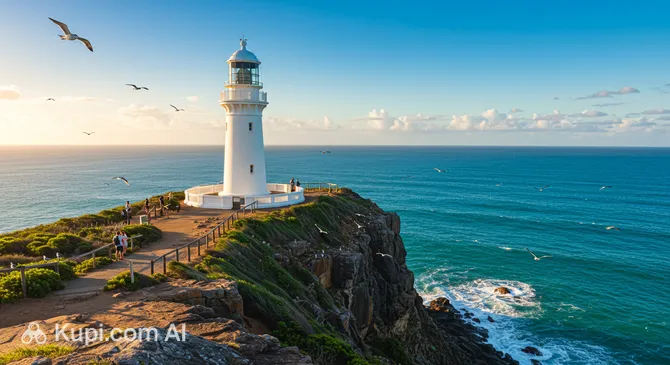
Nature enthusiasts seeking panoramic views should head to the Point Cartwright Lighthouse. Located at the mouth of the Mooloolah River, the headland offers spectacular coastal scenery and is a popular vantage point for spotting migrating whales during the season. The surrounding parklands provide excellent walking tracks and picnic spots, perfect for a peaceful afternoon surrounded by the sound of crashing waves.

Point Cartwright Lighthouse. Source: Kupi.Binoculars

Families looking for a touch of whimsy and challenge will find Amaze World to be a delightful excursion. Famous for its intricate Bellingham Maze, this attraction features a variety of puzzles, mini-golf, and immersive environments that captivate children and adults alike. It is a magical place to get lost in fun and test your problem-solving skills in a beautiful garden setting.

Local Cuisine

Local Cuisine:

The culinary landscape of the Sunshine Coast is as diverse and inviting as its geography, defined by a "paddock-to-plate" philosophy that capitalizes on the region's fertile volcanic soil and pristine ocean waters. At the heart of the local diet is an abundance of incredibly fresh seafood. The region is famously the home of Mooloolaba Prawns, which are caught in local waters and renowned worldwide for their sweet flavor and firm texture. Visitors simply cannot leave without trying a bucket of these fresh prawns, often enjoyed with a squeeze of lemon on the beach or as part of a lavish seafood platter at a waterfront restaurant.

Beyond the ocean, the lush hinterland serves as a food bowl for the region, producing a bounty of tropical fruits and nuts. You will find that dishes here frequently feature locally grown ingredients such as sweet pineapples, strawberries, and the native macadamia nut. Ginger is another local staple, with the nearby town of Yandina being a major producer. This zest finds its way into everything from savory glazes and dressings to artisan confectioneries and bakery treats, offering a unique regional twist to many standard dishes.

The dining culture on the Sunshine Coast is refreshingly relaxed, favoring open-air venues that take advantage of the subtropical climate. A quintessential experience is dining at a Surf Life Saving Club (surf club), where you can enjoy a hearty meal—typically a chicken parmigiana or fish and chips—accompanied by sweeping ocean views. For a more bohemian vibe, the region's weekend farmers' markets are legendary, offering street food that ranges from wood-fired pizzas to freshly blended smoothies.

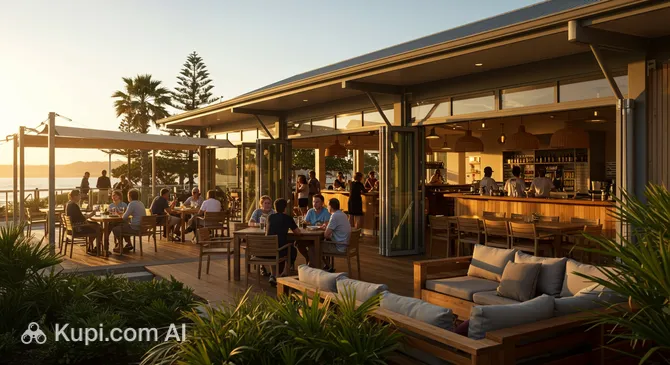
The beverage scene is equally vibrant, with a booming craft beer industry that has earned the region a reputation as a brewer's paradise. Locals take great pride in their independent breweries. A fantastic example of this local passion is Your Mates Brewing, a popular spot where you can sample distinct local ales and lagers in a friendly, community-focused atmosphere. If beer isn't your preference, the region is also famous for non-alcoholic ginger beer, a refreshing and spicy drink that perfectly suits the warm weather.

Your Mates Brewing. Source: Kupi.Binoculars

For those seeking a cozy café experience or a sophisticated dinner, the options are plentiful and varied. Hidden gems like The Velo Project offer a quirky, rustic setting perfect for brunch, showcasing the area's love for excellent coffee and creative, seasonal menus. Meanwhile, waterfront venues such as the Green Zebra Restaurant & Bar provide a modern dining experience where the focus remains strictly on fresh, high-quality produce.

Travel Tips

Welcome to the Sunshine Coast! To ensure your holiday is as relaxing as the local lifestyle, we have compiled some essential practical advice. These tips will help you navigate the region with ease, from packing the right gear to understanding local customs, allowing you to focus on making memories.

  1. Clothing and Gear: Pack lightweight, breathable clothing suitable for the warm subtropical climate. A wide-brimmed hat, quality sunglasses, and high-SPF sunscreen are absolutely essential due to the intense Australian sun. If you are visiting in winter or planning to explore the hinterland, bring a light jacket or sweater, as evenings can get crisp. Casual attire is the standard here, so comfortable sandals and walking shoes will serve you well.

  2. Transportation: While the Translink bus network connects major coastal hubs, services can be infrequent and travel times long. The most efficient way to explore the scattered beaches and scenic mountains is by renting a car. Ride-hailing apps like Uber are available in the main towns, but having your own vehicle offers the freedom to discover hidden gems at your own pace.

  3. Finances: The official currency is the Australian Dollar (AUD). Cashless payments are the norm, and credit cards are accepted almost everywhere with "tap and go" technology. ATMs are widely available in shopping centers and town strips. Tipping is not mandatory or expected as it is in some other countries, but leaving a small gratuity (around 10%) for exceptional service is a kind gesture.

  4. Health and Safety: The most critical safety rule is to respect the ocean: always swim between the red and yellow flags, which mark the area supervised by lifeguards. The sun is deceptively strong, so apply sunscreen regularly even on cloudy days. Pharmacies (often called "chemists") are easy to find for minor health needs, and for emergencies, the number to dial is 000.

  5. Communication: English is the spoken language, often delivered with a friendly, relaxed accent and local slang like "arvo" (afternoon). Free Wi-Fi is common in cafes and public areas. For reliable mobile data, especially if you venture into the hinterland, purchasing a prepaid SIM card from a major provider like Telstra or Optus at a supermarket or airport is recommended.

  6. Local Etiquette: The culture on the Sunshine Coast is incredibly laid-back and egalitarian. A friendly "G'day" or "How are you?" is the standard greeting. Locals value order and fairness, so it is important to wait your turn in queues, whether you are boarding a bus or ordering a coffee at a busy cafe.

  7. What to Avoid: Do not underestimate the power of the surf; avoid swimming at unpatrolled beaches or at night, as rips and currents can be dangerous. Additionally, avoid leaving food unattended outdoors, as local birds like the ibis or kookaburra are notorious for swooping in to steal a snack.

  8. Local Timing: Be aware that this is an "early riser" region. Many cafes open at sunrise but close their kitchens by 2:00 PM or 3:00 PM, and most retail shops shut by 5:00 PM. If you want a late lunch or afternoon coffee, it is best to check opening hours in advance to avoid disappointment.

With these practical tips in mind, you are all set to enjoy a smooth and worry-free adventure on the Sunshine Coast. Embrace the relaxed rhythm of the region, stay safe in the sun and surf, and have a wonderful time exploring this beautiful part of Australia!

Entertainment & Nightlife

While the Sunshine Coast is globally renowned for its early-morning surf culture and sun-drenched days, the region also offers a vibrant and diverse nightlife scene that comes alive as the sun sets. Unlike the high-octane clubbing intensity of the neighboring Gold Coast, the evening entertainment here is characterized by a more relaxed, sophisticated vibe. You will find a mix of chic waterfront bars, bustling night markets, and lively entertainment precincts that cater to couples, groups of friends, and families alike.

The heartbeat of the region's nightlife is undoubtedly Ocean Street in Maroochydore. This revitalized precinct is packed with tapas bars, live music venues, and restaurants that turn into energetic nightspots after dark. It is the place to be on a Friday or Saturday night if you are looking for a bustling crowd and a variety of options within walking distance. Another key area is Hastings Street in Noosa, which offers a more upscale experience with elegant cocktail lounges and award-winning restaurants perfect for a refined evening out. For a more laid-back atmosphere, the Mooloolaba Esplanade provides the perfect setting for sipping drinks with a view of the ocean.

For those seeking a fun and interactive night out, the Big Top Shopping Centre in Maroochydore is a major hub. Here, you can visit the Holey Moley Golf Club, a venue that brilliantly combines mini-golf with a full-service bar. It is a popular spot for locals and tourists to enjoy creative cocktails while navigating quirky, pop-culture-themed golf courses.

Holey Moley Golf Club. Source: Kupi.Binoculars

Just a stone's throw away in the same precinct is Strike Bowling. Far from a traditional bowling alley, this venue features dim lighting, pumping music, and a party atmosphere, making it an excellent choice for groups looking to combine activity with nightlife. If you prefer a more gastronomic focus for your evening, The Loose Goose in Twin Waters offers a fantastic selection of drinks and modern Australian cuisine in a stylish setting, perfect for a long dinner that transitions into evening drinks.

The atmosphere across the Sunshine Coast is generally "smart casual." While beachwear is the norm during the day, most bars and clubs expect patrons to dress up slightly in the evenings—thongs (flip-flops) and singlets are usually not permitted in licensed venues after 6:00 PM. Bars typically stay open until midnight or 1:00 AM, with a few designated nightclubs in Maroochydore and Noosa keeping the dance floors busy until 3:00 AM on weekends.

Regarding safety and transport, the region is very safe for night walks in populated areas like Mooloolaba and Noosa. However, public transport options like buses can be infrequent late at night. It is highly advisable to use ride-sharing services like Uber or local taxis to get back to your accommodation safely. Prices for drinks and entry fees are standard for Australia, with cocktails averaging around $18–$22 AUD.

Beyond the nightlife, the Sunshine Coast offers plenty of daytime entertainment to fill your itinerary. Culture vultures can explore regional galleries or catch a show at The Events Centre in Caloundra. For families and marine life enthusiasts, the Sunshine Coast Aquarium (SEA LIFE) is a premier attraction, offering an immersive look at the underwater world. Whether you are exploring the depths of the ocean by day or enjoying a cocktail by the river at night, the Sunshine Coast ensures every moment of your trip is memorable.

Parks & Museums

While the golden beaches often steal the spotlight, the Sunshine Coast offers an abundance of green sanctuaries and cultural institutions that are well worth exploring. From riverside picnics to aviation history, the region's parks and museums provide a delightful change of pace for visitors looking to connect with the local environment and heritage.

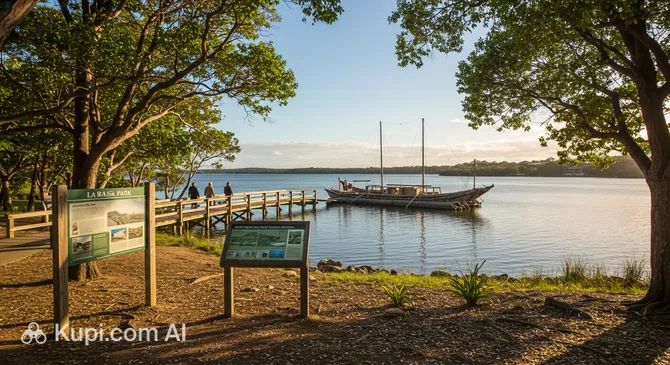
One of the most picturesque spots for a relaxing afternoon is La Balsa Park in Buddina. Situated on the banks of the Mooloolah River, this park is a favorite among locals for its calm waters and scenic walking paths. It is an idyllic location for a family barbecue or a sunset stroll, offering sweeping views of the river mouth and the passing fishing trawlers.

La Balsa Park. Source: Kupi.Binoculars

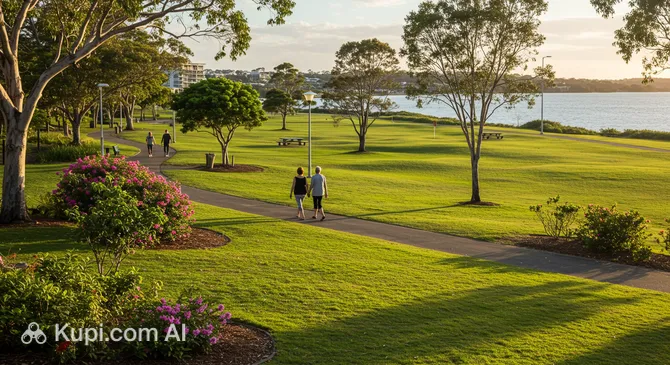
For those staying near the center of the action, Rotary Park Maroochydore (often referred to as Cotton Tree Park) is a must-visit destination. Nestled where the Maroochy River meets the ocean, this expansive green space features excellent playground facilities, shaded picnic tables, and calm shallow waters perfect for young children. Its central location makes it a vibrant community hub, often bustling with weekend markets and outdoor fitness groups.

Rotary Park Maroochydore. Source: Kupi.Binoculars

Nature lovers seeking a wilder experience should venture to the Noosa National Park. Although it requires a short drive north, it is one of Australia's most visited national parks, famous for its coastal tracks where you can spot koalas in the eucalyptus trees and dolphins playing in the bays. Closer to the hinterland, the Mary Cairncross Scenic Reserve offers a window into the past with its remnant subtropical rainforest and educational discovery center, providing breathtaking views of the Glass House Mountains.

On the cultural front, the region boasts several fascinating museums that chronicle its diverse history. Aviation enthusiasts will be impressed by the Queensland Air Museum in Caloundra, which houses the largest collection of historic aircraft in Australia. From military jets to classic passenger liners, the displays capture the spirit of flight. For art aficionados, the Noosa Regional Gallery and the Caloundra Regional Gallery showcase diverse exhibitions featuring both local and touring artists, reflecting the creative soul of the Sunshine Coast.

Getting Around

Public transport in the Sunshine Coast is managed by Translink, an integrated network that covers South East Queensland. While the system is reliable for moving between major coastal hubs, the region is geographically spread out, meaning that some planning is required to get around efficiently. The network primarily consists of buses, trains, and ferry services, designed to connect the hinterland residential areas with the popular beachside precincts.

The backbone of local transport is the bus network, operated by Sunbus. These distinct blue and white buses run frequently along the coastal strip, connecting key towns such as Caloundra, Mooloolaba, Maroochydore, and Noosa. For visitors, the most useful routes are often those that travel along the coastline, offering scenic views while transporting you between beaches and shopping centers. However, it is important to note that the railway line runs through the inland hinterland towns like Nambour and Landsborough, rather than along the coast. To reach the beach from the train station, you will typically need to transfer to a connecting "Railbus" service.

Paying for your journey is straightforward thanks to the integrated ticketing system. The most common method is the Go Card, a rechargeable smart card that offers significant discounts compared to single paper tickets. You can purchase and top up these cards at railway stations, newsagents, and select convenience stores displaying the "buy" symbol. Recently, the network has also introduced Smart Ticketing, allowing travelers to pay by simply tapping a contactless Visa, Mastercard, or American Express card, or a smartphone linked to these cards, directly on the card readers.

Fares are calculated based on the number of zones you travel through. To ensure you are charged the correct amount, you must remember to tap on at the start of your trip and tap off when you exit the bus or train station. Failure to tap off may result in a fixed fare being deducted from your balance, which is often higher than the actual cost of the trip. The Translink app is an invaluable tool for tourists, offering a real-time journey planner, fare estimates, and timetable information.

Operating hours vary by route, but generally, buses run from early morning until late evening. Frequency can drop significantly on weekends and public holidays, so checking the timetable in advance is highly recommended. On Friday and Saturday nights, some routes may have extended services to cater to the nightlife crowds, but these are limited compared to larger metropolitan areas.

While public transport is useful, many visitors find that renting a car offers the greatest freedom, especially for exploring the Glass House Mountains or secluded beaches where bus services are infrequent or non-existent. Taxis and ride-sharing services like Uber are widely available in the main tourist hubs of Noosa and Mooloolaba, providing a convenient alternative for short trips or late-night travel.

For a more scenic and leisurely mode of transport, the Noosa Ferry is a unique feature of the region. This classic riverboat service operates along the Noosa River, connecting Noosa Marina with Hastings Street. It functions as both a practical commute and a delightful sightseeing experience, allowing you to skip the traffic and enjoy the waterway views. Additionally, the region is very bike-friendly, with extensive coastal pathways making cycling a popular and healthy way to navigate short distances between beach towns.

Accommodation

Finding the perfect place to stay on the Sunshine Coast is effortless, thanks to a diverse range of accommodation options that cater to every budget and travel style. The region is particularly famous for its abundance of self-contained holiday apartments, which line the beachfronts and offer families and groups the convenience of a home away from home. Beyond apartments, visitors can choose from upscale international hotels, charming hinterland bed-and-breakfasts, bustling backpacker hostels, and well-equipped holiday parks.

When choosing where to base yourself, consider what kind of holiday you desire. Noosa Heads is the go-to destination for luxury and boutique stays, offering proximity to high-end dining and the national park. Mooloolaba is ideal for those who want to be in the center of the action, with a safe swimming beach and vibrant esplanade right on their doorstep. For a more urban experience with easy access to shopping and nightlife, Maroochydore is a strategic choice, while Caloundra in the south offers a laid-back, family-friendly atmosphere with slightly more affordable rates.

For travelers seeking a unique blend of outdoor adventure and modern comfort, Rivershore Resort on the banks of the Maroochy River is a standout option. It redefines the traditional caravan park experience by offering luxurious "glamping" safari tents alongside spacious camping sites, making it perfect for those who want to connect with nature without sacrificing amenities.

Rivershore Resort. Source: Kupi.Binoculars

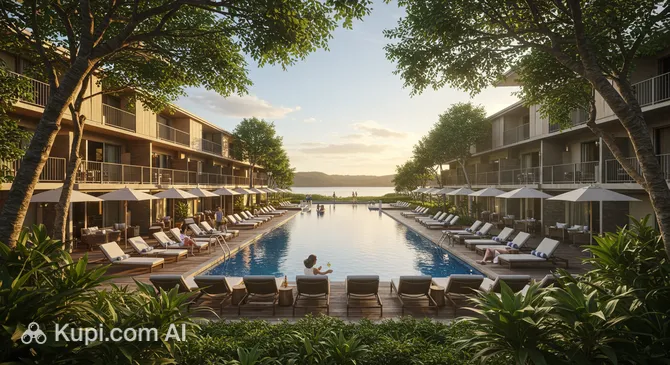
If being close to the surf is your priority, Sand Dunes Resort in Marcoola provides a tranquil escape. Situated right next to the beach, this resort features lagoon-style pools and modern apartments, offering a quieter alternative to the busier tourist hubs while still being centrally located.

Booking Tips and Prices:

Accommodation prices can vary significantly depending on the season. During Australian school holidays—especially the peak summer period from mid-December to late January—rates are at their highest, and many popular venues require a minimum stay. It is highly recommended to book at least 3 to 6 months in advance if you plan to visit during these times. Conversely, visiting during the winter months or shoulder seasons can secure you excellent deals on luxury apartments. Most bookings can be easily made via major online travel platforms or directly through the hotel websites.

Nearby Cities

For those looking to explore the surroundings, Sunshine Coast serves as an excellent base for day trips to several interesting nearby locations:

City Population Distance (km)
Brisbane 2,360,241 91
Gold Coast 638,090 150
Ipswich 163,000 111
Caloundra 41,293 17
Southport 31,908 149

Brisbane is the vibrant capital of Queensland and a perfect destination for a cultural city break. Located just over an hour's drive south, it offers a sophisticated contrast to the beach lifestyle. Visitors can explore the lush South Bank Parklands, visit world-class museums and art galleries, or enjoy shopping in the Queen Street Mall. The city is renowned for its outdoor dining scene and the scenic Brisbane River that winds through its heart.

Further south lies the Gold Coast, one of Australia's most iconic holiday destinations. Famous for its glittering skyline, high-energy atmosphere, and legendary surf breaks like Surfers Paradise, it offers a completely different vibe. It is also the "theme park capital" of the country, home to major attractions like Dreamworld and Warner Bros. Movie World, making it an exciting day trip for families and thrill-seekers.

Closer to home, Caloundra sits at the southern end of the Sunshine Coast region. While technically part of the coast, it has its own distinct charm with a retro holiday feel. It is known for its beautiful coastal path, the Pumicestone Passage, and a series of stunning beaches that are generally calmer than their northern counterparts, making it an easy and relaxing short excursion.

These nearby destinations offer a glimpse into the diverse culture and landscapes of the region.

Shopping & Souvenirs

Shopping in the Sunshine Coast is a delightful reflection of the region's lifestyle: relaxed, diverse, and often enjoyed in the open air. Rather than just a necessity, retail therapy here is an experience that ranges from browsing high-end boutiques on leafy boulevards to wandering through vibrant artisan markets. Whether you are looking for luxury fashion, surf gear, or unique handcrafted treasures, the area offers a blend of modern convenience and local charm.

For those who appreciate a sophisticated atmosphere, Hastings Street in Noosa Heads is the premier destination. This iconic strip is lined with designer fashion labels, chic homeware stores, and art galleries, all situated just steps from the sand. It is the perfect place to pick up resort wear or a unique piece of jewelry. Further south, the Mooloolaba Esplanade offers a more casual vibe, featuring surf shops and beach boutiques that cater to the coastal culture, alongside souvenir stores selling mementos of your seaside holiday.

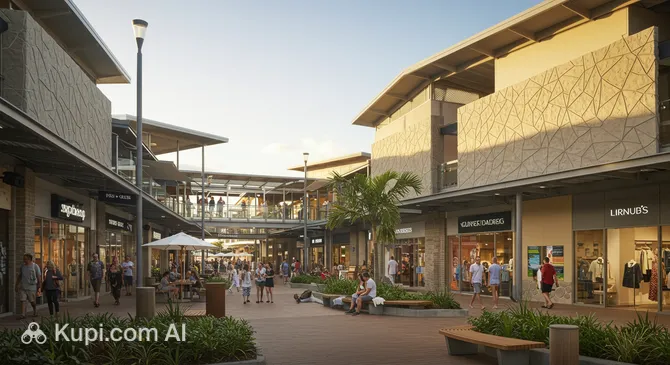
When it comes to major retail centers, the region boasts impressive facilities that integrate nature with commerce. The largest of these is Sunshine Plaza in Maroochydore. This is not your average mall; it features a stunning riverwalk setting where you can shop at major department stores and international brands while enjoying the breeze from Cornmeal Creek. Another key destination is Kawana Shoppingworld, which offers a comprehensive range of fashion, cinema, and dining options, making it a convenient one-stop hub for travelers.

Sunshine Plaza. Source: Kupi.Binoculars

No trip to the Sunshine Coast is complete without experiencing its legendary market scene. The Eumundi Markets, held every Wednesday and Saturday, are arguably the most famous in Australia. Located in the hinterland, this sprawling market is a treasure trove of locally made arts, crafts, and food. From hand-blown glass to natural skincare products, it is the ultimate spot to find something truly unique. Smaller community markets, such as the Cotton Tree Markets or the Caloundra Street Fair, also offer fantastic opportunities to buy direct from local makers.

If you are hunting for the perfect souvenir, look for goods that represent the region's rich agriculture and artistic talent. Locally grown macadamia nuts and ginger products from Yandina are popular edible gifts. The region is also known for its thriving arts community, so handmade ceramics, paintings, or indigenous art make for meaningful keepsakes. Of course, high-quality surfboards and swimwear are also staple purchases in this surf-mad part of the world.

Standard shopping hours are generally from 9:00 AM to 5:00 PM or 5:30 PM on weekdays and Saturdays, with Sunday trading often starting later around 10:00 AM and finishing by 4:00 PM. Many larger centers offer "late night shopping" on Thursdays, staying open until 9:00 PM. Electronic payments are the norm, with credit and debit cards accepted almost everywhere, though having some cash is useful for smaller market stalls.

International travelers may be eligible for the Tourist Refund Scheme (TRS), which allows you to claim a refund of the Goods and Services Tax (GST) paid on goods. To qualify, you must spend at least $300 AUD (including GST) in a single business within 60 days of your departure. The goods must be carried with you in your hand luggage (unless oversized) when you leave the country, and you will need to present your tax invoice at the TRS facility at the airport.

Reached the end of the page?

That means the route is fully explored