Support

Brisbane

About

Brisbane is a radiant metropolis that perfectly blends big-city energy with a relaxed, subtropical vibe. As the capital of Queensland, it serves as a gateway to the Gold Coast and Sunshine Coast, yet it stands firmly as a destination in its own right. Located on the eastern coast of Australia, the city is defined by the winding reaches of the Brisbane River and a climate that encourages year-round outdoor living.

With a population of approximately 2.4 million people, Brisbane is the third-most populous city in the country. It is renowned for its friendly locals and a lifestyle that revolves around the water, lush parks, and al fresco dining. The city enjoys warm, humid summers and dry, mild winters, making it an attractive spot for travelers seeking sunshine at almost any time of the year.
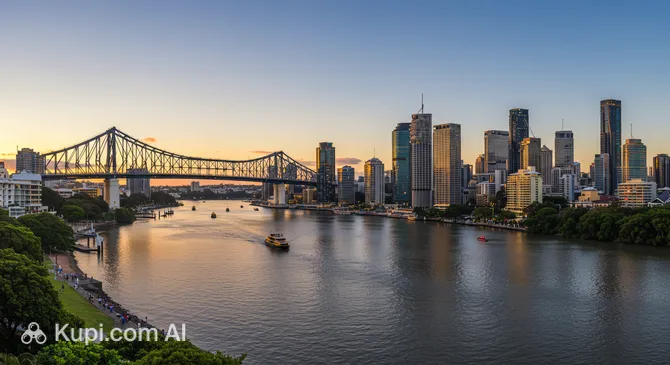
Brisbane. Source: Kupi.Binoculars

While the skyline is dominated by modern skyscrapers, the city has a fascinating past waiting to be uncovered. Exploring the history of Brisbane reveals its transformation from a harsh penal colony in the 19th century to the sophisticated, multicultural hub it is today. Heritage buildings stand alongside contemporary architecture, telling the story of the city's rapid evolution and enduring spirit.

Visitors are spoiled for choice when it comes to attractions. The South Bank Parklands are a must-visit, featuring lush gardens, cultural institutions, and Australia's only inner-city man-made beach, Streets Beach. For wildlife enthusiasts, the Lone Pine Koala Sanctuary offers the unique opportunity to cuddle a koala and hand-feed kangaroos. Adventure seekers often head to the iconic Story Bridge, one of the few cantilever bridges in the world that you can legally climb for panoramic views of the skyline and distant mountains.

Whether you are looking to explore a thriving arts scene, enjoy world-class dining, or simply soak up the sun by the river, Brisbane offers a warm welcome to every traveler. It is a city that invites you to slow down, explore at your own pace, and enjoy the very best of the Australian lifestyle.
Weather Overview

Brisbane is famous for its enviable subtropical climate, ensuring warm weather and plenty of sunshine throughout the year. Visitors can generally expect warm to hot summers with occasional showers and mild, dry winters that are ideal for outdoor activities.

During the summer months of December through February, the city experiences its highest temperatures, with daily maximums typically reaching around 28°C. This is also the wettest period; for example, February sees approximately 15 wet days. In contrast, winter (June to August) is pleasantly cool and significantly drier. Average temperatures during this season hover around 15°C, with crisp nights dropping to about 10°C. Rainfall is minimal during these months, with August often recording as few as 5 wet days.

The transitional seasons offer a comfortable balance, though March can still be quite damp with up to 18 wet days. By September, the city warms up again with averages around 19°C. To help you plan your activities and pack suitable clothing, it is helpful to check the current weather in Brisbane before your trip.

Interesting Facts

Beyond the main attractions and sunny riverside lifestyle, Brisbane holds many fascinating secrets and quirky historical details. Digging a little deeper into the city's past reveals unique stories hidden within its heritage architecture and local culture.
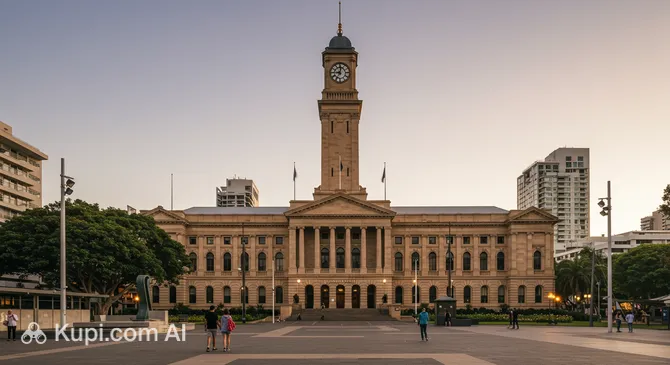
Brisbane City Hall. Source: Kupi.Binoculars
  • The magnificent Brisbane City Hall sits on surprising foundations; it was built directly on top of a swamp. To this day, a dedicated system of pumps operates continuously beneath the historic structure to manage water levels and ensure the building remains stable.

  • Australia’s famous culinary treat, the lamington, is widely believed to have been invented in Brisbane. Legend has it that the chocolate and coconut sponge cake was created by the chef of Lord Lamington, a former Governor of Queensland, either by accident or as a quick solution to feed unexpected guests.

  • The Great Court at the University of Queensland is adorned with intricate stone carvings and gargoyles. If you look closely, you can spot that the stonemasons included caricatures of contemporary figures from the 1930s and even images of themselves hidden among the traditional designs.

  • The iconic Story Bridge has a distant twin in Canada. The Jacques Cartier Bridge in Montreal was designed by the same engineer and shares a striking resemblance to Brisbane’s famous steel cantilever landmark, connecting the two cities through architectural history.

How to Get There

Reaching the capital of Queensland is convenient due to its well-connected transport network. Whether you are arriving from an international destination or travelling domestically within Australia, you can find all ways to reach the city and choose the option that best fits your travel plans. The region is served by several airports, providing flexibility depending on your starting point and budget.

The most direct route is via Brisbane Airport (IATA: BNE), which is located within Brisbane itself, approximately 13.2 km from the city center. As a major international gateway with significant passenger traffic, it offers a wide range of services and flight connections. A trip from the airport to the downtown area by taxi or shuttle generally takes between 20 and 40 minutes, depending on traffic conditions.

Travelers may also consider arriving at Gold Coast Airport (IATA: OOL), situated in the neighboring city of Gold Coast. Although it is about 90 km away from Brisbane, it is a popular alternative hub. The journey by road, such as by taxi or transfer, typically takes between 1 hour 15 minutes and 1 hour 45 minutes. Another option is Sunshine Coast Airport (IATA: MCY) in Sunshine Coast, located roughly 96 km north of the city. A drive from this airport to Brisbane usually takes a similar amount of time, ranging from 1 hour 15 minutes to 1 hour 45 minutes.

For clarity, here is a summary of the main airports:

Airport Name City Passenger Traffic Km from City
Brisbane Airport Brisbane Very High 13.2
Gold Coast Airport Gold Coast High 90.2
Sunshine Coast Airport Sunshine Coast Medium 96.3
Ballina Byron Airport Ballina Low 160.0
Toowoomba Wellcamp Airport Toowoomba Low 121.9

Main Attractions

Brisbane is brimming with diverse destinations that cater to nature lovers, culture seekers, and foodies alike. Exploring the city reveals a mix of lush green spaces, world-class cultural institutions, and vibrant entertainment precincts that define the local lifestyle.

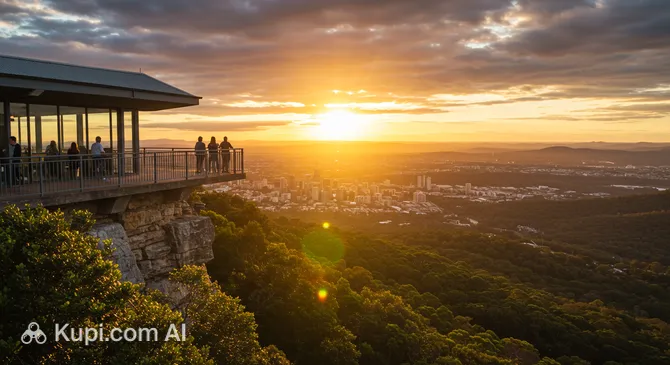
For the best panoramic views of the city and its surroundings, a visit to Mount Coot-Tha Summit Lookout is essential. Located just a short drive from the city center, this elevated vantage point offers breathtaking vistas that stretch all the way to Moreton Bay. It is a favorite spot for both locals and tourists to watch the sunrise or admire the twinkling city lights in the evening.

Mount Coot-Tha Summit Lookout. Source: Kupi.Binoculars

Nature enthusiasts will find a peaceful sanctuary at Roma Street Parkland, a sprawling subtropical garden situated right in the heart of the city. The park features a variety of themed gardens, cascading waterways, and winding pathways that invite exploration. It is the perfect setting for a leisurely picnic, a family outing, or simply a quiet walk among vibrant native flora.

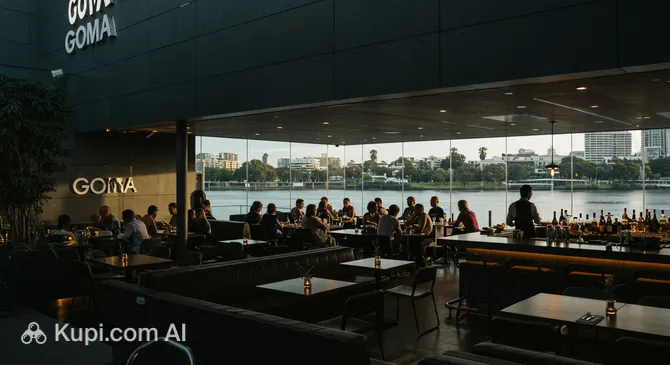
Culture lovers should head to the South Bank precinct to explore the Gallery of Modern Art (GOMA). As a leading institution for contemporary art in Australia, Asia, and the Pacific, it hosts compelling exhibitions and cinema programs. The architecture of the building is as impressive as the collections inside, making it a stimulating destination for artistic inspiration.

Gallery of Modern Art. Source: Kupi.Binoculars

For a unique culinary adventure, Eat Street Northshore offers a lively dining experience on the banks of the Brisbane River. This bustling market is built from repurposed shipping containers and comes alive on weekends with an array of international street food, live music, and colorful lights. It is a fantastic place to sample delicious treats and soak up the festive atmosphere.

Local Cuisine

The culinary landscape of Brisbane is a direct reflection of its subtropical climate and proximity to the ocean, emphasizing fresh ingredients and outdoor dining. The city has evolved into a foodie haven where sophisticated riverside restaurants sit comfortably alongside bustling food markets and laid-back cafes. A quintessential Brisbane dining experience often involves a view of the water, whether it is the winding river or the bay, accompanied by a plate of locally sourced seafood.

One dish that every visitor must try is the Moreton Bay Bug. Despite the unusual name, this is a delicious species of slipper lobster found in the waters right on the city's doorstep. With a sweet, firm meat that rivals any lobster, they are typically served grilled with garlic butter or barbecued to perfection. Another local staple is the vibrant brunch culture; weekends in Brisbane see locals flocking to cafes for high-quality smashed avocado on sourdough, often topped with feta and dukkah, reflecting the region's abundant produce.

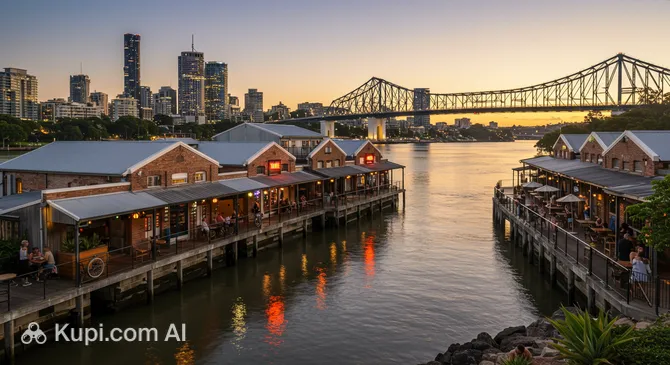
Howard Smith Wharves. Source: Kupi.Binoculars

When it comes to drinks, Brisbane takes its coffee extremely seriously. The city is dotted with micro-roasters and independent baristas who serve world-class brews from dawn until the early afternoon. As the sun sets, the focus shifts to the thriving craft beer scene. The warm weather is perfect for a cold, locally brewed pale ale or lager. For a drink with a view, SOKO Rooftop Bar & Restaurant offers a lush, Amazonian-inspired setting where you can enjoy creative cocktails while overlooking the city skyline.

The heart of the city's social dining scene can be found at Howard Smith Wharves. Located beneath the Story Bridge, this revitalized historic precinct is packed with breweries, restaurants, and lawns where people gather to eat and drink by the river. It captures the essence of the Brisbane lifestyle: relaxed, communal, and scenic. For those who prefer a more bohemian atmosphere, the West End Markets are the place to go on a Saturday morning. Here, you can wander through stalls selling farm-fresh fruit, gourmet street food, and artisanal treats under the shade of giant fig trees.

Finally, no culinary tour would be complete without a sweet treat. Since the city claims to be the birthplace of the Lamington, finding a bakery that serves this sponge cake coated in chocolate sauce and desiccated coconut is a must. It is the perfect simple pleasure to enjoy after a day of exploring the river city.

Travel Tips

Getting ready for your Brisbane adventure is exciting, but knowing a few insider details can make your trip much smoother and more enjoyable. Here are some practical tips to help you embrace the laid-back Queensland lifestyle while navigating the city like a pro.

  1. Clothing and Gear: Brisbane has a subtropical climate, so pack lightweight, breathable fabrics like cotton or linen for the humid summers. Winters are mild, but you will need a light jacket or sweater for the cooler evenings. Essential accessories include comfortable walking shoes and a Type I power adapter. Most importantly, bring a high-SPF sunscreen, a broad-brimmed hat, and sunglasses; the sun in this part of the world is incredibly strong, even on cloudy days.
  2. Transportation: The city boasts an excellent public transport network operated by TransLink, which integrates buses, trains, and the iconic CityCat ferries. You can easily pay using a contactless credit card, smartphone, or by purchasing a "Go Card" at convenience stores and train stations. Ride-hailing apps like Uber are widely available, so a car rental is generally only necessary if you plan to explore the surrounding regions, as parking in the CBD can be expensive.
  3. Finances: The local currency is the Australian Dollar (AUD). Credit and debit cards are accepted almost everywhere, from high-end restaurants to small coffee stands, and "tap and go" is the standard payment method. ATMs are plentiful if you need cash for markets. Tipping is not mandatory in Australia, but it is appreciated to round up the bill or leave 10% for exceptional service in sit-down restaurants.
  4. Health and Safety: Brisbane is a safe city, but standard precautions apply; keep an eye on your belongings in busy areas. Pharmacies, known locally as "chemists," are easy to find, with some operating extended hours in the city center. In an emergency, dial 000 for police, ambulance, or fire services. Be extremely mindful of the high UV index—sunburn can occur in minutes, so reapply protection frequently.
  5. Communication: English is the official language, though you might encounter local slang like "arvo" (afternoon) or "brekkie" (breakfast). Free Wi-Fi is available in the Queen Street Mall, South Bank, and many public parks. For constant connectivity, you can buy a prepaid SIM card from providers like Telstra or Optus at the airport or supermarkets. Downloading the MyTransLink app is highly recommended for planning your transit journeys.
  6. Local Etiquette: Locals are generally informal, friendly, and approachable. A handshake and a smile are the standard greeting. It is polite to form an orderly line (queue) when waiting for a bus or service, and always stand on the left side of escalators to let others pass on the right. When taking a taxi alone, it is often considered friendly to sit in the front seat next to the driver.
  7. What to Avoid: Never swim in the Brisbane River; it is murky, has strong currents, and is a habitat for bull sharks. If you want to cool off, head to the safe, patrolled Streets Beach at South Bank or drive to the nearby coasts. Additionally, avoid underestimating the distances; while the city center is walkable, suburban attractions can be quite spread out.
  8. Shopping Hours: Be aware that retail hours might be shorter than you are used to. Most shops close by 5:00 PM or 5:30 PM on weekdays and weekends. The exception is "Late Night Shopping" on Fridays in the city center, when stores stay open until 9:00 PM. Plan your souvenir hunting accordingly to avoid disappointment.

With these practical tips in hand, you are all set to enjoy the sunshine and hospitality of Queensland's capital without any stress. Relax, explore at your own pace, and soak up the warm, friendly atmosphere that makes this city so special.

Entertainment & Nightlife

As the sun sets over the river, Brisbane transforms from a laid-back subtropical city into a vibrant hub of evening entertainment. The nightlife scene here is diverse and decentralized, with distinct precincts offering everything from pounding nightclubs and gritty dive bars to sophisticated riverside lounges. Whether you are looking to dance until dawn or enjoy a quiet cocktail with a view, the city has a spot to suit your mood.

The undisputed heart of Brisbane's nightlife is Fortitude Valley, known locally as "The Valley." As Australia's first dedicated entertainment precinct, it is a bustling maze of heritage buildings turned into clubs, pubs, and live music venues. The atmosphere here is energetic and sometimes rowdy, attracting a younger crowd and music lovers. Just a short distance away, the West End offers a more bohemian alternative. This district is famous for its craft breweries, small bars, and indie music scene, drawing a relaxed and eclectic crowd.

For those seeking live music, The Triffid in Newstead is an iconic destination. Housed in an old commercial hangar, this venue is renowned for its incredible acoustics and beer garden, hosting both local talent and international acts. It perfectly captures the city's love for rock and indie sounds in an industrial-chic setting.

The Triffid. Source: Kupi.Binoculars

If you prefer a hidden gem with a rebellious edge, Greaser is a must-visit. Tucked away down an alleyway in the Valley, this American-inspired dive bar features graffiti-covered walls, craft beers, and a soundtrack of blues and rock 'n' roll. It is the perfect place to escape the main drag and enjoy a casual, unpretentious night out.

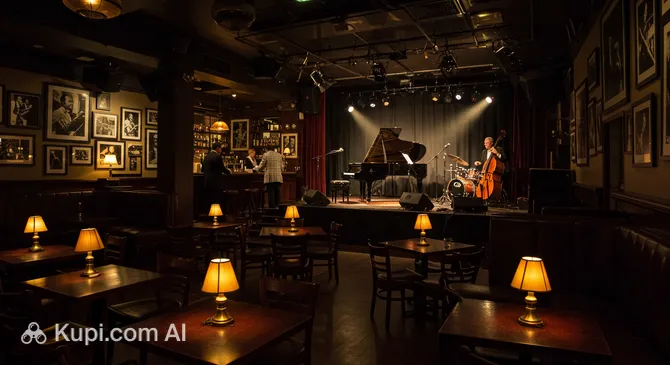
For a more refined evening by the water, the Brisbane Jazz Club at Kangaroo Point offers a complete change of pace. Situated right on the riverbank, it provides stunning views of the city skyline accompanied by the smooth sounds of traditional and modern jazz. The dress code here is smart casual, and the vibe is intimate and welcoming.

Brisbane Jazz Club. Source: Kupi.Binoculars

Practical Advice: Most bars in the city and Valley stay open late, often until 3:00 AM or later on weekends. However, keep in mind that ID scanners are mandatory at the entrance of most late-night venues in entertainment precincts, so you must carry a valid photo ID (such as a passport) regardless of your age. Prices can vary, with a pint of beer typically costing between $12 and $15 AUD, and cocktails ranging from $20 to $25 AUD.

Safety and Transport: Brisbane is generally safe at night, but the Valley can get very busy and crowded on Friday and Saturday nights. It is best to stick to well-lit main streets and use the designated "Secure Taxi Ranks" which are supervised by marshals. Public transport is convenient, with "NightLink" buses and trains running late on weekends to help people get home safely. Ride-sharing services like Uber are also widely available.

While the nights are lively, the city also boasts a rich array of daytime and early evening entertainment. The cultural precinct at South Bank is home to the Queensland Performing Arts Centre (QPAC), which hosts world-class musicals, ballet, and theater productions. Nearby, you can find excellent museums and galleries that often run evening exhibitions, offering a cultured start to your night before you head out to explore the bars.

Parks & Museums

Brisbane is a city that effortlessly weaves nature into its urban fabric, offering a delightful mix of verdant retreats and rich cultural narratives. Beyond the glistening skyscrapers and winding river, visitors will find an abundance of subtropical gardens, heritage landmarks, and museums that celebrate the region's unique identity.

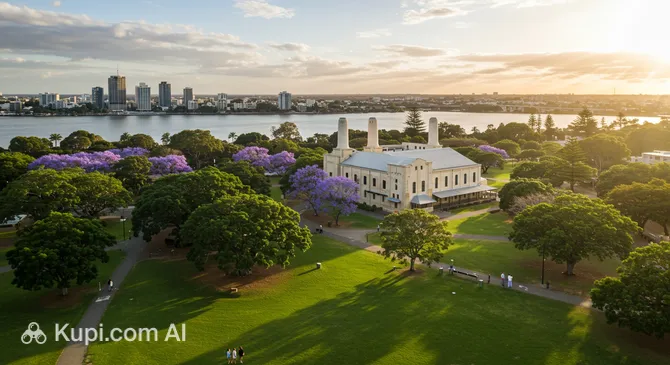
One of the city's most beloved green spaces is New Farm Park. Located by the river, this historic park is a favorite among locals for its sprawling lawns, century-old fig trees, and spectacular rose gardens. It is a perfect spot for a relaxing picnic or a scenic walk, especially in spring when the jacaranda trees bloom in a vibrant cloud of purple. For those seeking a more immersive botanical experience, the Brisbane Botanic Gardens Mount Coot-tha offers 52 hectares of themed horticulture. Distinct from the city center gardens, this expansive site features a serene Japanese Garden, a Tropical Display Dome, and a collection of native Australian plants that showcase the diversity of Queensland's flora.

New Farm Park. Source: Kupi.Binoculars

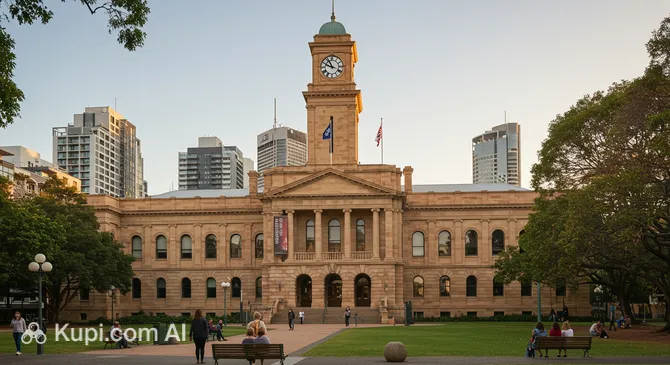
To dive deeper into the local culture, a visit to the Museum of Brisbane is essential. Housed within the iconic City Hall, this museum focuses on the living history of the city, featuring interactive exhibitions that explore its people, art, and stories. It is an intimate and engaging space that provides context to the streets you explore outside. For something uniquely Australian, the Brisbane Opal Museum presents a fascinating look at the country's national gemstone. Visitors can learn about the history of opal mining, see incredible specimens, and understand why these colorful stones are so significant to the nation's heritage.

Museum of Brisbane. Source: Kupi.Binoculars

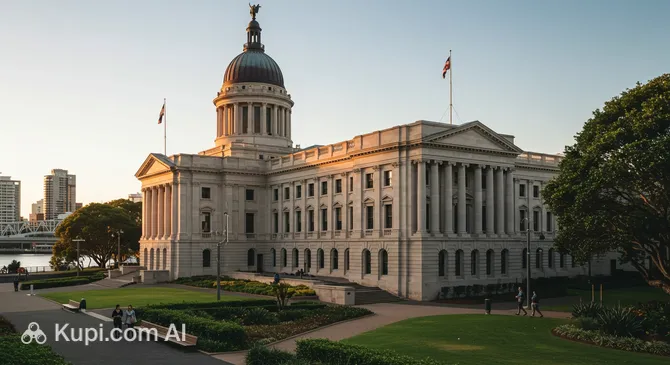
Brisbane's architectural history is best appreciated through its preserved 19th-century landmarks. Customs House is a stunning example of Victorian Free Classical style, easily recognizable by its distinctive copper dome. Once a working customs post, it now serves as a cultural and dining venue with commanding views of the river and the Story Bridge. Another architectural gem is St John's Cathedral, known for its Gothic Revival design and the fact that it is the only stone-vaulted ceiling cathedral in the Southern Hemisphere. Stepping inside reveals a peaceful sanctuary of intricate stone carvings and stained glass.

Customs House. Source: Kupi.Binoculars

For a touch of wilderness within the city limits, consider exploring Whites Hill Reserve. Unlike the manicured parks, this area offers bushland walking tracks where you might spot local wildlife like koalas and wallabies in their natural habitat. It is a fantastic reminder of how close the Australian bush is to the urban center.

Getting Around

Public transport in Brisbane is efficient, clean, and one of the best ways to explore the city and its surrounding regions. The network, operated by Translink, integrates buses, trains, and ferries into a single seamless system. The backbone of the network consists of an extensive suburban train service that connects the city center with the airport and outer suburbs, and a high-frequency bus network that utilizes dedicated busways to bypass traffic. While Brisbane does not have a traditional underground metro, its rapid transit bus system functions similarly, offering fast and reliable connections across the city.

For payment, the most convenient option for tourists is often Smart Ticketing. This allows you to pay for your journey on trains, buses, and ferries by simply tapping your contactless Visa, Mastercard, or American Express card (or a linked device like a smartphone or watch) on the card readers. Alternatively, you can purchase a go card, a rechargeable smart card available at train stations, newsagents, and convenience stores like 7-Eleven. Fares are calculated based on the number of zones you travel through, and using a go card or Smart Ticketing is significantly cheaper than buying single paper tickets, which are rarely used nowadays.

Navigating the system is straightforward, but there is one golden rule: always tap on at the beginning of your trip and tap off at the end. This applies to buses, trains, and ferries alike; failing to tap off will result in a fixed penalty fare being deducted from your balance. Services generally run from around 5:00 AM until midnight, with extended NightLink bus and train services operating late into the night on Fridays and Saturdays to cater to the weekend crowds. To plan your route, the MyTranslink app or Google Maps are reliable tools that provide real-time updates.

A unique highlight of Brisbane’s transport network is its fleet of ferries, which are as much a tourist attraction as they are a mode of commute. The blue-and-white CityCats are high-speed catamarans that cruise along the Brisbane River, offering spectacular views of the skyline and riverside neighborhoods. For a budget-friendly scenic trip, look for the red CityHopper ferries. These smaller vessels operate a free "hop-on, hop-off" service between key inner-city stops, allowing you to enjoy the river without spending a cent.

If you prefer private transport, taxis and ride-sharing services like Uber, DiDi, and Ola are widely available and reasonably priced. For short trips within the CBD and inner suburbs, electric scooters and e-bikes are a fun and popular way to get around. Operators like Neuron (orange) and Beam (purple) have fleets stationed throughout the city. You can find these scooters parked on footpaths; simply download the respective app to unlock them and ride, making sure to wear the attached helmet and stick to designated paths.

Accommodation

Finding the perfect place to stay in Brisbane is relatively easy, as the city offers a wide spectrum of accommodation options to suit every budget and travel style. Visitors can choose from luxury 5-star hotels with sweeping river views, stylish serviced apartments in high-rise towers, mid-range boutique hotels, and lively backpacker hostels. The hospitality scene here is known for its high standards and friendly service, ensuring a comfortable stay regardless of your price point.

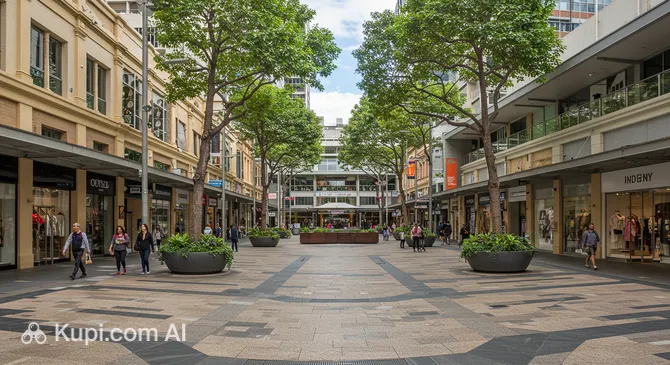
For most travelers, the Central Business District (CBD) is the most convenient base. Staying in the city center places you within walking distance of major transport hubs, heritage buildings, and the premier shopping precinct, Queen Street Mall. This area is ideal for first-time visitors who want to be close to the action and have easy access to trains and ferries for day trips. Business travelers also tend to favor the CBD for its proximity to corporate offices and conference venues.

Queen Street Mall. Source: Kupi.Binoculars

If you prefer a more scenic and leisure-focused atmosphere, the South Bank precinct is a fantastic alternative. Accommodation here often overlooks the parklands and the famous Streets Beach, making it a top choice for families and culture lovers. Just across the river, the neighborhoods of Fortitude Valley and New Farm offer a grittier, cooler vibe with boutique hotels that cater to night owls and those wanting to be near the city's best live music and dining scenes.

Regarding costs, Brisbane is generally more affordable than Sydney or Melbourne, but prices can vary significantly by season. Budget travelers can find hostel beds ranging from $30 to $60 AUD per night. Mid-range hotel rooms typically cost between $150 and $250 AUD, while luxury stays and spacious serviced apartments usually start from $300 AUD per night. Most bookings are easily made via major online platforms, though booking directly can sometimes yield better perks.

Booking Tip: While accommodation is plentiful, the city often hosts major sporting events at Lang Park (Suncorp Stadium) and large conferences. During these times, and in the peak summer holiday season (December and January), hotels can fill up quickly and prices rise. It is highly recommended to book your stay at least a few months in advance if your trip coincides with these busy periods.

Nearby Cities

For those looking to explore the surroundings, Brisbane serves as an excellent base for day trips to several interesting nearby locations:

Just an hour's drive south lies the Gold Coast, one of Australia's premier holiday destinations. Famous for its iconic skyline rising above long stretches of golden sand, it is a haven for surfers and beach lovers. Beyond the waves, the city is renowned for its thrilling theme parks, vibrant nightlife in Surfers Paradise, and the lush hinterland that offers a green escape with waterfalls and rainforest walks.

Heading north, the Sunshine Coast offers a more relaxed and laid-back atmosphere compared to its southern counterpart. It boasts pristine beaches, from the family-friendly Caloundra to the chic resort town of Noosa. The region is also home to the dramatic Glass House Mountains, which provide spectacular hiking opportunities and panoramic views of the coast, making it a perfect spot for nature enthusiasts.

For a change of pace and scenery, a trip west to Toowoomba takes you up the Great Dividing Range to the "Garden City." Known for its cooler climate, historic architecture, and the annual Carnival of Flowers, it offers a charming country experience. Visitors can explore beautifully manicured parks, enjoy the thriving cafe culture, and take in sweeping views of the Lockyer Valley from the picnic point lookouts.

City Population Distance (km)
Gold Coast 638,090 66
Sunshine Coast 349,000 91
Ipswich 163,000 31
Toowoomba 135,631 107
Caloundra 41,293 74

These nearby destinations offer a glimpse into the diverse culture and landscapes of the region.

Shopping & Souvenirs

Shopping in Brisbane is a delightful experience that mirrors the city's relaxed yet sophisticated character. From bustling pedestrian malls and high-end luxury precincts to eclectic weekend markets, the city offers a diverse range of retail therapy options. Whether you are looking for international designer labels, unique Australian fashion, or handcrafted local treasures, you will find plenty of opportunities to indulge.

The undisputed heart of the city's retail scene is the Queen Street Mall. Located in the center of the CBD, this vibrant pedestrian strip hosts over 700 retailers, ranging from major department stores to flagship international boutiques. It is more than just a street; it is a collection of several arcades and shopping centers, including the historic Brisbane Arcade and the glittering QueensPlaza. Walking down this open-air mall, you can easily spend an entire day exploring the maze of shops, enjoying street performers, and stopping for coffee at the many kiosks.

For those who prefer a more modern, lifestyle-oriented shopping experience outside the immediate city center, Coorparoo Square is a noteworthy destination. This mixed-use precinct combines retail, dining, and entertainment, offering a curated selection of shops and a cinema. It represents the newer style of Brisbane suburban hubs where locals gather to shop, eat, and socialize in a contemporary setting.

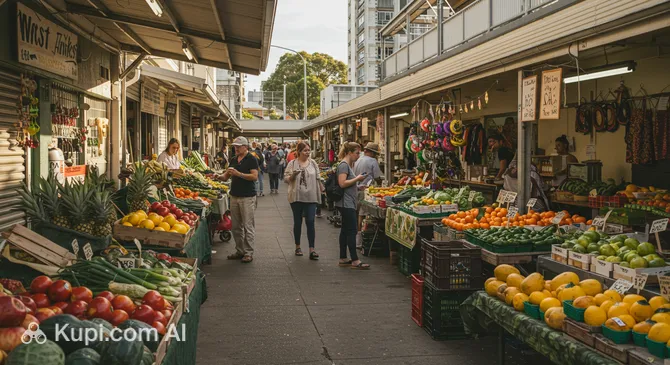
Markets are an integral part of the Brisbane lifestyle, offering a chance to buy fresh produce, vintage clothes, and handmade crafts directly from the makers. The West End Markets, held every Saturday morning in Davies Park, are a local favorite. Under the shade of giant fig trees, you can browse through stalls selling everything from organic honey and fresh flowers to bohemian fashion and unique jewelry. It is the perfect place to find a one-of-a-kind gift while soaking up the community atmosphere.

West End Markets. Source: Kupi.Binoculars

When it comes to souvenirs, Brisbane has several distinct specialties. Australia is famous for its precious gemstones, and the city is a great place to purchase high-quality opals. A visit to the Brisbane Opal Museum can provide valuable insight into these stones, and many reputable jewelers in the city offer certified pieces. Other popular items to bring back include Indigenous art, macadamia nuts (native to the region), and locally designed summer fashion that perfectly suits the warm climate.

Store opening hours in Brisbane are generally from 9:00 AM to 5:00 PM or 5:30 PM on weekdays and Saturdays. On Sundays, many shops in the city center and major malls open slightly later, around 10:00 AM, and close by 4:00 PM. A key feature of the local shopping week is "Late Night Shopping" on Fridays, where stores in the Queen Street Mall and suburban centers stay open until 9:00 PM. Payment is seamless, with credit and debit cards accepted almost everywhere; "tap and go" contactless payment is the standard method.

International tourists should also be aware of the Tourist Refund Scheme (TRS). If you spend $300 AUD or more (including GST) at a single retailer within 60 days of your departure, you may be eligible to claim a refund of the Goods and Services Tax upon leaving Australia. Be sure to keep your tax invoices and present them at the TRS facility at the airport before your flight.

Reached the end of the page?

That means the route is fully explored