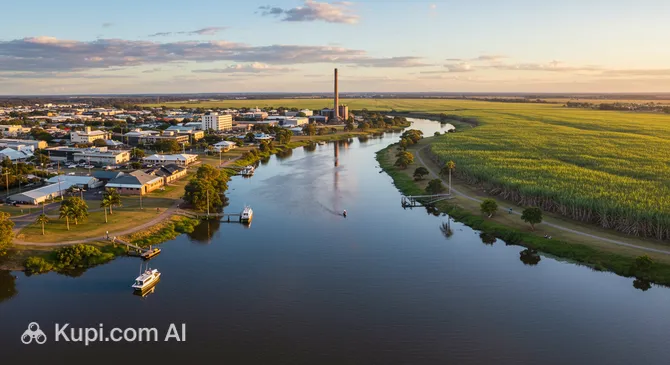
Bundaberg is a captivating city located on the banks of the Burnett River, just a short distance from the coast in Queensland, Australia. Often affectionately referred to as "Bundy" by locals, this regional hub is renowned globally for its iconic rum and vast sugar cane fields that paint the landscape in vibrant shades of green. With a population of over 70,000 residents, it offers a perfect blend of relaxed country hospitality and modern urban conveniences, all set against a backdrop of stunning natural beauty.
Bundaberg. Illustration.
Source: Kupi.com AI
The city boasts a delightful subtropical climate, ensuring warm summers and mild winters that are ideal for outdoor exploration. Those interested in the past will find the history of Bundaberg fascinating, as the city preserves a wealth of colonial architecture and stories dating back to its founding as a timber and agricultural centre. The region's heritage is palpable in its well-preserved buildings and the enduring legacy of its sugar industry.
Travelers flock here not just for the heritage, but for the incredible wildlife experiences. Bundaberg is the gateway to the Southern Great Barrier Reef, offering easy access to pristine spots like Lady Musgrave Island and Lady Elliot Island. Furthermore, the nearby Mon Repos Turtle Centre is famous for hosting the largest concentration of nesting marine turtles on the eastern Australian mainland, a truly magical sight during the nesting and hatching seasons. Whether you are visiting to tour the legendary Bundaberg Rum Distillery or to swim with turtles, this charming city promises an unforgettable adventure.
Weather Overview
Bundaberg enjoys a subtropical climate that makes it a pleasant destination throughout the year, though conditions vary between the wet and dry seasons. For travelers planning their itinerary, understanding the weather in Bundaberg is key to packing the right gear. Generally, the region is characterized by distinct seasonal shifts that influence the best time for outdoor activities.
During the summer months of December through February, the city experiences its warmest weather, with average temperatures hovering around 26°C and daily highs reaching nearly 30°C. This is also the wettest time of year, featuring up to 15 rainy days per month. In contrast, the winter season from June to August brings cooler, drier conditions. Average temperatures drop to approximately 17°C, with nighttime lows around 13°C and significantly fewer wet days. Expect warm, humid summers with frequent showers and mild, dry winters perfect for exploration.
Average monthly temperature
Average monthly precipitation
Interesting Facts
Beyond its famous beverages and nesting turtles, Bundaberg holds a collection of fascinating stories that surprise many visitors. From aviation history to unique geological features, the city's heritage is as rich and distinct as its fertile soil.
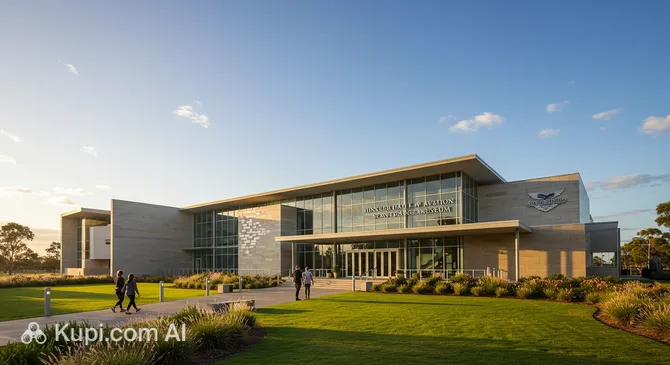
Hinkler Hall of Aviation. Illustration.
Source: Kupi.com AI
Traveler photos:
The city is the hometown of aviation pioneer Bert Hinkler, known as the "Australian Lone Eagle." remarkably, his original English home was saved from demolition in Southampton, dismantled, and transported brick by brick to be rebuilt in the Bundaberg Botanic Gardens. It now stands as a museum near the Hinkler Hall of Aviation.
The world-famous Rum Distillery was originally established in 1888 to solve a major environmental problem. At the time, local sugar mills were dumping massive amounts of excess molasses into the Burnett River, threatening the fish population, until they realized the waste product could be distilled into rum.
Bundaberg sits on incredibly fertile red soil derived from "The Hummock," a dormant volcano that last erupted approximately 900,000 years ago. This geological formation is the highest point in the region and provides the nutrients that make the area a powerhouse for growing sugarcane and small crops.
Unlike most wildlife parks in the country, Alexandra Park Zoo has remained free to the public since its establishment in 1911. It is one of the oldest zoos in Queensland and offers visitors the chance to see native dingoes and cotton-top tamarins without an admission fee.
How to Get There
Reaching this vibrant Queensland destination is straightforward, with options to suit various travel preferences and budgets. Whether you choose to fly directly into the region or enjoy a scenic drive along the coast, the journey is part of the adventure. For a detailed breakdown of routes and transport tips, you can read more about how to get to Bundaberg.
The most convenient option for many travelers is Bundaberg Airport (BDB), located just 5.2 km from the city center. As a key regional gateway, it welcomes regular flights from major cities. Once you land, the transfer into town is quick and easy, typically taking approximately 30 minutes by taxi or shuttle. This proximity allows you to settle into your accommodation and start exploring the Southern Great Barrier Reef region almost immediately.
If direct flights are unavailable, Hervey Bay Airport (HVB) is a practical alternative. Situated in the city of Hervey Bay, it is approximately 74 km from Bundaberg. Travelers arriving here can expect a transfer time of around 2 hours and 10 minutes via taxi or connecting bus services. For those flying internationally or preferring a major hub, the Sunshine Coast Airport (MCY) in Sunshine Coast is another option, though it is located 206 km away. While it handles significantly more passengers, the onward journey to Bundaberg takes roughly 5.5 hours by road.
For clarity, here is a summary of the main airports:
Beyond air travel, Bundaberg is well-connected to the rest of Queensland by rail and road. The city is a major stop on the North Coast railway line, with high-speed electric trains like the Spirit of Queensland providing a comfortable and scenic journey from Brisbane and other coastal cities. For those who prefer driving, the city is easily accessible via the Bruce Highway and Isis Highway, offering a pleasant road trip experience through the state's lush sugar cane fields.
Main Attractions
Bundaberg offers a diverse range of experiences, from exploring its rich agricultural heritage to enjoying family-friendly activities in lush natural settings. Whether you are a history buff, a nature lover, or simply looking for a fun day out, the city's top sights provide a perfect introduction to the region's unique culture and lifestyle.
No visit to the city is complete without stopping at the iconic Rum Distillery. As one of Australia's most famous brands, this facility offers an immersive journey into the world of spirit making. Visitors can join guided tours to see the molasses fermentation tanks and massive timber vats, learning about the craftsmanship that goes into every bottle. For a more hands-on experience, the "Blend Your Own Rum" classes allow enthusiasts to create their own personalized dark rum, making it a must-visit destination for adults looking to taste a piece of local history.
Rum Distillery. Illustration.
Source: Kupi.com AI
Traveler photos:
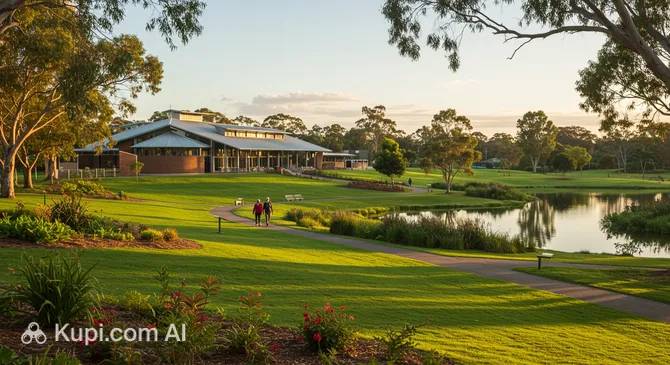
For a relaxing day outdoors, the Bundaberg Botanic Gardens is the city's green heart. Spanning over 27 hectares, this sprawling park features themed gardens, a Japanese garden, and a series of lakes that attract abundant birdlife. It is also a cultural hub, housing several museums and the Australian Sugar Cane Railway, where you can take a ride on a restored steam locomotive. The gardens provide a picturesque setting for a picnic and are the perfect starting point for exploring the region's heritage attractions.
Bundaberg Botanic Gardens. Illustration.
Source: Kupi.com AI
Traveler photos:
Located within the Botanic Gardens precinct, the Hinkler Hall of Aviation is a state-of-the-art tribute to Bundaberg's famous son, Bert Hinkler. The building itself is an architectural marvel, designed to resemble the wing of an aircraft. Inside, tourists can explore interactive displays, flight simulators, and full-scale replicas of Hinkler's gliders. It is an inspiring attraction that vividly retells the story of the pioneer's solo flight from England to Australia, captivating visitors of all ages.
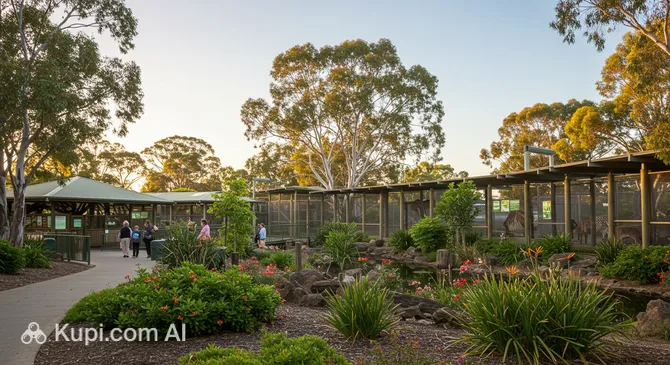
Another fantastic spot for families is the Alexandra Park Zoo. Situated near the Burnett River, this charming facility is known for its accessibility and focus on native and exotic wildlife. You can observe playful cotton-top tamarins, dingos, wallabies, and a variety of reptiles in well-maintained enclosures. The zoo is seamlessly integrated into a larger park area with playgrounds and walking tracks, making it an excellent location for a leisurely afternoon stroll.
Alexandra Park Zoo. Illustration.
Source: Kupi.com AI
Traveler photos:
If you are looking for indoor entertainment, the Bundy Bowl & Leisure Complex offers a vibrant atmosphere for fun and games. This extensive centre features ten-pin bowling, laser tag, and a jurassic putt-putt golf course, providing hours of excitement away from the sun. It is a popular choice for groups and families wanting to unwind and enjoy some friendly competition during their stay in the city.
Local Cuisine
Bundaberg is widely celebrated as one of Australia’s most vital "food bowls," thanks to its nutrient-rich volcanic soil and favorable climate. The region produces a significant portion of the country's fresh fruits and vegetables, meaning that farm-to-table dining is not just a trend here but a way of life. Visitors should look for dishes featuring locally grown sweet potatoes, avocados, and macadamia nuts, which are often highlighted in seasonal menus across the city. The abundance of fresh produce ensures that whether you are grabbing a quick bite or sitting down for a fine dining experience, the ingredients are likely sourced from just a few kilometers away.
Given its proximity to the coast and the Burnett River, seafood is another cornerstone of the local diet. Freshly caught prawns, mud crabs, and scallops are staples in many establishments. A simple yet delicious meal of fish and chips by the river is a popular choice for families, while more upscale restaurants offer elaborate seafood platters that showcase the ocean's bounty. For a truly authentic taste, try a dish featuring the famous Hervey Bay scallops, which are harvested in the nearby waters and are renowned for their sweet, delicate flavor.
No culinary exploration of this city would be complete without sampling its iconic beverages. The region is globally famous for its dark rum, a spirit that has been distilled here for over a century using locally produced molasses. For those who prefer non-alcoholic options, Bundaberg Ginger Beer is legendary. Brewed locally, this refreshing drink is available in a variety of flavors and is a perfect accompaniment to a sunny afternoon lunch.
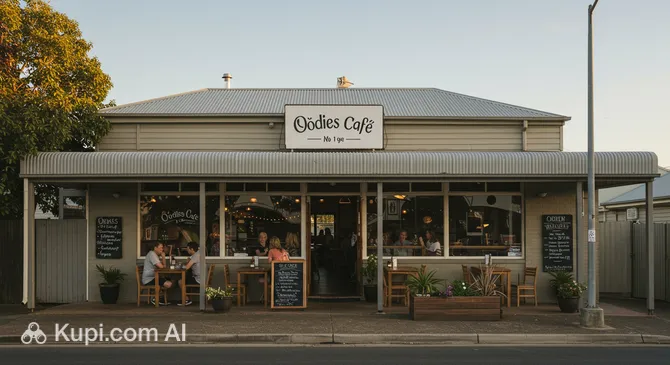
The dining atmosphere in Bundaberg is generally relaxed and welcoming, with a strong café culture that appeals to tourists and locals alike. For a quirky and memorable breakfast or lunch, Oodies Cafe is a favorite spot. Known for its eclectic decor and warm hospitality, it serves up hearty meals made with fresh local ingredients, making it a great place to soak up the community vibe.
Oodies Cafe. Illustration.
Source: Kupi.com AI
Traveler photos:
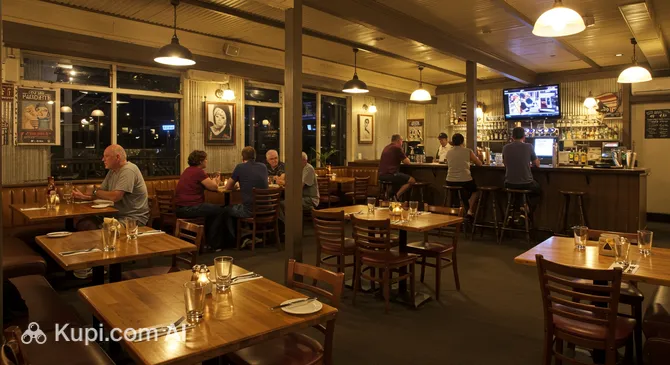
If you are in the mood for a classic Australian pub meal, the city has plenty of historic hotels that offer generous portions and a friendly atmosphere. The Spotted Dog at Railway Hotel is a popular venue where you can enjoy traditional favorites like chicken parmigiana or a grazing board in a comfortable setting. Whether you are exploring the bustling city center or the quieter outskirts, you will find that the local food scene is unpretentious, high-quality, and deeply connected to the land.
Travel Tips
Welcome to Bundaberg, a city where the hospitality is as warm as the subtropical sun. To help you make the most of your visit to this gateway of the Southern Great Barrier Reef, here are some practical tips to ensure your journey is smooth and enjoyable.
Clothing and Gear: Given the subtropical climate, lightweight and breathable clothing is essential for most of the year. However, if you are visiting during the winter months (June to August), pack a light jacket or sweater as evenings can get surprisingly cool. A high-quality hat, sunglasses, and broad-spectrum sunscreen are absolute must-haves regardless of the season, as the Australian sun can be very harsh. If you plan to visit the reef, bring your own swimwear, though stinger suits are often provided by tour operators during the summer season.
Transportation: While there is a local bus network operated by Duffy's City Buses that covers the main suburbs, relying solely on public transport can limit your ability to explore the wider region. To reach coastal gems like Bargara, Mon Repos, or the surrounding farmlands at your own pace, renting a car is highly recommended. Taxis and ride-sharing services are available within the city limits but can be less frequent in outer areas.
Finances: The local currency is the Australian Dollar (AUD). Credit and debit cards (Visa and Mastercard) are widely accepted almost everywhere, from the Rum Distillery to small cafes, often via contactless "tap-and-go" payments. It is still wise to carry a small amount of cash for local markets or smaller vendors. Tipping is not mandatory in Australia, but leaving a small tip (around 10%) for exceptional service in restaurants is appreciated.
Health and Safety: Bundaberg is generally a safe destination, but environmental factors require attention. Always swim between the red and yellow flags at patrolled beaches to avoid strong currents. During the warmer months (November to May), be aware of marine stingers in the ocean. Pharmacies are readily available in the city center and shopping centers for minor ailments, and the emergency number for police, ambulance, or fire is 000.
Communication: English is the primary language spoken, often peppered with local Australian slang like "G'day" (hello) or "arvo" (afternoon). Free Wi-Fi is available in many public spaces, including the library and some parks, but purchasing a prepaid SIM card from a provider like Telstra or Optus is recommended for reliable coverage, especially if you plan to venture into rural areas.
Local Etiquette: The vibe in Bundaberg is relaxed and friendly. It is polite to greet shop assistants and bus drivers with a smile or a simple "how are you?". Australians value queuing (lining up) and waiting your turn patiently. When dining out or visiting pubs, the atmosphere is usually casual, but smart-casual attire is appreciated in the evening.
What to Avoid: Do not interfere with the wildlife, particularly the sea turtles. If you are lucky enough to see turtles nesting or hatching on the beaches, never use flash photography or shine lights on them, as this disorients the animals. Always follow the instructions of rangers and guides to protect this delicate ecosystem.
Planning for Turtle Season: If your trip coincides with the turtle nesting and hatching season (November to March), booking your tickets for the Mon Repos Turtle Encounter is essential. These tours are incredibly popular and often sell out months in advance, so do not wait until you arrive to secure your spot.
With these practical tips in hand, you are well-prepared to experience the best of Bundaberg's natural wonders and culinary delights. Enjoy the laid-back lifestyle and the unforgettable adventures that await you in this charming corner of Queensland!
Entertainment & Nightlife
While Bundaberg is world-famous for its rum, the city's nightlife is defined more by its relaxed, historic pub culture than by high-energy nightclubs. The evening atmosphere here is welcoming and unpretentious, reflecting the region's laid-back Queensland lifestyle. Visitors will find that the nightlife scene is concentrated primarily within the Central Business District (CBD), particularly along the main thoroughfare of Bourbong Street and its surrounding blocks. Here, beautifully restored colonial buildings house vibrant venues where locals and tourists mingle over cold drinks and hearty meals.
For those seeking a classic Australian pub experience, The Club Hotel is a standout destination in the heart of the city. This venue seamlessly blends traditional charm with modern amenities, offering a spacious beer garden and a lively sports bar. It is a popular spot for enjoying live music on weekends or simply unwinding with friends after a day of sightseeing. The dress code is generally smart-casual, and the crowd is a mix of young professionals and families, creating a safe and inclusive environment.
The Club Hotel. Illustration.
Source: Kupi.com AI
Traveler photos:
Another favorite among locals is the Spotted Dog at Railway Hotel. Located just a short walk from the main strip, this establishment is renowned for its eclectic decor and vibrant outdoor patio. It offers a more contemporary twist on the traditional hotel vibe, serving craft beers and cocktails alongside a popular food menu. It is an excellent place to start your evening with dinner before exploring other bars in the vicinity.
Spotted Dog at Railway Hotel. Illustration.
Source: Kupi.com AI
Traveler photos:
If you are looking for entertainment that goes beyond dining and drinking, the Bundy Bowl & Leisure Complex provides a fantastic alternative. Open late into the evening, this facility offers ten-pin bowling, laser tag, and arcade games, making it a perfect choice for groups or families wanting an active night out. The complex has a fun, energetic atmosphere that contrasts with the more sedate pace of the city's pubs.
Practical advice for a night out in Bundaberg centers on timing and transport. Most pubs and bars are busiest between 7:00 PM and 10:00 PM, with many venues winding down around midnight, earlier than in major capital cities. Average prices for drinks are reasonable, typically ranging from $8 to $12 AUD for a beer or glass of wine. For getting around safely, taxis and ride-sharing services are readily available. The CBD is generally well-lit and safe for walking between venues, but it is always advisable to book a ride if you are staying further out in suburbs like Bargara.
During the day, the city offers a different kind of excitement. Before the sun goes down, visitors can explore the retail options at Hinkler Central, the region's premier shopping destination. Whether you spend your day browsing shops or touring museums, transitioning into a relaxed evening at a local historic hotel is the perfect way to cap off your Bundaberg adventure.
Parks & Museums
Bundaberg offers a delightful mix of lush green spaces and rich cultural heritage, making it a rewarding destination for those who love nature and history. The city is dotted with expansive parks that showcase the region's subtropical flora, while its museums provide fascinating insights into the industries and individuals that shaped this unique corner of Queensland.
The crown jewel of the city's green spaces is the Bundaberg Botanic Gardens. Spanning over 27 hectares in North Bundaberg, this sprawling oasis is home to more than 10,000 trees and shrubs. Visitors can wander through a variety of themed areas, including a tranquil Japanese Garden and a Chinese Garden, which offer peaceful retreats for meditation and photography. The gardens also feature a rare fruit orchard and a series of freshwater lakes that support a thriving population of waterbirds, making it a paradise for nature enthusiasts and birdwatchers alike.
For a more rugged and immersive natural experience, Baldwin Swamp Environmental Park is a must-visit. Often described as "Bundaberg's own Kakadu," this protected wetland area is located just minutes from the city center. It features a network of walking tracks and boardwalks that wind through open eucalypt forests and vine thickets. The park is a haven for wildlife, particularly waterbirds like Magpie Geese and Whistling Ducks, which gather in large numbers on the lagoons. It is an excellent spot for a quiet morning walk or a family picnic surrounded by the sounds of the Australian bush.
When it comes to culture, the city preserves its history with pride. One of the most visually striking institutions is the Fairymead House Sugar History Museum. Housed in a grand, restored plantation bungalow built in 1890, this museum explores the development of the local sugar industry. Visitors can admire the magnificent Indian bungalow architecture before exploring exhibits that detail the lives of the pioneer sugar families and the technical evolution of cane farming. It stands as a testament to the industry that has been the backbone of the region's economy for over a century.
A short distance away within the Botanic Gardens precinct lies the celebrated Hinkler Hall of Aviation. This dynamic museum pays tribute to Bert Hinkler, the famous solo aviator who captured the world's imagination in the early 20th century. The facility is packed with interactive displays, flight simulators, and beautifully restored aircraft, offering an engaging narrative of courage and innovation. It is an essential stop for anyone interested in aviation history or Australian heroes.
For art lovers, the Bundaberg Regional Art Gallery (BRAG) serves as the city's cultural hub. Located in the heart of the CBD, this modern facility hosts a diverse year-round program of local, state, and national exhibitions. From contemporary installations to traditional works, the gallery provides a space for community engagement and creative expression. It is a fantastic place to cool off and appreciate the artistic talent that thrives in the Wide Bay region.
For a truly local experience, take a stroll through Alexandra Park along the Burnett River. While it is famous for the Alexandra Park Zoo, the park itself features massive colonial-era fig trees and a charming band rotunda built in the early 1900s. It is a favorite spot for locals to enjoy a sunset walk by the water, offering a quiet moment of reflection away from the busier tourist sites.
Getting Around
Public transport in Bundaberg is primarily reliant on a bus network, as the city does not have a metro, tram, or trolleybus system. For visitors, the most common way to get around using public transit is via the services operated by Kinetic, which fall under the comprehensive network of the Queensland state transport authority, Translink. These buses connect the Central Business District (CBD) with major suburbs, shopping centres, hospitals, and popular coastal destinations such as Bargara and Burnett Heads.
The payment system for buses in the region is relatively traditional compared to Australia's capital cities. Currently, the most reliable method for tourists is to purchase paper tickets directly from the driver upon boarding. It is highly recommended to carry cash, specifically coins and small notes, as card readers are not universally available on all regional fleets yet, though the state is gradually upgrading its systems. Fares are calculated based on a zone system; the cost depends on how many zones you traverse during your journey. Daily passes are also available, offering unlimited travel within specified zones for a flat fee, which is often a more economical choice for sightseers planning multiple stops.
Practical advice for using the bus network involves careful planning. Services generally run reliably during business hours on weekdays, but frequency drops significantly on Saturdays, and many routes do not operate at all on Sundays or public holidays. Tourists should always check the latest timetables on the Translink website or the MyTranslink app before heading out. When catching a bus, simply hail the driver from a designated stop, and keep your paper ticket safe for the duration of your trip, as you may need to show it to an inspector.
Given the limitations of the bus schedule, particularly in the evenings and on weekends, many visitors turn to alternatives. Taxis are readily available and can be booked via phone or found at designated ranks in the city centre. Rideshare apps like Uber also operate in the area, providing a convenient way to travel between the city and the coast. For shorter distances, exploring the city on foot is pleasant due to the flat terrain, and electric scooters have become a popular way to zip along the foreshore and through the downtown area. These orange e-scooters can be rented via a smartphone app and are perfect for short, scenic trips.
While there is no historic metro, rail enthusiasts might note the presence of the Bundaberg Railway Station. However, it is important to distinguish that this station serves long-distance trains connecting to other parts of the state, such as the high-speed Tilt Train, rather than functioning as an intra-city commuter line. For those wishing to explore the wider region and surrounding farmlands at their own pace, renting a car remains the most practical and popular option, offering the freedom to visit attractions that are off the main public transport routes.
Accommodation
Finding the perfect place to stay in Bundaberg is relatively easy, as the region offers a diverse array of accommodation options to suit every travel style and budget. Whether you are looking for the convenience of a city-centre motel, the charm of a historic pub stay, or the relaxed atmosphere of a coastal resort, the region caters well to its visitors. The accommodation landscape is generally split between two main zones: the heritage-rich city centre and the breezy coastal hubs nearby.
For those who prioritize proximity to shops, dining, and heritage attractions, staying within the Bundaberg Central Business District (CBD) is the most practical choice. Here, you will find a high concentration of classic motor inns and serviced apartments that provide easy access to the main street and the Burnett River. This area is ideal for travelers who want to be within walking distance of cafes and museums. Alternatively, many tourists choose to base themselves at the coast, particularly in Bargara, which is just a 15-minute drive from town. This area is famous for its beachfront apartments and holiday rentals, offering a resort-style experience that is perfect for families and those planning to visit the Southern Great Barrier Reef.
The region is also well-equipped for road trippers and outdoor enthusiasts, boasting several high-quality holiday parks and caravan sites. These facilities often feature cabins and camping grounds set amidst lush gardens or near the water, providing a budget-friendly and social way to experience the Queensland lifestyle. Backpackers are also well catered for, with several hostels located near the city centre that offer affordable dormitory-style beds and help connect travelers with local fruit-picking work or tour operators.
Booking Tip: Bundaberg is a seasonal destination, with visitor numbers swelling significantly during the turtle nesting and hatching season (November to March). If you plan to visit during this time, it is highly recommended to book your accommodation at least a few months in advance, as the most popular hotels and coastal apartments fill up quickly.
In terms of pricing, the city is generally quite affordable compared to major state capitals. Budget travelers can find hostel beds or unpowered camp sites for a modest fee, while mid-range motels and cabins offer excellent value with comfortable amenities. Luxury seekers will find higher price points at the oceanfront resorts in Bargara, especially during peak holiday periods. Booking is easily done through major online platforms, though contacting smaller motels and holiday parks directly can sometimes secure a better rate or a specific room preference.
Nearby Cities
For those looking to explore the surroundings, Bundaberg serves as an excellent base for day trips to several interesting nearby locations:
One of the most popular excursions is to Hervey Bay, located just a short drive south. Renowned globally as the whale-watching capital of Australia, it offers calm, protected waters perfect for swimming and water sports. It also serves as the primary gateway to K'gari (Fraser Island), the world's largest sand island, making it a must-visit for nature enthusiasts seeking a memorable coastal adventure.
Heading north, travelers can visit Gladstone, a dynamic port city that balances industry with natural beauty. It provides excellent access to the Southern Great Barrier Reef, particularly Heron Island and Wilson Island. The city's marina area features lush parklands and water play areas, offering a relaxing spot for a family picnic by the harbor.
For those willing to venture a bit further, the Sunshine Coast region offers stunning surf beaches and vibrant hinterland villages. Towns like Noosaville provide a sophisticated mix of river activities and dining, perfect for experiencing the diverse coastal lifestyle of Queensland.
These nearby destinations offer a glimpse into the diverse culture and landscapes of the region.
Shopping & Souvenirs
Shopping in Bundaberg offers a relaxed and convenient experience that mirrors the city's laid-back lifestyle. While it may not be a high-fashion metropolis, the region provides an excellent mix of modern retail centres, charming street strips, and vibrant local markets. Visitors can easily find everything from daily essentials and camping gear to unique regional crafts and locally produced delicacies, making it easy to stock up for a holiday or find the perfect memento.
The heart of the city's retail scene is the Central Business District, particularly along Bourbong Street. This wide, tree-lined avenue is flanked by historic buildings and offers a variety of specialty boutiques, banks, and pharmacies. It is a pleasant place for a stroll, where you can browse independent clothing stores, gift shops, and jewellers before stopping at one of the many pavement cafes for a coffee. The street retains a country-town charm, with friendly service that sets it apart from the hustle of larger cities.
For a more comprehensive retail experience under one roof, Hinkler Central is the city's premier shopping destination. Located conveniently near the CBD, this modern mall features major department stores, supermarkets, and a wide array of fashion and lifestyle brands. It is fully air-conditioned, providing a welcome escape from the Queensland heat. Another significant hub is Stockland Bundaberg in the western suburbs, which is the largest centre in the region and hosts major national retailers, making it a one-stop shop for groceries and general merchandise.
Hinkler Central. Illustration.
Source: Kupi.com AI
Traveler photos:
An essential part of the local culture is the market scene, with the Shalom Markets being the most famous. Held every Sunday morning at Shalom College, this sprawling market attracts hundreds of locals and tourists alike. It is the best place to buy fresh fruit and vegetables directly from the growers, often at very affordable prices. Beyond produce, the stalls offer a treasure trove of plants, handmade crafts, second-hand books, and bric-a-brac, creating a lively community atmosphere.
When it comes to souvenirs, Bundaberg is world-renowned for its beverages. A visit to the Rum Distillery shop is a must for anyone looking to take home a bottle of the famous "Bundy Rum" or branded merchandise like shirts and bar accessories. For those who prefer non-alcoholic options, the Bundaberg Barrel offers a wide range of the city's iconic ginger beer and other brewed soft drinks. Additionally, look for packets of locally grown macadamia nuts, which are a delicious and portable gift from the region.
Store opening hours in Bundaberg generally follow standard Australian regional patterns. Most shops in the CBD and shopping centres are open from 9:00 AM to 5:00 PM on weekdays and until 4:00 PM or 5:00 PM on Saturdays. Sunday trading is usually limited to major shopping centres and supermarkets, often operating from 10:00 AM to 2:00 PM or slightly later. "Late night shopping" typically occurs on Thursdays, with larger stores staying open until 9:00 PM. Payment is easy, with credit and debit cards (Visa and Mastercard) widely accepted everywhere, though carrying some cash is advisable for the Sunday markets.
International tourists should be aware of the Tourist Refund Scheme (TRS), which allows you to claim a refund of the Goods and Services Tax (GST) on goods purchased in Australia. To be eligible, you must spend $300 or more (including GST) in a single store and present your tax invoice upon departure from Australia. While you cannot claim this directly in Bundaberg, you can process the refund at the international airport you depart from, such as Brisbane or Sydney, before your flight home.