Support

Palm Island

About

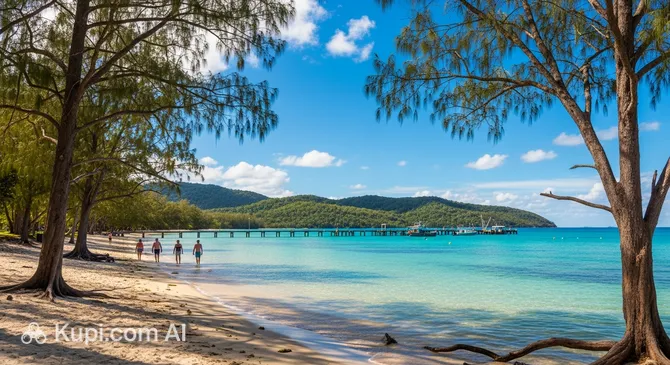
Palm Island, often referred to by the local Indigenous name Bwgcolman, is a fascinating destination located off the east coast of Queensland, Australia. Part of the Great Barrier Reef Marine Park, this island offers visitors a glimpse into a community rich in culture and surrounded by stunning natural beauty. It sits approximately 65 kilometers northwest of Townsville and is the main island of the Greater Palm group.

Palm Island. Source: Kupi.Binoculars

The island is home to a population of around 2,200 people and is known for its tropical climate, lush vegetation, and pristine waters. For those interested in the past, the history of Palm Island provides important context to the community's identity, marking its evolution into a place of pride and resilience. Today, it stands as a significant location for Indigenous culture within the region.

Travelers are often drawn here for the exceptional fishing opportunities and the chance to experience an authentic side of coastal living. The scenic landscapes, ranging from sandy beaches to forested hills, make it a visually striking location. A visit to Palm Island is a unique opportunity to engage with local traditions and enjoy the serenity of the Coral Sea.

Weather Overview

Palm Island experiences a warm tropical climate year-round, making it an inviting destination for travelers seeking sun and sea. The temperatures remain comfortable regardless of the season, rarely dropping below 17°C even during the coolest nights. To help you pack appropriately, it is helpful to review the typical weather in Palm Island before your arrival.

The summer months, particularly from December to March, bring the warmest weather with average temperatures reaching up to 26.7°C. This period is characterized by frequent rainfall; for instance, January can see rain on up to 24 days, though the precipitation is often part of the tropical atmosphere. In contrast, the winter season from June to August offers cooler, drier conditions with average temperatures hovering around 20°C and significantly fewer wet days, providing excellent opportunities for outdoor exploration.

Interesting Facts

Beyond the scenic shores and tropical atmosphere, Palm Island holds a treasure trove of stories and natural wonders that often go unnoticed by the casual observer. This unique destination offers a deeper narrative that intertwines unique geological features with a rich cultural tapestry.

  • Botanical Misunderstanding: The island was named by Captain James Cook in 1770, who was struck by the proliferation of palms along the coast. However, these were likely not the coconut palms he imagined, but rather native Cabbage Tree Palms or Pandanus, which are distinctively Australian and still thrive across the landscape today.

  • A Name of Unity: The local Indigenous name for the island, Bwgcolman, carries the profound meaning of "many tribes." This title reflects the community's unique heritage, formed by people from dozens of different language groups throughout Queensland who came together to forge a strong, unified identity.

  • More Than One Island: While often referred to as a singular destination, Palm Island is actually the largest member of the Greater Palm group. This archipelago consists of roughly 12 islands, including the nearby Orpheus and Pelorus Islands, creating a diverse cluster of granite peaks and coral reefs within the Great Barrier Reef Marine Park.

  • Panoramic Heights: The island is dominated by the impressive Mount Bentley, which rises to approximately 546 meters. For adventurous visitors, this peak offers a vantage point for breathtaking panoramic views over the Coral Sea and the surrounding island chain, revealing the true scale of the region's beauty.

How to Get There

Reaching this unique island community requires a short journey from the mainland, typically via the nearby city of Townsville. While the island feels like a secluded tropical getaway, it is well-connected to the region's transport hubs. For travelers planning their trip, finding out more about how to get to Palm Island is the first step to exploring this beautiful part of the Great Barrier Reef Marine Park.

The city of Palm Island does not have its own major international airport, so most visitors fly into Townsville Airport (TSV) in the city of Townsville, which is approximately 60.6 km away. As the primary gateway to the region, this airport handles a significant volume of passengers and offers frequent connections to major Australian cities. Once you arrive at the airport, you will need to transfer to the ferry terminal or a local charter flight service to complete the final leg of the journey across the water to the island.

Another option for those exploring the wider region is Cairns Airport (CNS), located in Cairns about 222.5 km from Palm Island. This is a larger international hub, welcoming millions of passengers annually. While it is further away, it serves as a convenient entry point for tourists visiting Northern Queensland before making their way south to Townsville. The drive from Cairns to the Townsville ferry terminals takes roughly 4 hours, offering a scenic route along the coast.

For clarity, here is a summary of the main airports:

Airport Name City Passenger Traffic Km from City
Cairns Airport Cairns Large 222.5
Townsville Airport Townsville Medium 60.6
Whitsunday Coast Airport Proserpine Small 284.2

Main Attractions

Palm Island offers a unique travel experience that blends stunning tropical scenery with a deep connection to Indigenous culture. As the main island of the Greater Palm group, it provides visitors with a chance to explore untouched landscapes within the Great Barrier Reef Marine Park while learning about the rich heritage of the Bwgcolman people. While it is less commercialized than other Queensland destinations, its raw beauty and welcoming community make it a memorable stop for those seeking authenticity.

One of the most significant places to visit is the Bwgcolman Indigenous Knowledge Centre. This facility serves as a cultural hub for the community, preserving the history and stories of the local people. Visitors can learn about the "many tribes" that came together to form the island's identity and view displays that highlight local art and heritage. It is an essential stop for anyone wishing to understand the spirit of the island beyond its physical beauty.

For nature lovers, Casement Bay is a picturesque spot that showcases the island's coastal charm. It is an ideal location for a peaceful walk along the sand, offering views of the sparkling Coral Sea. Nearby, the Sylvia Reuben Lookout (often referred to as Casement Lookout) provides a fantastic vantage point. From here, you can enjoy sweeping panoramic views of the ocean and the lush greenery of the island, making it a perfect location for photography.

Another notable landmark is St Anne's Catholic Church. Established during the mission era, this historic building is set against the dramatic backdrop of the island's hills. The site is visually striking, with its architecture resting quietly amongst the tropical palms. It stands as a testament to the island's complex history and offers a serene atmosphere for reflection.

Finally, no visit is complete without acknowledging the island's position in the Great Barrier Reef Marine Park. The surrounding waters are teeming with marine life, making local spots like Butler Bay excellent for those looking to cast a line or simply admire the pristine aquatic environment. The fringing reefs offer opportunities to see the vibrant underwater world that makes this region of Australia famous.

Local Cuisine

Local Cuisine:

The culinary landscape of Palm Island is naturally defined by its location within the Great Barrier Reef Marine Park. The ocean provides a bountiful harvest, making seafood the cornerstone of the local diet. Freshness is key here, with meals often centered around the day's catch, offering a genuine taste of the coastal lifestyle that defines this community.

For seafood enthusiasts, the island offers the chance to savor species like coral trout, Spanish mackerel, and crayfish. These delicacies are typically prepared simply—often barbecued or pan-fried—to highlight their natural flavors. This connection to the sea ensures that visitors can enjoy some of the highest quality seafood in Australia, sourced directly from the surrounding pristine waters.

Dining on the island is a casual affair, with a focus on relaxed, community-style eating rather than fine dining. You will find that local eateries and takeaways serve hearty meals that blend island ingredients with traditional favorites. The tropical climate also yields an array of fresh fruits, so you can look forward to enjoying sweet, locally grown mangoes and coconuts as a refreshing treat during your stay.

Travel Tips

Visiting Palm Island, known locally as Bwgcolman, is a rewarding experience that offers a deep dive into Indigenous culture and stunning tropical scenery. To ensure a respectful and smooth journey to this unique community, here are some practical tips to assist with your planning.

  1. Clothing and Gear: Given the tropical climate of Queensland, lightweight and breathable clothing made from cotton or linen is essential. Pack a high-quality raincoat or poncho if visiting during the wet season (December to March). Sun protection is critical, so bring a wide-brimmed hat, sunglasses, and plenty of sunscreen. While casual beachwear is appropriate near the water, it is best to dress modestly when walking through the town or visiting community centers.
  2. Transportation: There is no public transport system like a metro or bus network for tourists on the island, nor are there ride-hailing apps like Uber. The main settlement is relatively compact and walkable, but the heat can be intense. Most visitors arrive via the ferry from Townsville or a charter flight. If you require vehicle transport, you must arrange to bring a car over on the barge, as there are no car rental agencies directly on the island.
  3. Finances: The local currency is the Australian Dollar (AUD). While there is a retail store and a few services that accept cards, it is highly recommended to carry sufficient cash for small purchases or in case of system outages. An ATM is available at the local retail store, but relying on a single machine in a remote location can be risky, so come prepared. Tipping is not expected.
  4. Health and Safety: The island is served by the Joyce Palmer Health Service, which operates as a hospital for medical needs. For minor ailments, bring your own basic first-aid kit and necessary prescription medications, as pharmacy hours may be limited. When exploring the coastline, be extremely "Crocwise"—saltwater crocodiles inhabit these waters, and marine stingers are present during the warmer months. Only swim in clearly designated safe areas or wear stinger suits.
  5. Communication: English is the primary language spoken, though you may hear local Indigenous languages or Kriol. Mobile coverage can be patchy depending on your provider; the Telstra network generally offers the most reliable service in remote parts of Australia. Public Wi-Fi is not widely available, so download any maps or travel documents you need before leaving the mainland.
  6. Local Etiquette: Palm Island is a living community, not a resort. It is polite to greet people with a friendly "hello" or a nod. Always ask for clear permission before taking photographs of local residents, their homes, or cultural sites. Respect for Elders is a cornerstone of the culture here; be patient, listen, and show deference when interacting with older community members.
  7. What to Avoid: Be very careful regarding alcohol. The island is subject to a strict Alcohol Management Plan, which places legal limits on the type and amount of alcohol you can carry. Bringing prohibited quantities or types of liquor can result in heavy fines. It is best to check the current specific restrictions for Palm Island on the Queensland Government website before packing any drinks.
  8. Supplies and Opening Hours: Shops on the island have limited operating hours, often closing early on weekends or for public holidays. The variety of goods may be smaller than on the mainland, and prices can be higher due to freight costs. It is a good "life hack" to bring your own essential toiletries, snacks, and insect repellent to ensure you have everything you need for a comfortable stay.

By keeping these practicalities in mind, you can focus on the incredible natural beauty and rich cultural heritage that Palm Island has to offer. A little preparation goes a long way in ensuring your visit is both enjoyable and respectful of the local Bwgcolman community.

Entertainment & Nightlife

Entertainment and nightlife in Palm Island are defined by a relaxed, community-focused atmosphere rather than the high-energy club scene found in larger Australian cities. The island does not have nightclubs, neon-lit districts, or late-night party venues. Instead, evenings here are about winding down, enjoying the tropical breeze, and connecting with the local community in a respectful and low-key setting. Visitors should be aware that the island operates under a strict Alcohol Management Plan, which limits the type and quantity of alcohol allowed, significantly shaping the social landscape.

The primary hub for social activity in the evening is the Coolgaree Bar & Grill. Located centrally within the main township, this venue serves as the community's meeting place. It offers a casual environment where you can enjoy a cold beverage and a meal while chatting with locals. The vibe is unpretentious and friendly, with a dress code that is strictly casual—shorts and t-shirts are the norm. Unlike mainland bars that stay open until the early morning, the venue typically has earlier closing times, reflecting the laid-back rhythm of island life.

For a different kind of evening entertainment, the Palm Island Jetty becomes a focal point for activity after the sun goes down. Night fishing is a popular pastime here, and you will often find residents and visitors alike casting a line under the stars. It is a peaceful way to spend an evening, offering a chance to experience the serenity of the Coral Sea without the noise of a city. Occasionally, community events or youth activities are held at the PCYC Palm Island, which provides a safe and engaging space for social gatherings, though these are more event-specific than a regular nightlife option.

When planning an evening out, timing and preparation are key. Most activity winds down relatively early, so it is best to head out around sunset. Prices for food and drinks are generally reasonable, but it is highly recommended to carry cash, as card facilities can sometimes be unreliable in remote areas. There are no taxis or ride-sharing services on the island; getting around at night usually involves walking. The main settlement is compact, but you should always stick to well-lit paths near the waterfront and administrative center.

Safety during the evening is largely about being respectful and aware of your surroundings. While the community is welcoming, it is important to respect local privacy and noise levels. Walking in groups is advisable, not just for personal safety but to avoid hazards like uneven ground in lower-light areas. If you are staying with local hosts, they can provide the best advice on current community events or areas to avoid after dark.

During the day, entertainment shifts towards cultural and outdoor experiences. The Palm Island Arts Centre is a must-visit for those interested in local creativity, showcasing pottery, paintings, and textiles that reflect the island's heritage. For active travelers, the rugged terrain offers unique hiking opportunities, while the surrounding waters of the Great Barrier Reef Marine Park provide endless entertainment for snorkelers and anglers before the sun sets.
Parks & Museums

Palm Island offers a distinctive blend of raw natural beauty and deep cultural heritage, where "parks" are vast expanses of tropical wilderness and "museums" are living centers of Indigenous art and storytelling. Visitors to this unique destination in Australia will find that the landscape itself serves as a gallery, while community hubs provide an intimate look into the history and creativity of the Bwgcolman people.

The entire island is effectively a natural sanctuary, situated within the Great Barrier Reef Marine Park. Rather than manicured city gardens, the green spaces here are defined by lush rainforests and rugged terrain. Mount Bentley is the island's most prominent natural landmark. Rising over 500 meters, it offers adventurous travelers a challenging hike through native vegetation. The reward at the summit is a breathtaking panoramic view of the Palm Island group and the Coral Sea, making it a must-visit for nature enthusiasts seeking solitude and scenery.

For a more relaxed experience near the water, Casement Bay serves as a beautiful natural recreational area. It is a favorite spot for both locals and visitors to enjoy the coastal atmosphere. The area features sandy beaches and shaded spots under the trees, perfect for a quiet afternoon picnic or a walk along the shore. The bay looks out towards the other islands in the archipelago, providing a picturesque backdrop that highlights the region's tropical charm.

Cultural immersion is a highlight of any trip here, centered largely around the Bwgcolman Indigenous Knowledge Centre. This facility functions as both a library and a cultural museum, acting as the keeper of the community's history. It is an invaluable resource for tourists wishing to understand the complex past of the island and the resilience of its people. Through photographs, oral histories, and local records, the centre offers a profound insight into the identity of the "many tribes" that call this place home.

Art lovers should not miss the Palm Island Arts Centre. This vibrant venue is the creative heart of the community, where local artists produce and display their work. The centre is renowned for its unique pottery, paintings, and textile designs that often reflect the colors of the reef and the rainforest. It is more than just a gallery; it is a place to engage with artists, watch them at work, and perhaps purchase an authentic piece of Indigenous art to take home.

Architecturally, St Anne's Catholic Church stands as a significant historical marker. Built in the mid-20th century, its striking design and prominent location make it a key feature of the island's built heritage. The church is not only a place of worship but also a symbol of the mission era, offering visitors a tangible connection to the historical timeline of the settlement.

For a truly authentic experience, take the time to visit the Sylvia Reuben Lookout near the airport. It is a lesser-known spot compared to the main beaches but offers one of the best vantage points for watching the sunset over the mainland, providing a peaceful moment to reflect on the island's natural splendor.

Getting Around

The public transport landscape in Palm Island is defined by its nature as a small, remote indigenous community rather than a bustling metropolis. Visitors should be aware that there is no formal public transport system operating on the island. You will not find metros, trams, trolleybuses, or a scheduled public bus network designed for tourists. The infrastructure is simple, and the community relies primarily on private vehicles and walking to get around.

Because there is no public transit network, there is no ticketing or payment system to navigate—no travel cards, passes, or mobile apps are required for movement within the town. The concept of "validating a ticket" does not apply here. If you are visiting without a vehicle, your primary mode of transport will be your own two feet, so it is essential to plan your movements based on the proximity of your accommodation to the main services and the waterfront.

For those wishing to explore beyond the main settlement—such as visiting the lookout at Mount Bentley or the more secluded bays—having access to a private vehicle is necessary. Since there are no car rental agencies located on the island itself, the standard practice for visitors who need mobility is to bring their own vehicle across from the mainland. This is done via the vehicle barge service. Booking this passage in advance is crucial, and fees for transporting a vehicle can be significant, so it should be factored into your travel budget.

Alternatives that are common in larger cities, such as taxis, ride-sharing apps like Uber, or organized bike rental stations, are effectively non-existent here. You cannot hail a cab on the street. If you are arriving by plane at the local airport or by passenger ferry, you should arrange a transfer with your host or accommodation provider beforehand, as there are no shuttle buses waiting at the terminal. Occasionally, informal arrangements can be made with locals, but this should not be relied upon as a guaranteed service.

The most practical advice for navigating the town is to dress for the climate and the terrain. The main township is relatively compact and walkable, but the tropical heat can be intense. Wear comfortable walking shoes, carry plenty of water, and try to limit your movement during the hottest part of the day. If you do bring a vehicle, drive with caution and respect local speed limits, keeping in mind that pedestrians and animals often share the roadways.

Accommodation

Where to Stay:

Accommodation options in Palm Island are quite limited, reflecting its status as a close-knit residential community rather than a commercial tourist hub. Visitors should not expect to find sprawling luxury resorts, international hotel chains, or budget backpacker hostels. Instead, the available lodging is generally functional and motel-style, primarily catering to visiting workers, government officials, and travelers seeking an authentic experience.

The most practical area to stay is within the main township, located near the ferry terminal. This central location places you within walking distance of essential facilities such as the retail store, the hospital, and the community administrative center. Given the lack of public transport on the island, staying in this hub is highly convenient for accessing the jetty and local services on foot.

Booking Tip: Due to the scarcity of rooms, it is absolutely critical to book your accommodation well in advance. Capacity is low, and rooms can be fully occupied by visiting professionals for weeks at a time. Do not travel to the island without a confirmed reservation, as you may find there are no vacancies upon arrival.

In terms of pricing, accommodation typically falls into the mid-range category. You should be aware that booking methods here are often more traditional than on the mainland. Rooms are rarely listed on major global travel apps or aggregator websites. Instead, securing a place to stay usually requires contacting the accommodation provider directly via phone or email to check availability and make a reservation.

Nearby Cities

For those looking to explore the surroundings, Palm Island serves as an excellent base for day trips to several interesting nearby locations. While the island itself is a secluded gem, a short journey back to the mainland opens up access to vibrant cities and coastal towns that showcase the diversity of Northern Queensland.

Townsville is the closest major city and acts as the primary transport hub for the region. Just a ferry ride or short flight away, it offers a lively change of pace with its famous Strand, a 2.2-kilometer beachfront promenade featuring a water park and swimming enclosures. Visitors can hike to the top of Castle Hill, a giant pink granite monolith standing in the center of the city, which provides spectacular 360-degree views of the coastline and the islands beyond.

Further north lies Cairns, a globally renowned destination often referred to as the gateway to Australia's Great Barrier Reef. Although it requires a longer journey, it is a bustling center for tourism, featuring a popular swimming lagoon on the Esplanade and easy access to the World Heritage-listed Wet Tropics rainforest. It is an ideal spot for those seeking a mix of tropical adventure, shopping, and dining experiences.

To the south, Bowen offers a more relaxed coastal charm. Known as the mango capital of Australia, this town is famous for its "Big Mango" landmark and beautiful, uncrowded beaches like Horseshoe Bay. It is a fantastic destination for snorkeling directly off the shore and enjoying a quiet day by the sea, surrounded by picturesque rocky outcrops and turquoise waters.

City Population Distance (km)
Townsville 178,649 63
Cairns 146,778 218
Mareeba 11,079 228
Bowen 10,377 225
Andergrove 9,419 378

These nearby destinations offer a glimpse into the diverse culture and landscapes of the region, ranging from bustling urban centers to quiet agricultural towns.

Shopping & Souvenirs

General Overview: Shopping in Palm Island is a functional affair rather than a recreational activity. The island serves a small residential community, so the retail landscape is focused almost entirely on providing essential goods and services to locals. Unlike the bustling commercial hubs found elsewhere in Australia, visitors will not find high-street fashion brands, department stores, or luxury boutiques here. Instead, the experience offers a glimpse into remote island life, where the focus is on necessities and community-produced goods.

Main Shopping Areas: Retail activity is concentrated within the main township, situated conveniently near the ferry terminal and administrative buildings. This central precinct houses the primary general store, which acts as the supermarket and department store for the island. It stocks everything from groceries and fresh produce to basic clothing and household hardware. For tourists, this is the place to pick up snacks, drinks, or any personal items you may have forgotten to pack.

Shopping Malls: There are no shopping malls or large commercial complexes on Palm Island. Travelers accustomed to the sprawling retail centers found in mainland cities like Townsville or Cairns should adjust their expectations accordingly. The retail environment here is small-scale, practical, and community-oriented.

Markets: Unlike some tourist-heavy destinations in Queensland, Palm Island does not have a regular schedule of tourist markets. However, community events and open days occasionally feature stalls where locals sell food, crafts, or second-hand items. These are sporadic and usually tied to local celebrations, offering a lucky chance for visitors to engage with residents in a lively setting.

Souvenirs: The true hidden gem for shoppers is the Palm Island Arts Centre. This is the best place to find unique, authentic souvenirs that support the local economy. The centre is renowned for its vibrant pottery, paintings, and textiles created by local Bwgcolman artists. Purchasing a piece of art here—whether it is a hand-painted ceramic bowl or a printed fabric featuring traditional designs—provides a meaningful memento of your trip and a direct connection to the island's rich cultural heritage.

Opening Hours and Payment: Store hours on the island are generally limited compared to the mainland. The main retail store typically operates from Monday to Friday during standard business hours, with reduced trading hours on Saturdays and often closing completely on Sundays. It is highly advisable to check opening times immediately upon arrival. In terms of payment, the Australian Dollar (AUD) is the currency used. While the main store accepts credit and debit cards, telecommunication outages can occur in remote areas. Carrying sufficient cash is strongly recommended to ensure you can make purchases without hassle.

Tax-Free: As Palm Island is not an international departure point, there are no tax-free or duty-free shopping facilities on the island itself. International tourists may be eligible for the Tourist Refund Scheme (TRS) on goods purchased in the country, but this claim must be processed at the international airport (such as Cairns or Brisbane) when you depart, not on the island.

Reached the end of the page?

That means the route is fully explored