Cairns is a vibrant city that serves as the ultimate gateway to some of the most spectacular natural wonders on the planet. Known for its relaxed tropical atmosphere and bustling energy, it is a place where lush rainforests meet the coral sea, creating a unique backdrop for adventure and relaxation. As a major hub in North Queensland, it attracts travelers from all over the globe seeking both adrenaline-pumping experiences and serene escapes.
Located on the northeast coast of Australia, the city enjoys a warm, tropical climate that makes it a popular destination throughout the year. With a population of approximately 146,000 people, it offers the amenities of a modern urban center while maintaining a friendly, welcoming vibe. The geography is defined by the stunning coastline to the east and the rolling mountains of the Great Dividing Range to the west.
Cairns. Illustration.
Source: Kupi.com AI
Most visitors flock here to explore two World Heritage-listed sites: the magnificent Great Barrier Reef and the ancient Wet Tropics Rainforest. Within the city itself, the Cairns Esplanade Lagoon is a beloved highlight, offering a picturesque and safe swimming spot right on the foreshore. While the region is famous for its nature, the history of Cairns is equally compelling, tracing its development from a gold rush port and sugar cane town into a thriving international tourism hotspot.
Whether you are planning to dive into the vibrant underwater world, trek through verdant jungles, or simply enjoy fresh local seafood by the water, Cairns provides the perfect starting point. It is a destination that effortlessly combines outdoor excitement with laid-back charm, inviting everyone to experience the beauty of the tropics.
Weather Overview
Cairns experiences a warm tropical climate year-round, characterized by distinct wet and dry periods. During the peak of summer, particularly in January and February, the city is at its warmest, with average temperatures hovering around 26°C and maximums reaching 28°C. This season is also the wettest, with January recording up to 24 wet days, making rain gear an essential item for travelers.
As the year progresses into the cooler months from June to August, the weather becomes significantly milder and drier. In July, the average temperature dips to approximately 20.3°C, with comfortable lows of around 18.4°C. Rainfall decreases dramatically during this time, with data showing as little as 1mm of precipitation and only about 8 to 9 wet days per month, creating ideal conditions for exploring the outdoors.
For those planning their itinerary, it is helpful to check the current weather in Cairns to choose the best time for activities. Generally, you can expect warm, humid summers with frequent showers and mild, dry winters with plenty of sunshine.
Average monthly temperature
Average monthly precipitation
Interesting Facts
Beyond the main attractions, Cairns holds many fascinating secrets and unique traits that often surprise first-time visitors. From its geological quirks to its pioneering markets, here are some intriguing facts about this tropical city.
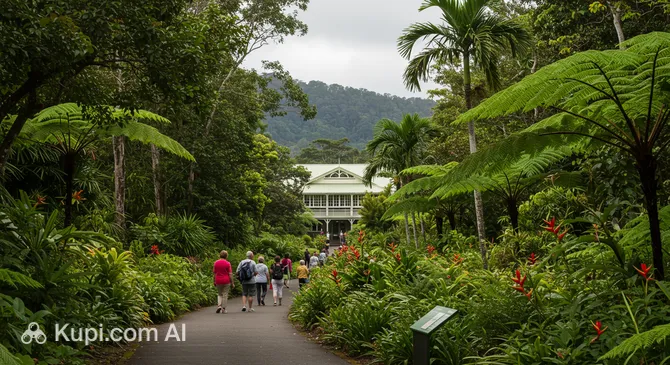
Cairns Botanic Gardens. Illustration.
Source: Kupi.com AI
Traveler photos:
A City Without a Beach: Despite being a world-famous coastal destination, the city center itself does not have a sandy beach. The foreshore is actually a massive tidal mudflat rich in birdlife, which is why the iconic saltwater swimming lagoon was constructed to provide a safe, sandy spot for a dip right in the heart of town.
Australia's First Night Market: The vibrant Cairns Night Markets hold the distinction of being the first of their kind in the country. Since opening in 1991, they have operated every single evening without fail, drawing inspiration from the open-air markets of Southeast Asia and Hawaii.
Ancient Flora: The Cairns Botanic Gardens are home to some of the oldest plant species on Earth. This "living museum" features a renowned collection of primitive ferns and cycads that have remained virtually unchanged for over 100 million years, dating back to the time of the dinosaurs.
The Absent Governor: The city was named in 1876 after Sir William Wellington Cairns, the Governor of Queensland at the time. Ironically, historical accounts suggest that he was transferred to a new post in South Australia shortly after and never actually visited the city that bears his name.
How to Get There
Reaching this tropical paradise is straightforward, with air travel being the most popular choice for international and domestic visitors alike. Whether you are flying in directly or embarking on a coastal road trip, the city is well-connected to the rest of the country. For a detailed breakdown of routes and transport modes, you can read more about how to get to Cairns to help plan your journey.
The primary gateway to the region is Cairns Airport (CNS), which is conveniently located just 4.2 km from the city center. As a major international and domestic hub, it handles a significant volume of passengers annually. The transfer from the terminal to the downtown area is quick, typically taking around 10 to 15 minutes by taxi or shuttle bus. For travelers exploring the broader North Queensland region, Townsville Airport (TSV) in the city of Townsville is another significant entry point, though it is situated approximately 279 km south of Cairns. A drive from Townsville would take roughly 4 hours.
For clarity, here is a summary of the main airports:
Beyond air travel, the city is the northern terminus for the famous Spirit of Queensland rail service. This modern train journey connects Brisbane to Cairns, offering a comfortable and scenic way to view the coastline over a 24-hour trip. Long-distance coaches and driving via the Bruce Highway are also viable options for those who prefer a road adventure.
Main Attractions
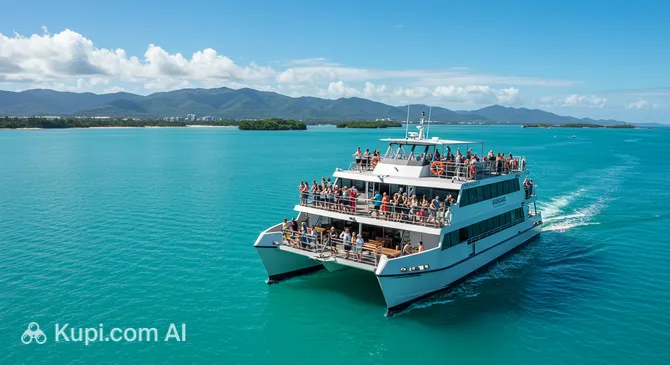
Cairns is globally recognized as the primary launchpad for the Great Barrier Reef, and embarking on one of the Great Barrier Reef Cruises is an essential experience for any visitor. These excursions cater to all comfort levels, offering opportunities to snorkel among vibrant coral gardens, dive with marine life, or simply admire the underwater world from a semi-submersible boat. It is the perfect way to witness the sheer scale and beauty of this natural wonder up close.
Great Barrier Reef Cruises. Illustration.
Source: Kupi.com AI
Traveler photos:
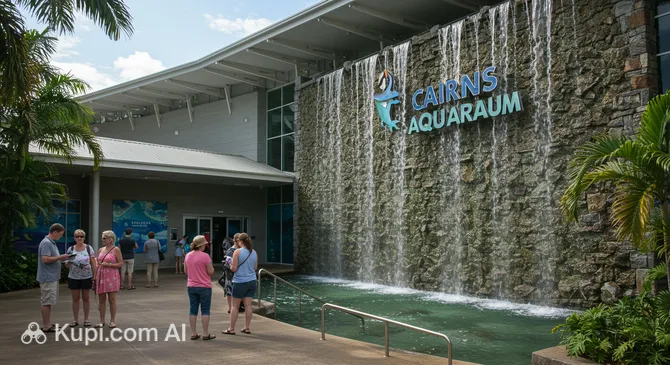
For those who prefer to stay dry while exploring the region's aquatic ecosystems, the Cairns Aquarium provides a spectacular indoor journey. Located conveniently in the city center, this modern facility showcases the unique habitats of North Queensland, from the freshwater rivers of the rainforest to the depths of the Coral Sea. It is particularly interesting for families and nature enthusiasts, offering a chance to see rare species like hammerhead sharks and freshwater sawfish in a controlled environment.
Cairns Aquarium. Illustration.
Source: Kupi.com AI
Traveler photos:
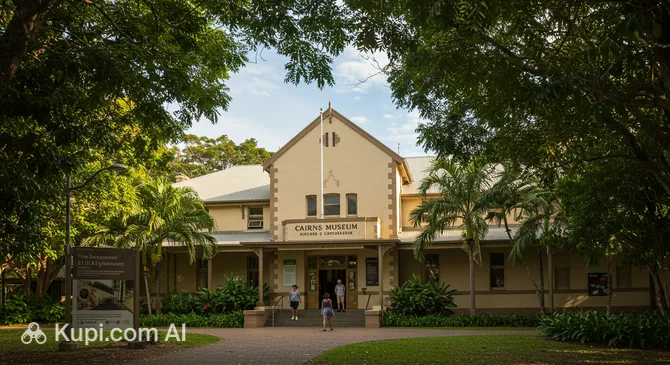
To understand the rich heritage of the region, a visit to the Cairns Museum is highly recommended. Situated in the historic School of Arts building, the museum offers a fascinating look into the city's past, including its indigenous roots, the sugar cane industry, and life in the tropics. The engaging exhibits and personal stories make it an intriguing stop for history buffs wanting to connect with the local culture.
Cairns Museum. Illustration.
Source: Kupi.com AI
Traveler photos:
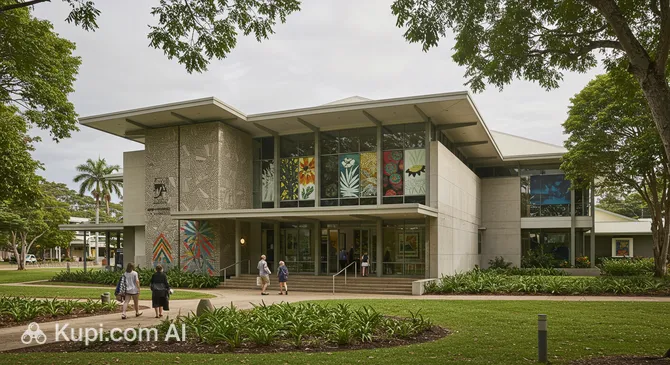
Art lovers will appreciate the Cairns Art Gallery, housed in one of the few remaining heritage government buildings in the city. As the premier regional gallery, it hosts a dynamic range of exhibitions featuring local, national, and international artists, with a strong focus on Aboriginal and Torres Strait Islander works. It serves as a cultural hub where visitors can explore the artistic identity of Tropical North Queensland.
Cairns Art Gallery. Illustration.
Source: Kupi.com AI
Traveler photos:
Local Cuisine
The culinary scene in Cairns is a delightful reflection of its tropical geography, blending fresh seafood from the Coral Sea with exotic fruits and native ingredients from the surrounding rainforests. The city has evolved into a foodie’s paradise, where the atmosphere is as important as the meal, ranging from relaxed waterfront dining to bustling laneway cafes.
Given its coastal location, seafood is the undisputed highlight of any menu here. You simply cannot leave without trying Barramundi, a quintessential Australian fish known for its mild flavor and flaky texture, often caught locally. Fresh tiger prawns and mud crabs are also staples, frequently served on large seafood platters. For those looking to sample these ocean treasures while enjoying spectacular harbor views, Dundees on the Waterfront is a popular choice, famous for its extensive menu that also features an "Australian Sampler" plate.
Dundees on the Waterfront. Illustration.
Source: Kupi.com AI
Traveler photos:
For the adventurous eater, Cairns offers the unique opportunity to taste native Australian "bush tucker." It is not uncommon to find dishes featuring kangaroo, emu, or even crocodile. Crocodile meat, often described as a cross between chicken and fish, is a local specialty that appears in curries, on skewers, or as smoked slices. These exotic proteins provide a true taste of the outback and are prepared with modern culinary techniques to ensure a delicious experience.
The city also takes its coffee and brunch culture very seriously. The warm mornings are perfect for an early start, and locals flock to trendy spots like Caffiend to enjoy locally roasted coffee and creative breakfast dishes that utilize seasonal tropical produce like mangoes, avocados, and dragon fruit. The laneways and side streets are hidden gems for finding these vibrant espresso bars.
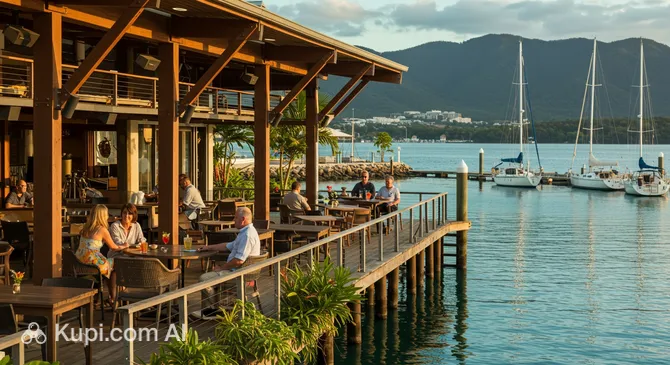
When it comes to dining precincts, the choices are diverse. The Pier Cairns offers a sophisticated array of restaurants and bars right on the water's edge, making it an ideal spot for a sunset dinner. Meanwhile, the Esplanade is lined with lively eateries catering to all budgets. For a more contemporary sharing-plate experience, places like NOA Eat Drink Share in the Edge Hill district or The Chambers in the CBD showcase modern Australian cuisine in stylish settings.
The Pier Cairns. Illustration.
Source: Kupi.com AI
Traveler photos:
To quench your thirst, the region offers plenty of refreshing options. Sugarcane juice is a sweet, non-alcoholic treat that pays homage to the area's agricultural history. For something stronger, the local craft beer scene is booming, with several microbreweries producing lagers and ales suited to the humid climate. Whether you are grabbing a quick bite at the night markets or enjoying a fine dining feast, the food in Cairns is fresh, flavorful, and unpretentious.
Travel Tips
Welcome to Cairns! To help you navigate this tropical paradise with ease and make the most of your adventure, we have compiled a set of essential practical tips. From packing the right gear for the rainforest to understanding local safety protocols, these suggestions will ensure your trip is as smooth and enjoyable as possible.
Clothing and Gear: Given the tropical climate, pack lightweight, breathable fabrics like cotton or linen to stay cool. A wide-brimmed hat, high-quality sunglasses, and reef-safe sunscreen are absolute must-haves to protect against the strong sun. If you are visiting during the wet season (November to April), bring a light rain jacket or poncho. Don't forget comfortable walking shoes for rainforest treks and an electrical adapter for Type I sockets if you are coming from overseas.
Transportation: The city center is compact and flat, making it very walkable. For reaching the northern beaches or suburbs, the Sunbus public bus network is reliable and affordable. However, to truly explore the surrounding region—such as the Atherton Tablelands or the Daintree Rainforest—renting a car is highly recommended. Ride-hailing apps like Uber and standard taxis are also readily available for shorter trips within town.
Finances: The local currency is the Australian Dollar (AUD). Credit and debit cards are widely accepted almost everywhere, and contactless payment ("tap and go") is the norm. ATMs are plentiful throughout the city. Tipping in Australia is not mandatory but is appreciated for exceptional service; a tip of around 10% in restaurants is a kind gesture if you enjoyed the meal.
Health and Safety: Cairns is generally very safe, but nature here commands respect. From November to May, it is "stinger season" (jellyfish season), so you must swim inside the stinger nets at beaches or wear a protective lycra suit. Always observe "Crocodile Warning" signs near creeks and rivers—never swim in unmarked bodies of water. Pharmacies (often called "chemists") are easy to find, and emergency assistance is available by dialing 000.
Communication: English is the primary language, often spoken with a relaxed accent and local slang. A friendly "G'day" is a common greeting. Free Wi-Fi is often available in the city center (Cairns City WiFi), hotels, and cafes. For mobile data, you can easily purchase a prepaid SIM card from Telstra, Optus, or Vodafone at the airport or local supermarkets; Telstra generally offers the best coverage if you plan to head into remote areas.
Local Etiquette: The vibe here is incredibly laid-back. It is polite to greet shop assistants and bus drivers. When using escalators or walking on paths, keep to the left. Dress codes are casual—shorts and flip-flops (thongs) are acceptable in most pubs and clubs, though some upscale venues may require closed shoes for men in the evening.
What to Avoid: Do not touch or stand on the coral when visiting the Great Barrier Reef; it is a fragile living organism. Also, avoid feeding native wildlife, such as birds or wallabies, as it can harm their health and alter their natural behaviors.
Additional Tip: Start your days early! The tropical sun rises early, and the winds on the reef are often calmest in the morning. Plus, many local shops and cafes close earlier than you might expect (often around 5:00 PM), except on Thursday nights when late-night shopping is available.
By keeping these practical tips in mind, you will be well-prepared to embrace the relaxed lifestyle and stunning natural beauty of Cairns. Whether you are snorkeling in the ocean or exploring the city streets, a little preparation goes a long way in ensuring a memorable and hassle-free holiday.
Entertainment & Nightlife
As the sun sets over the mountains and the tropical heat subsides, Cairns transforms into a lively hub of entertainment. The city is renowned for its energetic nightlife, which caters to a diverse crowd ranging from international backpackers seeking a party to couples looking for a sophisticated evening by the water. The atmosphere is generally relaxed and unpretentious, reflecting the laid-back Queensland lifestyle, but there are plenty of venues where the energy runs high until the early hours.
The epicenter of the city's clubbing scene is undoubtedly Spence Street and the surrounding blocks in the Central Business District (CBD). Here, you will find a concentration of dance clubs, pubs, and bars that come alive after dark. For a more upscale experience, the waterfront areas along the Esplanade and the marina offer stylish cocktail bars where you can enjoy a drink with a view of the ocean. The dress code is typically casual—shorts and t-shirts are acceptable in most pubs—but some of the premier nightclubs and casino areas require smart-casual attire, so it is wise to swap flip-flops for closed shoes if you plan a big night out.
One of the most prominent entertainment complexes in the city is The Reef Hotel Casino. Located near the cruise liner terminal, this venue is much more than just a place to gamble. It features multiple bars, live music venues, and often hosts touring acts and shows. The complex is a central meeting point for locals and tourists alike, offering a sophisticated environment to enjoy a night out under one roof. Whether you are looking to try your luck at the tables or simply enjoy a live band with a cocktail in hand, it is a staple of the local nightlife scene.
The Reef Hotel Casino. Illustration.
Source: Kupi.com AI
Traveler photos:
For those who prefer a vibrant atmosphere without the nightclubs, the Cairns Night Markets offer a fantastic alternative. Open every evening, these markets are a bustling maze of stalls selling everything from souvenirs and clothing to massages and local crafts. The food court here is legendary, offering affordable and delicious street food options. It is the perfect place to stroll after dinner, soak up the tropical ambiance, and perhaps pick up a unique memento of your trip.
Cairns Night Markets. Illustration.
Source: Kupi.com AI
Traveler photos:
When planning your evening, keep in mind that the party often starts early. Many bars offer "happy hour" specials around sunset. Safety in Cairns is generally good, but as with any tourist city, it is advisable to stick to well-lit main streets and walk with friends. The city has a secure taxi rank system, and ride-sharing services are widely available to get you home safely. Most venues in the CBD are within walking distance of each other, making bar-hopping easy and convenient.
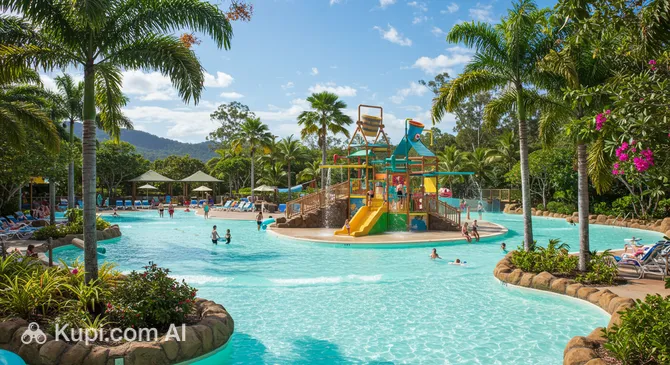
While the nights are exciting, the city also offers plenty of daytime entertainment beyond the reef and rainforest. Families and thrill-seekers can cool off at the Cairns Water Park, a fun-filled attraction featuring inflatable obstacles and slides. For those who enjoy retail therapy, the Cairns Central Shopping Centre provides a comprehensive shopping experience with major brands, cinemas, and dining options, offering a perfect escape from the midday heat.
Cairns Water Park. Illustration.
Source: Kupi.com AI
Traveler photos:
Parks & Museums
While the ocean often steals the spotlight, the city's green spaces and cultural institutions are equally captivating. The heart of outdoor life in the city is undoubtedly the Cairns Esplanade. Stretching for 2.5 kilometers along the foreshore, this scenic promenade is lined with lush parklands, barbecue facilities, and playgrounds. It is the perfect spot for a morning jog, a family picnic, or simply watching the world go by under the shade of massive banyan trees.
Just a short drive from the center, the Cairns Botanic Gardens offer a tranquil escape into a tropical wonderland. Unlike the manicured gardens found in cooler climates, this precinct is a riot of jungle foliage, featuring impressive collections of palms, gingers, and orchids. Adjacent to the gardens, visitors can explore the Centenary Lakes, a freshwater haven teeming with birdlife and connected by boardwalks that weave through paperbark swamps and rainforest environments.
For those interested in the region's heritage, the cultural precinct provides a fascinating insight into North Queensland's identity. The Cairns Museum serves as the custodian of local stories, housing exhibits that range from the area's maritime history to the diverse communities that built the city. It is an excellent place to spend an afternoon, especially when looking to escape the midday heat while learning about the transformation of this coastal settlement.
Art lovers should not miss the Cairns Art Gallery, situated in a beautifully restored government building. The gallery is renowned for its exhibitions that highlight the unique environment and history of the tropics through the eyes of premier regional and national artists. Additionally, the nearby Tanks Arts Centre, located within repurposed WWII oil storage tanks in the Botanic Gardens precinct, offers a truly unique venue for contemporary art and live music, blending industrial history with creative expression.
Getting Around
Navigating Cairns is pleasantly straightforward, as the city center is compact, flat, and laid out in a grid pattern, making it highly walkable. Most visitors find that they can easily explore the main dining precincts, the Esplanade Lagoon, and the marina on foot. However, to reach the popular Northern Beaches, the botanic gardens, or suburban shopping centers, the local public transport network provides a reliable and affordable option.
The primary form of public transport is the bus service operated by Sunbus, which falls under the Translink network. These buses connect the Central Business District (CBD) with major tourist areas, including Palm Cove, Trinity Beach, and Freshwater. The buses are modern, air-conditioned, and generally run frequently during the day, although services can be less frequent in the evenings and on weekends. It is always advisable to check the latest timetables via the Translink website or app before planning a trip.
When it comes to payment, the system in Cairns differs from the major metropolitan hubs like Brisbane. The "go card" used in South East Queensland is not valid here. Instead, passengers typically purchase tickets directly from the bus driver upon boarding. You can buy single one-way tickets, but for tourists planning multiple trips in a day, the Daily Ticket offers excellent value, allowing unlimited travel within the purchased zones until the last service of the day. Payment is generally made in cash, so it is essential to carry small notes and coins, as drivers may not have change for large denominations.
For those seeking more flexibility or travelling late at night, taxis and ride-sharing services like Uber are widely available and popular. Taxis can be hailed on the street, found at designated ranks—especially near the Reef Fleet Terminal and major hotels—or booked by phone. Renting a car is also a very common choice for visitors, as it provides the freedom to explore the wider region, such as the Daintree Rainforest and the Atherton Tablelands, at your own pace. Several car rental agencies operate from both the airport and the city center.
While not standard commuter transport, Cairns boasts some unique transit experiences that serve as major attractions in themselves. The Kuranda Scenic Railway and the Skyrail Rainforest Cableway offer spectacular journeys between the city and the mountain village of Kuranda, providing breathtaking views of the rainforest and waterfalls. Additionally, a fleet of high-speed catamarans and ferries operates daily from the Reef Fleet Terminal, serving as the main "bus service" to the Great Barrier Reef and nearby islands like Fitzroy Island.
Accommodation
Where to Stay:
Accommodation in Cairns is as diverse as its landscape, catering to every type of traveler and budget. The city offers a wide spectrum of lodging options, ranging from lively backpacker hostels and affordable motels to self-contained apartments and luxurious five-star resorts. Whether you are looking for a social atmosphere, a family-friendly environment, or a romantic getaway, you will find a place that suits your needs.
When choosing where to stay, location is a key factor. The Central Business District (CBD) and the Esplanade are the most popular areas for first-time visitors. Staying here places you within walking distance of the Reef Fleet Terminal—the departure point for Great Barrier Reef tours—as well as the swimming lagoon, night markets, and a plethora of dining options. For those seeking a quieter, more relaxed beachside vibe, the Northern Beaches (such as Trinity Beach and Palm Cove) are located about 20 to 30 minutes north of the city and offer a distinct resort-style atmosphere.
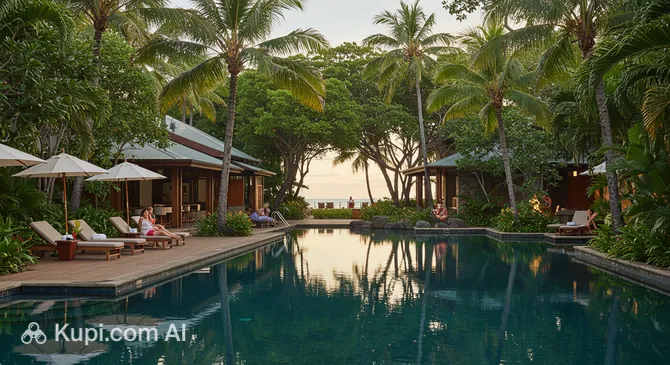
For families and travelers seeking a comprehensive holiday experience just outside the immediate city center, the Cairns Coconut Holiday Resort is a standout choice. This award-winning property is renowned for its extensive range of facilities, including water parks, pools, and recreational activities, making it a destination in itself where guests can unwind without ever leaving the grounds.
Cairns Coconut Holiday Resort. Illustration.
Source: Kupi.com AI
Traveler photos:
Booking Tips: Cairns is a year-round destination, but accommodation can fill up quickly during the peak dry season (June to October) and Australian school holidays. It is highly recommended to book your stay several months in advance during these periods to secure your preferred option and get the best rates.
Price Range: Prices vary significantly depending on the season and the type of accommodation. Budget hostels can be very affordable, while luxury resorts and private apartments command higher rates. Most properties can be easily booked via major online travel platforms or directly through their websites, often offering flexible cancellation policies.
Nearby Cities
For those looking to explore the surroundings, Cairns serves as an excellent base for day trips to several interesting nearby locations. The region is rich in diversity, offering everything from cooler highland retreats to bustling coastal towns.
One of the most accessible escapes is Mareeba, situated just an hour's drive away on the Atherton Tablelands. Known for its thriving coffee plantations and tropical fruit orchards, it offers a scenic change of pace with a pleasant, milder climate. Visitors often stop here to enjoy fresh local produce or explore the nearby granite gorges and wetlands.
For a quick nature fix, Redlynch is practically on the city's doorstep. This leafy area acts as the gateway to the Crystal Cascades, a series of pristine freshwater swimming holes and waterfalls tucked into the rainforest. It is a favorite spot for locals to cool off away from the coast.
Further south lies the major center of Townsville. While it is a longer journey, it rewards travelers with attractions like the Strand foreshore and easy access to Magnetic Island. It serves as a significant urban counterpart to Cairns, offering its own unique slice of North Queensland life.
City
Population
Distance
Redlynch
8 645
8 km
Mareeba
11 079
38 km
Atherton
7 331
49 km
Port Douglas
3 504
58 km
Innisfail
1 145
72 km
These nearby destinations offer a glimpse into the diverse culture and landscapes of the region.
Shopping & Souvenirs
Shopping in Cairns offers a delightful mix of modern convenience and tropical charm. While the city is best known for its outdoor adventures, it also boasts a variety of retail experiences, from air-conditioned shopping malls featuring international brands to vibrant open-air markets showcasing local craftsmanship. Visitors can easily find everything from high-end fashion and beachwear to unique handcrafted souvenirs, all within a relaxed and friendly atmosphere.
The main retail hub is located within the Central Business District (CBD), particularly around the pedestrian-friendly streets near the Esplanade and the marina. Here, you can wander through arcades and laneways lined with surf shops, opal galleries, and boutique stores. For a comprehensive shopping experience, the Cairns Central Shopping Centre is the largest of its kind in Far North Queensland. Situated directly above the main railway station, this sprawling complex houses major department stores, supermarkets, and over 180 specialty shops, making it the go-to destination for fashion, electronics, and daily necessities.
Cairns Central Shopping Centre. Illustration.
Source: Kupi.com AI
Traveler photos:
For those seeking a more upscale environment with scenic views, The Pier Cairns is an excellent choice. Located at the Marlin Marina, this center focuses on luxury fashion, swimwear, and local art, all set against a backdrop of yachts and the Coral Sea. It is a quieter, more sophisticated spot where you can browse exclusive boutiques and then relax at a waterfront café.
Markets are an integral part of the local lifestyle and a must-visit for tourists. The iconic Cairns Night Markets on the Esplanade come alive every evening, offering a bustling maze of stalls selling gifts, clothing, and local products. For foodies, Rusty’s Markets (open Friday to Sunday) is a legendary daytime destination. Although not a place for souvenirs in the traditional sense, it is famous for its exotic tropical fruits, vegetables, and artisanal coffee, providing a colorful sensory experience of the region's agricultural bounty.
When it comes to souvenirs, the city offers plenty of authentic Australian treasures. Popular items to bring back include high-quality opals and pearls, locally produced coffee and tea from the nearby Atherton Tablelands, and macadamia nuts. Indigenous art is also highly sought after; look for galleries that supply certificates of authenticity to ensure you are purchasing genuine works by Aboriginal and Torres Strait Islander artists. Leather goods, particularly those made from kangaroo or crocodile leather, are also durable and unique keepsakes.
Opening hours in the city generally follow standard Australian times. Most shops are open from 9:00 AM to 5:00 PM on weekdays and Saturdays, with Sunday trading usually from 10:00 AM to 4:00 PM. A notable exception is "Late Night Shopping" on Thursdays, when many stores in the major centers stay open until 9:00 PM. The Night Markets operate daily from 5:00 PM until late. Major credit cards (Visa, Mastercard) are accepted almost everywhere, and contactless payment is the norm.
International travelers may be eligible for the Tourist Refund Scheme (TRS), which allows you to claim a refund of the Goods and Services Tax (GST) on goods purchased in Australia. To qualify, you must spend $300 or more (including GST) in a single store and present your tax invoice at the TRS facility at the airport upon departure. It is a great way to save money on significant purchases like jewelry or electronics.