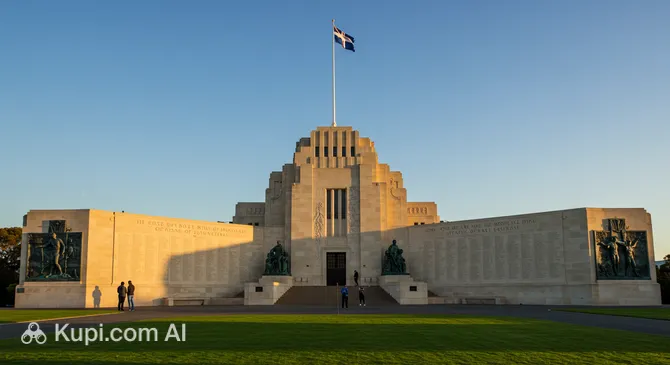
The State War Memorial in Perth is an iconic place of remembrance and honor, dedicated to Australians who served in their country's armed forces. This memorial, like many others in Australia, plays a key role in preserving history and heritage, serving as a reminder of the sacrifices and contributions of service members in various conflicts. It serves not only as a reminder of the past but also as a place for reflection and respect.
The history of creating war memorials in Australia is deeply linked to the desire to immortalize the memory of those who participated in the First World War and subsequent military campaigns. Although specific information about the founding date of the State War Memorial specifically in Perth is limited in the provided data, it is important to note that similar structures across the country were often erected in the period following the First World War, reflecting nationwide grief and pride. These memorials became symbols of collective memory and gratitude.
To understand the significance of such sites, parallels can be drawn with other famous Australian memorials. For example, the Australian War Memorial in Canberra, one of the most prominent in the country, was conceived during the battles of the First World War by official historian Charles Bean and opened in 1941. Another example is the ANZAC War Memorial in Sydney, completed in 1934 in the Art Deco style. These examples highlight the deeply rooted tradition in Australian society of honoring its defenders, and the State War Memorial in Perth is an integral part of this tradition.
Thus, the State War Memorial in Perth is not just an architectural structure, but a sacred place where history, memory, and national pride intertwine. It provides visitors with the opportunity to learn more about Australia's military past and honor those who gave their lives or served the country, ensuring a connection between generations and preserving important historical lessons for the future.