Support

West Coast Wilderness Railway (Queenstown Station)

Nearby attractions

About

Hidden deep in the Tasmanian wilderness is the amazing West Coast Wilderness Railway — a living monument to the golden age of steam. This restored narrow-gauge railway, stretching over 34 kilometers, connects the town of Queenstown with the coast, offering travelers a unique chance to journey through ancient rainforests.
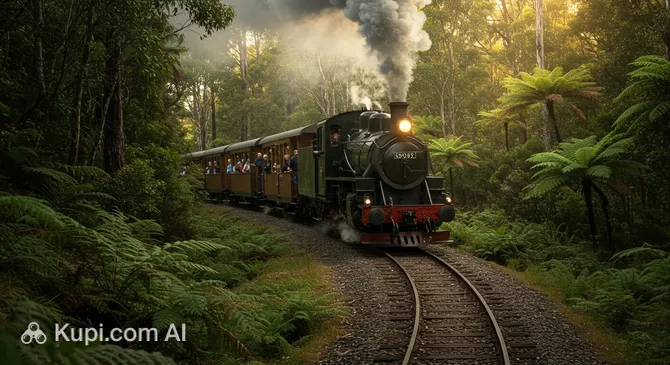
West Coast Wilderness Railway
West Coast Wilderness Railway. Иллюстрация. Источник: Kupi.com AI

The main feature of this technical marvel in Australia is the use of the rare Abt rack and pinion system. This is what allows century-old steam engines to overcome incredibly steep inclines that would be impossible for conventional trains. Today, it is one of the few operating railways of its kind in the world.

A ride here is not just getting from point A to point B, but a true journey back in time. Passengers board authentic wooden carriages pulled by locomotives with more than a century of history, carefully restored to their original glory.

Contacts

For schedule inquiries and booking historic rail journeys, you can use the official contact channels. The main office is located directly at the Queenstown station.

How to contactContact
Address1 Driffield St, Queenstown TAS 7467, Australia
Phone+61 3 6471 0100
Websitewww.wcwr.com.au

What to Do

Visitors can expect breathtaking journeys along several iconic routes. The "Rack and Gorge" trip allows you to witness the famous rack mechanism in action on steep slopes and enjoy views of the deep King River Gorge. For those who prefer more meditative landscapes, the "River and Rainforest" tour, which passes through dense ancient forests to the calm waters of the river, is perfect.

If you want to fully immerse yourself in the region's history, the full-day "Queenstown Explorer" route is worth choosing. It includes not only the full rail journey but also free time in the town itself to wander through its historic streets. Throughout the trip, experienced guides share remarkable stories about the lives of the pioneers and laborers who carved this path through the impenetrable wilderness.

At the Queenstown station itself, be sure to visit the West Coast Wilderness Railway Museum. Its exhibits have been completely renovated and now offer an interactive look into the railway's past. Here you can see rare photographs, tools, and documents that help better understand the scale of the engineering feat once achieved.

Getting There

The historic station is located at 1 Driffield Street, in the heart of the town. Queenstown is situated in the western part of the island, and the road leads along the winding but incredibly scenic Murchison Highway. Traveling by car is the most popular way to get here, allowing you to enjoy the rugged beauty of the Tasmanian mountains.

For those who prefer to start their journey from the coastal village of Strahan, the starting point will be the Regatta Point station. The railway itself runs between these two points. Since public transport is infrequent in this part of the island, tourists most often choose taxis from local hotels or rental cars. It is important to decide on your starting point in advance, as trains run strictly on schedule between these two stations.

Ближайший город: Queenstown

History & Facts

The first rails of this grand railway were laid in 1897. Originally, the project was conceived by the Mount Lyell Mining & Railway Company solely for practical purposes: transporting copper from the rich deposits of Queenstown to the seaport. For a long time, until 1932, the railway remained the only reliable route connecting the town with the rest of civilization.

In the mid-20th century, with improvements in road transport, operating steam locomotives became too expensive. The line was closed in 1963, and it seemed this engineering masterpiece would be forever swallowed by the forest. However, 35 years later, the federal government allocated funds for a large-scale restoration, turning the abandoned tracks into one of the country's main attractions.

The official reopening of the restored tourist line took place in 2003 with the participation of the Prime Minister. Today, the road rightfully holds the status of a World Engineering Heritage site. In 2016, it was awarded the prestigious Engineering Heritage International Marker, confirming the exceptional complexity and uniqueness of this rack-and-pinion system.

Time Needed

Depending on your chosen tour, you should set aside 4 to 8 hours for this adventure. The railway offers both shorter half-day routes and full-scale expeditions that take up the entire day.

If you choose the "Queenstown Explorer" option, be prepared to spend about 8 hours on the trip, including time for stops and excursions. For those who want to experience the legendary Abt system but are limited on time, the four-hour programs are ideal. In any case, this is not an attraction to be visited in a hurry — the beauty of the ancient forest requires contemplation.

Working Hours

It is best to plan your train journey for the first half of the day. The station and ticket office operate on a stable schedule from Monday to Saturday, providing guests with enough time to explore the museum before departure.

Opening Hours:

  • Monday: 09:00 – 16:00
  • Tuesday – Saturday: 08:30 – 16:00
  • Sunday: Closed
Please note that train departure times may change depending on the season, so it is recommended to check the schedule in advance.

DayWorking hours
Понедельник9:00 – 16:00
Вторник8:30 – 16:00
Среда8:30 – 16:00
Четверг8:30 – 16:00
Пятница8:30 – 16:00
Суббота8:30 – 16:00
ВоскресеньеЗакрыто

Nearby

A walk around the station area will allow you to feel the spirit of old Tasmania even more deeply. Queenstown is a town with a rich mining past, and many of its attractions are literally within a few minutes' walk from the station.

Exploring local museums and historic hotels will be a great addition to your train ride, helping to recreate the full picture of life in this remote corner of the planet.

NameDistance
Tracks Cafe0 km
Horsetail Falls2.8 km

Reached the end of the page?

That means the route is fully explored