Support

Duck Reach Power Station

About

Did you know where the first public hydroelectric power station in the Southern Hemisphere was built? The Duck Reach Power Station is an outstanding monument of industrial architecture, located on the picturesque banks of the South Esk River. This site was a real breakthrough for the city of Launceston, providing its residents with energy for 60 long years.
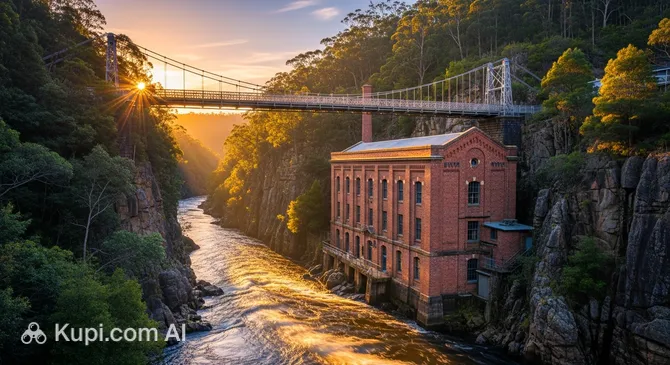
Duck Reach Power Station
Duck Reach Power Station. Иллюстрация. Источник: Kupi.com AI

Today, the station in Australia has been transformed into a unique museum and interpretation center. Here, the old stone walls keep stories of engineering achievements from the late 19th century. Visitors can see authentic equipment from those years and learn how the power of falling water was converted into light for city streets.

This place attracts not only technology enthusiasts but also lovers of natural beauty. The station is harmoniously integrated into the landscape of the reserve, creating a fascinating symbiosis of industrial heritage and wild Tasmanian nature.

Contacts

For up-to-date information on museum hours and possible events, you can consult the city's official resources. The power station is part of a large nature reserve, so a visit is often combined with walks through the park.

How to contactContact
Address1 Corin St, Trevallyn TAS 7250, Австралия

What to Do

A visit to the museum begins with an introduction to the context: guests are invited to watch a 10-minute film that reveals the secrets of the station's construction and operation. Inside, you will find updated information panels that explain the technical processes in an accessible way. Particular attention should be paid to the original turbo-generator, which is the heart of the exhibition and clearly demonstrates the power of past technologies.

Beyond exploring the museum halls, there are plenty of outdoor activities to enjoy here. The walking trails along the South Esk River are perfect for landscape photography. The combination of the building's ancient stonework, metal bridges, and turbulent river flows makes for magnificent shots. It's a great place to feel the scale of engineering thought and enjoy the silence of the Cataract Gorge Reserve.

Getting There

Getting to this historic site from the city center is quite simple. The most convenient way is by car towards the Trevallyn area. The journey takes about 10–15 minutes. Visitor parking is available near the entrance to the reserve.

If you prefer public transport, you can take a bus to the Trevallyn district and then enjoy a pleasant walk to Corin Street. A taxi is also a reliable option, which can drop you off right at the start of the trail leading to the station.

For outdoor enthusiasts, there is a scenic hiking route from Cataract Gorge. The path runs along the western bank of the South Esk River, allowing you to fully enjoy Tasmania's natural beauty before diving into the region's industrial history.

Ближайший город: Launceston

History & Facts

The Duck Reach project was truly revolutionary for its time. In 1892, engineer Charles St John David selected this site for the construction of the first municipal hydroelectric power station in the Southern Hemisphere. The official launch took place on February 1, 1896, although test runs to power arc lamps on the streets were conducted as early as December 1895.

The station's initial equipment included eight turbines from the Siemens company. As the city grew, so did the demand for energy; by 1926, after several upgrades, the facility's capacity reached an impressive 2 megawatts. However, the station's history also saw difficult times — in 1929, a massive flood on the South Esk River nearly destroyed the equipment, but the station was successfully restored and returned to service.

In 1944, management of the facility was transferred to the Hydro-Electric Commission of Tasmania. The station faithfully served the city until 1955, when its functions were taken over by the new Trevallyn Power Station. Today, this building is recognized as an important monument of engineering heritage, serving as a reminder of a time when electricity was a true technological marvel.

Time Needed

A standard tour of the museum's exhibition and the former station grounds usually takes about 1 to 1.5 hours. This is enough time to watch the historical video, study the information panels, and examine the preserved turbo-generators.

If you plan to combine your museum visit with a walk along the trails of the Cataract Gorge reserve and a photo session by the river, it's better to set aside about half a day. The surrounding nature is perfect for slow-paced relaxation and contemplation.

Working Hours

The museum is open to visitors daily, making it easy to include in your travel itinerary. The doors of the Duck Reach Power Station are open from 09:00 to 17:00, seven days a week.

Despite the stable schedule, it is worth checking the official website or consulting the visitor center before your trip, as access may be temporarily restricted in case of maintenance work in the park area.

09:00–17:00

Nearby

The area around the power station offers many interesting sites for those who want to explore the history and nature of this region more deeply. A walk through the surroundings will allow you to see both historic architectural monuments and modern entertainment centers.

NameDistance
Cataract Gorge Reserve1.6 km
Gorge Scenic Chairlift1.7 km
Penny Royal Adventures2.4 km
LexFun2.5 km
Saint John Craft Beer Bar3.3 km
Tinka Coffee Brewers3.3 km
National Automobile Museum of Tasmania3.4 km

Reached the end of the page?

That means the route is fully explored