Support

Launceston

About

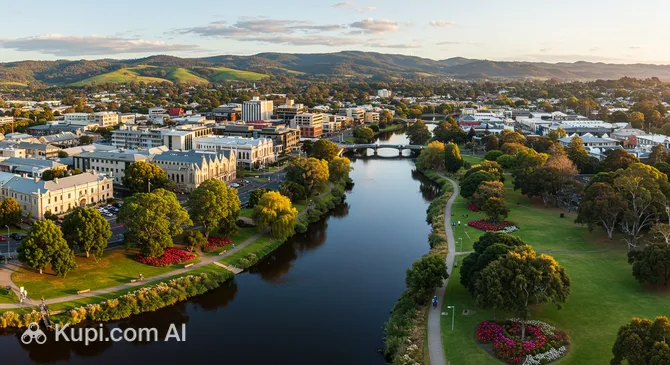
Welcome to Launceston, a charming riverside city located in the north of Tasmania. As one of the oldest cities in Australia, it boasts a unique blend of historical elegance and modern vibrancy. Known for its well-preserved colonial architecture and thriving gastronomy scene, Launceston offers a relaxed atmosphere that captivates visitors from the moment they arrive.
Launceston. Source: Kupi.Binoculars

Geographically, the city is situated where the North Esk and South Esk rivers meet to form the Tamar River, creating a picturesque valley setting. With a population of approximately 106,000 people, it serves as a major hub for the region while maintaining a friendly, community-focused feel. Visitors often appreciate the distinct four seasons here, which paint the city's parks and gardens in ever-changing colors.

The city's rich heritage is evident in its streetscapes. A stroll through the center reveals one of the most intact collections of Victorian and Georgian buildings in the country. You can dive deeper into the fascinating history of Launceston by exploring these architectural gems or visiting local museums that chronicle the area's development from a colonial settlement to a bustling regional center.

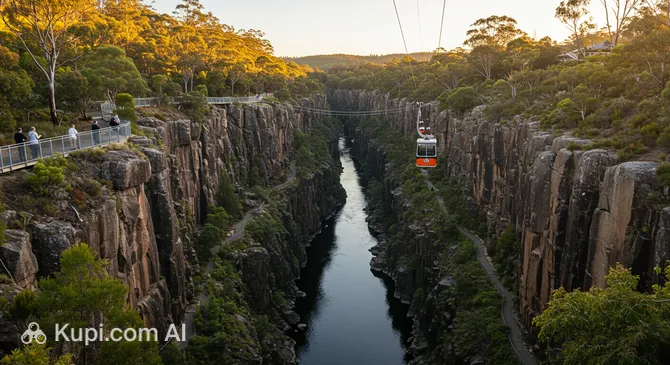
Nature and culture seamlessly intertwine here. The spectacular Cataract Gorge is a unique natural formation located just a short walk from the city center, offering hiking trails, a chairlift, and swimming pools. For a more manicured experience, City Park is a delightful spot known for its Japanese Macaque enclosure and beautiful conservatory. Additionally, the Queen Victoria Museum and Art Gallery stands as a cultural beacon, showcasing fine art and natural history.

Whether you are looking to explore the renowned Tamar Valley wine region or simply enjoy a quiet weekend getaway, Launceston is an exceptional destination. Its combination of natural beauty, historical depth, and warm hospitality makes it a must-visit stop on any Tasmanian itinerary.
Weather Overview

Travelers visiting this part of Tasmania will experience a temperate climate defined by four distinct seasons. To plan your activities and packing list effectively, it is helpful to review the current weather in Launceston. Generally, the region is known for its comfortable, warm summers and cool, crisp winters, offering a different atmosphere depending on when you choose to visit.

The summer months, particularly January, are ideal for outdoor adventures, with average temperatures around 17.7°C and daytime highs reaching a pleasant 22.8°C. This period is relatively drier, though you can still expect about 9 wet days per month. As the year progresses into autumn, temperatures gradually cool, creating a fresh environment for exploring the city's parks.

Winter brings a distinct chill to the air, with July being the coldest month. Average temperatures drop to approximately 7.1°C, and nights can be quite cold, with lows dipping to 3.5°C. This season also sees an increase in rainfall frequency; August, for instance, typically records around 14 wet days. Visitors during this time should come prepared with warm layers and waterproof clothing to stay comfortable while enjoying the city's cozy indoor attractions.

Interesting Facts

Beyond the main attractions, Launceston holds many fascinating secrets and historical firsts that often surprise visitors. Dig a little deeper into the local lore to discover these unique aspects of the city.

Gorge Scenic Chairlift. Source: Kupi.Binoculars
  • Launceston is home to a troupe of Japanese Macaques living right in the city center. You can observe these playful primates at City Park, where a special enclosure was established to house the monkeys gifted by Launceston’s sister city, Ikeda, in Japan.

  • The city holds a significant place in medical history as the site of the first use of anesthetic in the Southern Hemisphere. In 1847, Dr. William Russ Pugh successfully performed an operation using ether, marking a major advancement in Australian healthcare.

  • Launceston was the first city south of the equator to be lit by hydroelectricity. The historic Duck Reach Power Station harnessed the powerful flow of the South Esk River to illuminate the streets, paving the way for renewable energy in the region.

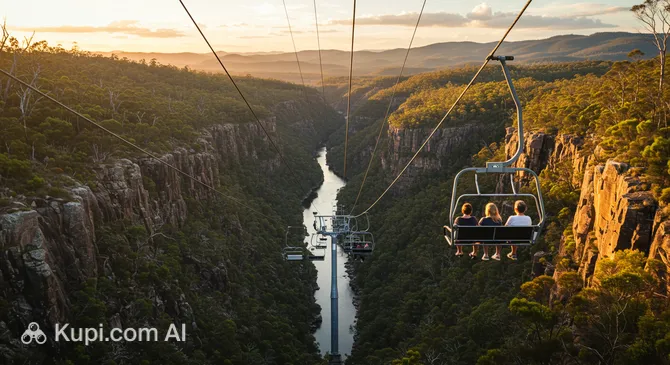
  • The Gorge Scenic Chairlift is famous for having the longest single span of any chairlift in the world. Suspended high above the Cataract Gorge Reserve, it offers a thrilling and unobstructed view of the spectacular natural basin below.

How to Get There

Reaching this Tasmanian city is relatively straightforward, with air travel being the most convenient method for visitors coming from mainland Australia. While the island state is separated from the continent by the Bass Strait, frequent flights and ferry connections make the journey easy. For a detailed overview of all transport options, including driving routes and ferry services, you can read more about how to get to Launceston.

The most direct way to arrive is via Launceston Airport (LST), which is situated just a short distance from the city center. As the second-busiest hub in the state, it offers regular connections to major cities like Melbourne, Sydney, and Brisbane. The airport is located approximately 13.5 km from the central business district, and a transfer by taxi or shuttle bus typically takes about 20 to 25 minutes, making it an extremely accessible entry point for tourists.

Alternatively, visitors may choose to fly into Hobart International Airport (HBA) in the capital city of Hobart, located to the south. Although this airport is about 158 km away, it serves as the primary gateway to Tasmania with higher passenger traffic and more frequent flight options. Renting a car or taking a bus from Hobart allows travelers to enjoy a scenic drive through the Tasmanian midlands, with the journey to Launceston taking approximately 2.5 hours.

For clarity, here is a summary of the main airports:

Airport Name City Passenger Traffic Km from City
Hobart International Airport Hobart Large 158.2
Launceston Airport Launceston Medium 13.5
Devonport Airport Devonport Small 66.2
Burnie Wynyard Airport Burnie Small 127.5

Main Attractions

Launceston offers a diverse range of activities, from exploring wild natural landscapes to discovering industrial heritage and classic automobiles. Whether you are an outdoor enthusiast or a history buff, the city's top sights provide memorable experiences for every type of traveler.

Undoubtedly the crown jewel of the city's natural attractions is the Cataract Gorge Reserve. Located just a short walk from the city center, this stunning geological formation features a powerful river carving through rugged cliffs. Visitors can explore the area via walking tracks, cross the iconic suspension bridge, or relax by the swimming pool in the warmer months. It is a rare urban wilderness that allows you to feel miles away from civilization while remaining close to modern amenities.

Cataract Gorge Reserve. Source: Kupi.Binoculars

For those interested in Tasmania's rich brewing history, a visit to Boag's Brewery is a must. Founded in 1881, this historic facility is situated on the banks of the Esk River and continues to produce some of Australia's most celebrated beers. Guided tours offer a fascinating glimpse into the brewing process, combining traditional techniques with modern technology, and typically conclude with a tasting session that highlights the quality of local ingredients.

Boag's Brewery. Source: Kupi.Binoculars

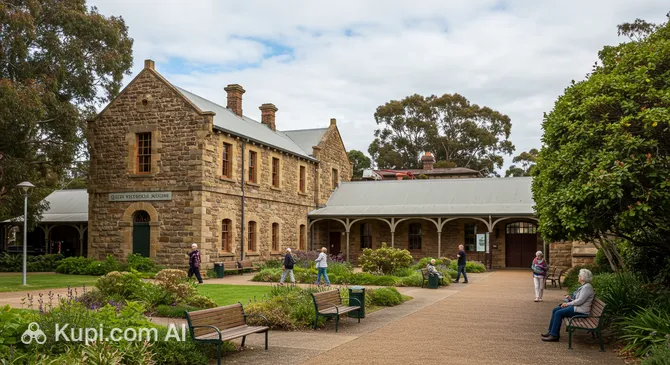
Culture seekers will find plenty to admire at the Queen Victoria Museum at Inveresk. Housed in a beautifully restored railway workshop, this institution is one of Australia's best regional museums. It features diverse exhibitions ranging from Tasmanian history and natural sciences to the phenomenally popular Planetarium. The site itself is a testament to adaptive reuse, blending industrial architecture with engaging educational displays.

Queen Victoria Museum at Inveresk. Source: Kupi.Binoculars

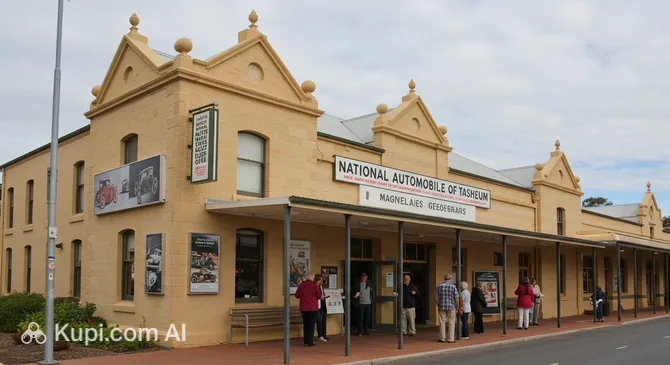
Car enthusiasts should not miss the National Automobile Museum of Tasmania. This attraction showcases an impressive collection of vintage and classic vehicles, highlighting the evolution of motoring design and engineering. The exhibits are regularly rotated, ensuring that there is always something unique to see, from rare luxury cars to high-performance racing machines that define the golden age of automobiles.

National Automobile Museum of Tasmania. Source: Kupi.Binoculars

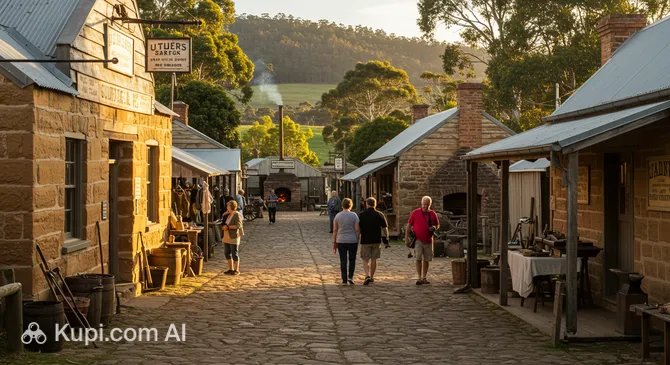
Families and adventure lovers often flock to Penny Royal Adventures. This complex brings local history to life with a mix of thrill-seeking activities and storytelling. You can enjoy cliff walks, rock climbing, and boat rides, or simply wander through the restored 19th-century village setting. It provides an interactive way to learn about the region's convict past while enjoying an action-packed day out.

Local Cuisine

Local Cuisine:

Launceston has firmly established itself as one of Australia's premier food destinations, a status recognized by its designation as a UNESCO City of Gastronomy. The city serves as the hub for Northern Tasmania's fertile agricultural lands, meaning that menus here are driven by the seasons and an abundance of fresh, high-quality local produce. From farm-gate stalls to fine dining establishments, the connection between the grower and the chef is palpable, creating a culinary scene that is honest, vibrant, and incredibly flavorful.

When it comes to signature dishes, seafood is a standout. The pristine waters around Tasmania yield some of the world's best Pacific oysters, rock lobster, and scallops. You should also look out for dishes featuring grass-fed Tasmanian beef and lamb, which are renowned for their tenderness and flavor. In the cooler months, the region becomes a haven for black truffles, often shaved generously over pasta or eggs in local bistros. For something sweet, try anything made with Leatherwood honey, a unique Tasmanian product with a distinctively spicy and floral taste.

The beverage culture in Launceston is just as impressive as the food. The city is on the doorstep of the Tamar Valley, a wine region famous for its exceptional sparkling wines, Pinot Noir, and Chardonnay. If you prefer beer, the local brewing tradition runs deep. Beyond the major historic breweries, there is a thriving craft beer scene. Places like Saint John Craft Beer Bar offer an extensive selection of local and international craft brews, making it a popular spot for connoisseurs looking to taste unique Tasmanian ales.

Saint John Craft Beer Bar. Source: Kupi.Binoculars

For a quintessential local dining experience, Saturday mornings at the Harvest Launceston Community Farmers' Market are unmissable. Here, tourists mingle with locals to buy artisan cheeses, sourdough bread, and seasonal fruits directly from the producers. For a sit-down meal, the city offers a mix of historic charm and modern innovation. You might enjoy a sophisticated dinner at Stelo at Pierre's, where the menu focuses on locally sourced ingredients prepared with Italian flair.

Stelo at Pierre's. Source: Kupi.Binoculars

The city's pub culture also offers a cozy way to enjoy a meal, often accompanied by live music. Historic venues like The Royal Oak Hotel provide a traditional atmosphere where you can enjoy hearty pub classics and soak up the local social vibe. Whether you are snacking on street food at a market or enjoying a multi-course degustation overlooking the river, Launceston's food scene promises to be a highlight of your trip.

Travel Tips

To ensure your visit to this beautiful riverside city is as smooth and enjoyable as possible, we have compiled a set of essential travel tips. These practical guidelines will help you navigate local customs, prepare for the Tasmanian climate, and make the most of your time in Northern Tasmania.

  1. Clothing and Gear: The weather in Tasmania can be quite changeable, often described as having "four seasons in one day." It is essential to pack layers—bring a waterproof jacket and a warm jumper even in summer, as evenings can get chilly. Since Launceston is best explored on foot, especially around the Gorge, sturdy and comfortable walking shoes are a must. Also, do not underestimate the sun; the UV index in Australia is very high, so bring a hat, sunglasses, and high-SPF sunscreen.

  2. Transportation: While the city center is compact and walkable, public transport is somewhat limited compared to larger mainland cities. The Metro Tasmania bus network covers the city and suburbs, but frequencies can be low on weekends. To fully explore the surrounding Tamar Valley wineries or coastal regions, renting a car is highly recommended. Ride-hailing apps like Uber and standard taxis are also readily available for shorter trips within town.

  3. Finances: The currency is the Australian Dollar (AUD). Card payments are almost universally accepted, and "tap and go" is the standard method for everything from coffee to museum tickets. However, it is useful to carry a small amount of cash if you plan to visit local markets. Tipping is not mandatory in Australia, but leaving a 10% tip for exceptional service in restaurants is appreciated.

  4. Health and Safety: Launceston is generally a very safe city for tourists. Pharmacies (often called "chemists") are widely available, though they may not be open 24/7, so plan ahead for prescriptions. In case of any serious emergency, dial 000 for police, fire, or ambulance services. The tap water is clean and safe to drink, so bring a reusable bottle to stay hydrated.

  5. Communication: English is the spoken language, often peppered with local slang—don't be surprised to be addressed as "mate." For mobile data, coverage is generally good in the city, but if you plan to travel to remote wilderness areas, the Telstra network typically offers the widest reach. Free public Wi-Fi is often available in the CBD and at the local library.

  6. Local Etiquette: Tasmanians are known for their friendly and laid-back attitude. A simple "G'day" or "How are you?" is a common greeting. When using escalators or walking on paths, always keep to the left to allow others to pass. It is also polite to greet your bus driver when boarding and thank them when getting off.

  7. What to Avoid: Avoid expecting late-night shopping or dining options, especially early in the week. Launceston is a regional city, and many shops close by 5:00 PM, with kitchens in restaurants often closing around 8:30 PM or 9:00 PM. Also, be careful when driving at dusk or dawn outside the city limits, as local wildlife (like wallabies and wombats) is very active and often wanders onto roads.

  8. Market Tip: If you are in town on a Saturday morning, do not miss the Harvest Market. It is not just a place to buy food; it is a local ritual. Arrive early (around 8:30 AM) to grab the freshest pastries and coffee, and take the opportunity to chat with local producers for insider tips on where to eat and visit.

By keeping these practical tips in mind, you will be well-prepared to relax and immerse yourself in the unique rhythm of Launceston. Enjoy the fresh air, the friendly faces, and the incredible natural beauty that this Tasmanian gem has to offer!

Entertainment & Nightlife

Launceston offers a nightlife scene that is relaxed, welcoming, and full of character. While it may not have the high-energy clubbing intensity of larger Australian capitals, the city excels in providing high-quality experiences centered around socializing, live music, and excellent local beverages. The evening atmosphere here is sophisticated yet unpretentious, making it easy for visitors to mingle with friendly locals in historic pubs and modern venues.

The main hub for evening entertainment is the Central Business District, particularly along Charles Street and George Street. These areas are lined with a variety of establishments, from cozy wine bars to lively pubs. The Seaport precinct is another excellent district to explore after dark, offering a scenic setting where you can enjoy a drink while overlooking the Tamar River.

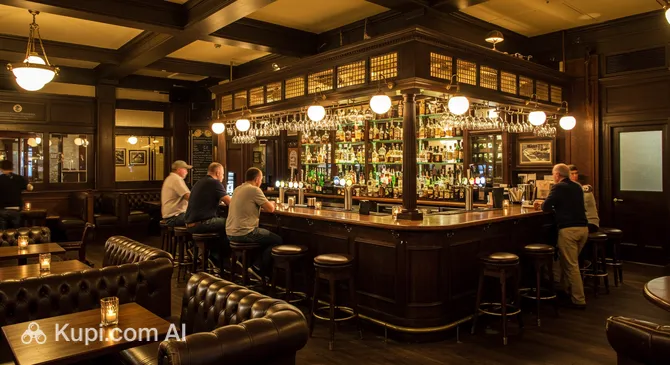
For beer enthusiasts, Saint John Craft Beer Bar is an essential stop. Known for its cool, industrial vibe and an impressive rotation of independent craft ales, it is a favorite hangout for those who appreciate a quality brew. If you are looking for live entertainment, The Royal Oak Hotel is a legendary institution in the city. This historic venue is renowned for its spirited atmosphere and frequent live music performances, ranging from jazz to local rock bands.

The Royal Oak Hotel. Source: Kupi.Binoculars

Travelers seeking a more polished evening should consider visiting Stelo at Pierre's. While also a dining destination, its bar offers an elegant space to sample fine Tasmanian wines and creative cocktails. The dress code across most of Launceston’s nightlife is smart casual; you will feel comfortable in neat attire without the need for formal wear.

Practicality is key when planning a night out here. The nightlife tends to peak on Friday and Saturday nights, and it is worth noting that venues often close earlier than in bigger cities, with many bars calling "last drinks" around midnight. The city center is generally very safe for walking at night, but for peace of mind, it is recommended to use a taxi or ride-sharing service like Uber to return to your accommodation.

During the daylight hours, the entertainment options are equally engaging. Families and thrill-seekers can head to Penny Royal Adventures, a unique complex offering cliff walks, rock climbing, and historical storytelling. For a cultural fix, the Queen Victoria Museum at Inveresk and the National Automobile Museum of Tasmania provide fascinating exhibits that offer a perfect change of pace before the evening begins.

Penny Royal Adventures. Source: Kupi.Binoculars

Parks & Museums

Launceston is a city where urban life and nature coexist in perfect harmony, offering visitors a wealth of green spaces and cultural institutions to explore. From manicured Victorian gardens to rugged wilderness just minutes from the CBD, the city's parks are complemented by museums that offer deep insights into Tasmanian history, art, and innovation.

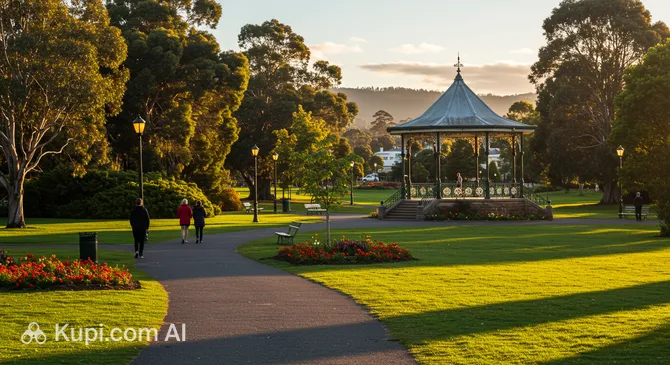
One of the most beloved green spaces in the city is City Park. Established in the 1820s, this park is a splendid example of Victorian landscape design, featuring mature trees, shrubs, and annual flower displays that bloom vibrantly throughout the year. A major highlight for many visitors is the enclosure of Japanese Macaques, a gift from Launceston's sister city, Ikeda. The park also houses the John Hart Conservatory, filled with exotic plants, making it a relaxing spot for a leisurely stroll or a family picnic.

City Park. Source: Kupi.Binoculars

For a more immersive nature experience, the Cataract Gorge Reserve remains the city's premier natural attraction. While often visited for its dramatic cliffs and river, the reserve also features the beautiful Cliff Grounds on the northern side. Here, you can walk among roaming peacocks and native wildlife in a setting that feels like a secret garden hidden within the wilderness. It is an exceptional place to disconnect and enjoy the tranquility of the bushland without leaving the city limits.

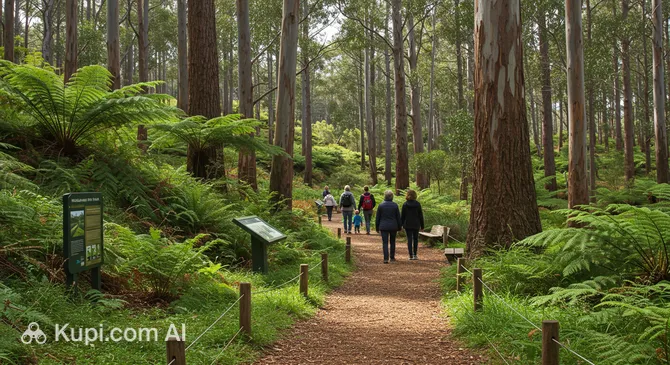
Another excellent outdoor area is the Heritage Forest. Located near the Inveresk precinct, this park was transformed from a former industrial site into a thriving arboretum and recreational space. It features walking and cycling trails that wind through native vegetation, offering views of the city and the Tamar River. It is a favorite among locals for jogging and dog walking, providing a quieter alternative to the more tourist-heavy spots.

Heritage Forest. Source: Kupi.Binoculars

When it comes to culture, the Queen Victoria Museum at Inveresk is a cornerstone of the city's identity. As one of Australia’s leading regional museums, it dives deep into local stories, from the prehistoric past to the industrial era. Visitors are often captivated by the "Phenomena Factory," a hands-on science center, and the Planetarium, which offers guided tours of the southern night sky. The museum effectively preserves the region's heritage while engaging visitors of all ages with interactive learning.

Just across the road, motoring enthusiasts will find the National Automobile Museum of Tasmania. This facility is more than just a showroom; it is a dynamic celebration of automotive history. The museum’s collection is constantly rotating, meaning you might see anything from a rare 1930s tourer to a modern supercar. It provides a fascinating look at how cars have influenced culture and lifestyle in Tasmania and beyond.

For an authentic local experience, take the time to explore the "Zig Zag" track in the Cataract Gorge or visit the community garden within Heritage Forest. These lesser-known corners offer unique vantage points for photography and a chance to see how the locals utilize these beautiful public spaces in their daily lives.

Getting Around

Navigating Launceston is relatively straightforward due to its compact size and logical street layout. Unlike larger Australian capitals, the city does not have a metro or tram system; instead, it relies on a reliable network of buses and an increasing number of micromobility options. For most visitors staying in the central district, a combination of walking and these services is perfectly adequate for reaching the main sights.

The public transport network is operated by Metro Tasmania. These buses connect the Central Business District (CBD) with surrounding suburbs and key points of interest. While frequencies are generally good on weekdays, it is important to note that services can be limited on weekends and public holidays. It is highly recommended to check route maps and timetables in advance using the Metro Tas app or standard navigation tools like Google Maps to plan your journey effectively.

For fare payment, the smartest option is to use a Greencard. This smart card offers a significant discount compared to purchasing single tickets with cash and includes a daily cap, which makes multiple trips more affordable. You can buy and top up a Greencard at the Metro Shop in the city or at designated agents. While you can still pay with cash on board, using the card is faster and cheaper—simply tap it on the reader when you board the bus.

Given the city's relatively flat center, walking is often the most pleasant way to get around. Many of Launceston's historic landmarks, shops, and dining precincts are clustered closely together. You can easily stroll from the retail hub to major attractions like City Park or the Queen Victoria Museum at Inveresk without needing a vehicle.

For faster short-distance travel, e-scooters have become a popular fixture in the city. Operators like Beam and Neuron provide fleets of electric scooters (typically purple or orange) that can be located and unlocked via their respective smartphone apps. They offer a fun and efficient way to zip along the riverfront or move between the CBD and the Seaport precinct. Just be sure to wear the provided helmet and ride responsibly in designated areas.

If you require a private transfer, standard taxis and ride-sharing services like Uber are readily available throughout Launceston. These are particularly useful for late-night travel when bus services have ceased, or for direct transfers to Launceston Airport. However, if you plan to venture further into the Tamar Valley wine region or visit attractions on the outskirts, renting a car remains the most flexible option for independent exploration.

Accommodation

Finding the perfect place to stay in Launceston is relatively easy, as the city offers a diverse range of accommodation options to suit various tastes and budgets. Whether you are looking for the charm of a restored historic building, the convenience of a modern apartment, or the social atmosphere of a backpacker hostel, you will find something that fits your needs. The hospitality sector here prides itself on a personal touch, often reflecting the friendly and laid-back nature of the Tasmanian lifestyle.

The most convenient area for tourists is undoubtedly the Central Business District (CBD). Staying here places you within walking distance of major attractions, the city's best cafes, and the public transport hub. For those who prefer scenic waterfront views, the Seaport precinct is an excellent choice. This area offers modern hotel suites and apartments overlooking the Tamar River, with a boardwalk lined with restaurants right at your doorstep. Alternatively, if you want to be closer to nature, there are several charming bed and breakfasts and motels located near the entrance to the Cataract Gorge.

Travelers should note that Launceston is a popular gateway to Tasmania, and accommodation can fill up quickly, especially during the peak summer months (December to February) and during major local festivals. It is highly recommended to book your accommodation well in advance—ideally a few months ahead—to secure your preferred dates and the best rates. During the quieter winter season, you may have more flexibility and even find special deals.

In terms of pricing, the city is generally more affordable than Sydney or Melbourne, but costs can vary. Budget travelers can expect to pay between $40 and $80 AUD per night for hostel beds or budget motel rooms. Mid-range hotels and serviced apartments typically range from $150 to $250 AUD per night, while luxury boutique hotels and high-end suites can exceed $300 AUD. Most properties can be easily booked via major online travel platforms, though booking directly through a hotel's website can sometimes offer additional perks or flexible cancellation policies.

Nearby Cities

For those looking to explore the surroundings, Launceston serves as an excellent base for day trips to several interesting nearby locations.

Located approximately an hour to the northwest, Devonport is a vibrant coastal city situated at the mouth of the Mersey River. As the gateway for the Spirit of Tasmania ferry, it has a strong maritime connection, which can be explored at the Bass Strait Maritime Centre. Visitors can enjoy scenic walks along the coast to the iconic Mersey Bluff Lighthouse or relax on the city's beaches.

Further along the coast lies Burnie, a port city that combines industrial heritage with a flourishing arts scene. It is known for its distinct Art Deco architecture and the Makers' Workshop, where you can watch local artisans creating paper and cheese. Nature lovers will appreciate the nearby Emu Valley Rhododendron Garden and the chance to spot little penguins at the shore.

Although it requires a longer drive to the south, Hobart is the state capital and offers a wealth of cultural attractions. Set beneath the imposing Mount Wellington, the city is famous for the historic sandstone warehouses of Salamanca Place and the cutting-edge Museum of Old and New Art (MONA). The journey through the Tasmanian Midlands to get there is scenic and historic in its own right.

City Population Distance (km)
Hobart 222356 161
Burnie 27174 112
Latrobe 26900 358
Traralgon 24933 364
Devonport 23046 72

These nearby destinations offer a glimpse into the diverse culture and landscapes of the region.

Shopping & Souvenirs

Shopping in Launceston offers a relaxed and authentic experience, far removed from the hustle of major metropolitan centers. The city's retail heart is compact and easily walkable, centered around the Brisbane Street Mall and the historic Quadrant Mall. Here, visitors can wander through a mix of national department stores, independent boutiques, and charming arcades that feature Victorian-era architecture, making a simple shopping trip feel like a stroll through history.

For those looking to take home a piece of Tasmania, the city is an excellent place to find high-quality local crafts. The region is renowned for its timber, particularly the fragrant Huon Pine, and you will find several specialty stores offering beautifully handcrafted wooden furniture, kitchenware, and ornaments. Additionally, local galleries and design shops showcase the work of talented Tasmanian artists, ranging from ceramics and glass art to woolen knitwear perfect for the cooler climate.

Food lovers will find plenty of opportunities to purchase gourmet souvenirs. The weekly Harvest Market is a treasure trove for fresh seasonal produce, artisan cheeses, and preserves, allowing you to buy directly from the growers. If you are interested in the region's famous beverages, the shop at Boag's Brewery stocks a wide selection of beers and branded merchandise that make for great gifts.

Cultural institutions also offer unique shopping experiences. The gift shop at the Queen Victoria Museum at Inveresk is a fantastic spot to find educational books, scientific toys, and souvenirs inspired by the island's natural history. Whether you are hunting for a rare antique or a modern design piece, Launceston’s shopkeepers are known for their friendly service and local knowledge.

Visitors should be mindful of local trading hours. Most shops in the city center open around 9:00 AM and close by 5:00 PM on weekdays and Saturdays. On Sundays, options can be more limited, with many smaller boutiques remaining closed, so it is best to plan your major shopping excursions for earlier in the week to ensure the widest selection is available.

Reached the end of the page?

That means the route is fully explored