Support

Hobart International Airport

About the Airport

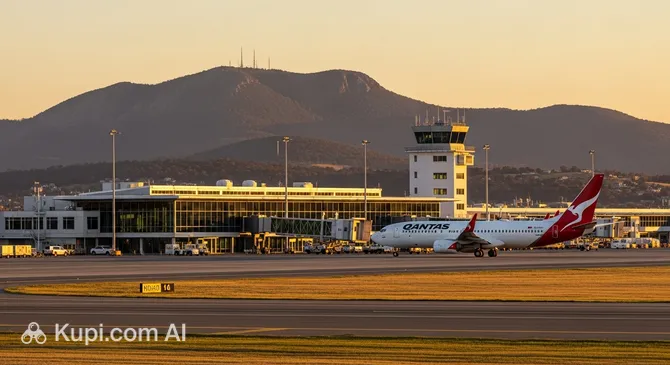
Hobart International Airport. Source: Kupi.com Binoculars

Hobart International Airport (HBA) is the main gateway to Tasmania, welcoming travellers with some of the most scenic approach views in Australia. Located just 17 kilometres from the city centre, this airport is not only the starting point for exploring the island's unique nature but also a strategically important hub. It serves both domestic and international destinations and acts as an exclusive base for scientific and tourist expeditions to Antarctica. Despite its relatively small size, the airport ranks among the top ten busiest in the country, highlighting its high significance for the entire region.

IATA Code HBA
ICAO Code YMHB
City Hobart, Australia
Distance to Centre 17 km
Status International
Annual Passengers Over 2.8 million
Popular Airlines Qantas, Jetstar, Virgin Australia
Schedule Hobart International Airport Online Schedule

One of the key features of Hobart Airport is its 24-hour operation without a curfew, ensuring flexibility in flight schedules. The terminal combines domestic and international departure zones under one roof, making transfers quick and convenient. For passenger comfort, modern lounges, shops, and cafes are provided. Currently, the airport is actively developing: large-scale projects to expand the terminal and upgrade the runway are underway, which will significantly improve service quality in the future. Convenient transport links to the city, including SkyBus express buses, taxis, and car rental services, allow you to easily reach the centre of Hobart and begin your Tasmanian adventure.

Contact Information

  • Official Website: You can find all current information about flights, services, and regulations on the airport's official website: hobartairport.com.au.
  • Help Desk Phone: For general inquiries, you can call +61 3 6216 1600.
  • Airport Address: Strachan Street, Cambridge, Tasmania 7170, Australia.
  • Email: For general queries, you can use the address: info@hobartairport.com.au.
  • Social Media: The airport actively maintains social media pages where it publishes news and important updates. You can find them on Facebook and Instagram.
  • Lost Luggage Information: If you have lost items within the terminal building, please contact the airport's lost property service. If your inquiry concerns lost or damaged checked baggage, you should contact your airline's representative directly.
  • Customer Support Contacts: The main channel for contacting customer support is the help desk phone number listed above. Many issues can also be resolved via the feedback form on the official website.

How to Get to the Airport

Getting to Hobart International Airport (HBA) from the city centre of Hobart is quite simple, as it is located just 17 kilometres to the northeast. The journey typically takes 20 to 30 minutes depending on the chosen transport and traffic conditions. Travellers have several convenient options to reach their flight or travel into the city upon arrival.

SkyBus Shuttle is the most popular and economical way to get to the airport. Buses run regularly and are coordinated with the schedules of most flights. The route passes through several key stops in the city centre, making it convenient for most tourists. Tickets can be purchased online in advance, which is often better value, or directly from the driver. This is an excellent choice for solo travellers and those looking to save money.

Taxis and Rideshare Services, such as Uber, offer a faster and more direct way to reach the airport. This is an ideal option if you are travelling with family, a large amount of luggage, or simply value comfort. Taxi ranks are located right outside the terminal exit. The trip will cost significantly more than the bus but ensures maximum convenience and door-to-door service.

Car Rental is a wonderful solution for those planning to explore not only the capital of Tasmania but also other corners of the island. Counters for all major rental companies are available at Hobart Airport. You can pick up a car immediately upon arrival or return it before departure. This gives complete freedom of movement throughout Australia, allowing easy access to other regional centres served by, for example, Launceston Airport or Devonport Airport.

For those arriving at the airport in their own or a rented vehicle, parking is provided. There are zones for both short-term and long-term parking. It is recommended to book a parking space online, especially during peak seasons, as this can save both time and money.

Terminals and Map

Hobart International Airport (HBA) is a modern and compact airport distinguished by a simple and clear structure. Contrary to the name implying multiple complexes, the airport consists of one main terminal. This building serves both domestic and international flights, which significantly simplifies navigation for all passengers.

The terminal is divided into two key zones: Domestic and International. The domestic zone is the primary one and serves most destinations across Australia. The international sector is smaller and is used for flights to New Zealand and other seasonal international destinations. Since both zones are under one roof, no transfer between buildings is required — simply follow the signs inside the terminal.

The terminal layout is logical. The ground floor houses check-in counters and the arrival zone with baggage reclaim belts. After check-in, passengers proceed to the first floor, where the security screening area and departure gates are located. Thanks to the airport's small size, orienting yourself here is very easy, and getting lost is practically impossible. All navigation is intuitive, and signs clearly lead along the required route.

Processing times at Hobart Airport are usually shorter than in major metropolises. For domestic flights, it is recommended to arrive 60-90 minutes before departure. For international flights, allow more time — about 2-3 hours — to calmly complete check-in, passport control, and security screening. During peak tourist seasons, waiting times may increase, so it is always better to have a small buffer of time.

Airport History

The history of Hobart International Airport (HBA) began in 1956. It was built to replace the outdated and smaller Cambridge Aerodrome to meet the growing air travel needs of the island of Tasmania. Initially known as Llanherne Airport, it quickly became the region's main transport hub.

Key development stages began shortly after opening. By 1964, the runway was significantly lengthened to accommodate jet aircraft such as the Boeing 727. This event fundamentally changed Tasmania's accessibility for tourists and business. The next important step was the opening of the international terminal in 1983, which allowed the launch of direct flights to Christchurch, New Zealand, although international services have seen varying success since then.

One of the most interesting facts in the airport's history is its unique role in Antarctic exploration. HBA is the base for intercontinental flights serving the Australian Antarctic program. Specialized aircraft regularly depart from here carrying scientists, personnel, and equipment to Casey Station in Antarctica. This activity makes Hobart Airport a strategically important facility not only for Australia but for the global scientific community.

In recent history, the airport has undergone several major modernizations. In 1998, it was privatized, providing impetus for further infrastructure development. In 2004, the main terminal was substantially reconstructed and expanded. Between 2017 and 2018, a large-scale project to extend the runway by 500 metres was implemented. This allowed the airport to accept large long-haul liners without weight restrictions, opening prospects for direct flights from Asia and other distant regions of the world.

Services and Amenities

Hobart International Airport (HBA) offers passengers a wide range of services to make their stay as comfortable and pleasant as possible. The terminal houses various cafes and dining venues where you can grab a quick sandwich or enjoy a full meal. Shops offer travellers souvenirs, including famous Tasmanian products, as well as books, press, and travel essentials.

Free Wi-Fi is available throughout the airport, allowing you to stay connected or work while waiting for your flight. For passenger convenience, numerous mobile device charging stations are provided. For those who value enhanced comfort, airline lounges such as the Qantas Club and Virgin Australia Lounge are available, offering a secluded atmosphere, snacks, and beverages.

Financial services are represented by ATMs from several major banks and currency exchange points. Although it is recommended to exchange money in the city beforehand for the best rates, necessary transactions can always be performed at the airport. First aid can be provided by airport staff, who will call for qualified medical personnel if necessary.

Hobart Airport is well-adapted for family travellers and passengers with special needs. There are parents' rooms equipped with everything necessary for infant care. For passengers with reduced mobility, ramps, lifts, accessible toilets, and special assistance (upon prior request to the airline) are provided.

There are no hotels directly within the airport building, but several hotels to suit any budget are located just a few minutes' drive away, many of which provide shuttle services. While the airport lacks full-scale conference halls, business travellers can utilise the quiet environment of the lounges for work.

Where to Eat

Planning a meal at Hobart International Airport? Despite its compact size, the airport offers travellers several excellent options to refresh themselves before departure or upon arrival. Most establishments are located in the main terminal, making navigation simple and convenient.

The majority of cafes and restaurants are located in the departure zone, after security control (airside). Here you will find cosy cafes where you can order freshly brewed coffee and pastries, as well as venues offering more substantial dishes such as sandwiches, salads, and hot meals. This is the ideal place to relax while waiting for your flight. In the public zone (landside) before security, the selection is usually more limited, but you can still find a place for a quick coffee or light snack.

Particular attention should be paid to offerings with local flair. Many establishments at Hobart Airport take pride in using Tasmanian produce. Do not miss the opportunity to try excellent local beverages and fresh produce. Often, the menu features snacks with Tasmanian cheeses or fresh seafood – a great way to extend your gastronomic acquaintance with the island.

For passengers with special dietary needs, vegetarian and gluten-free options are generally available. It is recommended to check for Halal-certified options directly with the venue staff. The price range at the airport is comparable to average city cafes. Most establishments operate in accordance with the flight schedule, opening early in the morning and closing after the departure of the last aircraft.

Our recommendations: if you are short on time, grab a takeaway coffee and a fresh croissant. If time allows, settle comfortably in one of the dining venues and order a full lunch or simply enjoy the local Tasmanian flavours as you bid farewell to this amazing region.

Travel Tips

To ensure your journey through Hobart Airport goes as smoothly as possible, follow our tips. Plan to arrive at the airport at least 1.5–2 hours before a domestic flight and 3 hours before an international one. This will give you enough time for check-in, baggage drop, and security screening without rushing, even during peak hours.

To save time, check in online and save your boarding pass on your phone. Security checkpoints at airports in Australia operate thoroughly. Remember the standard rules: liquids, aerosols, and gels in carry-on luggage must be in containers of no more than 100 ml and packed in a transparent bag. Additionally, international flights have restrictions on carrying inorganic powders (salt, sand, certain types of cosmetics) — their volume must not exceed 350 ml (350 g).

When choosing a seat on the plane, consider your preferences. Window seats offer stunning views of Tasmania during take-off and landing. Aisle seats are convenient if you want to stand up and stretch freely. If you wish to disembark among the first, choose seats in the front of the cabin. For a smoother flight, seats over the wing are best, as turbulence is felt least there.

Customs control in Australia is among the strictest in the world, especially regarding biosecurity. The main rule is — if in doubt, declare it. Carefully fill out the incoming passenger card and honestly declare all food products, plant materials (including wooden souvenirs), and items of animal origin. It is better to dispose of prohibited items in special bins before passing through control to avoid heavy fines.

If you have a transfer in Hobart, check with your airline whether you need to collect and re-check your luggage. When transferring from an international flight to a domestic one, you will likely need to pass through customs and border control, and then drop your suitcase at the check-in counter for the next flight segment again. In case of a flight delay, first contact your airline representative for information about the new departure time and possible compensation options (meal vouchers, accommodation).

Reached the end of the page?

That means the route is fully explored