Support

Hobart

About

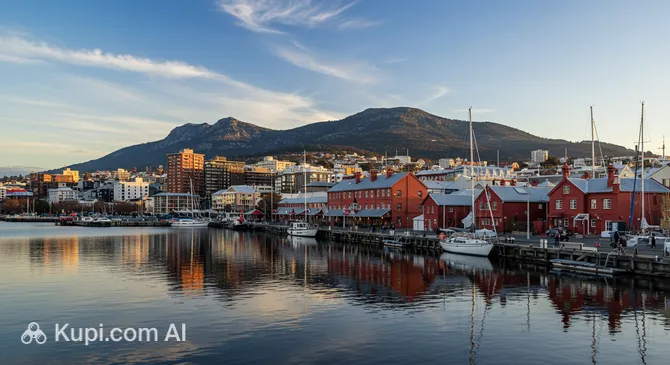
Nestled at the foot of the majestic Mount Wellington (kunanyi) on the estuary of the Derwent River, Hobart offers a captivating blend of heritage, scenery, and culture. As the capital of the island state of Tasmania, it is distinct from mainland Australia, boasting a relaxed pace and a deeply maritime atmosphere. Its waterfront location and historic charm make it one of the most picturesque cities in the Southern Hemisphere.

Hobart. Source: Kupi.Binoculars

With a population of approximately 222,000 residents, Hobart feels intimate yet vibrant. Founded in 1804, it stands as the country's second-oldest capital city. Visitors can delve into the fascinating history of Hobart by exploring its well-preserved colonial architecture, particularly around the bustling waterfront and Battery Point, where 19th-century cottages line the narrow streets.

The city is renowned for its dynamic arts scene and culinary delights. Salamanca Place, with its iconic rows of sandstone warehouses, hosts a famous market every Saturday that draws locals and tourists alike. For a truly unique cultural experience, the Museum of Old and New Art (MONA) is a must-visit, often described as a "subversive adult Disneyland." Nature enthusiasts will also appreciate the easy access to wilderness, including the panoramic views from the summit of Mount Wellington.

Whether you are seeking outdoor adventures, fresh local seafood, or a deep dive into the past, Hobart is a destination that promises to leave a lasting impression. It serves as the perfect gateway to the wild beauty of Tasmania and invites travelers to discover a different side of the continent.

Weather Overview

Hobart features a mild temperate climate with four distinct seasons, ensuring that the city rarely experiences extreme heat or cold. The weather can be quite changeable, so it is often wise to be prepared for varying conditions within a single day. For detailed information on what to expect during your visit, you can check the current weather in Hobart.

The summer months of December through February are generally the most pleasant time to visit. January is typically the warmest month, with an average temperature of 17.2°C and daily highs reaching up to 22.0°C. Despite the warmth, rain is not uncommon, with approximately 8 to 10 wet days recorded per month during this season.

Winters (June to August) are crisp and cool, though snow is rarely seen in the city center. July is usually the coldest month, with average temperatures dropping to 7.3°C and minimums around 3.9°C. The cooler months also bring more frequent precipitation, with August seeing up to 14 wet days, making a warm coat and an umbrella essential packing items.

Interesting Facts

Beyond the main attractions and scenic waterfront, Hobart holds many fascinating secrets and unique claims to fame. From pioneering establishments to its status as a gateway to the frozen continent, here are some intriguing facts about the Tasmanian capital.
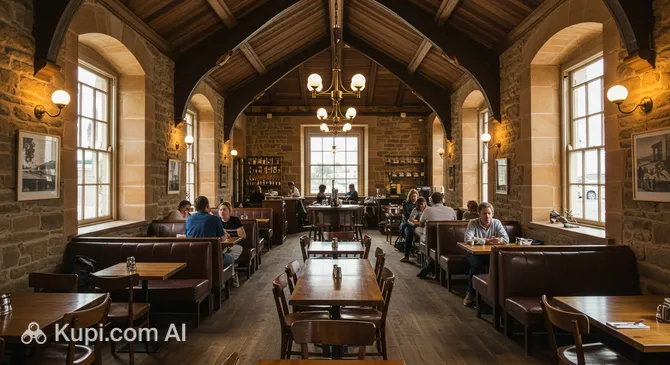
Cascade Brewery Bar. Source: Kupi.Binoculars
  • Hobart is home to the oldest operating brewery in all of Australia. Established in 1824, the Cascade Brewery Bar is housed in a striking Gothic sandstone building and continues to brew beer using pure water flowing directly from Mount Wellington.

  • The city played a pivotal role in the nation's entertainment history by hosting the first legal casino in Australia. Wrest Point opened its doors in 1973, sparking a tourism boom and changing the landscape of Australian gaming forever.

  • Due to its deep southern location, the city serves as a primary logistics hub for scientific missions to Antarctica. This icy connection is celebrated at the Mawson's Huts Replica Museum, which honors the brave explorers who set sail from this harbor.

  • Locals have a distinct culinary obsession with the curried scallop pie. While meat pies are a staple across the country, this specific seafood variation—often made with fresh Tasmanian scallops—is a beloved regional icon found in many of Hobart's bakeries.

How to Get There

Reaching the island capital is an adventure in itself, primarily relying on air travel or a sea crossing from mainland Australia. Since Tasmania is separated from the rest of the country by the Bass Strait, there are no road bridges or tunnels connecting it to the other states. Most visitors choose to fly, but arriving by sea is also a popular option for those bringing their own vehicles. For a detailed breakdown of routes and tips, you can read more about how to get to Hobart to help plan your journey.

The most convenient entry point is Hobart International Airport (HBA), situated in the suburb of Cambridge. It is the busiest hub on the island and welcomes flights from major Australian cities like Melbourne, Sydney, and Brisbane. Located approximately 15.9 km from the city center, the airport offers a quick transfer for tourists. A taxi or shuttle bus ride into town typically takes about 20 minutes, depending on traffic. As the primary gateway, it handles a large volume of passengers annually and provides a smooth arrival experience.

Alternatively, travelers may choose to fly into Launceston Airport (LST), located in the city of Launceston. Although this airport is about 148.8 km north of Hobart, it is a viable option for those wishing to explore the northern part of the state before heading south. The drive from Launceston to Hobart along the Midland Highway takes approximately 2.5 hours. This route allows visitors to experience a scenic road trip through the Tasmanian midlands immediately upon arrival.

For clarity, here is a summary of the main airports:

Airport Name City Passenger Traffic Km from City
Hobart International Airport Hobart Large 15.9
Launceston Airport Launceston Medium 148.8
Devonport Airport Devonport Small 204.2
Burnie Wynyard Airport Burnie Small 247.5

Main Attractions

Hobart is a city where history, culture, and nature converge effortlessly, offering visitors a diverse range of experiences within a compact area. From bustling markets to serene gardens, the city's top sights provide a deep connection to its maritime heritage and colonial past.

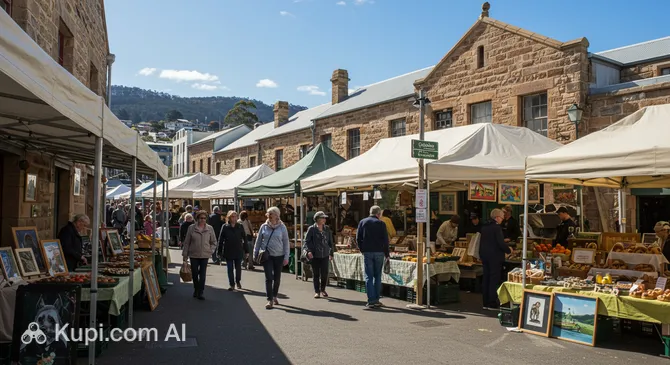
One of the most iconic experiences in the city is the Salamanca Market. Held every Saturday at historic Salamanca Place, this vibrant outdoor market is set against a backdrop of Georgian sandstone warehouses. It attracts locals and tourists alike who come to browse hundreds of stalls selling fresh Tasmanian produce, handmade crafts, and unique souvenirs. The lively atmosphere, filled with street performers and the scent of delicious food, makes it a must-visit weekend destination.

Salamanca Market. Source: Kupi.Binoculars

For those interested in the region's rich cultural tapestry, the Tasmanian Museum and Art Gallery (TMAG) is an essential stop. Located on the waterfront, this combined museum and art gallery is housed in some of Australia's oldest public buildings. It offers fascinating exhibits ranging from the extinct Tasmanian tiger and Indigenous history to colonial artifacts and contemporary art, providing a comprehensive overview of the island's unique identity.

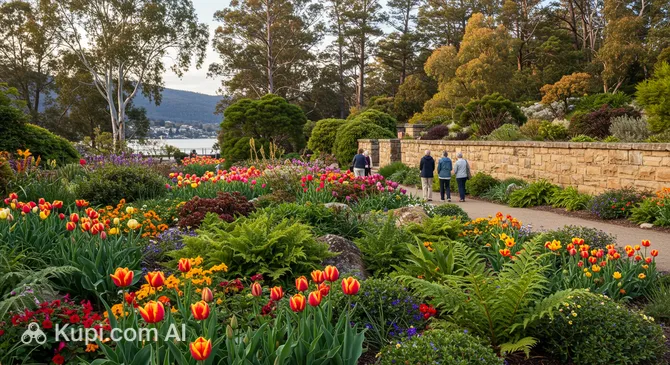
Nature lovers will find tranquility at the Royal Tasmanian Botanical Gardens, situated just a short drive from the city center. Established in 1818, these cool-climate gardens feature historic plant collections, majestic trees, and the world's only Subantarctic Plant House, which replicates the chilly environment of Macquarie Island. It is a perfect spot for a relaxing walk or a picnic surrounded by lush greenery.

Royal Tasmanian Botanical Gardens. Source: Kupi.Binoculars

The maritime heart of the city beats at Constitution Dock. Famous internationally as the finish line for the challenging Sydney to Hobart Yacht Race, this marina is a central hub for activity. Visitors can wander along the docks to admire the fishing boats and yachts, or enjoy fresh seafood from the floating punts, all while taking in the picturesque views of the harbor.

To understand the convict history that shaped the island, a visit to the Cascades Female Factory Historic Site is highly recommended. As a UNESCO World Heritage site, it tells the poignant and often overlooked stories of the thousands of women transported to Tasmania in the 19th century. Through informative tours and dramatized performances, the site offers a moving insight into the hardships endured by these female convicts.

Local Cuisine

Local Cuisine:

Hobart has firmly established itself as a premier dining destination, celebrated for its "paddock to plate" philosophy and access to some of the world's purest ingredients. The city's culinary scene is driven by the seasons, with chefs taking full advantage of Tasmania's rich soil and clean oceans. From succulent seafood to artisan cheeses and cool-climate wines, the local fare is a highlight of any visit.

Seafood is a staple of the diet here, given the city's maritime location. Visitors can enjoy the freshest catch of the day right along the waterfront. For a classic experience, Fish Frenzy at Elizabeth Street Pier offers acclaimed fish and chips in a casual setting. Dining here allows you to savor hot, crispy seafood while overlooking the busy docks and the boats bobbing in the harbor.

While the famous Salamanca Market draws crowds on Saturdays, foodies in the know head to the Farm Gate Market on Sunday mornings. This bustling street market is strictly about Tasmanian produce. It is the perfect place to mingle with locals, grab a freshly roasted coffee, and sample everything from sourdough donuts to heirloom vegetables, all sold directly by the farmers and producers.

For those seeking a taste of history with their meal, the waterfront warehouses provide a stunning backdrop. The Henry Jones Art Hotel, located in a former jam factory, houses sophisticated bars and dining spaces where industrial heritage meets modern art. It is an excellent spot to enjoy a cocktail or a fine meal surrounded by the story of Hobart's industrial past.

The historic neighborhood of Battery Point also offers charming dining options tucked away in its winding streets. Da Angelo Ristorante is a beloved local favorite, known for serving authentic Italian cuisine in a warm and welcoming atmosphere. It exemplifies the city's ability to blend high-quality local ingredients with international flavors, providing a comforting meal after a day of exploration.

Travel Tips

Prepare for your Tasmanian adventure with these essential tips designed to help you navigate Hobart like a local. From packing the right gear to understanding local customs, this practical advice will ensure your visit is as relaxing and enjoyable as the city itself.

  1. Clothing and Gear: The weather in Hobart is famously unpredictable, often described as experiencing "four seasons in one day." Pack layers—a waterproof windbreaker and a warm jumper are essential even in summer. Comfortable walking shoes are a must, as the city has many hills and historic cobblestone areas like Salamanca Place. Don't forget a universal power adapter (Type I) if you are traveling from overseas.

  2. Transportation: Public transport consists primarily of the Metro Tasmania bus network; there are no public trains or trams in the city. For exploring the city center, walking is often the best option. However, if you plan to visit Mount Wellington or travel further afield, renting a car is highly recommended to give you freedom of movement. Ride-sharing apps like Uber and standard taxis are also readily available.

  3. Finances: The local currency is the Australian Dollar (AUD). Credit and debit cards are widely accepted almost everywhere, including at markets and cafes, so you won't need to carry large amounts of cash. ATMs are plentiful throughout the city. Tipping is not mandatory in Australia, but leaving a tip of around 10% for exceptional service in restaurants is appreciated.

  4. Health and Safety: Hobart is generally a very safe city for tourists. For medical emergencies, dial 000. Pharmacies (often called "chemists") are easy to find, though 24-hour options are limited, so plan ahead for prescriptions. Be aware that the UV index can be extremely high even on cloudy days due to the thin ozone layer; always wear sunscreen and a hat.

  5. Communication: English is the primary language, spoken with a relaxed Australian accent. Free Wi-Fi is available in many public spaces, libraries, and cafes. If you need mobile data, you can buy a SIM card from providers like Telstra, Optus, or Vodafone at the airport or supermarkets; Telstra typically offers the best coverage if you plan to head into the Tasmanian wilderness.

  6. Local Etiquette: Tasmanians are known for their friendly and laid-back nature. It is customary to greet bus drivers when boarding and thank them when exiting. When queuing for coffee or services, always wait your turn patiently. Casual dress is acceptable in most venues, including dining establishments, reflecting the city's unpretentious vibe.

  7. What to Avoid: Do not underestimate the natural elements. Avoid swimming at unpatrolled beaches without checking conditions, as the water is cold and currents can be strong. Additionally, avoid making jokes about "two heads" (an old, offensive stereotype about Tasmanians); locals have heard it all before and it is considered rude.

  8. Shopping Hours: Be mindful that retail trading hours might be shorter than in larger global cities. Most shops in the CBD close by 5:00 PM or 5:30 PM on weekdays and Saturdays, and Sunday trading can be limited. If you need essentials, major supermarkets usually stay open later, but specialty stores will close early.

With these tips in hand, you are ready to explore the charming streets and wild surroundings of Hobart with confidence. Embrace the relaxed island pace, stay warm, and enjoy every moment of your Tasmanian getaway.

Entertainment & Nightlife

Hobart’s nightlife is compact, accessible, and surprisingly diverse, reflecting the city's relaxed yet creative spirit. While it may not have the frenetic energy of larger metropolises, the Tasmanian capital offers a high-quality selection of evening entertainment, ranging from sophisticated waterfront bars and cozy pubs to vibrant live music venues. The action is largely concentrated around two main hubs: the historic Salamanca Place and the bustling North Hobart strip along Elizabeth Street.

For a classic night out, Salamanca Place is the place to start. Housed in converted Georgian sandstone warehouses, the bars here offer a unique atmosphere where history meets modern hospitality. You can sip on locally distilled gin or craft beer in intimate courtyards or enjoy live bands in one of the many pubs. Just a short walk away along the waterfront, the Brooke Street Pier serves as a fantastic floating hub. This multi-level structure is not only a ferry terminal but also hosts bars and eateries with stunning glass-walled views of the harbor, making it an ideal spot for sunset drinks.

If you are looking for late-night excitement and glamour, Wrest Point remains the city's premier entertainment destination. Located in Sandy Bay, this iconic venue features a casino, multiple bars, and a revolving restaurant that offers 360-degree views of the city lights reflecting off the Derwent River. It frequently hosts live shows and concerts, drawing a dressier crowd looking for a complete night out under one roof.

For those seeking a thrill of a different kind, the city offers unique after-dark experiences that delve into its convict past. The Hobart Convict Penitentiary runs popular ghost tours and night walks. These guided tours take visitors through the courtrooms, tunnels, and gallows by lantern light, providing a chilling and memorable perspective on the city's history that is quite distinct from the typical bar scene.

North Hobart offers a slightly more bohemian and alternative vibe compared to the waterfront. Known as the "restaurant strip," it is packed with eclectic bars, independent cinemas, and music venues that stay open late. The atmosphere here is casual and friendly, with no strict dress codes—smart casual is the standard across most of Hobart. Friday and Saturday nights are the busiest, but you can usually find a cozy spot any night of the week.

Getting around at night is straightforward and safe. The city center is walkable, but for trips between Salamanca and North Hobart or back to your accommodation, taxis and ride-sharing services are readily available. The streets are generally very safe for walking, even at night, though it is always wise to stay in well-lit areas. Prices for drinks and entry fees are comparable to other Australian capitals, with happy hours often available in the early evening.

During the day, entertainment options shift towards shopping and culture. The Cat and Fiddle Arcade in the central business district is a historic shopping precinct where you can browse fashion and lifestyle stores. Families and culture lovers can also explore the city's museums or catch a matinee performance at the Theatre Royal, Australia's oldest working theater, ensuring there is plenty to do before the sun goes down.
Parks & Museums

Hobart’s landscape is defined by its seamless integration of urban life with the natural world, offering visitors an abundance of green sanctuaries and cultural institutions. From manicured gardens that tell stories of the past to unique galleries that preserve the city's maritime legacy, the diverse public spaces provide perfect spots for both relaxation and discovery.

Located just a short stroll from the waterfront, St. David's Park is a serene oasis steeped in colonial history. Originally the site of the city's first burial ground, it has been beautifully transformed into a landscaped garden featuring a rotunda and majestic trees. The park’s memorial wall, created from the original headstones, offers a quiet place to reflect on the lives of the early settlers while enjoying the peaceful atmosphere of the city center.

For those seeking sweeping vistas without the crowds of Mount Wellington, the Mount Nelson Signal Station is an exceptional choice. This historic site once played a crucial role in communicating with ships entering the harbor using semaphore flags. Today, it offers panoramic views over the Derwent River and the Southern Ocean, along with a charming tea house where you can enjoy a warm drink while taking in the scenery.

Hobart’s cultural scene is anchored by institutions that reflect its deep connection to the sea and the south. The Mawson's Huts Replica Museum, situated on the waterfront, provides a tangible link to the Heroic Age of Antarctic Exploration. Stepping inside this faithful recreation of the wooden huts used by Douglas Mawson’s 1911 expedition, visitors can experience the cramped living conditions and smell the Baltic pine, gaining a visceral understanding of the explorers' survival in the frozen continent.

While not located in the city center, the Museum of Old and New Art (MONA) is the undisputed cultural heavyweight of the region. A short ferry ride up the river, this subterranean museum is world-famous for its provocative and eccentric collections. Even if you don't visit the main site, the city itself is dotted with galleries like the Maritime Museum of Tasmania, which offers a more traditional but equally fascinating look at the island's seafaring past.

For a perfect sunset spot that is often overlooked by tourists, head to the Rosny Hill Lookout on the eastern shore. It offers one of the best vantage points to see the Tasman Bridge, the city skyline, and the mountain all in one frame, making it a favorite location for local photographers seeking a quiet moment.

Getting Around

The public transport system in Hobart is relatively compact and straightforward, relying primarily on a network of buses and ferries. Unlike larger Australian cities, there are no trains, trams, or subway lines currently operating within the city. The main provider of bus services is Metro Tasmania, which connects the central business district (CBD) with the surrounding suburbs. The buses are generally reliable and clean, making them a practical option for reaching destinations just outside the walkable city center.

For payment, the most convenient and cost-effective method is to use a GreenCard. This smart card acts as a digital wallet and offers a significant discount—usually around 20%—compared to paying with cash. While you can still pay with cash on board the bus, drivers carry limited change, so exact fare is appreciated. GreenCards can be purchased and topped up at the Metro Shop in the city center, as well as at various newsagencies and authorized agents. Fares are calculated based on zones, so the cost depends on the distance you travel.

A scenic and increasingly popular alternative is the ferry service on the Derwent River. The Derwent River Ferry provides a commuter link between Bellerive on the eastern shore and Brooke Street Pier in the city. For a truly unique experience, visitors should take the dedicated ferry to the Museum of Old and New Art (MONA). These ferries are attractions in themselves, featuring distinctive camouflage paint jobs and offering a "Posh Pit" VIP lounge with complimentary drinks and canapés, turning the journey into a luxury experience.

When planning your trips, it is important to note that public transport frequency decreases significantly on weekends and public holidays, and many bus routes stop running early in the evening. It is highly recommended to download the MetroTas app to check timetables and plan your route in real-time. For tourists staying within the waterfront and Salamanca areas, the city is very walkable, and many major attractions can be reached on foot.

For those needing more flexibility or traveling late at night, taxis and ride-sharing services like Uber are widely available and reliable. Car rentals are also a popular choice for visitors who wish to explore Mount Wellington or the wider Tasmanian wilderness at their own pace. Additionally, e-scooters and e-bikes have been introduced to the city streets, offering a fun and eco-friendly way to zip between the waterfront and the inner suburbs.

Accommodation

Hobart offers a diverse range of accommodation options that reflect its unique character, blending historic charm with modern comfort. Visitors can choose from luxury waterfront hotels, boutique stays in converted 19th-century warehouses, family-friendly apartments, and budget-friendly hostels. Whether you prefer the convenience of the city center or the quiet atmosphere of a heritage suburb, there is something to suit every traveler's style and budget.

The most popular area for tourists is undoubtedly the Waterfront and Central Business District (CBD). Staying here places you within walking distance of major attractions like Salamanca Place and the ferry terminals. For a more romantic and historic vibe, Battery Point is an excellent choice. This neighborhood is famous for its colonial cottages and bed-and-breakfasts, offering a quaint village feel just minutes from the city's hustle. Alternatively, North Hobart is perfect for food lovers who want to be close to the restaurant strip and nightlife.

For those seeking iconic accommodation with spectacular views, the suburb of Sandy Bay is home to Wrest Point. As Australia's first casino, it is also a prominent hotel tower that dominates the skyline along the Derwent River. It offers a range of room types and serves as a landmark destination for travelers looking for entertainment and luxury in one location.

Budget-conscious travelers are well catered for with several high-quality hostels located near the city center, providing a social atmosphere and easy access to transport. Mid-range options, including motels and serviced apartments, are widely available and are particularly convenient for families or those planning a longer stay. The general price range in Hobart is comparable to other Australian capitals, though premium properties on the waterfront can command higher rates.

Booking Tip: Hobart is a popular destination, especially during the summer months (December to February) and during major winter festivals like Dark Mofo. It is highly recommended to book your accommodation well in advance during these peak times to secure your preferred location and the best rates. Most properties can be easily booked via major online platforms or directly through their websites.

Nearby Cities

For those looking to explore the surroundings, Hobart serves as an excellent base for day trips to several interesting nearby locations:

Located just a short 25-minute drive from the city, Richmond is a picture-perfect historic town that feels like stepping back in time. It is famous for home to Australia’s oldest surviving stone bridge and Catholic church, set amidst charming Georgian architecture. Visitors can wander through quaint antique shops, enjoy a treat at a traditional bakery, or explore the local vineyards of the Coal River Valley.

For a combination of dramatic nature and history, the Port Arthur Historic Site on the Tasman Peninsula is a must-visit destination. Approximately 90 minutes southeast of the capital, this UNESCO World Heritage site offers a poignant insight into Australia’s convict past. The journey itself is spectacular, passing through the narrow Eaglehawk Neck and offering views of rugged coastlines and sea cliffs.

While some destinations require a bit more travel time, they offer a deeper look into the island's diversity. Launceston, the state's second-largest city, is known for the stunning Cataract Gorge and its vibrant food scene, making it a worthy stop for those willing to venture further north.

City Population Distance (km)
Launceston 106153 161
Burnie 27174 235
Latrobe 26900 519
Traralgon 24933 525
Devonport 23046 206

These nearby destinations offer a glimpse into the diverse culture and landscapes of the region.

Shopping & Souvenirs

Shopping:

Hobart offers a shopping experience that is less about sprawling megamalls and more about discovering unique, locally crafted treasures. The city's retail scene reflects its creative spirit and connection to nature, with a strong emphasis on handmade goods, Tasmanian produce, and heritage settings. Whether you are looking for high-end fashion or a quirky memento, the city provides a relaxed and walkable environment to find something special.

The crown jewel of retail in the city is undoubtedly the Salamanca Market. Held every Saturday, this iconic outdoor market transforms the historic waterfront into a bustling bazaar. It is the best place to find one-of-a-kind Tasmanian souvenirs, from beautiful timber products made of rare Huon pine to hand-knitted merino wool garments and artisan jewelry. Even if you aren't looking to buy, browsing the hundreds of stalls set against the Georgian sandstone warehouses is a cultural experience in itself.

For those interested in fresh local flavors and artisan pantry items, the Farm Gate Market on Sundays is an essential stop. While primarily a food market, it also features producers selling flowers, seeds, and small local goods. It embodies the "paddock to plate" philosophy that Tasmania is famous for, allowing you to buy directly from the growers and makers in a lively street atmosphere.

In the heart of the Central Business District, fashion and lifestyle stores are concentrated around the Elizabeth Street Mall and its connecting laneways. The historic Cat and Fiddle Arcade is a charming destination that has been a meeting place for generations. Here, visitors can watch the famous animated clock strike the hour while exploring a mix of Australian fashion labels, boutiques, and specialty shops tucked away in the arcade.

A short walk to the waterfront brings you to the Brooke Street Pier. This floating pontoon is not just a ferry terminal but a boutique retail space housing a collective of local traders. It is the perfect spot to pick up high-quality Tasmanian gin, luxury skincare products, or design-focused gifts while enjoying views of the harbor. The pier focuses heavily on Tasmanian-made brands, making it ideal for authentic gifts.

Beyond these main hubs, visitors should explore the independent bookstores and antique shops scattered through North Hobart and Battery Point. From indigenous art to locally distilled spirits, the shops in Hobart offer plenty of distinctive mementos that capture the essence of the island state.

Reached the end of the page?

That means the route is fully explored