Support

Burnie

About

Burnie is a vibrant coastal city located on the north-west coast of Tasmania, known for its dynamic transformation from an industrial center to a creative and cultural hub. Nestled on the shores of Emu Bay, this port city offers a unique blend of urban amenities and easy access to pristine wilderness, making it an excellent base for exploring the region.

Geographically, the city is situated in the island state of Tasmania, Australia. With a population of approximately 27,000 residents, it maintains a friendly community atmosphere while serving as a major service center for the North West coast. The climate here is generally temperate, influenced by the ocean, which keeps summers mild and winters cool but rarely freezing.
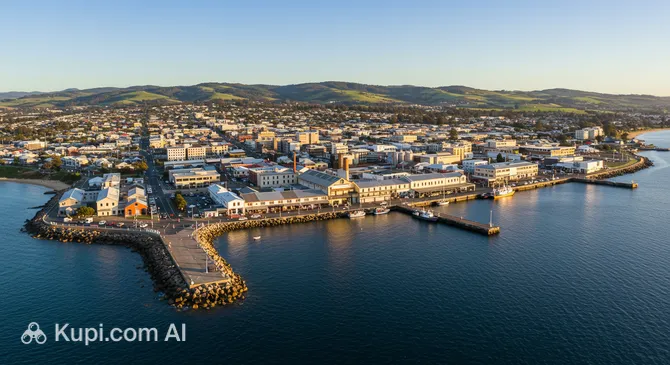
Burnie. Source: Kupi.Binoculars

The city has a rich industrial past, particularly associated with paper making and forestry. Travelers interested in the history of Burnie will find its evolution fascinating, as the city has successfully reinvented itself into a place that celebrates local artisans and makers. Today, it is recognized for its art deco architecture and a strong community of craftspeople.

One of the city's most beloved attractions is the Little Penguin Observation Centre, where visitors can watch fairy penguins waddle ashore at dusk during the breeding season. For botany enthusiasts, the nearby Emu Valley Rhododendron Garden offers a spectacular display of blooms in a tranquil setting. Additionally, the city's proximity to natural wonders like Guide Falls makes it a perfect spot for nature lovers.

Whether you are looking to explore local arts, enjoy fresh Tasmanian produce, or witness unique wildlife, Burnie offers a welcoming and diverse experience. It is a destination that truly captures the resilient and creative spirit of Tasmania.
Weather Overview

The climate in this coastal city is generally temperate and influenced significantly by the ocean, resulting in mild conditions year-round without extreme temperature fluctuations. For a more detailed breakdown of what to expect during your visit, you can check the current weather in Burnie.

Summer, spanning from December to February, offers the most pleasant conditions for exploring outdoors. January is typically the warmest month, with an average temperature of 17.0°C and daily highs reaching around 20.8°C. While this season is relatively drier, you might still encounter about 8 to 10 wet days per month, so packing a light layer is advisable.

Winters are cool but rarely freezing, with July being the coldest month, averaging 8.4°C and seeing lows dip to 6.0°C. This season also brings more frequent precipitation; August, for instance, records up to 17 wet days, although the overall rainfall volume remains quite low. Expect mild, comfortable summers and cool winters with frequent, light showers throughout the year.

Interesting Facts

Beyond its scenic waterfront and industrial heritage, Burnie holds a collection of fascinating secrets that reveal the depth of its character. This city on the North West coast is not just a service center but a place where nature, history, and modern creativity intersect in unexpected ways.
  • Burnie is home to one of Australia's most successful whisky producers, Hellyers Road Distillery. Founded by a group of dairy farmers who decided to diversify, it has grown to become the country's largest boutique single malt whisky distillery, earning global acclaim for its spirits.

  • While platypuses are notoriously difficult to spot in the wild, the Fern Glade Reserve on the city's edge is considered one of the best places in Tasmania to see them. The tranquil Emu River running through the reserve provides the perfect habitat for these shy monotremes, offering patient visitors a rare wildlife encounter.

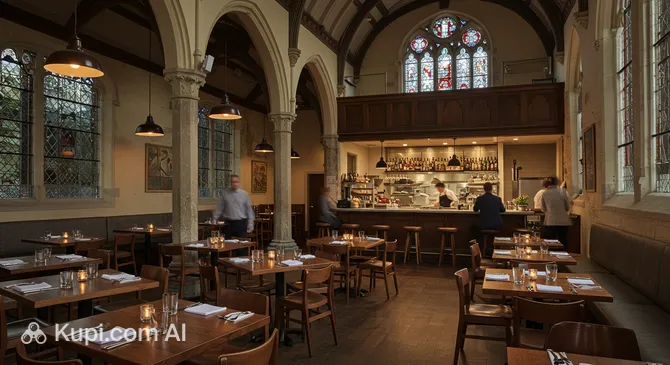
  • The city has a remarkable talent for adaptive reuse, breathing new life into historic structures. A shining example is The Chapel, where a beautifully preserved church building has been reimagined as a unique dining and social venue, blending sacred architecture with contemporary hospitality.

  • For decades, the city was the heart of Australia's paper industry, with the "Burnie" brand of fine paper being a household name across the nation. This industrial legacy laid the foundation for the "City of Makers" identity that the community celebrates today through arts and craftsmanship.

The Chapel. Source: Kupi.Binoculars

How to Get There

Reaching this coastal hub is a straightforward and scenic experience, primarily undertaken by air or road. Visitors can explore all ways to reach the city to choose the route that best suits their itinerary. Since Tasmania is an island state, most travelers arrive by plane at one of the regional airports and complete their journey by car or bus.

The most convenient point of entry is Burnie Wynyard Airport (IATA: BWT), located approximately 16 km west of the city center. Although it serves as a smaller regional facility with annual traffic of around 82,000 passengers, it offers the closest access, with a quick 20-minute transfer by taxi or shuttle. For those seeking more frequent connections, Devonport Airport (IATA: DPO) is another excellent option situated in the city of Devonport, about 46 km away. The drive from Devonport takes roughly 45 minutes along the highway.

For international travelers or those arriving from major Australian capitals, Launceston Airport (IATA: LST) in Launceston is a significant hub. It sits approximately 123 km from Burnie and handles over 1.4 million passengers annually. The drive from Launceston is a pleasant journey through the Tasmanian landscape, taking about 1.5 hours. While Hobart International Airport (IATA: HBA) is the state's primary gateway, it is located much further south, requiring a drive of nearly 3.5 hours to reach the north-west coast.

For clarity, here is a summary of the main airports:

Airport Name City Passenger Traffic Km from City
Hobart International Airport Hobart Large 238.5
Launceston Airport Launceston Large 122.5
Devonport Airport Devonport Medium 45.9
Burnie Wynyard Airport Burnie Small 15.9
King Island Airport King Island Small 215.6

Main Attractions

Burnie offers a diverse range of attractions that celebrate its industrial heritage, natural beauty, and vibrant arts scene. From unique dining venues in historic buildings to world-class gardens and wildlife encounters, the city provides memorable experiences for every type of traveler. Below are some of the top places to visit during your stay.

One of the most distinct venues in the city is The Chapel. Housed in a beautifully renovated church, this attraction serves as a cafe and event space that perfectly blends historical architecture with modern hospitality. Tourists are drawn here for its atmospheric dining experience, where they can enjoy coffee and local food surrounded by high ceilings and stained glass windows. It stands as a prime example of the city's ability to repurpose its heritage for contemporary enjoyment.

Nature lovers should not miss the Emu Valley Rhododendron Garden, located just a short drive south of the city. This internationally acclaimed garden spans 11 hectares and features over 22,000 rhododendrons and companion plants. It is particularly spectacular in spring when the blooms create a vibrant tapestry of color. Visitors can wander through peaceful walking trails, admire the Japanese-inspired landscape features, and even spot platypuses in the garden's lakes.

For a unique wildlife experience, the Little Penguin Observation Centre offers a rare chance to see fairy penguins in their natural habitat. Located at the western end of West Beach, the center is managed by knowledgeable volunteers who guide visitors during the evening viewing sessions. Watching these tiny birds waddle ashore at dusk is a heartwarming experience and provides a fascinating insight into the local marine life without the need for a boat trip.

Hellyers Road Distillery is another major draw, recognized as Australia's largest boutique single malt whisky distillery. Visitors can take a "Whisky Walk" tour to go behind the scenes of the production process and learn about the history of this successful local enterprise. The on-site visitor center and cafe offer tasting flights and meals with sweeping views of the Emu Valley, making it a favorite stop for food and spirit connoisseurs.

Finally, the Burnie Regional Art Gallery is a cultural hub that reflects the city's identity as a "City of Makers." The gallery hosts a rotating schedule of exhibitions featuring national and Tasmanian artists, with a strong focus on paper art and contemporary craft. It is an excellent place to explore the creative pulse of the region and often features workshops and talks that engage directly with the community and visitors alike.

Local Cuisine

Burnie's culinary scene is deeply rooted in the fertile soils and pristine waters of Tasmania's North West coast, a region often referred to as the state's "food bowl." The city's location on Emu Bay ensures a steady supply of incredibly fresh seafood, which is a staple on local menus. Visitors should definitely try the succulent Tasmanian scallops and Pacific oysters, often served just hours after being harvested. Another highlight is the Southern Rock Lobster, known locally as crayfish, which is a delicacy prized for its sweet, firm flesh.

Beyond the ocean's bounty, the surrounding farmlands produce some of Australia's finest dairy and meat products. The region is famous for its rich, creamy milk, which is crafted into exceptional artisan cheeses and decadent ice creams available in local cafes. Meat lovers will appreciate the high-quality grass-fed beef, often featured in hearty pub meals and modern restaurant dishes alike. The emphasis here is on "paddock to plate" dining, where the distance between the producer and the chef is minimal.

When it comes to beverages, Burnie has earned a stellar reputation on the global stage, particularly for its whisky. The city is home to Hellyers Road Distillery, where visitors can sample award-winning single malt whiskies that capture the distinctive character of the Tasmanian environment. For those who prefer non-alcoholic options, the coffee culture is thriving, with local roasters taking great pride in their beans, reflecting the city's broader "maker" spirit.

The dining atmosphere in Burnie ranges from casual waterfront fish and chip shops to sophisticated eateries housed in repurposed historic buildings. A perfect example of this architectural reuse is The Chapel, a venue that offers a memorable gastronomic experience within the walls of a renovated church. Whether you are browsing the stalls at the Burnie Farmers Market for fresh raspberries and sourdough or enjoying a sunset dinner by the bay, the food culture here is welcoming, unpretentious, and focused on quality ingredients.

Travel Tips

Welcome to Burnie! To help you make the most of your visit to this dynamic Tasmanian port city, we have compiled a set of essential guidelines. Whether you are here to explore the rugged North West coast or enjoy the local arts scene, these practical tips will ensure your trip is smooth and enjoyable.

  1. Clothing and Gear: Tasmania is known for experiencing "four seasons in one day," so layering is the key to comfort. Even in summer, bring a warm fleece and a reliable waterproof jacket, as sudden showers and cool winds from the ocean are common. Since Burnie is built on steep hills, comfortable, sturdy walking shoes are essential for navigating the city streets and nearby nature trails.

  2. Transportation: While Metro Tasmania operates a bus network that connects the city center with suburbs, renting a car is highly recommended for tourists. A vehicle gives you the freedom to explore the surrounding North West region, including the rhododendron gardens and waterfalls, at your own pace. Taxis and ride-sharing services are available but may have longer wait times than in major capital cities.

  3. Finances: The local currency is the Australian Dollar (AUD). Credit and debit cards (Visa and Mastercard) are widely accepted almost everywhere, including cafes and shops. However, it is wise to carry some cash if you plan to visit the Burnie Farmers Market or smaller rural stalls. ATMs are readily available in the city center.

  4. Health and Safety: Tasmania has a very high UV index, even on cool or cloudy days, so wearing high-SPF sunscreen and a hat is crucial to avoid sunburn. For medical needs, there are several pharmacies in the CBD, and the North West Regional Hospital is located in Burnie for emergencies. The city is generally very safe, but always keep an eye on your belongings in public areas.

  5. Communication: English is the primary language, often spoken with a distinct Australian accent and local slang. A friendly "G'day" goes a long way. For mobile data, the Telstra network typically offers the best coverage in regional Tasmania, which is important if you plan to drive out of town. Free Wi-Fi is often available in the city library and some cafes.

  6. Local Etiquette: Burnie has a relaxed, community-focused vibe. Locals are generally friendly and helpful; it is polite to greet shopkeepers and bus drivers. When enjoying nature reserves, strictly follow the "Leave No Trace" principles—take your rubbish with you and stay on designated paths to protect the native flora.

  7. What to Avoid: Never use flash photography when visiting the Little Penguin Observation Centre. The bright light can damage the penguins' sensitive eyes and scare them away from their nests. Also, avoid driving at high speeds on country roads at dawn or dusk, as this is when wildlife, such as wallabies and wombats, is most active and likely to cross the road.

  8. Additional Tip: Be prepared for the terrain! Burnie is famous for its steep inclines, which offer beautiful views over Emu Bay but can be a workout. If you are visiting on the first or third Saturday of the month, do not miss the Burnie Farmers Market for a chance to meet local growers and taste fresh regional produce.

With these tips in mind, you are ready to embrace the unique charm and natural beauty of the region. Enjoy your adventure in Burnie, where the coast meets creativity!

Entertainment & Nightlife

Nightlife in Burnie is characterized by a relaxed and welcoming atmosphere, focusing more on social dining and pub culture than high-energy nightclubs. The evening scene reflects the city's friendly regional charm, where locals and visitors gather to enjoy Tasmanian beverages, live music, and hearty meals. It is the perfect destination for those who appreciate a laid-back night out, sipping local whisky or craft beer in a setting that feels like a home away from home.

The main hub for evening entertainment is located within the Central Business District, particularly along Wilson Street and the waterfront precinct. This area is compact and walkable, hosting a variety of venues ranging from historic hotels to modern cafes that transform into bars at night. One of the most unique spots to visit is The Chapel. Housed in a beautifully renovated church, this venue offers a distinct ambiance for an evening drink or meal, standing out as a prime example of the city's architectural creativity.

For a traditional Australian pub experience, the Beach Hotel is a local favorite. Situated near the water, it provides a lively environment where you can enjoy a bistro meal and often catch live bands playing on weekends. Another popular establishment is the Club Hotel, which offers a classic sports bar vibe and is a great place to mingle with residents. The dress code throughout the city is generally casual to smart-casual; comfortable jeans and a neat shirt are appropriate for almost every venue.

Travelers should be aware that nightlife here wraps up earlier than in major metropolitan cities. Kitchens in pubs and restaurants typically close around 8:30 PM or 9:00 PM, although bars may remain open later, especially on Fridays and Saturdays. Prices are generally affordable, offering good value for money compared to mainland capitals. Since public transport options decrease significantly at night and the city is known for its steep hills, booking a taxi is the most convenient and safe way to return to your accommodation.

Burnie is generally a safe city for night walks, particularly in the well-lit CBD and waterfront areas. However, as the streets can become quite quiet after business hours, standard precautions such as staying in main areas and traveling with a companion are recommended.

During the day, the entertainment options shift towards culture and the arts. The Burnie Arts & Function Centre is the region's premier venue for theater, concerts, and comedy shows, drawing touring acts from across Australia. Movie lovers can catch the latest releases at the Metro Cinema, while those seeking a deeper cultural dive can explore the city's museums and galleries, which celebrate its rich industrial history and vibrant artistic community.

Parks & Museums

Burnie offers a delightful mix of manicured green spaces and cultural institutions that celebrate both its natural beauty and its industrial heritage. Visitors will find that the city seamlessly integrates lush gardens with venues dedicated to history and the arts, providing a well-rounded experience for travelers of all interests.

Emu Valley Rhododendron Garden is undoubtedly the crown jewel of the region's horticultural offerings. Located just south of the city, this expansive 11-hectare garden is world-renowned for its collection of over 22,000 rhododendrons and companion plants. It is arranged geographically, allowing visitors to "walk around the world" through areas representing countries like Japan and Nepal. The tranquil lakes and gazebos make it a perfect spot for a relaxing afternoon, especially during the peak bloom in spring.

For those staying closer to the city center, Burnie Park provides a classic Victorian-style garden experience. Famous for its vibrant rose beds and mature trees, the park is a favorite among locals for picnics and leisure. A unique feature hidden within the grounds is Oldaker Falls, a small but charming waterfall that offers a touch of wild nature just minutes from the urban streets. Another significant natural area is the Fern Glade Reserve, a sanctuary along the Emu River where patient observers have a high chance of spotting platypuses in the wild.

The city's cultural narrative is best explored at the Burnie Regional Museum. The highlight here is "Federation Street," a captivating life-size replica of a local streetscape from around 1900. Visitors can wander past authentic storefronts, including a blacksmith, a general store, and a dentist, gaining an immersive insight into the lives of the early pioneers. The museum effectively preserves the history of the North West coast, making it an essential stop for history buffs.

Art enthusiasts should visit the Burnie Regional Art Gallery, which plays a pivotal role in the city's identity as a creative hub. Reflecting Burnie's long history with the paper industry, the gallery is known for its specialized collection of paper art, alongside changing exhibitions of contemporary Tasmanian works. It serves as a testament to how the city has transitioned from heavy industry to a center for makers and artisans.

In terms of historical architecture, the city retains a significant collection of Art Deco buildings that date back to its industrial boom in the mid-20th century. A standout example of adaptive heritage is The Chapel, a beautifully restored church that now functions as a social venue. Its preservation highlights the community's dedication to maintaining its architectural legacy while finding new uses for historic structures.

For a truly authentic experience, take a short walk to the upper sections of Burnie Park near the waterfall. While many stick to the lower lawns, the upper trails offer a quiet escape and a different perspective of the park's lush vegetation, often missed by the casual visitor.

Getting Around

The public transport system in Burnie is relatively compact and relies entirely on a bus network, as there are no trains, trams, or subways operating within the city. The primary service provider is Metro Tasmania, which connects the Central Business District with surrounding suburbs such as Upper Burnie, Brooklyn, and Havenview. While the network is reliable for commuting during business hours, it is designed more for local residents than for extensive tourist sightseeing, so planning ahead is essential.

For payment, the most convenient option is the Greencard, a smart travel card that offers a significant discount compared to buying single paper tickets. You can purchase and top up a Greencard at local agents, including the Metro Shop or designated newsagencies in the city center. If you do not have a card, cash is generally accepted on board the bus, but it is appreciated if you have small change ready for the driver. Fares are calculated based on zones, but travel within the city limits is quite affordable.

Tourists should be aware that bus frequencies vary significantly depending on the day of the week. Services run regularly on weekdays, making it easy to get around, but the schedule is reduced on Saturdays and is very limited or sometimes non-existent on Sundays and public holidays. It is highly recommended to download the MetroTas app or check the printed timetables at the bus interchange in the CBD to avoid getting stuck, especially if you plan to return late in the afternoon.

Given the city's hilly terrain, walking between suburbs can be physically demanding, making taxis a popular alternative for short trips. Local taxi ranks are located in the city center, but booking by phone or via an app is advisable during peak times or evenings. Ride-sharing services like Uber are available but may have fewer drivers on the road compared to larger capital cities, so allow extra time for pickup.

For those wishing to explore beyond the immediate city center—such as visiting the rhododendron gardens or nearby waterfalls—renting a car is often the most practical choice. This provides the flexibility to navigate the steep topography and travel on weekends without being constrained by the bus timetable. While the city center itself is walkable and flat, having a vehicle unlocks the broader region where public transport does not reach.

Accommodation

Burnie offers a practical and welcoming range of accommodation options suited to various budgets and travel styles. Visitors will primarily find well-appointed motels, self-contained apartments, and charming bed-and-breakfasts. While the city is not known for sprawling luxury resorts, it excels in providing comfortable mid-range lodging that serves as an excellent base for exploring this region of Australia.

For those seeking convenience, the Central Business District (CBD) and the immediate waterfront area are the most popular places to stay. Choosing accommodation here puts you within easy walking distance of the beach, the penguin observation center, and the main dining precinct. Alternatively, the nearby suburb of Cooee offers additional motel-style options that often feature ocean views and are just a quick drive from the city center.

Prices in the city are generally affordable compared to the nation's major capitals, with most establishments falling into the budget to mid-range categories. Travelers can expect to find clean and modern rooms that offer good value for money. Reservations can be made easily through major online booking platforms, though many local operators also welcome direct bookings.

Booking Tip: Tasmanian summers (December to February) attract a high volume of tourists. It is highly recommended to book your accommodation in advance if you plan to visit during this peak season or during major local festivals, as the best spots tend to fill up quickly.

Nearby Cities

For those looking to explore the surroundings, Burnie serves as an excellent base for day trips to several interesting nearby locations:

City Population Distance (km)
Hobart 222,356 235
Launceston 106,153 112
Latrobe 26,900 315
Devonport 23,046 40
Ulverstone 14,109 26

Just a short drive east along the coast lies Ulverstone, a charming town that is perfect for a relaxed family outing. It is well-regarded for its extensive parklands, particularly the family-friendly Dinosaur Park, and offers lovely walking paths along the Leven River. Visitors often stop here to browse through antique stores or to use it as a gateway to the spectacular Leven Canyon, which provides breathtaking views of the wilderness.

A little further along the highway is Devonport, a bustling coastal city known as the gateway to Tasmania for those arriving by sea. It features the iconic Mersey Bluff Lighthouse, with its distinctive red and white stripes, and the fascinating Bass Strait Maritime Centre. The city offers a mix of urban convenience and scenic beauty, with walking tracks that wind along the coastline and through the native bushland of the Don Reserve.

For travelers willing to venture a bit further, Launceston offers a rich blend of history and nature. As one of Australia's oldest cities, it boasts magnificent Victorian architecture and the stunning Cataract Gorge Reserve, located just minutes from the city center. Here, you can ride the chairlift, hike through the bush, or simply enjoy the peacocks wandering the landscaped gardens.

These nearby destinations offer a glimpse into the diverse culture and landscapes of the region.

Shopping & Souvenirs

Shopping in Burnie offers a pleasant mix of convenient retail services and unique local discoveries that reflect the city's identity as a creative hub. While it serves as the primary commercial center for the North West coast, the experience here is far from the hustle of a metropolis. Instead, visitors will find a relaxed atmosphere where high-street staples sit alongside independent boutiques and galleries showcasing the work of talented Tasmanian artisans.

The heart of the retail action is concentrated in the Central Business District (CBD), particularly along Wilson Street and Mount Street. These thoroughfares are lined with a variety of shops, from clothing and footwear stores to pharmacies and newsagencies. The area is compact and easily walkable, allowing tourists to browse the window displays while enjoying the coastal air. Several laneways connecting these main streets also hide smaller specialty shops that are worth exploring.

For those looking for a more concentrated shopping experience, Burnie Plaza on Mount Street is the city's main shopping center. It houses major Australian supermarkets and chain stores, making it the go-to spot for travelers needing to stock up on groceries, camping supplies, or travel essentials. While it is not a massive complex compared to mainland malls, it provides all the necessary amenities and services in one convenient location.

To truly connect with the local community, a visit to the Burnie Farmers Market is highly recommended. Held on the first and third Saturday of each month, this market is a vibrant gathering place for growers and makers. Stalls overflow with fresh seasonal produce, homemade jams, and baked goods, alongside handcrafted jewelry and knitted items. It is an excellent opportunity to meet the producers directly and sample the flavors of the region.

When it comes to souvenirs, Burnie and its surroundings offer high-quality goods that make for perfect gifts. A bottle of single malt whisky from the local Hellyers Road Distillery is a top choice for connoisseurs. Other popular items include products made from Tasmanian timber, such as Huon pine cutting boards or bowls, which are prized for their durability and scent. Locally made paper products, honoring the city's industrial history, and artisanal honey or fudge are also wonderful keepsakes.

Store opening hours in Burnie generally follow standard regional Australian schedules. Most shops in the CBD are open from 9:00 AM to 5:00 PM on weekdays. On Saturdays, trading hours are often shorter, typically closing around 2:00 PM or 3:00 PM, although supermarkets usually stay open longer. Sundays are quiet, with many specialty stores closed, so it is best to plan serious shopping trips for earlier in the week. Credit and debit cards (Visa and Mastercard) are widely accepted, though carrying some cash is useful for small market stalls.

International travelers may be eligible for the Tourist Refund Scheme (TRS), which allows you to claim a refund of the Goods and Services Tax (GST) paid on goods purchased in Australia. To qualify, you must spend $300 or more (including GST) in a single business and present your tax invoice upon departure from Australia. While there are no refund counters in Burnie itself, you can process the claim at the international airport you fly out of.

Reached the end of the page?

That means the route is fully explored