Support

Flinders Island

About

Flinders Island is a captivating destination characterized by its dramatic landscapes, pristine beaches, and serene atmosphere. As the largest island in the Furneaux Group, it offers a perfect escape for travelers seeking solitude and a deep connection with nature, far removed from the hustle and bustle of city life.

Located in the wind-swept Bass Strait off the northeastern tip of Tasmania, this remote haven is a unique and rugged part of Australia. With a permanent population of approximately 900 residents, the island maintains a close-knit community feel and an unhurried pace of life, making it an ideal spot for relaxation and exploration.

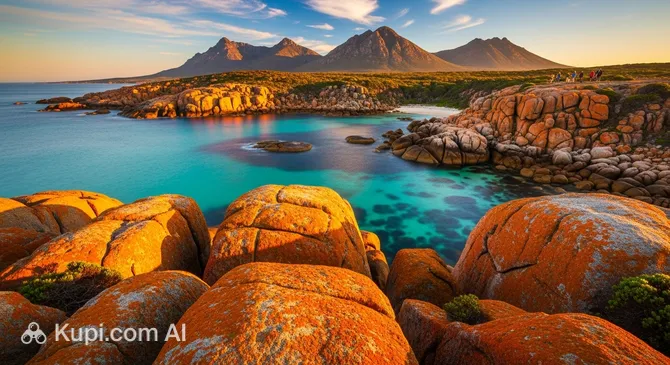
Flinders Island. Source: Kupi.Binoculars

The region is rich in stories, and exploring the history of Flinders Island reveals a fascinating past marked by maritime adventures, shipwrecks, and early settlements. Visitors can delve into this local heritage at local museums or by visiting historical sites scattered across the landscape.

Nature lovers will be especially drawn to the granite peaks of Strzelecki National Park, which offer breathtaking views across the strait from the summit. The island is also famous for its stunning coastlines, such as the photogenic Trousers Point, and the unique opportunity to fossick for "Killiecrankie diamonds"—a type of clear topaz found on its northern shores.

Whether you are looking for an adventurous hiking trip, a chance to observe unique wildlife, or a peaceful seaside retreat, Flinders Island promises an unforgettable experience. Its unspoiled environment and friendly locals make it a truly special place to include in your travel itinerary.

Weather Overview

The climate on Flinders Island is generally mild and oceanic, characterized by comfortable summers and cool winters. During the warmest months of January and February, the average temperature hovers around 18-19°C, with daily highs reaching up to 20.7°C. This period offers the most stable conditions for outdoor activities, though travelers should still anticipate about 6 to 7 wet days per month.

As the year progresses into winter, particularly from June to August, the weather cools significantly. Average temperatures drop to approximately 11.5°C, with nighttime lows around 10°C. This season is also characterized by more frequent precipitation, with July and August seeing up to 12 wet days each. To help you plan your packing list, you can consult the detailed guide to the weather in Flinders Island before your departure.

Expect mild, pleasant summers with occasional showers and cool winters where rain is more frequent.

Interesting Facts

Beyond the main attractions, Flinders Island holds many fascinating secrets and geological wonders that often surprise visitors. Here are some intriguing facts about this remote destination:

  • Remnants of a Land Bridge: Geologically, the island is actually one of the remaining peaks of an ancient land bridge that once connected Tasmania to mainland Australia. Approximately 12,000 years ago, you could have walked from Wilsons Promontory in Victoria all the way to Tasmania across this now-submerged plain.

  • A Graveyard of Ships: Situated squarely in the path of the notorious "Roaring Forties" winds, the waters surrounding the Furneaux Group are treacherous. The area is the final resting place for over 120 recorded shipwrecks, making it one of Australia's most significant maritime archaeological sites.

  • The Paper Nautilus: The island's beaches are among the few places in the world where beachcombers frequently find the fragile, paper-thin shells of the Argonaut, or Paper Nautilus octopus. These exquisite "shells" are actually egg cases laid by the females and often wash ashore after winter storms.

  • Incredible Bird Migration: The island is a major breeding ground for the Short-tailed Shearwater, locally known as the Muttonbird. These remarkable birds complete an astounding annual migration of roughly 30,000 kilometers, flying to the Arctic and back to the very same burrows on Flinders Island every year.

How to Get There

Reaching this remote and beautiful destination is part of the adventure, typically involving a scenic flight across the Bass Strait. For a comprehensive overview of all travel options, including flights and ferries, you can read more about how to get to Flinders Island.

Flinders Island itself is served by a small local airport, but most visitors arrive via major hubs on the Tasmanian mainland. The most significant gateway is Launceston Airport (LST), located in the city of Launceston, approximately 187 km from Flinders Island. As the island is separated from the mainland by water, direct ground transport like a taxi or bus is not possible. Instead, travelers typically take a connecting flight from Launceston, which offers a spectacular aerial view of the Furneaux Group.

Another accessible option is Devonport Airport (DPO), situated in the city of Devonport, about 190 km away. While it handles less traffic than Launceston, it serves as an alternative point of departure. Similar to other mainland hubs, you will need to arrange a connecting flight or maritime transport to complete your journey across the strait to Flinders Island.

For clarity, here is a summary of the main airports in the region:

Airport Name City Passenger Traffic Km from City
Launceston Airport Launceston High 187.3
Devonport Airport Devonport Medium 190.3
Burnie Wynyard Airport Burnie Small 226.8

Main Attractions

Flinders Island offers a variety of compelling sights that blend rugged natural beauty with rich local history. Whether you are an avid hiker, a history buff, or simply looking to relax by the sea, the island's attractions provide a unique glimpse into life in the Bass Strait.

Strzelecki National Park is undoubtedly the crown jewel of the island's natural wonders. Dominated by the granite mass of the Strzelecki Peaks, the park offers some of the best bushwalking in Tasmania. Hikers who tackle the climb to the summit are rewarded with spectacular 360-degree views over the Furneaux Group of islands and the surrounding ocean. The park is also a haven for biodiversity, teeming with wildflowers, orchids, and native wildlife such as wombats and potoroos, making it a must-visit for nature enthusiasts.

For a deep dive into the region's heritage, the Furneaux Museum in Emita is an essential stop. Unlike a typical museum, it is a collection of seven historical buildings that house artefacts ranging from shipwreck relics, including an anchor from the 1797 wreck of the Sydney Cove, to displays on the mutton-birding industry. It also provides a poignant look at the island's Aboriginal history, particularly the settlement at Wybalenna, offering visitors a comprehensive understanding of the cultural tapestry that shapes the community today.

Wildlife lovers should not miss the Patriarch Wildlife Sanctuary. Located on the east coast, this volunteer-run sanctuary allows for close encounters with some of the island's most iconic animals. It is one of the few places where you can see wallabies, wombats, and Cape Barren Geese in their natural habitat, often close enough to photograph or observe comfortably. The sanctuary also features a picnic area and an A-frame shelter, making it a perfect spot for a family outing surrounded by nature.

Another unique highlight is Killiecrankie Bay, famous not just for its breathtaking scenery but for the "Killiecrankie diamonds" found on its shores. These semi-precious clear topaz stones can often be found by beachcombers sifting through the sand at low tide. Even if you don't find a gem, the bay itself is a treasure, featuring dramatic granite rock formations and crystal-clear turquoise waters that are ideal for a refreshing swim or a scenic coastal walk.

Local Cuisine

The culinary scene on Flinders Island is a testament to its pristine environment, offering a true "paddock to plate" and "ocean to table" experience. Due to its isolation and fertile land, the island produces some of the finest ingredients in Tasmania. Food lovers will find that the local cuisine is less about fine dining establishments and more about the exceptional quality of the raw produce, often enjoyed in relaxed, friendly settings.

Seafood is naturally a highlight here, with the surrounding waters of the Bass Strait providing an abundance of fresh catches. The Southern Rock Lobster, locally known as crayfish, is a must-try delicacy, celebrated for its sweet, firm flesh. You will also find giant crabs, scallops, and abalone featuring prominently on menus or available fresh from local suppliers. For those who enjoy cooking their own meals, picking up fresh seafood directly from the wharf is a quintessential island experience.

On land, the island is famous for its unique meat produce, most notably the Flinders Island Saltgrass Lamb. These lambs graze on pastures naturally seasoned by the salt spray carried across the island by the Roaring Forties winds. This diet creates a meat that is incredibly tender and naturally seasoned, highly sought after by chefs across Australia. Adventurous eaters might also try wallaby, a lean and sustainable game meat often served in local eateries, or the culturally significant muttonbird (short-tailed shearwater), which is a traditional seasonal delicacy with a strong, distinct flavour.

When it comes to drinks, the island is home to a budding industry of artisan producers. You can sample unique spirits from the local distillery, which uses native botanicals like pepperberry and tea tree to create distinctive gins and vodkas. Wine enthusiasts should look out for cool-climate wines produced at the local vineyard, where the maritime conditions contribute to robust and flavourful vintages.

Dining out on Flinders Island is a casual and community-focused affair. Most options are concentrated in the main townships of Whitemark and Lady Barron, ranging from cozy bakeries and cafes to the local tavern and the sports club. The atmosphere is unpretentious and welcoming, often providing a chance to chat with locals. Visitors should note that opening hours can vary with the seasons, so it is always a good idea to check ahead or make a reservation, especially for dinner.

Travel Tips

Visiting Flinders Island is a journey into a remote and ruggedly beautiful world, so a little preparation goes a long way to ensure your trip is smooth and enjoyable. Here are some practical tips to help you navigate island life and make the most of your adventure in the Bass Strait.

  1. Dress for the Roaring Forties: The weather here can be changeable due to the island's location in the path of the westerly winds. It is essential to bring a high-quality windproof and waterproof jacket, regardless of the season. Dress in layers so you can adapt to shifting temperatures, and pack sturdy hiking boots if you plan to tackle the Strzelecki Peaks or explore the rocky coastlines.

  2. Rent a Car in Advance: There is no public transport system on the island, and distances between attractions can be significant. Hiring a car is an absolute necessity to get around. Since the fleet of rental vehicles is limited, you should book your car months in advance, especially if you are travelling during the peak summer season.

  3. Manage Your Finances: The local currency is the Australian Dollar (AUD). While most businesses in the main townships of Whitemark and Lady Barron accept credit and debit cards, it is wise to carry some cash for small purchases or honesty boxes at roadside stalls. ATMs are few and far between—typically found only in the main towns—so withdraw what you need before heading out to remote areas.

  4. Health and Safety Precautions: A pharmacy is available in Whitemark, but opening hours may be limited compared to mainland cities. It is a good idea to bring a basic first-aid kit and an ample supply of any prescription medications. In an emergency, dial 000. Be aware that snakes are common in the bush during warmer months, so carry a compression bandage and stay on marked trails.

  5. Stay Connected: Mobile coverage can be patchy outside of the main settlements. Telstra is generally the only provider with reliable service across the island, so if you are with another carrier, consider buying a prepaid Telstra SIM card for your trip. Do not rely solely on your phone for navigation; picking up a physical map upon arrival is a smart backup.

  6. Master the "Flinders Wave": The local community is small and friendly, and it is customary to acknowledge passing drivers. When driving, simply lift your index finger or hand from the steering wheel to wave at oncoming vehicles. It is a simple gesture of politeness that helps you fit right in with the local etiquette.

  7. Avoid Driving at Dawn and Dusk: The island is teeming with wildlife, including wallabies, pademelons, and wombats, which are most active during twilight hours and at night. To ensure your safety and protect the local fauna, try to complete your driving before sunset. If you must drive at night, reduce your speed significantly and stay alert.

  8. Check Opening Hours: Island life moves at a relaxed pace, and many shops, cafes, and petrol stations have restricted operating hours, often closing early in the afternoon or on weekends. Plan your fuel stops and grocery runs ahead of time, particularly if you are arriving on a weekend or a public holiday.

By keeping these practicalities in mind, you will be well-equipped to embrace the laid-back rhythm of Flinders Island. With your logistics sorted, you are free to focus on the stunning scenery, the fresh air, and the warm hospitality that make this destination so special.

Entertainment & Nightlife

Nightlife on Flinders Island is a far cry from the neon lights and bustling clubs of a big city. Instead, evening entertainment here is defined by warm hospitality, relaxed conversations, and the chance to mingle with friendly locals. The island’s nightlife revolves almost exclusively around its main settlements, Whitemark and Lady Barron, where the community gathers to unwind after a day of work or exploration. Visitors should expect a laid-back atmosphere where the dress code is casual, and the "entertainment" is often a good meal accompanied by a story from a resident.

In the administrative hub of Whitemark, the social scene anchors on the historic Interstate Hotel. Often referred to simply as "The Top Pub," this venue is the heartbeat of the town after dark. It offers a classic Australian country pub experience with a front bar that welcomes travelers and locals alike. Another key spot in town is the Flinders Island Sports and RSL Club. While it serves as a community hub for sports enthusiasts, it also welcomes visitors for a quiet drink and a meal, providing an authentic glimpse into island life.

On the southern end of the island, Lady Barron offers a scenic setting for an evening out. The Furneaux Tavern is the standout venue here, situated right on the waterfront. It is the perfect place to enjoy a sundowner while looking out over the Franklin Sound. The tavern hosts a bistro and a bar, making it a popular choice for those staying near the port. The vibe is unpretentious and peaceful, ideal for recounting the day's adventures over a glass of Tasmanian wine or beer.

Practical planning is essential for enjoying an evening out on Flinders Island. Venues typically close much earlier than on the mainland; kitchens often finish serving dinner around 7:30 PM or 8:00 PM, and bars may not stay open late if the crowd thins out. Prices are generally reasonable and comparable to regional Australia. Crucially, there are no taxi services or ride-sharing apps on the island. If you plan to drink, you must arrange a designated driver. Walking is only an option if your accommodation is in the immediate vicinity of the pub, as street lighting is minimal outside the town centers.

Safety at night is less about avoiding crime—the island is incredibly safe—and more about navigating the environment. The primary danger after dark is the abundant wildlife on the roads. Wallabies and wombats are active at night, making driving hazardous. If you are driving back to your accommodation, proceed slowly and with extreme caution. For a different kind of nightlife, simply step outside and look up; the lack of light pollution makes the island a spectacular location for stargazing.

During the day, entertainment shifts towards culture and outdoor leisure rather than commercial amusement parks. Visitors can explore the island's artistic side at local galleries in Whitemark, which showcase works by talented local artists inspired by the rugged landscape. For those seeking a bit of sport, the island features a scenic nine-hole golf course that offers stunning views of the Bass Strait, providing a relaxing way to spend an afternoon before the evening settles in.

Parks & Museums

Flinders Island is a destination where the natural world and cultural heritage are inextricably linked. The island’s green spaces range from internationally significant wetlands to rugged mountain ranges, while its museums and historical sites offer a poignant window into the lives of the diverse communities that have called this isolated region home.

Strzelecki National Park is the premier natural area on the island, protecting over 4,000 hectares of diverse wilderness. While famous for its granite peaks, the park is also a botanical wonderland, home to rare orchids and dense tea-tree forests that shelter abundant wildlife. It offers visitors a chance to immerse themselves in unspoiled bushland, with trails leading to pristine beaches like Trousers Point, where the forest meets the turquoise sea.

For birdwatchers and nature enthusiasts, the Logan Lagoon Conservation Area is an unmissable gem. Located on the east coast, this vast wetland system is listed under the Ramsar Convention for its international importance. It serves as a critical habitat for migratory waders and waterbirds. Visitors can walk along the edges of the lagoon to observe species such as the Black Swan and various ducks in a tranquil, undisturbed setting.

Another significant natural site is Walkers Lookout, which provides one of the best panoramic views on the island without the need for a strenuous hike. Accessible by vehicle, the lookout sits atop the Darling Range and offers sweeping vistas across the interior farmlands, the distant peaks of Strzelecki, and the surrounding ocean. It is an excellent spot for getting your bearings and appreciating the island's unique geography.

Immersing yourself in the local culture begins at the Furneaux Museum in Emita. This volunteer-run institution is the custodian of the island's history, housing an impressive collection of artefacts within seven heritage buildings. Exhibits cover everything from the geological formation of the archipelago to the dramatic era of shipwrecks and the soldier settlement schemes. It is a fascinating place to spend an afternoon piecing together the stories of isolation and resilience that define the region.

A short distance away lies the historic site of Wybalenna, a place of profound significance. The settlement features the restored brick chapel, which dates back to the 1830s and stands as one of the oldest buildings in Tasmania. Walking through the grounds and the nearby cemetery offers a somber and reflective experience, providing visitors with a deeper understanding of the complex history between the early colonial government and the Tasmanian Aboriginal people.

For a taste of contemporary island culture, look for the Strait Works Gallery in Whitemark. This community space showcases the creativity of local artists and craftspeople, featuring works inspired by the island’s rugged textures and vibrant colours. From paintings and photography to handmade jewelry, the gallery reflects the thriving artistic spirit of the current population.

Insider Tip: If you are exploring the northern end of the island, stop by the Palana World War II Coastal Watch Station. Tucked away near the beach, this small concrete bunker is a remnant of wartime surveillance and offers a quirky slice of history alongside stunning views of the coastline.
Getting Around

Unlike cities on the mainland, Flinders Island does not possess a public transport system. There are no buses, trains, trams, or metros operating on the island. The transport infrastructure is designed for private vehicles, reflecting the remote nature and small population of the community. Visitors relying on public transit to get around will find themselves stranded, so it is vital to plan your mobility before you arrive.

The primary and practically only way to explore the island is by renting a car. Several local companies offer vehicle hire, ranging from small sedans to 4WD vehicles and campervans. Since there are no ticket machines or travel cards to worry about, your "transport costs" will consist entirely of the rental fee and fuel. Prices can vary significantly by season, but due to the limited fleet size on the island, demand often exceeds supply.

Practical Advice: You must book your rental vehicle months in advance, especially if you are travelling during the summer peak or school holidays. Do not wait until you land at the airport, as vehicles are often fully booked out. Fuel is available in the main townships of Whitemark and Lady Barron, but opening hours for petrol stations can be restricted, particularly on weekends. Always keep an eye on your fuel gauge when exploring remote corners of the island.

Regarding alternatives, it is important to note that there are no taxi services and no ride-sharing apps like Uber or Lyft available here. You cannot hail a cab from the street or book a ride on your phone. Some accommodation providers may offer a shuttle service from the airport if arranged prior to your arrival, but this is not a guaranteed service for all lodgings.

For those seeking an active alternative, bicycle rental is an option. Cycling can be a wonderful way to see the landscape at a slower pace, but it is best suited for fit travellers. The island is surprisingly large, the roads are often gravel, and the prevailing "Roaring Forties" winds can make cycling challenging. If you choose this method, ensure you have appropriate gear and plenty of water.

Accommodation

Accommodation on Flinders Island reflects the destination's laid-back and unpretentious character. You will not find high-rise luxury hotel chains or sprawling commercial resorts here. Instead, the island specializes in cozy, self-contained holiday cottages, beach houses (often affectionately called "shacks"), bed and breakfasts, and intimate farm stays. This style of lodging allows visitors to experience the local lifestyle firsthand, often with stunning views of the ocean or the rugged Mount Strzelecki right from their doorstep.

When choosing where to stay, location is a key factor given the size of the island. Whitemark is the administrative center and arguably the most convenient base, offering easy access to the supermarket, bakery, and the main pub. It is situated centrally on the west coast, making it a good jumping-off point for exploring both the north and south. Alternatively, Lady Barron on the southern coast is a popular choice for its picturesque harbor views and proximity to the local tavern and port. For those seeking seclusion, the northern area around Killiecrankie offers remote and beautiful retreats tucked away in the bushland near the bay.

For budget-conscious travelers and nature enthusiasts, camping is a fantastic option. There are several designated camping areas across the island, including sites with basic facilities at Trousers Point and Northeast River. These spots offer a raw and immersive experience, allowing you to wake up to the sound of waves and the sight of wallabies grazing nearby.

Booking Tip: The total number of beds on the island is limited, and the best properties often sell out quickly, particularly during the peak summer months (December to February) and school holidays. It is highly recommended to book your accommodation several months in advance to secure your preferred dates and location.

Prices generally fall into the mid-range category, though costs can vary depending on the season and the level of amenities provided. While some properties are listed on major online booking platforms, many local operators prefer direct bookings or utilize the local tourism association's website. Renting a self-contained house is often the most cost-effective choice for families or groups, as it allows you to cook your own meals using fresh local produce.

Nearby Cities

While Flinders Island feels a world away due to its remote atmosphere, it is strategically positioned in the Bass Strait, bridging the gap between mainland Australia and Tasmania. The nearest urban centres are primarily located along the northern coast of Tasmania and in the Gippsland region of Victoria. For many travellers, these cities serve as essential gateways and logistical hubs before embarking on the journey across the water.

The closest and most significant connection is Launceston, located approximately 179 km to the south. As the primary departure point for flights to the island, it is a bustling regional centre with a population of over 106,000. Visitors often spend time here exploring the famous Cataract Gorge or enjoying the city's well-preserved colonial architecture before flying out to the Furneaux Group.

To the west lies Devonport, a major port city situated about 196 km away. It is another vital transport hub for Tasmania, welcoming the Spirit of Tasmania ferries from Melbourne. Nearby, you will find the historic town of Latrobe, known for its heritage streetscape and platypus viewing opportunities, and further along the coast is the industrial and port city of Burnie, which sits 217 km from the island.

Interestingly, the island is also relatively close to the Victorian mainland. Traralgon, located in the Latrobe Valley of Victoria, is approximately 238 km to the north, highlighting Flinders Island's unique position in the middle of the strait.

Here is a summary of the nearby cities, their populations, and their distances from Flinders Island:

City Population Distance (km)
Launceston 106,153 179
Devonport 23,046 196
Burnie 27,174 217
Latrobe 26,900 236
Traralgon 24,933 238

Shopping & Souvenirs

General Overview:

Shopping on Flinders Island offers a refreshing change of pace from the commercial intensity of mainland cities. There are no large chains or department stores here; instead, the retail experience is intimate and community-focused. Visitors will find a selection of family-run businesses providing everything from essential groceries to unique island-made crafts. The island is particularly known for its high-quality local produce and artisan goods, making it a delightful place to hunt for authentic treasures rather than mass-produced items.

Main Shopping Areas/Streets:

The primary commercial hub is the township of Whitemark. Along its main street, you will find the island's largest supermarket, a bakery, a butcher, and several specialty stores offering clothing, gifts, and homewares. It serves as the central point for stocking up on supplies. To the south, the smaller settlement of Lady Barron features a well-stocked general store that provides groceries, fuel, and fishing gear, catering to both locals and travelers exploring the southern coast.

Shopping Malls:

Travellers should be aware that there are no shopping malls on Flinders Island. The destination prides itself on its untouched nature and small-town charm, which precludes the existence of large retail complexes. Shopping is done at standalone street-side shops, ensuring a relaxed and personal interaction with shop owners.

Markets:

While the island does not host a permanent daily market, the concept of "paddock to plate" is alive and well through various roadside stalls and honesty boxes found throughout the countryside. Here, you can purchase fresh seasonal vegetables, free-range eggs, and homemade preserves directly from the farmers. For arts and crafts, the local galleries in Whitemark often function as a marketplace for regional artisans to display and sell their work, acting as a vibrant substitute for a traditional flea market.

Souvenirs:

Bringing home a piece of Flinders Island means choosing something with a story. The most iconic souvenir is a piece of jewelry featuring a Killiecrankie diamond, a type of clear topaz found on the island's northern beaches. Foodies will appreciate a bottle of locally distilled gin or vodka from the Furneaux Distillery, or a jar of the island's renowned Manuka honey. Hand-knitted wool products and artworks inspired by the rugged landscape are also popular choices that support the local creative community.

Opening Hours and Payment:

Store trading hours are generally shorter than on the mainland and can vary by season. Most shops in Whitemark open around 9:00 AM and close by 5:00 PM on weekdays. Weekend trading is limited, with many businesses closing at midday on Saturday and remaining closed on Sunday. Major credit and debit cards are accepted in the main townships, but it is highly recommended to carry cash for smaller purchases, particularly when stopping at unstaffed roadside stalls.

Tax-Free:

The Tourist Refund Scheme (TRS) allows international travellers to claim a refund on the Goods and Services Tax (GST) for purchases over a certain amount in one store. While you cannot process this refund on Flinders Island itself, you can keep your tax invoices and claim the refund at the international airport (such as Melbourne or Sydney) when you depart Australia.

Reached the end of the page?

That means the route is fully explored