Support

Devonport

About

Welcome to Devonport, a vibrant coastal city located on the northern shores of Tasmania. Often referred to as the "Gateway to Tasmania," it serves as the major arrival point for the Spirit of Tasmania ferries connecting the island to mainland Australia. With a population of approximately 23,000 residents, this bustling port city offers a perfect blend of urban convenience and relaxed seaside charm, making it an ideal starting point for exploring the region.
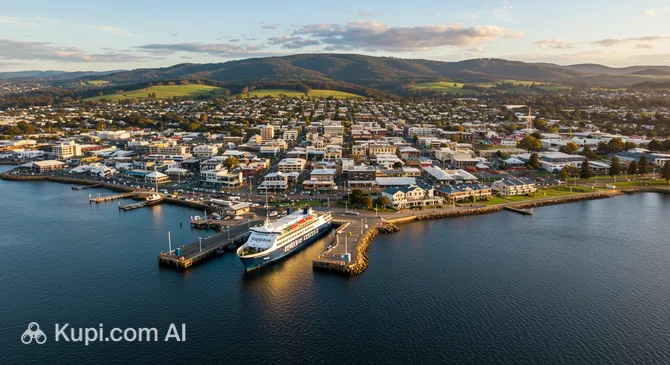
Devonport. Source: Kupi.Binoculars

Situated at the mouth of the Mersey River, the city enjoys a temperate maritime climate, which allows for lush greenery and pleasant travel conditions throughout most of the year. The area is steeped in maritime heritage, and visitors are encouraged to explore the history of Devonport to understand its evolution from a 19th-century settlement into a key logistical and tourism hub. The surrounding region is also famous for its fertile red soil, contributing to a thriving agricultural scene known for fresh, high-quality produce.

Travelers will find a variety of engaging attractions to fill their itinerary. The iconic Mersey Bluff Lighthouse, with its distinctive vertical red stripes, stands as a sentinel over the coastline and offers spectacular views of the Bass Strait. For those interested in heritage transport, the Don River Railway provides a nostalgic vintage steam train ride along the riverbanks. Nature enthusiasts should not miss the Tasmanian Arboretum, a peaceful sanctuary dedicated to the conservation of trees and shrubs.

Whether you are just stepping off the ferry or planning a dedicated stay, Devonport invites you to relax and enjoy its unique atmosphere. From its scenic river walking tracks to its welcoming local community, this city promises a memorable experience for every visitor.


Weather Overview

Devonport experiences a temperate maritime climate, characterized by mild, comfortable summers and cool winters. The warmest time of the year is typically January, where the average temperature sits around 17.8°C and daily highs can reach up to 21.7°C. Conversely, the middle of the year brings the chill, with July seeing average temperatures drop to 8.6°C and lows dipping near 6°C.

Rainfall is distributed throughout the year, though the frequency of wet weather increases noticeably during the winter months. August is often the dampest regarding frequency, recording about 14 wet days, whereas February is generally drier with only 7 wet days. For those planning a trip and needing a detailed forecast, checking the weather in Devonport is highly recommended. Overall, expect warm summers with occasional rain and cold, wetter winters.

Interesting Facts

Beyond the main attractions and the busy port, Devonport holds fascinating secrets that reveal its deep maritime roots and political significance. Uncover the stories that shaped this coastal gateway with these intriguing insights.
Mersey Bluff Lighthouse. Source: Kupi.Binoculars
  • The city as we know it today was born from a union of rivals. Until 1890, the area consisted of two separate townships sitting on opposite banks of the river: Formby on the west and Torquay on the east. They eventually amalgamated to form Devonport, ending years of competition between the two settlements.

  • Devonport is the hometown of Joseph Lyons, the only Tasmanian-born Prime Minister of Australia. His historic residence, Home Hill, remains standing in the city and is carefully preserved as a time capsule, offering a rare look into the personal life of an early 20th-century leader.

  • The iconic Mersey Bluff Lighthouse is famous for its unusual paint scheme. Unlike most lighthouses which feature horizontal bands, this structure is painted with distinctive vertical red stripes, a design choice intended to make it easily recognizable against the skyline during daylight hours.

  • The Don River Railway is not just a tourist ride; it preserves one of the largest collections of steam and diesel locomotives in Tasmania. The railway operates on a section of track that has been in use since 1854, originally built to transport timber to the port.

How to Get There

Reaching this coastal gateway is straightforward, with options to suit various travel preferences, whether you are arriving from mainland Australia or navigating within Tasmania. For a comprehensive guide on all available transport methods, including the popular Spirit of Tasmania ferry, you can read more about how to get to Devonport.

For air travel, the most direct route is flying into Devonport Airport (DPO). Located just 6.8 km from the city center, it is a convenient regional hub. The drive into town takes only about 15 minutes by taxi or shuttle. While it is a smaller facility compared to the capital's airport, it offers frequent connections to mainland cities like Melbourne, making it an excellent choice for a quick arrival.

Alternatively, many visitors choose to fly into Launceston Airport (LST) in the city of Launceston. Situated approximately 83 km from Devonport, this airport handles a higher volume of traffic and may offer a wider range of flight schedules. The journey from Launceston to Devonport by car or airport shuttle typically takes around 1 hour and 15 minutes via the highway.

For those planning a wider Tasmanian road trip, arriving at Hobart International Airport (HBA) in Hobart is another option, though it is further away. Located about 208 km from Devonport, the drive takes approximately 3 hours. This airport serves as the primary international and domestic gateway for the state, welcoming a large number of passengers annually.

For clarity, here is a summary of the main airports:

Airport Name City Passenger Traffic Km from City
Hobart International Airport Hobart High 207.5
Launceston Airport Launceston Medium 82.9
Devonport Airport Devonport Low 6.8
Burnie Wynyard Airport Burnie Low 55.8
King Island Airport King Island Low 254.2

It is important to note that Devonport, like the rest of Tasmania, does not have a public passenger railway system connecting it to other cities. While you may see tracks for freight or historical tourist trains, there are no regular train services for commuters or travelers between major towns. Visitors typically rely on rental cars or bus services to navigate between regions.

Main Attractions

Devonport offers a delightful mix of coastal beauty, historical heritage, and culinary experiences. Whether you are interested in exploring maritime landmarks, taking a nostalgic journey through time, or enjoying the local dining scene, the city has several key spots that are well worth a visit.

One of the most recognizable landmarks in the region is the Mersey Bluff Lighthouse. Standing proudly on the headland since 1889, this structure is famous for its distinctive vertical red stripes, which set it apart from other lighthouses in Australia. Visitors can walk along the surrounding tracks to enjoy panoramic views of the Bass Strait and the city coastline. It is an excellent spot for photography, watching the Spirit of Tasmania ferry navigate the river mouth, or simply taking in the fresh sea breeze.

Mersey Bluff Lighthouse. Source: Kupi.Binoculars

For history buffs and families, the Don River Railway is a must-see attraction. This heritage railway museum features an impressive collection of restored steam and diesel locomotives. Tourists can hop aboard a vintage train for a scenic return journey along the banks of the Don River, traveling through lush bushland on a track that dates back to the mid-19th century. The site also includes workshops and a museum where you can learn more about Tasmania's rail history.

Don River Railway. Source: Kupi.Binoculars

After exploring the sights, visitors can enjoy the city's vibrant food scene. Located right next to the surf club at the Bluff, Mrs Jones Restaurant Bar Lounge offers a sophisticated dining experience with spectacular ocean views. It is a popular venue for both locals and tourists seeking modern Australian cuisine made from fresh Tasmanian produce, making it a perfect place to relax while watching the waves.

Mrs Jones Restaurant Bar Lounge. Source: Kupi.Binoculars

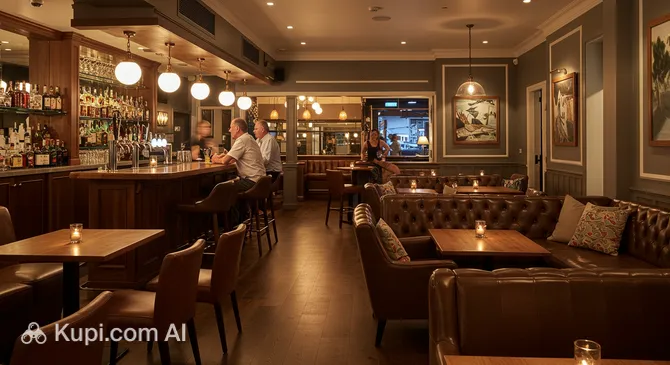
Another excellent option for food lovers is Laneway, a trendy spot known for its welcoming atmosphere and quality coffee. Situated in the heart of the city, this venue is celebrated for its delicious breakfast and lunch menus, often featuring locally sourced ingredients. It provides a cozy retreat where travelers can recharge before continuing their exploration of Devonport.

Laneway. Source: Kupi.Binoculars

Local Cuisine

Devonport is situated in the heart of Tasmania's North West, a region widely known as the state's "food bowl." Thanks to the area's fertile red soil and clean maritime air, the local cuisine is defined by incredibly fresh, high-quality ingredients. For visitors, this means that whether you are dining in a high-end restaurant or grabbing a quick bite at a cafe, the produce on your plate is likely sourced from nearby farms and waters.

Being a coastal city, seafood is a major highlight of the culinary scene. You cannot visit Devonport without trying the local fish and chips, often made with freshly caught flake or trevalla. For those with a more adventurous palate, Tasmanian scallops and Pacific oysters are delicacies that are harvested close by and served in many local establishments. Southern rock lobster, known locally as crayfish, is another premium dish often enjoyed during special occasions.

Beyond the ocean, the surrounding farmlands provide an abundance of dairy, meat, and fruit. The region is famous for its rich, creamy milk, which is transformed into award-winning cheeses and chocolates. Berries, particularly raspberries and strawberries, are also a staple during the summer months, often featuring in desserts or sold fresh at roadside stalls. Meat lovers will appreciate the high quality of the grass-fed beef and lamb, which are celebrated for their tenderness and flavor.

When it comes to drinks, the area reflects Tasmania's growing reputation for craft beverages. The cool climate is perfect for producing crisp ciders, particularly apple cider, which pays homage to the "Apple Isle" heritage. Wine enthusiasts can enjoy excellent Pinot Noir and sparkling wines produced in the region's vineyards. Additionally, the local coffee culture is thriving, with baristas taking great pride in their roasted blends.

The dining atmosphere in Devonport is generally relaxed and welcoming. You will find a mix of historic pubs, bustling bakeries, and modern eateries. For a sophisticated meal accompanied by stunning views of the Mersey River and Bass Strait, Mrs Jones Restaurant Bar Lounge is a prime example of the city's modern dining evolution, specializing in sharing plates and local seafood. Meanwhile, the cafe scene is vibrant and central to daily life; places like Laneway offer a cozy environment to experience the local breakfast and brunch culture, which is a favorite weekend ritual for residents.

Travel Tips

Traveling to Devonport is generally a breeze, but having a few local insights can make your trip much smoother and more enjoyable. Here are some practical tips to help you navigate this friendly Tasmanian city with ease.

  1. Clothing and Gear: Tasmania's weather is famous for being unpredictable, often described as having "four seasons in one day." It is essential to pack layers, including a waterproof jacket and a warm jumper, even if you are visiting in summer. Comfortable walking shoes are a must for the coastal tracks. Also, do not underestimate the sun; the UV index can be very high, so bring a hat and high-SPF sunscreen.

  2. Transportation: While there is a local bus network, services can be infrequent, especially on weekends and public holidays. To truly explore the surrounding region and hidden gems, renting a car is highly recommended. Taxis and ride-sharing apps are available, but they are not as abundant as in larger cities, so it is wise to book ahead for early morning or late-night trips.

  3. Finances: The local currency is the Australian Dollar (AUD). Credit and debit cards (Visa and Mastercard) are widely accepted for payments of all sizes, from coffee to accommodation. ATMs are easy to find in the city center. Tipping is not mandatory in Australia, but it is appreciated to leave a small gratuity (around 10%) for exceptional service at restaurants.

  4. Health and Safety: Devonport is a safe destination for travelers. Pharmacies (often called chemists) are located in the CBD and major shopping centers, though they generally close by early evening. For any life-threatening emergency (police, fire, or ambulance), dial 000. If you are swimming, always stick to patrolled areas like the Bluff Beach.

  5. Communication: English is the primary language, and locals are typically chatty and helpful. If you need a SIM card, the Telstra network usually offers the most reliable coverage if you plan to venture into rural Tasmania. Free Wi-Fi is often available at the local library, the visitor center, and many cafes.

  6. Local Etiquette: The atmosphere is relaxed and casual. A friendly "G'day" or a smile is common when entering a shop or passing someone on a quiet walking track. Queueing is strictly observed here; always wait your turn in line at bus stops, counters, and bars. Dress codes are generally informal, even for dining out.

  7. What to Avoid: Be extremely cautious when driving at dawn and dusk. Native wildlife, such as wallabies, pademelons, and wombats, are most active during these times and frequently cross roads, posing a significant hazard. Additionally, never ignore biosecurity bins at the port or airport; bringing fresh fruit or vegetables into Tasmania is strictly prohibited to protect local agriculture.

  8. Shopping Hours: Keep in mind that retail trading hours may be shorter than what you are used to. Most specialty shops close by 5:00 PM on weekdays and may have limited hours or be closed on Sundays. It is best to do your shopping early in the day rather than leaving it for the evening.

With these tips in hand, you are well-prepared to experience the best of the region without any hassles. Embrace the laid-back lifestyle, respect the beautiful natural environment, and enjoy a wonderful stay in Devonport.

Entertainment & Nightlife

Nightlife in Devonport is characterized by a relaxed and friendly atmosphere rather than high-energy clubbing. The city offers a sophisticated evening scene that revolves around social dining, waterfront drinks, and cultural performances. The main activity is concentrated in the CBD, particularly around Rooke Street and Steele Street, as well as the scenic Bluff precinct. Travelers will find that the evening vibe is welcoming and casual, making it easy to mingle with locals in pubs and lounges.

For a premium evening experience, Mrs Jones Restaurant Bar Lounge is the city's standout venue. Located at the Bluff, it offers an extensive list of Tasmanian wines and cocktails accompanied by stunning views of the Bass Strait, making it the perfect spot for sunset drinks or a late dinner. In the town center, visitors looking for a more pub-style environment can visit Empress Craft Beer, a popular local haunt known for its impressive selection of independent brews and laid-back setting. Dress codes across the city are generally smart-casual; you will feel comfortable in neat attire without needing formal wear.

Those interested in cultural entertainment should check the schedule for the Town Hall Theatre, located within the Paranaple Arts Centre. This venue frequently hosts live music, comedy shows, and theatrical productions, serving as the cultural heartbeat of the city after dark. Most venues close earlier than in major capitals, with bars typically winding down around midnight, so it is best to start your evening early, around 7:00 PM, to make the most of the night.

Regarding safety and logistics, Devonport is a very safe city for night walks, though the streets can become quite quiet after 10:00 PM. Public transport is limited at night, so it is highly recommended to book a taxi in advance if you need to travel between the CBD and your accommodation. Ride-sharing services are available but can be scarce during off-peak hours. Prices for drinks and entry are reasonable and generally lower than in Sydney or Melbourne.

During the daylight hours, the entertainment options shift towards heritage and nature. You can take a nostalgic trip on the Don River Railway, which offers a unique way to see the landscape aboard a vintage train. For a more leisurely pace, the city's cafe culture is vibrant; stopping by Laneway for a coffee or brunch is a favorite pastime for residents before they head out to explore the museums and galleries.

Parks & Museums

Devonport offers a refreshing balance of urban culture and natural beauty, making it a delightful destination for those who wish to explore beyond the city center. The region is home to expansive green spaces, riverside parklands, and a collection of museums that vividly recount the area's maritime and social history.

Nature lovers should venture just a short distance from the city to the Tasmanian Arboretum in Eugenana. This 66-hectare botanical tree park is a peaceful sanctuary featuring an impressive collection of cool-climate trees from around the world. It is also one of the best places in Tasmania to spot the elusive platypus in the wild, particularly in the quiet waters of the founders' lake. Closer to town, the Victoria Parade parkland offers a manicured waterfront stretch perfect for walking or cycling, providing uninterrupted views of the Mersey River and the passing ferries.

For a deep dive into the local heritage, the Bass Strait Maritime Centre is a standout attraction. Through interactive exhibits and a ship simulator, visitors can learn about the treacherous history of the strait and the brave sailors who navigated it. Art enthusiasts will appreciate the Devonport Regional Gallery, now housed in the Paranaple Arts Centre. This venue showcases a dynamic range of contemporary Tasmanian art and touring exhibitions, reflecting the creative spirit of the island's North West.

History comes alive at the Don River Railway, which serves as both a working heritage railway and a museum. The site houses a vast collection of steam and diesel locomotives, allowing visitors to explore the workshops and learn about the evolution of transport in Tasmania. Another significant site is Home Hill, the former residence of Joseph Lyons, the only Tasmanian-born Prime Minister of Australia. Managed by the National Trust, this timber house remains largely unchanged, offering an intimate glimpse into domestic life in the early 20th century.

Dominated by the iconic Mersey Bluff Lighthouse, the surrounding headland is not only a scenic lookout but also a place of historical importance, featuring ancient Aboriginal rock carvings and middens. For a truly local experience, take a walk along the Bluff track at dusk; you might be lucky enough to see little penguins coming ashore or spot wallabies grazing near the walking paths.

Getting Around

The public transport system in Devonport is relatively small and straightforward, reflecting the compact nature of this regional city. Unlike larger metropolitan areas, there is no metro, tram, or commuter train network. Instead, the city relies almost exclusively on a local bus service to connect the central business district with surrounding suburbs and nearby towns such as Latrobe. For most visitors, the system is easy to use, though it is designed more for local commuting than for extensive sightseeing.

The primary bus operator in the region is Merseylink. Their distinctive green and white buses cover the main residential areas and key locations like the hospital, schools, and shopping precincts. While the network is reliable for getting around the city center and immediate suburbs, the frequency of service is lower than what you might find in a capital city. Routes generally operate on a regular schedule during weekdays, but services are significantly reduced on Saturdays and often do not run at all on Sundays or public holidays.

Paying for your ride is simple. You can purchase a single ticket using cash directly from the driver when you board; however, it is appreciated if you have small change ready. For those planning to use the bus frequently during their stay, there is a smartcard system available (often the TransportMe card for this specific operator), which can offer discounted fares. Visitors can typically manage with cash for occasional trips, but checking the latest fare options on the operator's app or website is always a good idea.

For tourists, the most practical advice is to check the timetables in advance, especially if you are traveling outside of standard business hours. Bus stops are clearly marked, but you should signal the driver as the bus approaches to ensure it stops. Since services stop running relatively early in the evening, you should not rely on buses for late-night transport after dining out or attending events.

Given the limitations of the bus network, many visitors find that alternative transport methods offer more freedom. Taxis are readily available and can be hailed from designated ranks in the CBD or booked via phone. Ride-sharing services like Uber also operate in the area, providing a convenient option for getting around. However, because many of the region's best attractions are spread out, renting a car remains the most popular choice for tourists, allowing for flexible exploration of the coast and hinterland. Additionally, the city center and the foreshore are very flat and scenic, making walking or cycling a pleasant and viable option for short distances.

Accommodation

Accommodation in Devonport is designed to cater to a wide variety of travelers, ranging from those seeking a quick stopover after arriving on the Spirit of Tasmania to visitors planning a longer exploration of the North West coast. The city offers a diverse selection of lodging options, including convenient motels, comfortable mid-range hotels, cozy bed and breakfasts, and self-contained apartments. While it lacks the ultra-luxury high-rise resorts found in larger capitals, it makes up for this with high-quality, independent establishments and scenic riverside stays.

For those prioritizing convenience, the Central Business District (CBD) is an excellent choice. Staying in the heart of the city places you within walking distance of major shops, supermarkets, and the pedestrian mall. This area is particularly practical for business travelers or those without a vehicle, as it provides easy access to local dining and services. Just a stone's throw away is the popular Victoria Parade precinct. Accommodation along this stretch often commands beautiful views of the Mersey River, allowing guests to watch the ferries glide by from their balconies while being close to parklands and walking tracks.

Travelers looking for a more relaxed, holiday atmosphere might prefer staying near Coles Beach or the Bluff area. These locations offer a seaside vibe and are close to beaches, sporting facilities, and the lighthouse, making them ideal for families and active visitors. For budget-conscious travelers and backpackers, there are several well-equipped caravan parks and hostels, often situated in leafy surroundings slightly further from the town center but easily accessible by car.

Price ranges in Devonport are generally reasonable compared to mainland Australian cities. Budget options like hostels and cabin parks are affordable and plentiful, while mid-range motels offer great value with standard amenities. High-end options usually take the form of modern waterfront apartments or boutique B&Bs, which command a higher price for their location and luxury fittings. Most bookings can be made easily via major online platforms or directly with the property.

A crucial booking tip: Because Devonport is the entry and exit point for the Spirit of Tasmania ferry, accommodation can book out very quickly, especially during the summer peak season (December to February) and school holidays. It is highly recommended to secure your room well in advance, particularly if your travel dates align with the ferry's morning arrival or evening departure schedule.

Nearby Cities

For those looking to explore the surroundings, Devonport serves as an excellent base for day trips to several interesting nearby locations. The region offers a mix of coastal drives, historic towns, and natural wonders that are easily accessible by car.

Just a short drive west along the coast lies Burnie, a port city that has reinvented itself as a creative and cultural hub. Approximately 40 kilometers from Devonport, it is famous for its industrial heritage and the beautiful Emu Valley Rhododendron Garden. Visitors can enjoy a stroll along the boardwalk, explore the local arts scene, or watch little penguins come ashore at the dedicated observation center at dusk.

Heading southeast, travelers can visit Launceston, one of the oldest cities in Australia. Located about an hour away, it is renowned for its well-preserved Victorian architecture and the magnificent Cataract Gorge, a slice of wilderness situated right at the edge of the city center. With its vibrant food scene and lush city parks, it offers a perfect mix of urban exploration and natural beauty.

City Population Distance (km)
Hobart 222356 206
Launceston 106153 72
Burnie 27174 40
Latrobe 26900 325
Traralgon 24933 332

These nearby destinations offer a glimpse into the diverse culture and landscapes of the region, making them well worth the journey.

Shopping & Souvenirs

Shopping in Devonport is a laid-back affair that focuses on local quality rather than sprawling commercialism. While you won't find high-end international designer labels, the city offers a charming selection of independent boutiques, homeware stores, and essential services. The retail scene is particularly strong when it comes to regional produce, making it an excellent place to stock up on Tasmanian delicacies before heading home or continuing your journey.

The heart of the city's retail activity is the Rooke Street Mall. This pedestrian-friendly zone in the CBD is lined with a variety of specialty shops, fashion outlets, and cozy cafes, making it a pleasant spot to browse without the hassle of traffic. Just a short distance away, the Fourways precinct serves as another bustling commercial hub, offering a mix of service-oriented businesses, banks, and smaller retail stores that cater to the daily needs of locals and visitors alike.

For a more concentrated shopping experience, visitors can head to Devonport Plaza and the surrounding CBD shopping precinct. These areas house major Australian department stores and supermarkets, providing a convenient one-stop location for groceries, clothing, and travel essentials. If you are looking for hidden gems, the Hub Arcade is worth exploring for its collection of smaller specialty shops, distinct from the larger retailers found in the main plaza.

To truly taste the region, a visit to Providore Place is highly recommended. This modern, undercover marketplace showcases the best of Tasmania's North West, featuring stalls that sell fresh fruit, vegetables, and artisan products directly from the producers. Additionally, the Devonport Farmers Market, typically held at the Showgrounds on the second and fourth Saturday of each month, is a vibrant gathering spot where you can buy handmade crafts, plants, and freshly baked goods while mingling with the community.

When looking for gifts, focus on items that reflect Tasmania's natural bounty and craftsmanship. Popular souvenirs include products made from rare Huon pine, which is prized for its golden color and unique scent. Foodies should look for locally produced honey, particularly the famous leatherwood variety, as well as artisan chocolates and cheeses produced in the surrounding farmlands. Woolen products and handmade jewelry are also excellent choices to remember your trip.

Retail trading hours generally run from 9:00 AM to 5:00 PM on weekdays and from 9:00 AM to 2:00 PM on Saturdays. On Sundays and public holidays, many smaller specialty stores may be closed, though major supermarkets usually remain open. Payment is convenient, with credit and debit cards (Visa and Mastercard) being widely accepted even for small transactions. Contactless payment is the norm, though carrying some cash is useful for market stalls.

International travelers visiting Australia may be eligible for the Tourist Refund Scheme (TRS). This allows you to claim a refund on the Goods and Services Tax (GST) for purchases over $300 made at a single business. It is important to note that this refund is processed at your final international departure point (such as an international airport), not at the domestic ferry terminal in Devonport.

Reached the end of the page?

That means the route is fully explored