Support

Yulara

About

Welcome to Yulara, a remarkable township nestled in the southern region of the Northern Territory. Often referred to as the gateway to the Red Centre, this unique settlement serves as the perfect base for exploring the spiritual heart of Australia. With its striking red earth and endless horizons, Yulara offers an atmosphere of profound tranquility and adventure that captivates visitors from around the globe.

Geographically, the town is isolated in the vast Australian outback, surrounded by a desert landscape that is both harsh and beautiful. Despite its remote location, it supports a small but vibrant community with a population of approximately 1,100 residents. The climate here is typical of the desert, featuring warm, sunny days and crisp, clear nights that are perfect for observing the southern sky.
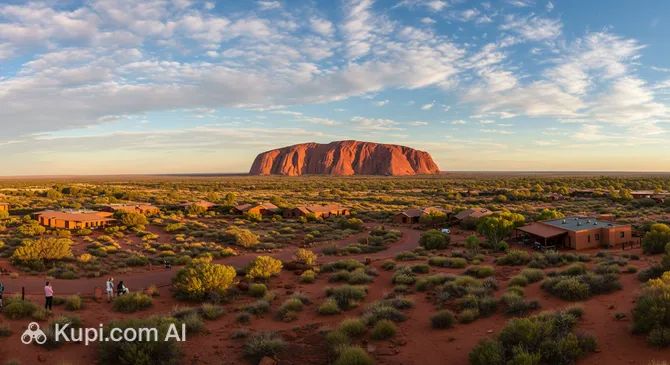
Yulara. Source: Kupi.Binoculars

The history of Yulara is quite fascinating as it was established relatively recently, in the late 20th century, specifically to support tourism while preserving the ecological integrity of the nearby national park. This purpose-built resort town provides all the necessary amenities for travelers, blending modern comfort with the rugged beauty of the outback.

Tourists flock here primarily to visit the iconic Uluru-Kata Tjuta National Park. Being just a short drive away from the majestic monolith of Uluru (Ayers Rock) and the striking domes of Kata Tjuta (The Olgas), Yulara is indispensable for anyone wishing to witness the spectacular color changes of these rock formations at sunrise and sunset. Additionally, the town offers immersive experiences into the rich culture and art of the local Anangu people.

Whether you are seeking a spiritual journey, a hiking adventure, or simply the chance to dine under a canopy of stars, Yulara welcomes you. It is a destination that promises unforgettable memories in one of the world's most spectacular natural environments.
Weather Overview

Yulara experiences a classic desert climate characterized by clear skies and significant temperature fluctuations between day and night. The summer months, spanning from December to February, are intensely hot, with average daytime maximums reaching nearly 37°C in January. While this period records the highest number of wet days, actual precipitation volume remains quite low.

In contrast, the winter season from June to August brings much milder conditions. During this time, daytime temperatures are pleasant, averaging around 20°C, but the nights can be surprisingly cold, with minimums dropping to approximately 7°C in July. For a comprehensive forecast to help plan your activities, you can view the current weather in Yulara.

Overall, visitors should expect hot summers with occasional showers and crisp, dry winters that are perfect for daytime hiking but require warm layers after sunset. The shoulder seasons of spring and autumn offer a comfortable balance, with warm days and refreshing nights.

Interesting Facts

Beyond being a mere stopover for the national park, Yulara holds its own intriguing secrets and unique characteristics that often go unnoticed by visitors. Here are some fascinating facts about this remote desert settlement:

  • The Town That Moved: Yulara was purpose-built in the early 1980s to save the environment. Before its construction, motels and campgrounds were located right at the base of the rock, causing significant ecological damage. The entire tourism infrastructure was relocated approximately 20 kilometers away to this new site to allow the sacred landscape to recover.

  • A Unique Governance: Unlike most Australian municipalities, Yulara is an unincorporated territory with no local council or mayor. It is primarily managed by the resort operator, functioning effectively as a "company town" where almost all residents are staff members working to support the tourism industry.

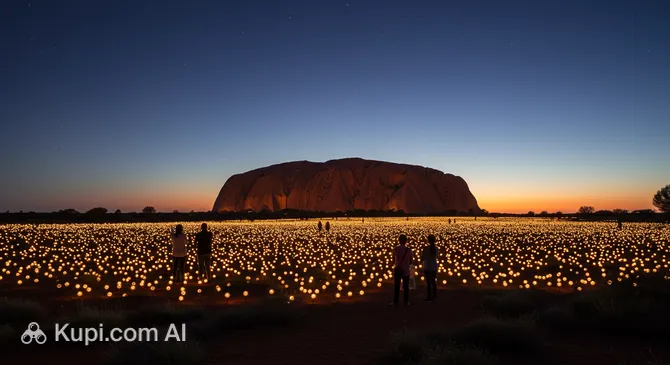
  • A Solar Forest: The town hosts the spectacular Field of Light Uluru, an art installation by Bruce Munro. It consists of 50,000 solar-powered spindles of light that cover an area the size of seven football fields, creating a shimmering fantasy garden that comes alive under the desert stars.

  • The Meaning of the Name: The name "Yulara" is derived from a local Indigenous word that translates to "howling" or "crying." It is believed to be associated with the legend of the Dingo Dreaming and the sound of the wind whistling through the desert vegetation.

Field of Light Uluru. Source: Kupi.Binoculars

How to Get There

Reaching the heart of the Australian outback is a unique adventure, and while the location is remote, it is well-connected to the rest of the country. You can read more about how to get to Yulara to find the option that best suits your travel plans.

The most convenient and popular method for visitors is to fly directly into Connellan Airport (AYQ). Situated just 5.5 km from the main resort complex, this regional hub is specifically designed to service tourists visiting Uluru. The transfer from the airport to the town center is very quick, typically taking about 10 to 15 minutes by complimentary shuttle bus or taxi. Although it is a small airport, it handles a significant number of passengers annually, offering direct flights from major Australian cities such as Sydney, Melbourne, and Cairns.

For clarity, here is a summary of the main airport:

Airport Name City Passenger Traffic Km from City
Connellan Airport Yulara Medium 5.5

There are no railway stations in Yulara, and the town is not directly served by passenger trains. The legendary Ghan train, which traverses the continent from north to south, makes a stop in Alice Springs, located approximately 450 km to the northeast. Travelers arriving by train in Alice Springs must then rent a car or book a coach transfer to complete the journey to Yulara, a scenic drive that takes about 4.5 to 5 hours on sealed roads.

Main Attractions

While the natural wonders of the surrounding national park are the primary draw, Yulara itself offers a selection of captivating experiences designed to enhance your stay in the Red Centre. From immersive art installations to aerial adventures, the attractions here allow visitors to engage with the desert landscape in unique and memorable ways.

One of the most spectacular sights in the area is the Field of Light Uluru. This global art phenomenon, created by acclaimed artist Bruce Munro, illuminates the desert floor with tens of thousands of slender stems crowned with frosted glass spheres. As darkness falls, the installation comes alive, creating a shimmering landscape of violet, blue, and ochre that rivals the brilliance of the Milky Way above. It offers a truly magical walking experience that contrasts beautifully with the ancient, rugged terrain.

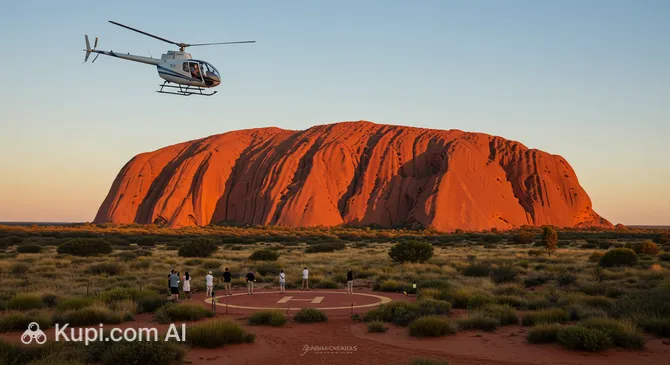
For a completely different perspective on the vast outback, Uluru Helicopter Tours provide an unforgettable adventure. Seeing the massive monolith of Uluru and the distant domes of Kata Tjuta from the air reveals their true scale and the geological textures that are invisible from the ground. These scenic flights offer exceptional photographic opportunities and a sense of the sheer vastness of the Australian interior, making it a highlight for thrill-seekers and nature lovers alike.

Uluru Helicopter Tours. Source: Kupi.Binoculars

Those who appreciate botany and relaxing environments will find the Desert Gardens Hotel to be more than just accommodation. The grounds are famous for their magnificent native gardens, which feature a diverse array of local flora, including the majestic ghost gums and flowering shrubs that thrive in the arid climate. A stroll through these gardens offers a peaceful retreat and a chance to learn about the region's unique plant life, all while enjoying some of the best views of Uluru available from within the township.

Desert Gardens Hotel. Source: Kupi.Binoculars

Local Cuisine

The culinary scene in Yulara is a unique fusion of modern Australian dining and ancient Indigenous flavors, offering a gastronomic adventure known as "Bush Tucker." Due to its remote location, the town relies on the resort's restaurants and cafes, where chefs expertly incorporate native ingredients into contemporary dishes. This approach allows visitors to taste the landscape, experiencing flavors that have sustained the Anangu people for thousands of years.

For a truly authentic Outback experience, adventurous eaters should try game meats, which are staples on many local menus. Kangaroo is a popular choice, often served as a lean, grilled steak or in gourmet burgers, prized for its rich, gamey flavor. Emu and crocodile are also frequently featured, sometimes smoked or served as sausages. For those preferring seafood, Australian Barramundi is a classic dish, often prepared with native herbs to highlight its buttery texture.

Vegetarian options and side dishes often feature distinctive native plants. You might encounter bush tomatoes, which add a tangy kick to chutneys and salsas, or lemon myrtle used to season vegetables and pasta. A must-try accompaniment is damper, a traditional Australian soda bread originally baked in the coals of a campfire. In Yulara, it is often served warm with butter, golden syrup, or a dip made from native dukkah.

When it comes to beverages, the region pairs its food with excellent Australian wines, particularly bold Shiraz and Cabernet Sauvignon varieties that complement red meats. For a non-alcoholic option, look for refreshing drinks infused with quandong (wild desert peach) or wattleseed, which offers a nutty, coffee-like aroma. These ingredients are also stars in the dessert menu, appearing in cheesecakes, ice creams, and pastries.

Dining in Yulara is as much about the atmosphere as it is about the food. The town is famous for its open-air dining experiences where you can eat under a canopy of stars, enjoying the silence of the desert. Within the township, venues range from casual cafes in the town square to sophisticated restaurants. For instance, the Desert Gardens Hotel houses acclaimed dining spots where guests can enjoy à la carte menus featuring these signature regional ingredients while overlooking the ghost gums and red sand dunes.

Travel Tips

Traveling to Yulara and the Red Centre is a bucket-list experience, but the harsh desert environment requires some smart preparation to ensure your trip is comfortable. Here are some essential tips to help you navigate the Outback safely and respectfully while making the most of your journey.

  1. Clothing and Gear: The desert climate is known for extremes. Pack lightweight, breathable clothing for the heat of the day, but absolutely bring warm layers—such as a fleece jacket and beanie—for the nights, which can drop to freezing in winter. A wide-brimmed hat, sunglasses, and high-SPF sunscreen are mandatory. Crucial tip: Buy a fly net for your face; the flies can be incredibly persistent, and a net will save your sanity during outdoor walks.

  2. Transportation: You generally do not need a car to move around Yulara itself. A free shuttle bus circulates regularly (every 20 minutes or so) around the Ayers Rock Resort, connecting all hotels, the campground, and the Town Square. However, to explore the National Park independently, renting a car is highly recommended. Otherwise, you will need to book guided tours for all your excursions to Uluru and Kata Tjuta.

  3. Finances: The local currency is the Australian Dollar (AUD). Credit and debit cards are widely accepted at hotels, restaurants, and shops. ATMs are available in the Town Square. Be aware that prices for food and goods are significantly higher than in coastal cities due to the remote location, so plan your daily budget accordingly. Tipping is not mandatory but is appreciated for good service.

  4. Health and Safety: Dehydration is the biggest risk here. Always carry at least 2 to 3 liters of water per person when heading out, even for short walks. In summer, many trails in the National Park close after 11:00 AM due to extreme heat safety risks. A Medical Centre is located in the Town Square for non-emergency and emergency assistance.

  5. Communication: English is the primary language. Mobile coverage (Telstra network is best) is generally good within the resort and near the main face of Uluru, but signal can drop out completely in other parts of the park or on the highway. Free Wi-Fi is available in most hotels and the Town Square, though speeds can be slower than urban standards.

  6. Local Etiquette: Yulara is the gateway to Anangu land. Respect Indigenous culture by strictly adhering to signs that say "No Photography" or "Sensitive Site" around the base of Uluru. These areas are sacred, and capturing them in photos or videos is culturally inappropriate. Also, never climb on the rocks or formations unless on a designated path.

  7. What to Avoid: Do not take rocks, sand, or soil as souvenirs. Removing natural material from the National Park is illegal and carries heavy fines. It is also deeply disrespectful to the traditional owners, and many tourists end up mailing the rocks back due to a sense of guilt or "bad luck."

  8. Smart Shopping: To keep costs down, make use of the well-stocked supermarket in the Town Square. Buying snacks, water, and lunch ingredients there is much cheaper than eating every meal at the resort restaurants. It is also the best place to buy sunscreen and insect repellent if you forgot them.

With these practical tips in hand, you are fully prepared to embrace the magic of the Australian Outback without any unwelcome surprises. Respect the land, stay hydrated, and enjoy the breathtaking beauty of Yulara and its ancient surroundings!

Entertainment & Nightlife

Nightlife in Yulara is a distinct departure from the neon lights and thumping bass of big-city clubs. Instead, the evening entertainment here is designed to harmonize with the serene desert environment, focusing on open-air experiences, culinary journeys, and the breathtaking canopy of stars. The atmosphere is generally relaxed and communal, with travelers from all over the world gathering to share stories of their outback adventures over a cold drink.

The social hub for those seeking a lively atmosphere is often found around the Outback Pioneer Hotel. This area is renowned for its "do-it-yourself" BBQ and bustling bar, where live music often fills the air. It offers a rustic, authentic pub vibe where the dress code is strictly casual, and the crowd is a mix of tourists and locals unwinding after a long day. For a more sophisticated evening, the bars within the Desert Gardens Hotel provide a tranquil setting to enjoy a cocktail while admiring the native flora illuminated by soft garden lights.

Beyond traditional bars, the night in Yulara is defined by unique touring experiences. The premier after-dark attraction is undoubtedly the Field of Light Uluru. Wandering through this illuminated landscape under the vast southern sky is a serene alternative to a noisy nightclub, offering a moment of quiet reflection and wonder. Another popular option is the "Sounds of Silence" dinner, a dining experience that combines fine food with guided astronomy sessions, allowing you to dine under the Milky Way.

Practicality is key when planning a night out here. The resort operates a free shuttle bus that connects all hotels, the campground, and the Town Square until late in the evening (usually around midnight), making it safe and easy to get around without walking in the dark. Yulara is extremely safe for tourists, but it is advisable to stay within the lit pathways of the resort complex to avoid getting lost in the surrounding scrub. Prices for drinks and entertainment are higher than average due to the remote location, so budgeting accordingly is wise.

While the nights are for stargazing and relaxation, the daylight hours offer their own excitement. Before the sun sets, visitors can explore local art galleries showcasing Indigenous works, visit the museum in the Town Square, or embark on thrilling aerial adventures with Uluru Helicopter Tours. These flights provide a stunning contrast to the evening's ground-level views, completing the full circle of Red Centre experiences.

Parks & Museums

While Yulara is primarily known as the logistical base for exploring the Red Centre, the township itself offers a surprising array of green spaces and cultural venues that deepen the visitor's understanding of the region. Beyond the surrounding desert scrub, the town features carefully curated botanical areas and galleries that celebrate the rich heritage of the Anangu people and the unique geology of Central Australia.

The most significant natural area accessible directly from the town is the vast Uluru-Kata Tjuta National Park. Although technically surrounding the township, its boundary is just a stone's throw away. This UNESCO World Heritage site is not merely a park but a living cultural landscape, home to the iconic red monoliths and a diverse ecosystem of desert flora and fauna. Within the town borders, nature lovers should visit the grounds of the Desert Gardens Hotel. This area functions as a dedicated botanical garden, showcasing a substantial collection of native Australian plants. Visitors can wander through pathways lined with ghost gums and flowering shrubs, learning about the survival mechanisms of vegetation in this arid climate.

For those interested in the artistic and historical narrative of the region, the Wintjiri Arts & Museum is a must-visit cultural hub located in the Town Square. This facility provides a comprehensive introduction to the area, featuring displays on local geology, flora, and the history of the park's management. It also serves as a retail gallery where visitors can purchase authentic Anangu art, supporting the local community. Another key cultural venue is the Gallery of Central Australia (GoCA), which exhibits fine art from Indigenous communities across the Northern Territory, offering insight into the stories and traditions passed down through generations.

In terms of landmarks, the Imalung Lookout stands out as a significant spot within the town's geography. Situated centrally, this elevated viewing platform offers panoramic views of the desert landscape, allowing visitors to see both Uluru and Kata Tjuta on the horizon without leaving the resort. It is an excellent location for photography, particularly at sunset when the changing colors of the rock formations are visible in the distance.

Another unique outdoor space that blurs the line between a park and an art gallery is the Field of Light Uluru. While often categorized as an attraction, this sprawling installation effectively creates an illuminated fantasy garden in the desert. Walking through the pathways surrounded by thousands of swaying lights offers a contemplative experience similar to a serene park visit, but with a surreal, artistic twist.

For an insider experience, take a self-guided walk along the resort's native garden trails early in the morning. Before the heat of the day sets in, the birdlife is most active, and you can enjoy the tranquility of the meticulously landscaped grounds that blend seamlessly with the wild bushland, often spotting local wildlife that ventures near the gardens.

Getting Around

Navigating Yulara is refreshingly simple compared to bustling metropolises. As a purpose-built resort town designed specifically for visitors to the Red Centre, it does not possess a complex municipal public transport network like a metro, tram, or extensive city bus system. Instead, the town relies on a highly efficient, specialized shuttle service that connects all accommodation options, the campground, and the main commercial hub, making it easy to get around without a private vehicle.

The backbone of local transport is the Free Resort Shuttle. This bus service runs in a continuous loop around the Ayers Rock Resort complex, stopping at every hotel, the visitor center, and the Town Square. It operates daily, typically from mid-morning until late at night (approximately 10:30 AM to 12:30 AM), ensuring that guests can easily travel between their rooms, restaurants, and shops. The buses are air-conditioned—a vital feature in the desert heat—and are wheelchair accessible.

Regarding payment, the internal resort shuttle is completely free of charge for all guests. There is no need to purchase tickets, carry a travel card, or validate a pass; you simply hop on and hop off at any designated stop. However, it is crucial to distinguish this free service from transport to the National Park. The free shuttle does not go to Uluru or Kata Tjuta. To visit these landmarks without a car, you must book a paid "Hop On Hop Off" bus pass or a guided tour. These passes can be purchased at hotel reception desks or the tour information center in the Town Square, accepting major credit cards.

For arrival and departure, the transport system is seamless. Complimentary coach transfers are synchronized with all scheduled commercial flights arriving at and departing from the local airport. These buses meet every flight and deliver guests directly to their hotel foyer. You do not need to pre-book this service if you are staying at the resort, and return transfer details are usually posted in hotel lobbies the day before your departure.

If you prefer more independence, rental cars are the most popular alternative. Hiring a car allows you to explore the National Park at your own pace, particularly for sunrise and sunset viewings when tour buses can be crowded. Rental agencies are located at the airport and within the resort, but booking in advance is highly recommended due to limited fleet sizes in this remote location. Taxis are available but can be scarce and relatively expensive; they are best used for short, specific trips when the shuttle schedule does not suit your needs.

For those who enjoy walking, the resort is interconnected by paved footpaths. Walking between the Town Square and nearby hotels like the Desert Gardens Hotel or the Sails in the Desert is a pleasant option during the cooler morning or evening hours. However, distances can be deceptive, and the midday sun is intense, so tourists are advised to use the shuttle or carry water even for short strolls. Always check the shuttle timetable at your hotel reception upon arrival to plan your dinners and shopping trips efficiently.

Accommodation

Accommodation in Yulara is unique because the entire township effectively functions as a single integrated complex known as Ayers Rock Resort. Unlike typical towns with competing hoteliers, all lodging options here are managed centrally, ensuring a consistent standard of service and seamless connectivity. Visitors can choose from a range of styles, from 5-star luxury and self-contained apartments to backpacker dorms and campgrounds, all located within a short distance of the Town Square.

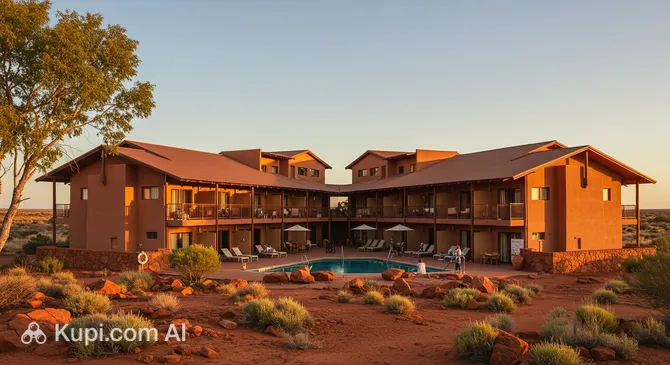
For travelers seeking a blend of comfort and scenic beauty, the Desert Gardens Hotel is a popular choice. It is distinguished by being the only hotel within the resort that offers rooms with direct views of the iconic monolith. Set amidst magnificent native flora, the property allows guests to relax on their balconies and witness the changing colors of Uluru at sunrise and sunset without leaving their accommodation.

Those looking for a premium experience often opt for Sails in the Desert, the resort's flagship hotel, which features a massive swimming pool and interiors inspired by Indigenous art. Conversely, families and groups might prefer Emu Walk Apartments, which provide full kitchen facilities for a home-away-from-home experience. For a more contemporary, boutique atmosphere, The Lost Camel Hotel offers stylish, compact rooms centered around a pool, catering specifically to couples and solo adventurers.

Budget-conscious travelers and those seeking a lively social scene head to the Outback Pioneer Hotel and Lodge. This venue offers affordable rooms and dormitory beds, along with a famous do-it-yourself BBQ area that serves as a meeting point for guests from all over the resort. Additionally, the Ayers Rock Campground provides powered sites and cabins for road-trippers. Regardless of where you stay, a complimentary shuttle bus connects all these properties to the airport and the town center, making it easy to get around.

Nearby Cities

Yulara is situated in one of the most remote regions of the Australian continent, deep within the Northern Territory's "Red Centre." In this vast landscape, the concept of a "neighbor" is defined differently than in coastal areas, as the nearest substantial settlements are often hundreds of kilometers away. The township serves as an isolated oasis, with Alice Springs being the closest major hub and the primary connection point for the region.

The following table lists cities in the wider region, ordered by their distance from Yulara. Please note that in the Outback, these distances represent significant journeys, often requiring hours of travel by road or air.

City Population Distance (km)
Agnew 2,359 281
Alice Springs 23,726 339
Tennant Creek 3,000 702
Ceduna 3,505 807
Roxby Downs 3,700 829

Among these, Alice Springs is the most significant for travelers. Although separated by over 300 kilometers (a distance that typically takes about 4.5 to 5 hours to drive), it provides essential services, a larger airport, and rail connections like The Ghan. The other locations listed, such as Tennant Creek and Ceduna, illustrate the immense scale of the Australian interior, often serving as distant waypoints rather than immediate neighbors.

Shopping & Souvenirs

Shopping in Yulara is a unique experience that differs significantly from the bustle of large commercial cities. As a purpose-built resort town, it does not feature sprawling shopping malls or high-street fashion chains. Instead, the retail scene is concentrated and curated, focusing primarily on essential supplies for travelers and high-quality, authentic Indigenous art and souvenirs. Visitors will find everything they need for a comfortable stay in the Outback, alongside opportunities to purchase meaningful keepsakes that reflect the spiritual and cultural significance of the Red Centre.

The primary hub for all retail activity is the Yulara Town Square. This open-air precinct serves as the community heart of the Ayers Rock Resort and contains the town's main supermarket, a newsagency, and a post office. It is the go-to location for groceries, sunscreen, camping gear, and casual clothing. The atmosphere here is relaxed and communal, with visitors often gathering on the lawns after browsing the shops. For those staying in self-contained accommodation or looking to save on dining costs, the well-stocked supermarket is an invaluable resource.

While there are no traditional shopping malls, the resort hotels themselves house specialized boutiques and galleries. For instance, the Desert Gardens Hotel and other nearby luxury accommodations often feature gift shops that offer a more upscale selection of clothing, jewelry, and books about the local flora and fauna. These outlets are perfect for finding higher-end gifts or resort wear suitable for the desert climate.

The most compelling shopping experience in Yulara revolves around Indigenous art. The town is one of the best places in Australia to purchase authentic Anangu paintings, wood carvings, and textiles. Galleries located within the Town Square and the resort hotels showcase works by local artists, often providing certificates of authenticity. Buying art here not only gives you a beautiful souvenir but also supports the local community. In addition to art, look for "bush tucker" products, such as jams, spices, and dukkah made from native ingredients like wattle seed and desert lime.

Markets in the traditional sense are not a daily occurrence, but the Town Square occasionally hosts artisan stalls or cultural demonstrations where visitors can buy directly from local craftspeople. A popular item to look out for is hand-painted ceramics or dot-painting kits, which allow you to try your hand at the traditional art style. Unlike cheap imported trinkets found in some city souvenir shops, the goods here often have a genuine connection to the land and its people.

Stores in the Town Square, particularly the supermarket, generally operate seven days a week with extended hours to accommodate tourists returning from sunset tours. The supermarket typically opens from early morning until evening (around 8:00 AM to 8:00 PM), while specialty boutiques and galleries may have shorter operating hours. Major credit cards and debit cards are accepted everywhere, and ATMs are available in the Town Square for cash withdrawals.

For international travelers, the Tourist Refund Scheme (TRS) may apply to significant purchases. If you spend $300 (AUD) or more in a single store and obtain a valid tax invoice, you may be eligible to claim a refund of the Goods and Services Tax (GST) upon departure from Australia. Given the high value of authentic Indigenous art pieces, this is a useful option to keep in mind when investing in a painting or sculpture.

Reached the end of the page?

That means the route is fully explored