Support

Leuven

About

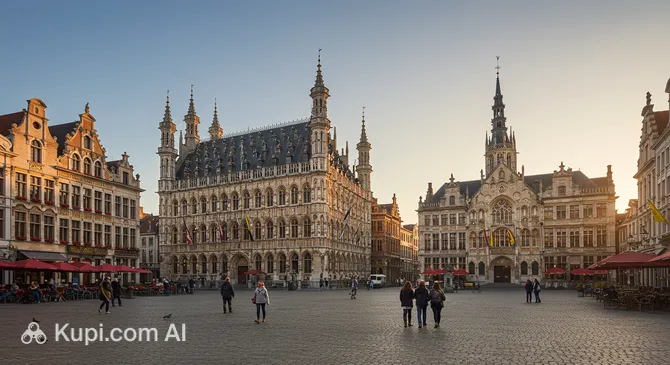
Leuven is the true heart of Flemish Belgium, cozily situated just 25 kilometers east of Brussels. The city stretches along the picturesque banks of the Dijle River, and its historic center literally breathes a medieval atmosphere: narrow streets, cobbled squares, and majestic Gothic buildings create a sense of traveling back in time. Thanks to its compact size, Leuven is ideal for leisurely walks and cycling—it is so pleasant to discover new corners and hidden gems of the city here.
Leuven. Illustration.
Source: Kupi.com AI

With a population of just over 100,000, Leuven successfully combines the coziness of a small town with the energy of a major university center. This is home to the famous KU Leuven (Catholic University of Leuven)—the oldest in the country and one of the oldest in Europe, which gives the city its unique youthful and intellectual character. Leuven is also the administrative center of the province of Flemish Brabant, and its cultural life is packed with events year-round.

The atmosphere of Leuven charms from the very first moments: you can easily meet students from all over the world, hear the clinking of glasses in numerous pubs and cafes, and in the evenings, the city fills with music and laughter. Leuven is rightfully proud of its magnificent Gothic architecture, including the famous Town Hall, its cozy parks, and, of course, its rich beer traditions—it's not for nothing that it is often called the beer capital of Belgium.

Leuven is worth visiting for its unique combination of history, science, art, and gastronomy. It is a city where ancient abbeys harmoniously coexist with modern galleries, and every building seems to tell its own fascinating story. Leuven is the perfect place for those seeking inspiration, a cozy atmosphere, and authentic Belgian hospitality.

You can find more interesting facts on the Leuven city history page.
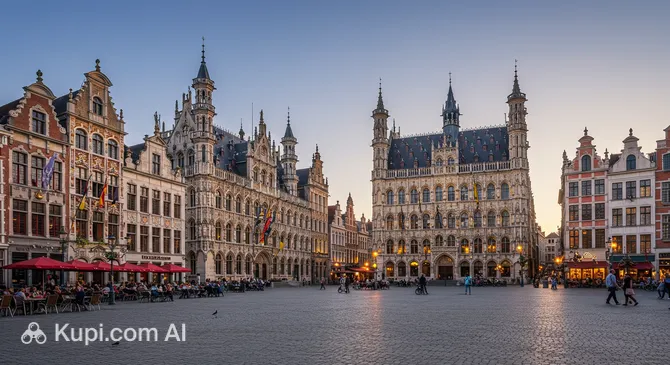
Weather Overview

The weather in Leuven is characterized by a temperate maritime climate. Summers are usually warm, with average temperatures in July and August around 18-19°C, and maximum values can reach 23-24°C. Winters are cool, with the average temperature in January being about 4.4°C. Precipitation is distributed fairly evenly throughout the year, although the number of rainy days may be higher in the winter months.

Expect warm summers with occasional but not heavy rain (about 2-3 mm per month, but 10-14 rainy days), and cool, wet winters with a similar amount of precipitation but a larger number of overcast days (13-16 rainy days). Spring and autumn are transitional seasons with gradual temperature changes and moderate precipitation. To get a more detailed idea of the weather conditions, you can study the Leuven climate.

Average monthly temperature

Average monthly precipitation

Interesting Facts

In addition to its well-known landmarks, Leuven holds many surprising stories and little-known details that make it truly unique. This city is not just a university center, but a place with a rich heritage and unexpected discoveries.

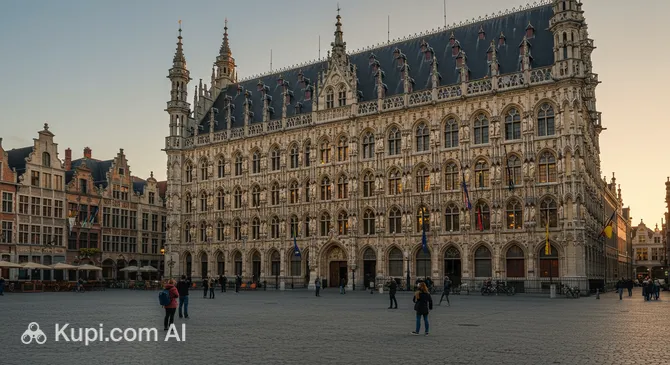
Leuven Town Hall. Illustration.
Source: Kupi.com AI

Traveler photos:

  • The majestic Leuven Town Hall is not just an administrative building, but a real stone chronicle. Its facade is decorated with 236 sculptures, each depicting biblical characters, historical figures, and symbolic figures related to the city's past. The construction of this late Gothic masterpiece took almost three decades.

  • It was Leuven that gave the world the famous Stella Artois beer. The brewery's history began in 1366, and although it is a global brand today, its roots go deep into the brewing traditions of this Flemish city. Visiting local breweries still allows you to touch this heritage.

  • Leuven is home to the oldest botanical garden in Belgium, founded in 1738 by the University of Leuven for medical research. Originally intended for growing medicinal herbs, today it is a picturesque oasis with a collection of more than 800 plant species from around the world.

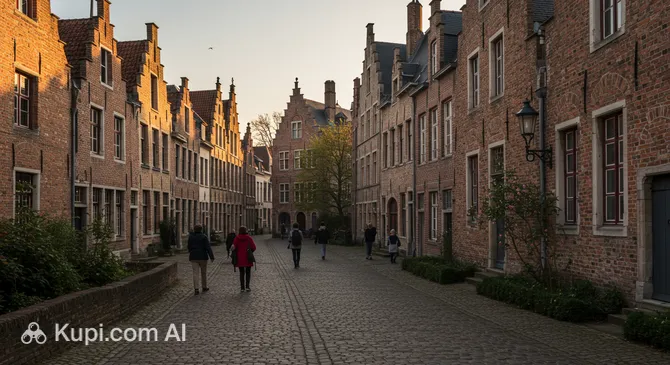
  • The unique Great Beguinage, included in the UNESCO World Heritage List, is a real city within a city. This beautifully preserved historical complex with its cobbled streets, old houses, and churches once served as a home for Beguines—women who dedicated themselves to religious and charitable activities but did not take monastic vows.

  • Leuven is proud of its outstanding alumni and scientists, including Georges Lemaître—a priest and astronomer who was the first to formulate the theory of the expanding universe, later known as the Big Bang theory. He taught at KU Leuven, making a huge contribution to modern cosmology.

How to Get There

Leuven is located in the very heart of the country, making it easily accessible for travelers. Thanks to a well-developed transport network, you can get here quickly and comfortably. You can find out all the details and plan your route by clicking the link: more on how to get to Leuven.

The nearest and most convenient hub is Brussels Airport (BRU). Please note that this major international airport is not in Leuven itself, but in the city of Brussels, just 15.5 km from the center of Leuven. This is the country's main aviation hub with a huge passenger flow. A taxi or transfer trip from here will take approximately 40–45 minutes, depending on traffic.

Another popular option, especially for those flying with low-cost airlines, is Brussels South Charleroi Airport (CRL). It is also not located in Leuven, but in the vicinity of Brussels (Charleroi), at a distance of about 50 km. Travel time by car or bus will be approximately 1 hour and 35 minutes. This is an important transport hub receiving many flights from all over Europe.

For clarity, here is a summary of the main airports:

AirportPassenger trafficDistance
Brussels Airport23.6 mln16 km
Antwerp International Airport239 51738 km
Charleroi Brussels South Airport10.5 mln50 km
Liege Airport161 93659 km
Maastricht Aachen Airport230 93275 km

If you prefer rail transport, you should consider the major stations in the vicinity. For example, Brussels-Midi (ZYR) is a key hub for international trains (Thalys, Eurostar). It is located in the city of Brussels, about 26 km from Leuven. From there, you can reach Leuven by taxi or local transport in about 60 minutes.

Also an important hub is the Brussels-North Bus Station. This transport point is located in Brussels, about 24 km from Leuven. Travel time by car is about 55 minutes. This is one of the busiest transport hubs in the region.

Below is information about the nearest major railway stations:

StationPassenger trafficDistance
Mechelen Station5.8 mln23 km
Brussels-North Bus Station21.8 mln24 km
Brussels Midi Station21.5 mln26 km
Berchem Railway Station4.5 mln40 km
Antwerp Central Station13.5 mln42 km

Main Attractions

Leuven, a charming city in Belgium, is famous for its rich history, magnificent architecture, and vibrant student atmosphere. Here, everyone will find something to their liking, from ancient buildings to modern museums and cozy squares.

One of the main jewels of the city, without a doubt, is the Leuven Town Hall. This stunning building in the Brabantine Gothic style, located on the Grote Markt, captures the imagination with its detailed facade sculptures. Construction of the town hall took place in the 15th century, and today it serves not only as an administrative building but also as a popular tourist attraction, symbolizing Leuven's wealth and influence in the Middle Ages.

Leuven Town Hall. Illustration.
Source: Kupi.com AI

Traveler photos:

Equally significant is the Great Beguinage in Leuven—a historic district inscribed on the UNESCO World Heritage List. This quiet and peaceful "city within a city" with its cobbled streets, old brick houses, and churches once served as a home for a community of Beguines. Today, it belongs to KU Leuven and provides housing for students and faculty, while preserving its unique atmosphere of the past.

Great Beguinage of Leuven. Illustration.
Source: Kupi.com AI

Traveler photos:

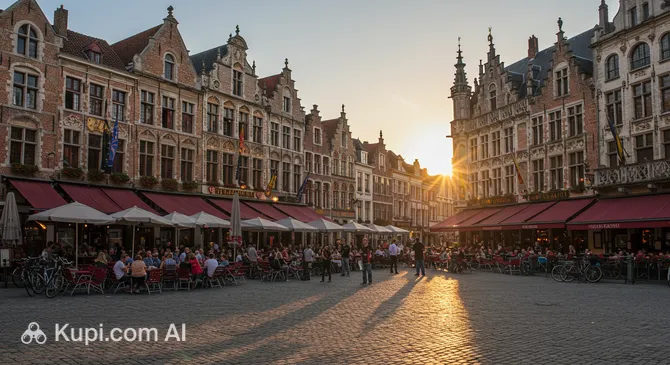
For those who want to feel the pulse of Leuven's modern life, a must-visit spot is the Oude Markt (Old Market). This square, surrounded by numerous bars and cafes with terraces, is known as "the longest bar in Europe." During the day, you can enjoy a cup of coffee here, and in the evening, the square comes alive, becoming a center for student gatherings and fun.

Oude Markt. Illustration.
Source: Kupi.com AI

Traveler photos:

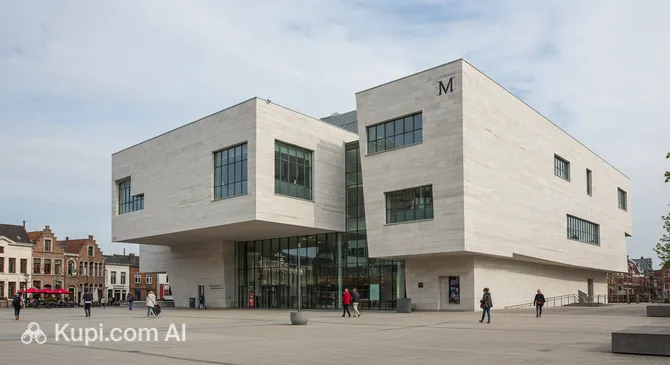
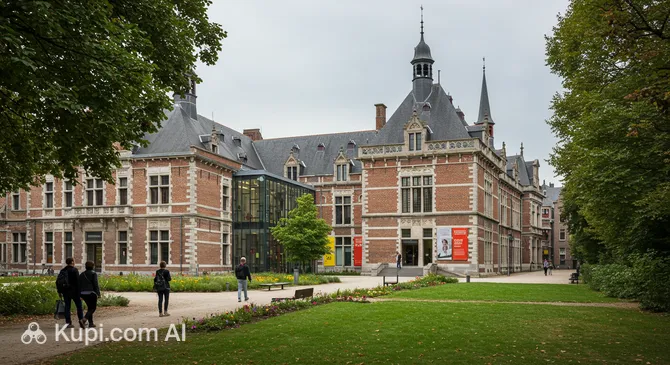
Art lovers should check out M Leuven—a modern museum that harmoniously combines historic and contemporary architecture. Its collection features both works by Old Masters and pieces by contemporary Belgian and international artists. The museum is also known for its temporary exhibitions and cultural events.

M Leuven. Illustration.
Source: Kupi.com AI

Traveler photos:

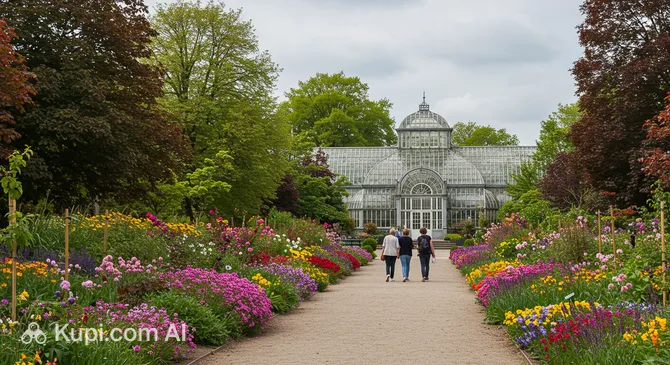
Another wonderful place for relaxation and walks is the Leuven Botanical Garden, also known as the "Kruidtuin." Founded in 1738 by the University of Leuven for medicinal purposes, it is the oldest botanical garden in Belgium. Its grounds house an impressive collection of plants from around the world, including greenhouses with tropical and subtropical species, a medicinal herb garden, and picturesque ponds.

Leuven Botanical Garden. Illustration.
Source: Kupi.com AI

Traveler photos:

Local Cuisine

The gastronomic scene in Leuven is a true immersion into the best traditions of Belgian cuisine, where everyone will find a dish to their liking. Be sure to try Carbonnade Flamande—a tender beef stew simmered in local dark beer with onions and aromatic spices. No less famous are Belgian waffles, which in Leuven are served with a wide variety of toppings, from classic sugar syrup to fresh fruit and chocolate. It's also worth trying the delicious breaded shrimp, frequently found on local menus.

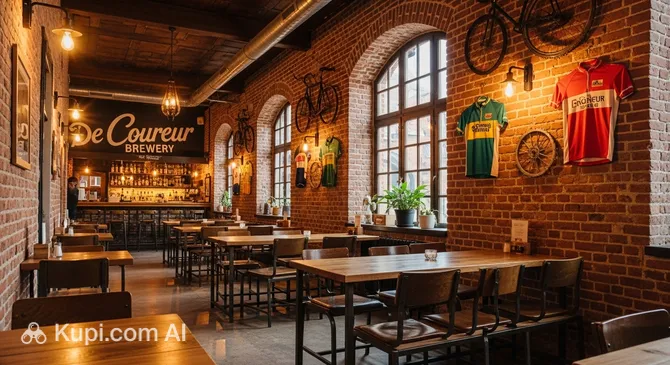
Leuven is rightfully considered one of the beer capitals of Belgium, as it is the birthplace of the world-famous Stella Artois beer. However, the city is famous for more than just this brand. There are dozens of craft breweries here where you can taste unique varieties—from refreshing fruit lambics to rich and strong abbey ales. Many pubs and bars, such as the De Coureur Brewery, offer their own exclusive varieties and snacks, creating a unique atmosphere for beer enthusiasts.

De Coureur Brewery. Illustration.
Source: Kupi.com AI

Traveler photos:

The food culture in Leuven is diverse and accessible. Locals and tourists alike enjoy visiting both cozy restaurants offering classic dishes and lively bars. The Oude Markt square, known as "the longest bar in Europe," is particularly popular, concentrating many venues for every taste. Street food is also an important part of the city's gastronomic life: at markets and during festivals, you can enjoy the famous Belgian fries (frites) with various sauces, fresh waffles, and local cheese delicacies. Be sure to stop by the farmers' markets to try the freshest produce, artisanal cheeses, and homemade sweets.

Oude Markt. Illustration.
Source: Kupi.com AI

Traveler photos:

Throughout the year, Leuven hosts various gastronomic festivals that attract foodies from all over the world. The most famous of these is undoubtedly the beer festival, gathering experts and beer lovers. Such events are an excellent opportunity to try dishes from the city's best chefs, participate in exciting masterclasses, and get to know the secrets of Belgian culinary arts more deeply.

Travel Tips

Welcome to Leuven, Belgium's charming university city! To ensure your trip goes smoothly and leaves only pleasant impressions, we have prepared some practical tips to help you navigate the local area.

  1. Clothing and Essentials: The climate in Belgium is temperate, so even in summer, evenings can be cool, and rain is a frequent occurrence. Pack layered clothing, comfortable waterproof shoes for walking on the cobblestones of ancient streets, as well as an umbrella or raincoat. Don't forget a European-type power adapter (Type E/F). When visiting churches, such as the famous Saint Peter's Church, choose modest clothing that covers shoulders and knees.
  2. Getting Around the City: Leuven is a compact city, and its historic center is easy to explore on foot. Cycling is very popular—it's a great way to feel like a local; rental points are easy to find. Public transport is provided by De Lijn buses. Taxis are available but are a more expensive option. Renting a car for moving within the city is unlikely to be necessary but can be convenient if you plan trips to the surrounding areas.
  3. Financial Matters: The official currency in Leuven, as in all of Belgium, is the Euro (EUR). You can exchange currency at banks or exchange offices, but it is more profitable to withdraw cash from an ATM (Geldautomaat), which are widely available. Credit and debit cards (Visa, Mastercard) are accepted almost everywhere. International cards usually work without problems, but just in case, check the terms with your bank. Tipping in restaurants is often included in the bill (service compris); if not, it is customary to leave 5-10% of the total. In bars, you can simply round up the bill.
  4. Health and Safety: Pharmacies (Apotheek) in Leuven are easy to find, but not all are open 24/7; information about on-call pharmacies can be found online. In case of emergency medical assistance, call 112. Leuven is considered a safe city, but standard precautions against pickpockets in crowded places (for example, at the station or the Oude Markt) are advisable. Avoid poorly lit and deserted places at night.
  5. Communication: The official language in the Flanders region, where Leuven is located, is Dutch (the local version is often called Flemish). However, due to the large number of students and the international character of the university, most locals, especially young people and service industry workers, speak excellent English. Learning a few phrases in Dutch, such as "Hallo" (Hello), "Dank u wel" (Thank you), and "Alstublieft" (Please), will be a nice gesture. A SIM card from a local operator can be purchased at specialty stores. Free Wi-Fi is available in many cafes, hotels, and public spaces.
  6. Local Etiquette: When meeting, it is customary to exchange handshakes. Belgians value punctuality, so try not to be late for meetings. In public places, it is customary to behave discreetly, avoiding loud conversations. Politeness and respect are always welcome.
  7. What to Avoid: Try not to raise sensitive topics in conversations with locals concerning linguistic differences or the internal politics of Belgium unless you are sure of the context. It is also best not to make direct comparisons between cultures within the region—these are distinct identities despite linguistic similarities with neighboring countries.
  8. Special Feature of Leuven: Leuven is a true beer capital! Be sure to visit the Oude Markt, called "the longest bar in Europe," and try a variety of local beers. Keep in mind that many shops in Leuven may be closed on Sundays, with the exception of some small grocery stores and souvenir shops.

We hope these tips make your stay in Leuven even more comfortable and fulfilling. Enjoy its medieval architecture, lively student atmosphere, and, of course, the famous Belgian hospitality!

Entertainment & Nightlife

When the sun sets over Leuven, this charming Belgian city transforms, offering a surprisingly vibrant nightlife. This is largely thanks to the famous KU Leuven and the large number of students who fill the city with youthful energy. If you are looking for a fun night out, Leuven will not disappoint.

The heart of Leuven's nightlife is undoubtedly the Oude Markt (Old Market). It is often called "the longest bar in Europe" because of the incredible number of bars, pubs, and cafes huddled close together. The atmosphere here is always festive and friendly, especially lively on Thursday nights (the traditional student night) and on weekends. The crowd here is mixed: students, locals of all ages, and tourists, all enjoying famous Belgian beer and socializing. The dress code in most venues on the Oude Markt is quite casual—the main thing is that you feel comfortable.

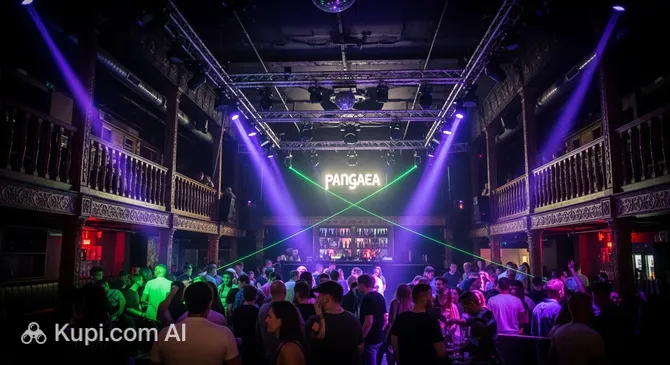
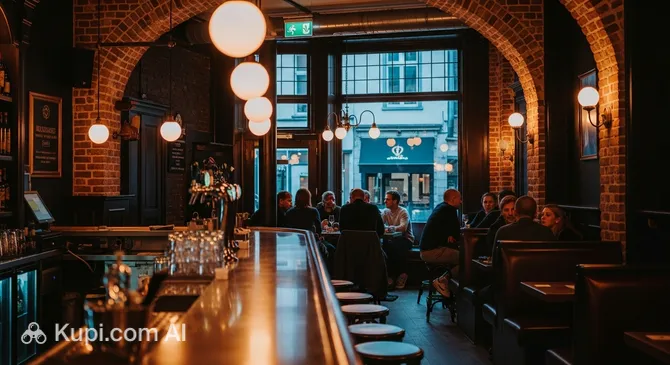
Beyond the Oude Markt, interesting venues can be found in the adjacent streets. If you're in the mood to dance until morning, you should look into clubs like Pangaea, known for its themed parties and diverse music. For connoisseurs of craft beer and a calmer atmosphere, Malz bar, which offers a wide selection of drinks, is a great choice. Many bars also offer live music, especially on weekends.

Pangaea. Illustration.
Source: Kupi.com AI

Traveler photos:

Most bars in Leuven are open until late at night, and clubs until early morning, usually until 3–5 AM. It's best to arrive after 10:00 PM, when the city truly comes alive. Prices for drinks and food in bars are considered moderate for Belgium. Moving around the city center at night is most convenient on foot, as the main entertainment districts are compactly located.

Malz. Illustration.
Source: Kupi.com AI

Traveler photos:

Leuven is generally considered a safe city for night walks, especially in central areas like the Oude Markt. Nevertheless, it's always worth taking basic precautions: keep an eye on your belongings and avoid poorly lit and deserted places. If you need to get to a more remote area, you can use taxi services, which can be called by phone or found at designated taxi stands.

During the day, Leuven also offers many leisure options. You can immerse yourself in art and history at the M Leuven museum, stroll through the ancient streets of the Great Beguinage, which is a UNESCO World Heritage site, or enjoy the peace and beauty of nature in the Leuven Botanical Garden. Thus, Leuven is ready to offer entertainment for every taste at any time of day.

Parks & Museums

Leuven, a charming city in the heart of Belgium, offers its guests not only a rich historical heritage but also wonderful opportunities for outdoor recreation and cultural discovery. Here, ancient parks, modern museums, and unique architectural monuments harmoniously blend together to surprise every traveler.

One of the city's green jewels is the Leuven Botanical Garden (Kruidtuin), the oldest in Belgium. Founded in 1738 for medical students, today it delights visitors with a diverse collection of plants from around the world, including greenhouses with tropical species and picturesque themed gardens. It is an ideal place for a peaceful walk and getting to know the flora.

Leuven Botanical Garden. Illustration.
Source: Kupi.com AI

Traveler photos:

For more active recreation and family picnics, the Kessel-Lo Provincial Park is perfect. This vast park offers many activities: from playgrounds and ponds where you can go boating to sports facilities and forest trails. Nearby is also the cozy Park De Bruul, another pleasant spot for outdoor relaxation.

The main cultural center of the city is rightfully considered M Leuven (M-Museum Leuven). This modern museum impresses not only with its architecture but also with a rich collection covering both classic art by old Flemish masters and bold works by contemporary artists. The exhibitions are regularly updated, offering a fresh perspective on art.

M Leuven. Illustration.
Source: Kupi.com AI

Traveler photos:

The historical and spiritual heritage of Leuven is beautifully represented at Park Abbey. This is one of the best-preserved abbeys in Europe, where you can immerse yourself in the atmosphere of the past, stroll through its grounds, and visit the PARCUM museum, dedicated to religious art and culture. Exhibitions and cultural events are often held here.

Park Abbey. Illustration.
Source: Kupi.com AI

Traveler photos:

Speaking of Leuven, one cannot fail to mention its iconic architectural masterpieces. The Great Beguinage, a UNESCO World Heritage site, is a quiet and peaceful district with cobbled streets and ancient houses that seem to transport you to another era. And the magnificent Leuven Town Hall on the Grote Markt astounds with its intricate Gothic facade, decorated with numerous sculptures.

Great Beguinage of Leuven. Illustration.
Source: Kupi.com AI

Traveler photos:

To deeply feel the atmosphere of Leuven, peek into one of the cozy courtyards of the Great Beguinage early in the morning before the tourist crowds arrive, or enjoy a cup of coffee at a cafe overlooking the ancient buildings on the Oude Markt (Old Market), which locals call "the longest bar in the world."

Getting Around

Getting around Leuven is quite simple thanks to a well-organized public transport system and the city's compact size. The main form of public transport here is the bus, operated by the company De Lijn. They cover the entire city and its surroundings, offering a convenient way to reach most attractions and neighborhoods.

The fare payment system in Leuven offers several options. You can purchase a single ticket: directly from the bus driver (usually the most expensive option, approximately €3.00 - €3.50), from ticket machines, at special "Lijnwinkel" kiosks, or via the De Lijn mobile app (which is generally cheaper, around €2.50). The app also allows you to plan routes. For more frequent travel, it is more economical to use a multi-journey card (Lijnkaart) or a day pass (dagpas), which entitles you to unlimited travel within a day (the approximate cost of such a pass is €7.50 - €8.00). Multi-day passes are also available. It's important to remember that these prices are approximate, and it's always best to check the official De Lijn website or their mobile app for the current cost. Be sure to validate your ticket or card in the yellow device when entering the bus.

Tourists are advised to buy tickets in advance to save money, especially compared to buying from the driver. Ticket machines are usually located at major stops and at the station. Buses run regularly, especially during the day, but intervals may increase in the evenings and on weekends. Schedules can always be checked at the stops, on the official De Lijn website, or in the mobile app.

In addition to buses, cycling is very popular in Leuven. The city is perfectly adapted for cyclists: there are many bike lanes and rental points, such as the Blue-bike system at the railway station or the city's Velo system. This is a great and healthy way to explore the city. Of course, taxi services are also available, but they will be significantly more expensive. As for car sharing, services like Cambio operate in Leuven, offering cars for short-term rental, which can be convenient for certain trips, for example, out of town. However, given the compactness of Leuven's historic center, many of its corners are best explored on foot.

Accommodation

When planning a trip to Leuven, you will find a wide choice of accommodation options to suit various preferences and budgets. This university city in Belgium offers both cozy budget options and more comfortable hotels and apartments.

A variety of housing types are available in Leuven: from economical hostels and guesthouses, popular among youth and students, to mid-range hotels offering a good balance of price and quality. Short-term rental apartments are also widely represented and can be convenient for families or long stays. While there are few luxury five-star resorts here, you can find stylish boutique hotels with a high level of service.

The most popular area for tourists to stay is the historic center of Leuven. By choosing a hotel or apartment here, you will be within walking distance of the main attractions, such as the famous Leuven Town Hall, the majestic Saint Peter's Church, the central Grote Markt square, and the lively Oude Markt, known as "the longest bar in Europe." The areas adjacent to the railway station also offer convenient accommodation thanks to excellent transport links. For those seeking a quieter atmosphere, options near the charming Great Beguinage or the Leuven Botanical Garden are ideal.

Grote Markt. Illustration.
Source: Kupi.com AI

Traveler photos:

Although specific hotels are not listed in the attractions, Leuven features a wide range of hotel brands and independent hotels. You will easily find a suitable option that meets your expectations.

It is highly recommended to book accommodation in advance, especially if your trip is planned for the peak tourist season (usually summer months and the Christmas market period) or coincides with major university events, such as the start of the academic year or graduations. During these periods, the demand for housing in Leuven increases significantly.

The price range for accommodation in Leuven varies from budget options (hostels, inexpensive guesthouses) to the middle and higher segments (comfortable hotels, spacious apartments). The most common booking methods are popular international online platforms such as Booking.com, Expedia, and Airbnb, as well as the possibility of direct booking through official hotel websites, which can sometimes offer better terms or special offers.

Nearby Cities

For those looking to explore the surrounding area, Leuven serves as an excellent starting point for day trips to several interesting nearby locations:

Not far from Leuven is Zaventem, primarily known for Brussels International Airport. However, beyond being a transport hub, the town can offer quiet corners for walks and an introduction to the local Flemish atmosphere, making it an interesting stop for a short visit.

Aarschot, located on the Demer River, attracts visitors with its historic center and cozy streets. It's a great place for a leisurely stroll, visiting the Church of Our Lady (Onze-Lieve-Vrouwekerk), and relaxing in one of the traditional "brown cafes," offering immersion into the authentic life of the region.

Art and nature lovers should head to Tervuren. Here you'll find the famous Royal Museum for Central Africa with an extensive park ideal for walks and picnics, as well as picturesque ponds and forests, making it a wonderful choice for an educational and relaxing day trip.

CityPopulationDistance
Herent21 6324 km
Bertem9 9585 km
Oud Heverlee11 0996 km
Bierbeek10 0257 km
Rotselaar16 6788 km

These nearby destinations provide insight into the diverse culture and landscapes of the region, complementing the impressions from a trip to Leuven.

Shopping & Souvenirs

Leuven offers a pleasant and diverse shopping experience, combining well-known chain stores with charming local boutiques. The city is not a giant shopping metropolis, but it provides an excellent selection for its size, especially if you are looking for typical Belgian goods and souvenirs. Here you can find everything from fashionable clothes and accessories to unique handmade items and, of course, the famous Belgian chocolate and beer.

The main shopping arteries of Leuven are Diestsestraat and Bondgenotenlaan. Diestsestraat, largely pedestrianized, is filled with popular clothing and shoe stores, department stores, and cosmetic shops. Bondgenotenlaan is a wider avenue running from the railway station to the city center, home to both international brands and local shops. For something more unique, it's worth checking out the side streets such as Mechelsestraat, Parijsstraat, and Vismarkt, where you can find designer boutiques, antique shops, and specialty stores.

In the very center of Leuven, there are no large shopping malls in the traditional sense. Shopping here is mainly concentrated on the streets and in individual stores. However, you may come across small shopping galleries or passages that bring several boutiques together under one roof.

Markets are an important part of city life in Leuven. Every Saturday, a lively market unfolds on Brusselsestraat and Mathieu de Layensplein, where you can buy fresh produce, flowers, clothing, accessories, and local delicacies. It's a great place to feel the local flavor. Also, on Fridays, a food market often operates on the Grote Markt. The Oude Markt, known as "the longest bar in Europe," sometimes also hosts themed fairs and events.

From Leuven, as from Belgium in general, it is worth bringing back classic souvenirs. Be sure to look for Belgian chocolate—there are several excellent chocolatiers in the city. Don't forget about Belgian beer; Leuven is the home of Stella Artois, and here you will find a huge selection of other varieties. Lace items are also popular, although they are more characteristic of other Belgian cities. Comic book fans will appreciate local stores with bandes dessinées. Given that Leuven is home to one of the oldest universities in Europe (KU Leuven), souvenirs with university symbols can also make a great keepsake.

Most shops in Leuven are open Monday through Saturday, usually from 10:00 AM to 6:00 PM or 6:30 PM. Some smaller shops may close for a lunch break. On Sundays, most retail outlets are closed, except for some bakeries, souvenir shops in tourist areas, and small grocery stores. Credit cards (Visa, Mastercard) and debit cards (Maestro, Bancontact) are widely accepted. Cash is also used, especially at markets and in small establishments.

Tourists residing outside the European Union may be eligible for a VAT refund on purchases if the total value of goods purchased in one store on one day exceeds €125.01. To apply for a refund, ask the store for a special tax-free form. This form will need to be filled out and presented along with receipts and unused purchases to customs when leaving the European Union to obtain the corresponding stamp. We recommend always checking the details of the procedure and current requirements directly in the stores or at tax refund points.

Nearby cities

Reached the end of the page?

That means the route is fully explored