Support

Spa

About

Spa is a true gem of the Ardennes, nestled among the green hills of eastern Belgium, approximately 45 kilometers from Liège. Surrounded by dense forests and picturesque landscapes, the town is famous for its fresh, clean air and a peaceful silence broken only by birdsong and the murmuring of numerous streams. It is an ideal place for leisurely strolls and enjoying nature.

With a population of just over 10,000 people, Spa maintains an intimate and welcoming atmosphere where every guest feels like a welcome visitor. Administratively part of the province of Liège, the town is rightfully considered one of the most prestigious balneological resorts in Europe. Everything here invites relaxation, rejuvenation, and immersion in the rich history of this unique place.
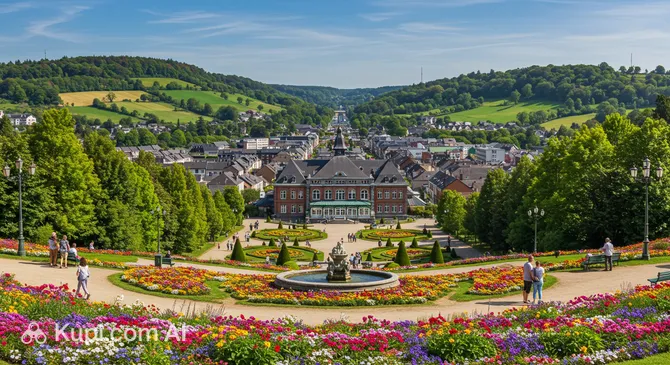
Spa. Illustration.
Source: Kupi.com AI

The main highlight of the town is, of course, its world-famous thermal springs. It is thanks to them that Spa gained its fame, and the word "spa" itself became a generic term symbolizing health and relaxation. In addition to the healing waters, the town attracts tourists with the opportunity to visit the legendary Spa-Francorchamps racing circuit, home to Formula 1 Grand Prix, as well as various cultural events, including theater festivals and walks through picturesque parks.

To visit Spa is to plunge into an atmosphere of tranquility, elegance, and European charm. This town offers a unique combination of wellness retreats, cultural experiences, and active leisure, leaving every visitor with the warmest memories.

You can find more interesting facts on the history of Spa page.
Weather Overview

The weather in Spa is characterized by a temperate maritime climate. Summers here are usually warm, with average temperatures in July and August around 17-18°C, while maximum values can reach 21-22°C. Winters are cool, with the average temperature in January being around 2.4°C, and staying around 3-4°C in December and February. Precipitation is distributed fairly evenly throughout the year, with the highest number of rainy days in winter (up to 20 days in December) and slightly fewer in summer (13-16 days).

In general, expect a moderately warm summer with occasional rain and cool, fairly damp winters. Spring and autumn are transitional seasons with gradual temperature changes. To get a more detailed idea of the monthly weather conditions, you can read the detailed information about the climate of Spa.

Average monthly temperature

Average monthly precipitation

Interesting Facts

Beyond its famous thermal springs, the town of Spa holds many amazing stories and little-known details that make it truly unique. Here are just a few curious facts about this charming Belgian resort:

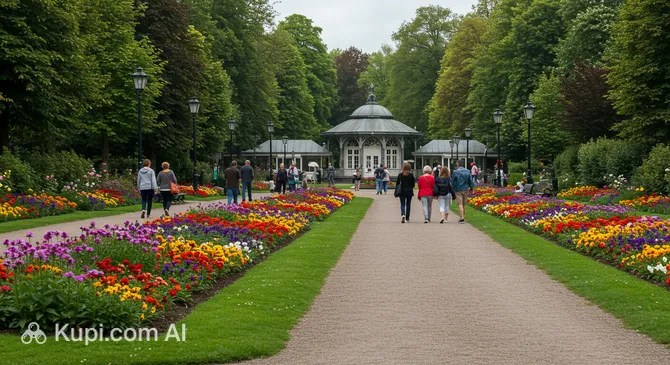
Parc de Sept Heures. Illustration.
Source: Kupi.com AI

Traveler photos:

  • Origin of the word "spa": Few people know that the name of this Belgian town became the generic term for all water resorts in the world. Yes, the word "spa" in the sense of a health center with mineral waters originated from the name of the town of Spa.

  • The first beauty pageant: In 1888, Spa hosted the first international beauty pageant in history. This event marked the beginning of the tradition of holding such events across Europe and the world.

  • "The Salon of Europe": In the 18th century, Spa turned into a true "Salon of Europe." Monarchs, aristocrats, writers, and artists from all over the continent flocked here, including famous figures such as Peter the Great, Victor Hugo, and Alexandre Dumas. Many of them surely strolled through the picturesque Parc des Sept Heures, which remains one of the town's highlights today.

  • Legendary racing circuit: Spa is not just about the water! The town is also home to the famous Spa-Francorchamps racing circuit. Every year, it hosts the Belgian Formula 1 Grand Prix, and the track itself is recognized as one of the most scenic and challenging in the world, attracting motorsport enthusiasts from all corners of the globe.

How to Get There

When planning a trip to this famous resort town, it is worth thinking about your route in advance. Spa is located in a picturesque area, and although the town itself does not have its own airport or major international railway hub, getting here is quite easy thanks to the well-developed transport network of neighboring cities. You can find out more about how to get to Spa by exploring all available options, and below we will look at the main transport hubs most often used by tourists.

The closest airport to the resort is Liège Airport (LGG). While there is no airport in the town of Spa itself, you can fly into this regional hub, which is located just 33.8 km from the town. It is a small airport, which ensures quick passage through formalities. The journey from here by taxi or transfer will take approximately 30–40 minutes.

For travelers who prefer a wider choice of flights, Brussels South Charleroi Airport (CRL) is an excellent option. This is a major international airport popular with low-cost carriers. It is located in the Charleroi area, about 100 km from Spa. Traveling by car from this airport to the resort via highways will take about 1 hour and 15 minutes.

An alternative option is Cologne Bonn Airport (CGN). It is located in Germany, in the city of Cologne, at a distance of about 99 km from Spa. This is a large transport hub with a high passenger flow. Travel time by taxi or rental car will be approximately 1 hour and 15 minutes.

For clarity, here is summary information on the main airports:

AirportPassenger trafficDistance
Liege Airport161 93634 km
Maastricht Aachen Airport230 93247 km
Cologne Bonn Airport10 mln99 km
Luxembourg Airport5.1 mln99 km
Charleroi Brussels South Airport10.5 mln100 km

Rail travel is also a popular way to reach the region. It is worth noting that for long-distance international trips, it is more convenient to use major stations in neighboring cities, from where you can transfer to local transport or a taxi.

The key railway hub for a trip to Spa is Liège-Guillemins station. There is no station of this scale in the resort town itself, but you can arrive at this station in Liège, which is located about 25.7 km from Spa. It is an important transport hub served by high-speed trains. From here, you can reach the resort by car in about 30 minutes or transfer to a regional train.

If you are traveling from the direction of Germany, Aachen Central Station (Aachen Hbf) can be a convenient arrival point. It is located in the city of Aachen, 34.7 km from Spa. Travel time by car from the station to the center of Spa will be about 40–50 minutes.

Below is a table with the nearest major railway stations:

StationPassenger trafficDistance
Liège-Guillemins Station5.5 mln26 km
Aachen Hauptbahnhof3.6 mln35 km
Maastricht Railway Station41 km
Bonn Hauptbahnhof24.5 mln91 km
Cologne Central Station113.2 mln92 km

Main Attractions

Spa, a city with a rich history and a world-renowned name, offers its guests many interesting places to visit. While it is primarily famous for its healing springs, there is much more to see beyond the waters.

One of the town's main green jewels is the Parc des Sept Heures (Park of the Seven Hours). This historic park, established in the 18th century, is a wonderful place for leisurely walks and relaxation. Visitors can enjoy well-maintained paths, ancient trees, fountains, and the beautiful covered Leopold II gallery. The park frequently hosts various events and exhibitions.

Parc de Sept Heures. Illustration.
Source: Kupi.com AI

Traveler photos:

Of course, it is impossible to talk about Spa without mentioning its famous Thermes de Spa. It was because of these springs that the town gained worldwide recognition. The modern thermal complex offers a wide range of wellness and relaxation treatments based on unique mineral water. A visit to the baths is a great opportunity to restore your energy and enjoy the peace.

Another iconic landmark is the Casino de Spa, which is considered one of the oldest, if not the oldest, casinos in the world. Founded in 1763, it still attracts visitors today with its historic atmosphere and elegant interiors. In addition to the gaming halls, cultural events are frequently held here.

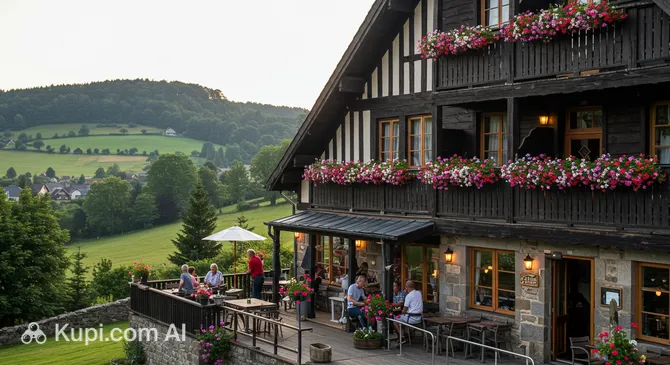
For those looking for a pleasant dining experience in a special setting, the restaurant Chalet Suisse is worth visiting. This establishment attracts guests with its cozy atmosphere, styled after a traditional Alpine cabin, and offers European cuisine. It is a popular spot for both tourists and locals alike.

The Swiss Chalet. Illustration.
Source: Kupi.com AI

Traveler photos:

Local Cuisine

The gastronomy of Spa is a wonderful combination of authentic flavors from the Ardennes region and the refined traditions of Belgian cuisine. Here, every gourmet will find dishes to their liking, from hearty rustic recipes to elegant restaurant masterpieces reflecting the rich culinary heritage of Belgium.

Be sure to try game dishes, which are especially popular in the fall. Venison, wild boar, or pheasant roasts, generously seasoned with wild berries and mushrooms, are true delicacies. Equally famous are Ardennes sausages and pâtés, which pair perfectly with fresh bread. And, of course, you cannot imagine Belgium without the famous Belgian waffles—fluffy, aromatic, and with various toppings—as well as the exquisite handmade chocolate for which the whole country is famous.

Among the beverages, the famous Spa mineral water holds a special place; known for its healing properties, it is served in all establishments as a symbol of the town. Beer lovers will appreciate the variety of local Belgian brews, which are an integral part of the gastronomic culture. You can also find freshly squeezed juices and other traditional non-alcoholic drinks at local markets.

The dining culture in Spa is quite diverse. You will find many cozy cafes and restaurants offering both fine dining and simpler but equally delicious options. For example, at the Chalet Suisse restaurant, you can enjoy traditional dishes in a pleasant atmosphere. On weekends, farmers' markets come to life in the town center, where you can buy the freshest local products: cheeses, honey, sausages, and aromatic pastries. Don't miss the chance to try street food as well, such as crispy Belgian fries with signature sauces or fresh meat buns.

Spa's gastronomic scene attracts tourists with its authenticity and high-quality products. The city is especially famous for its exquisite game dishes, reflecting the richness of the Ardennes forests, and, of course, the magnificent Belgian waffles that have become a hallmark of the region. In summer and autumn, food festivals, wine tastings, and culinary workshops are often held here, allowing you to dive deeper into the world of Ardennes flavors. A visit to Spa is not only an opportunity to improve your health but also to embark on a true gastronomic adventure.

Travel Tips

Planning a trip to the charming town of Spa, famous for its healing springs and rich history? To ensure your trip goes smoothly and leaves only pleasant impressions, we have prepared some practical tips.

  1. Clothing and Essentials: Spa has a temperate maritime climate. In summer, expect warm weather, but evening chill is not uncommon, so bring a light jacket. In winter, warm clothing, including a hat, gloves, and a scarf, will be required. A key point is comfortable shoes for walking around the town and its picturesque surroundings. Don't forget a raincoat or umbrella, as the weather in the Ardennes can be changeable. If you plan to visit the thermal complexes, be sure to bring swimwear. For electronics, you will need a type E adapter, standard for Belgium.
  2. Transport in the Town: Spa is a small town, and many of its attractions are within walking distance. Public transport is represented by TEC network buses, which connect the town with the surrounding area. Taxis are available, but there may not be as many as in large cities. Car rental can be useful if you plan to explore the Ardennes region, but for getting around Spa itself, it is not essential; plus, parking in the center may be limited.
  3. Financial Matters: The official currency in Belgium is the Euro (EUR). You can exchange currency at banks, but it is often more profitable to withdraw cash from ATMs, which are quite common. Credit and debit cards (Visa, Mastercard) are accepted in most hotels, restaurants, and shops. Regarding an approximate daily budget, it can vary: an economy option (staying in a hostel, self-catering or inexpensive cafes) can be around 50-70 euros; a medium budget (3* hotel, dining in mid-range restaurants, visiting some attractions) – 100-150 euros; for a more comfortable holiday with visits to spa complexes and dinners at good restaurants, you should count on 200 euros per day and up. Regarding tipping, a service charge is usually included in restaurant bills. However, if you are particularly pleased with the service, you can leave an additional 5-10% of the total.
  4. Health and Safety: Pharmacies (Pharmacie) are easy to find by the green cross; information on duty pharmacies is usually posted on the doors. If medical assistance is needed for tourists, you can contact local clinics or hospitals; for emergencies, call 112. Spa is considered a very safe town. Standard precautions, such as watching your belongings in crowded places, will help avoid trouble. Tap water is safe to drink.
  5. Language and Communication: The main language of communication in Spa is French, as the town is located in Wallonia, the French-speaking region of Belgium. In tourist areas, hotels, and restaurants, staff often speak English. Knowing a few basic phrases in French, such as "Bonjour" (Hello), "Merci" (Thank you), and "S'il vous plaît" (Please), will be very useful and appreciated by the locals. Wi-Fi is widely available in hotels, cafes, and some public areas. A local SIM card can be purchased in mobile phone stores. For navigation and planning public transport routes, the TEC app—the official carrier of Wallonia—can be useful. For booking treatments at thermal complexes like Thermes de Spa, it is best to use their official websites. Otherwise, standard navigation apps (e.g., Google Maps, Apple Maps) and travel services will be quite sufficient for a comfortable stay.
  6. Local Etiquette: When entering shops or small cafes, it is customary to say hello ("Bonjour" in the day, "Bonsoir" in the evening). When meeting someone, handshakes are common. Belgians value punctuality. Try not to make noise in public places. Locals may seem reserved, but they are generally friendly and ready to help.
  7. What to Avoid: Try not to initiate discussions on complex internal political or linguistic issues in Belgium, unless a local resident starts the topic themselves. Also, do not take the weather in the Ardennes lightly, especially if you are heading outdoors—it can change quickly.
  8. Immerse Yourself in the Resort Atmosphere: Spa rightfully bears its name and is famous for its thermal waters. Be sure to plan a visit to one of the thermal complexes, such as Thermes de Spa, to fully experience their healing power and relaxing effect. This is the town's hallmark!

We hope these tips help you better prepare for your trip and get the most enjoyment out of your stay in Spa. We wish you an unforgettable journey to this corner of tranquility and health!

Entertainment & Nightlife

Despite its reputation as a quiet resort town, Spa offers its guests several options for evening and night leisure. While you won't find bustling districts with dozens of night clubs like in a metropolis, the cozy and elegant atmosphere of local venues allows for a pleasant evening out.

Most evening life is concentrated in the town center, especially around the famous Casino de Spa, one of the oldest in the world. Here and in the adjacent streets, you can find most of the bars and restaurants that stay open late. The atmosphere in Spa in the evening is quite calm and respectable. The crowd is mixed—ranging from tourists looking to relax after wellness treatments to locals out for dinner or a glass of wine. Most establishments operate until midnight or slightly later, especially on weekends. Regarding dress code, most bars are casual, but a more elegant outfit may be required for the casino or some high-end restaurants.

For a fine dinner, consider the Chalet Suisse restaurant, which offers a cozy setting and European dishes. In addition to restaurants, there are several bars in the city center where you can enjoy drinks in a more informal setting. Many hotels also have their own lounge bars open to all visitors.

The Swiss Chalet. Illustration.
Source: Kupi.com AI

Traveler photos:

The best time for evening walks and visiting venues is after 8:00 PM. Regarding prices, a glass of local beer or wine in a bar usually costs around 5-8 euros, while cocktails can cost 10-15 euros. Dinner in a mid-range restaurant for one person, excluding drinks, can range from 30 to 60 euros. Spa is quite compact, so many interesting places are easily reachable on foot. If you are staying on the outskirts or plan to visit the casino late at night, you can use taxi services. It is recommended to book a taxi in advance, especially late at night, through your hotel reception or local services.

In terms of safety, Spa is considered a very quiet and safe town. The central streets are well-lit, and evening walks here are pleasant and secure. Nevertheless, standard precautions should always be taken. You can call a taxi by phone or ask the staff at the venue where you are to do it for you.

During the day, Spa offers plenty of other activities. The main attraction, of course, is the thermal complexes. Additionally, you can visit interesting museums, such as the Museum of the City of Waters (Musée de la Ville d'eaux), or stroll through picturesque parks like the Parc des Sept Heures, where it is pleasant to spend time in the fresh air. Theaters and concert venues also periodically offer cultural programs, which are worth checking in advance to diversify your holiday.

Parc de Sept Heures. Illustration.
Source: Kupi.com AI

Traveler photos:

Parks & Museums

The town of Spa, famous for its healing springs, offers guests not only wellness treatments but also wonderful opportunities for outdoor relaxation and exploring a rich cultural heritage. Well-maintained parks where you can enjoy peace and quiet are harmoniously combined with interesting museums that tell its unique story.

One of the city's most famous green corners is the Parc des Sept Heures (Park of the Seven Hours). This historic park, laid out in the 18th century, is perfect for leisurely walks. Here you can admire the old Leopold II gallery, the bandstand, and enjoy the atmosphere of an old-world resort. Another wonderful place for nature lovers is Domaine de Bérinzenne, located slightly away from the center. This nature reserve offers hiking trails through the forests and bogs of the High Fens region, as well as the "P. Noé" Museum of the Forest and Water, where you can learn more about local flora and fauna. Not far from the town lies the picturesque Lake Warfaaz (Lac de Warfaaz), a popular spot for boat trips and outdoor recreation.

Parc de Sept Heures. Illustration.
Source: Kupi.com AI

Traveler photos:

To gain a deeper understanding of the history of Spa as a world-famous resort, it is worth visiting the Museum of the City of Waters (Musée de la Ville d'Eaux). Housed in the former Royal Villa of Queen Marie-Henriette, the museum's exhibition tells the story of the development of hydrotherapy, famous visitors, and the town's golden age. For those interested in more unusual aspects of history, the Museum of the Laundry (Musée de la Lessive) will be interesting, presenting a unique collection related to washing and household life in past eras. It is also worth mentioning the Spa-Francorchamps Circuit Museum (Musée du Circuit de Spa-Francorchamps), located in the cellars of Stavelot Abbey near the town. This museum is a must-visit for all motorsport fans, as the Spa-Francorchamps track is one of the most legendary in the world of Formula 1.

While walking around Spa, look out for the Pouhon Pierre-le-Grand—the town's most famous spring, named after the Russian Tsar Peter the Great, who visited the resort in 1717. The spring building, decorated with a monumental fresco, is an architectural monument in itself and contains the town's "Golden Book." For authentic experiences, explore the numerous hiking trails (GR routes) in the surrounding Ardennes forests, which offer magnificent views and allow you to enjoy the silence far from tourist paths. Also, stop by small local art galleries where you can find works by Belgian masters and craftsmen.

Getting Around

Spa is a charming resort town that is easy to get around on foot, especially in its central part. However, for travel over longer distances or to certain attractions, you can use public transport and alternative options.

The main form of public transport in Spa and its surroundings is buses. The route network is operated by TEC (Transport En Commun) and connects the town with nearby settlements, as well as providing transport within the town itself. Schedules and routes can be checked on the official TEC website or at bus stops.

To pay for travel on TEC buses, tickets are used, which can be purchased directly from the driver (usually slightly more expensive) or at points of sale (in a small town, these might be newsstands or post offices). There are various types of tickets: single, multi-trip, and day passes. It is best to check the exact cost on-site as it may change. It is important to remember to validate your ticket when entering the bus.

One of the unique features of Spa's transport system is the funicular (Ascenseur de Spa-Thermes). It connects the town center with the "Thermes de Spa" thermal complex located on a hill. It is not only convenient but also a scenic way to reach the famous springs.

In addition to public transport, other ways to get around Spa are available:

  • Taxi: There are taxi services in the town that can be called by phone or found at designated taxi ranks. This is a convenient, though more expensive, option, especially for night trips or with luggage.
  • Bicycle Rental: Given the picturesque surroundings, renting a bike can be an excellent choice for active recreation and exploring the region. Rental points can be found in tourist areas.
  • Walking: The center of Spa is compact, and many sights, shops, and restaurants are within walking distance.

When planning your movements around Spa, it is recommended to check the bus schedules in advance, especially if you plan to travel on weekends or holidays when the frequency of service may be reduced. For short distances in the town center, walking is often the most pleasant and fastest way to get around.

Accommodation

In the town of Spa, known for its healing springs, travelers will find various accommodation options for every taste and budget. There are luxury hotels with a full range of spa services, as well as more affordable hotels, cozy guest houses (B&Bs), and apartments for those who prefer independence.

The most popular among tourists are hotels and apartments located in the city center. This allows you to be within walking distance of the main attractions, thermal complexes, the casino, and picturesque parks such as the famous Parc des Sept Heures. Staying in this area also provides easy access to restaurants and shops.

While specific famous hotels were not listed in the available data, Spa offers a wide selection of accommodations in various categories—from elegant historic buildings to modern complexes. Many of them specialize in wellness treatments. In addition to hotels, you can consider renting apartments or rooms in the private sector, which can be particularly convenient for families or long stays.

When planning a trip to Spa, especially during peak season or during major events, it is recommended to book accommodation in advance. Prices vary from budget options to luxury offers. Most accommodation options can be found and booked through popular online platforms, as well as directly on hotel websites or by contacting them by phone.

Nearby Cities

For those who wish to explore the surroundings, Spa serves as an excellent starting point for day trips to several interesting nearby locations:

CityPopulationDistance
Theux12 0255 km
Jalhay8 59010 km
Pepinster9 76510 km
Verviers55 19811 km
Dison15 40513 km

These nearby destinations offer insight into the diverse culture and landscapes of the region. Each trip promises new discoveries, whether it be historic centers, scenic landscapes, or local culinary delights.

Shopping & Souvenirs

While Spa is not a major shopping center like Brussels or Antwerp, browsing its shops can be a pleasant addition to your vacation. The town offers a cozy shopping atmosphere where you can find unique souvenirs, local delicacies, and goods related to its famous mineral springs.

The main shopping spots are concentrated in the city center. Stroll through streets such as Place Royale, Rue Royale, and Rue du Marché. Here you will find small boutiques, souvenir shops, stores selling local products, and confectioneries. The atmosphere here is perfect for a leisurely choice of gifts and delicacies.

There are no large shopping malls in the traditional sense in Spa. Shopping here is more focused on individual stores and boutiques, which gives it a special charm and allows you to find something truly unique rather than mass-produced items.

Parc de Sept Heures. Illustration.
Source: Kupi.com AI

Traveler photos:

If you want to experience the local flavor, check out the weekly market. It usually takes place on Sunday mornings at Place Royale. Here you can buy fresh produce, local cheeses, sausages, as well as flowers, clothing, and souvenirs. It's a great place to observe the life of the locals and find authentic goods. Not far from here is the Parc des Sept Heures, where you can relax after a walk through the market.

As souvenirs from Spa, it is worth bringing back products related to its water sources: natural soap or cosmetics based on thermal water. Of course, don't forget the famous Belgian chocolate and beer—they can be found in specialized stores. Items by local craftsmen and souvenirs depicting the town's sights are also popular.

Most shops in Spa are open from approximately 10:00 AM to 6:00 PM from Monday to Saturday. Some small shops may close for a lunch break. On Sundays, many shops are closed, except for some souvenir stores and those operating during the tourist season or market days. Cash (euros) and bank cards (Visa, Mastercard, Maestro) are accepted. It is recommended to check the payment methods in each specific store.

For tourists from countries outside the European Union, there is a possibility of a VAT refund (Tax Free) for purchases over a certain amount in stores participating in this system. Look for the corresponding signs in the windows or ask the staff. You will need to fill out a special form and present it along with the receipts and the goods at customs when leaving the EU.

Reached the end of the page?

That means the route is fully explored