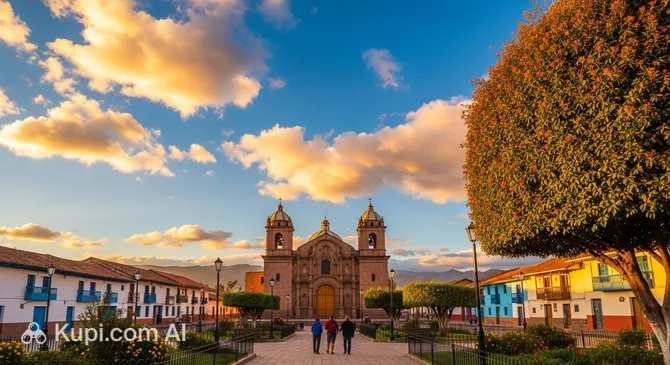
Warnes is a dynamically developing center in the Santa Cruz Department, located in the east of sunny Bolivia. Named after Colonel Ignacio Warnes, a prominent hero of the South American War of Independence, the city today harmoniously combines features of an industrial hub and a cozy residential suburb. Although not a typical tourist destination, Warnes attracts travelers with its urban realism and the sincere hospitality of the local people.
Warnes. Illustration.
Source: Kupi.com AI
The city's geographical position makes it an important transit point for the region. With a population estimated at reaching 214,000 people, Warnes holds the prestigious third place in terms of population in its department. There is no metropolitan pretension here; instead, one can feel the true rhythm of working Bolivia. While exploring the history and heritage of this place, you will notice the unique influence of Japanese migrants from neighboring colonies, which adds unexpected traits to the local flavor.
The city is ideal for those who want to see the "non-touristy" side of the country, get acquainted with the daily life of modern Bolivians, and enjoy an atmosphere of authenticity. We invite you to take a look at Warnes to feel the spirit of freedom and labor that fills its streets and squares.
Weather Overview
Warnes greets guests with a typical tropical climate, characterized by high humidity and a predominance of hot days. The hottest period lasts from September to March, when the thermometer often rises above 30 °C. January is considered the hottest month, bringing not only heat but also heavy refreshing rains.
If you are planning a trip, it is worth considering that the city's climate is clearly divided into wet and dry seasons. Expect truly hot summers with periodic downpours that usually quickly give way to sun. Winters here are drier and milder, with temperatures around 21-23 °C, making this time of year the most comfortable for long walks and exploring the surroundings.
During the dry period, especially in July and August, there is very little rainfall and the sky remains clear. However, it is worth remembering that due to the flat terrain and industrial activity, there may be more dust in the air at this time. It is recommended to always have a supply of drinking water and sunscreen with you so that the heat does not interfere with your plans to explore this interesting region.
Average monthly temperature
Average monthly precipitation
Interesting Facts
Warnes is a city with a surprising character and hidden features that make it unique on the map of Bolivia.
The city proudly bears the name of Colonel Ignacio Warnes, a national hero who fought for the region's independence in the early 19-th century.
The local football club Sport Boys Warnes created a real sensation by becoming the champions of Bolivia in 2015 (Apertura tournament), forever etching the city into the country's sporting history.
One of the most famous Japanese communities in South America, the Okinawa colony, is located in the immediate vicinity of the city, where the traditions and language of the Land of the Rising Sun are still preserved.
Warnes is the 14th most populous city in Bolivia, serving as an important economic engine for the Santa Cruz Department.
Despite its industrial status, unique historical museums dedicated to the region's migration and agriculture can be found on the outskirts of the city.
How to Get There
Warnes enjoys good transport accessibility due to its proximity to one of the country's main logistics hubs. The main routes connecting the city with the rest of the world pass through the neighboring metropolis of Santa Cruz de la Sierra. More detailed information on how to get there to this region can be found in specialized travel guides.
The nearest and most convenient air hub is Viru Viru International Airport (VVI). It is located about an hour's drive from the center of Warnes. From the airport, it is most convenient to reach the city by taxi or by booking a transfer, which is especially recommended for tourists with heavy luggage. The airport handles both domestic and international flights, providing reliable connections with the largest cities in Latin America.
Ground transportation is mainly represented by buses and minibuses (known as "micros"). The trip from Santa Cruz takes 45 to 60 minutes, though potential traffic on regional highways during peak hours should be considered. Roads in this part of the country are paved and in good condition, making the journey comfortable. There is currently no direct railway service to the city itself.
Station
Passenger traffic
Distance
Santa Cruz station
3
31 km
1
281 km
Main Attractions
Although Warnes is primarily considered an industrial and residential center, there are places here that will interest the curious traveler. The heart of city life and the pride of local residents is the Samuel Vaca Stadium. This is the home arena of the famous Sport Boys Warnes football club, and attending a match here will allow you to immerse yourself in the passionate Latin American atmosphere of a football festival.
A walk through the city's central squares provides an opportunity to observe the daily way of life of Bolivians. These squares serve as the main gathering points where life bustles in the evenings and street vendors offer local delicacies. The lack of major monuments is compensated for by the sincerity and simplicity of the urban landscape, reflecting the true face of the modern Santa Cruz region.
For those ready to venture beyond the city limits, the nearby Okinawa I colony will be a real discovery. This is a unique Japanese settlement featuring a historical museum. It houses rare photographs and documents telling the story of the difficult fate and daily life of Japanese immigrants who found a second home in these lands. Such cultural diversity makes a visit to Warnes a truly unusual experience.
Local Cuisine
The culinary face of Warnes is an appetizing mix of Eastern Bolivian traditions and unexpected Asian accents. The basis of the local menu consists of hearty dishes made from meat, rice, and corn. Be sure to try salteñado—flavorful roasted meat served with golden rice—as well as pasancalla, a local corn snack popular with residents of all ages.
A unique feature of the city's gastronomic scene is the influence of the Japanese diaspora. In local establishments, especially those closer to the Okinawan settlements, you can find authentic sushi, onigiri, and various rice dishes prepared according to traditional immigrant recipes. This combination of Latin American temperament and Eastern restraint makes dining in Warnes truly memorable.
As for drinks, on a hot day, there is nothing better than a cool chicha—a traditional low-alcohol drink made from corn. The city is also famous for its aromatic coffee and freshly squeezed juices from exotic tropical fruits. It is best to dine in small family restaurants or at local markets, where the food is always fresh and the portions are truly generous. Simple and honest cuisine that provides strength for a long day is highly valued here.
Travel Tips
A trip to Warnes will be a pleasant and safe adventure if you follow our practical tips for travelers.
Clothing and Essentials: Choose light clothing made from natural fabrics, as tropical heat prevails in the region. Be sure to bring sunglasses, a hat, and insect repellent. For visiting official institutions or religious sites, it is better to have something more conservative.
Transport: Within the city, taxis are the most reliable option. If you decide to use minibuses, confirm the route with the driver in advance, as there may not be clear stop schemes.
Finance: The main currency is the Boliviano. Cards are accepted very rarely, so always carry cash with you. Currency exchange is best done in banks in neighboring Santa Cruz or at official exchange offices.
Health and Safety: Drink only bottled water. In the evening, try to stick to central, well-lit streets and avoid walking alone on the outskirts of industrial zones.
Communication: The main language is Spanish. English is not widely spoken, so learn a few basic phrases: "Hola" (hello), "Gracias" (thank you), and "¿Cuánto cuesta?" (how much does it cost?).
Local Etiquette: Bolivians are friendly people. It is customary to say hello when entering a shop or cafe. Polite and calm communication will help you find a common language with locals more quickly.
What to Avoid: Do not keep expensive jewelry and technology in plain sight. Also, try not to photograph people without their prior consent, especially in rural areas or at markets.
Additional Tip: Try to catch a football match at the Samuel Vaca Stadium—it is the best way to feel the true spirit of Warnes.
Observing these simple rules will make your visit comfortable and your impressions of Bolivian hospitality exceptionally positive.
Entertainment & Nightlife
Nightlife in Warnes is quiet and local in character, reflecting the city's working rhythm. You won't find noisy mega-clubs or huge concert halls here, but the city offers a cozy atmosphere in local bars and cafes where residents gather after a day's work. The main center for evening leisure is the area around the central square, where you can find venues with live music on weekends.
The main entertainment event for the entire city remains football matches at the Samuel Vaca Stadium. The energy of the fans and the excitement of the game replace classic discos here. If you are looking for larger-scale entertainment, casinos, or trendy nightclubs, locals usually head to neighboring Santa Cruz de la Sierra, which is only an hour's drive away.
Daytime leisure in the city is focused on family relaxation and sports. Walking through the local markets, where bustle and activity reign, or visiting small park areas allows you to feel the rhythm of provincial Bolivia. For safety and comfort when moving around in the evening, it is recommended to use official taxi services, as public transport runs much less frequently after 8:00 PM.
Parks & Museums
Natural areas in Warnes reflect the functional character of the city, offering residents and guests small but cozy green spaces for relaxation. Central squares and landscaped residential areas create necessary oases of coolness in the tropical climate. Although there are few large-scale park complexes here, local authorities pay attention to maintaining order in existing recreational zones.
The cultural life of the city is closely linked to its history and international connections. There are almost no museums in the city itself, but the true treasure of the region is the historical museum in the Okinawa I colony. This museum is dedicated to the history of Japanese settlers and houses unique collections of documents, photographs, and household items that clearly illustrate the process of adaptation of Eastern culture on Bolivian soil. Visiting this place will be interesting for everyone fond of migration history.
For larger-scale walks in parks and visits to art galleries, travelers often head to neighboring districts where natural landscapes are more diverse. Nevertheless, Warnes remains an important place where you can see how industrial development coexists with the preservation of the historical memory of small communities. It is a city for those who value the meaningful depth of places more than outward pomp.
Getting Around
The transport system of Warnes is simple and efficient, fully meeting the city's needs. The main type of public transport is minibuses (locals call them "micros"). They run along main routes, connecting residential areas with the center and industrial zones. Fares are paid in cash to the driver, and this is the most budget-friendly way to get around.
For more comfortable and faster trips, tourists and residents often use taxis. In Warnes, taxi services are inexpensive, and a car is easy to catch right on the street or call through a local dispatch service. Moto-taxis are also popular—a fast, though less protected option for moving short distances, which is especially relevant in conditions of heavy urban traffic.
When planning your movements, it is worth considering that public transport operates less regularly after 8:00 PM. During peak hours—morning and evening—delays due to traffic jams are possible on the main highways. For independent trips around the region, you can consider renting a car at the airport, but within the city, it is more convenient to rely on taxis, as parking zones may be limited. Roads in the city center are smooth, but in residential areas, you should be careful when walking due to the specific nature of the sidewalks.
Accommodation
The choice of accommodation in Warnes is primarily oriented toward business travelers and those looking for budget options for a short stay. Small guesthouses and 2-3 star economy hotels predominate here, located mainly in the central part of the city. Prices for accommodation are significantly lower than in major tourist centers, making the city attractive for budget-conscious tourists.
For those planning to stay in the region for a longer period, apartment rentals are available. This is especially relevant for specialists working in the city's industrial zones. Such offers often include a basic set of amenities and are located in quiet residential neighborhoods. Keep in mind that the service in local hotels may be simpler than in international chains.
If you are accustomed to a high level of comfort, luxury hotels with swimming pools, and a wide range of services, we recommend considering accommodation options in neighboring Santa Cruz de la Sierra. Due to the proximity of the cities, you can easily visit Warnes during the day and return to more comfortable conditions for the night. During peak seasons and football match periods, it is better to book accommodation in advance through popular online services.
Nearby Cities
Warnes is an excellent starting point for exploring the eastern lowlands of Bolivia, offering travelers access to the region's interesting cultural and economic centers. The city's surroundings are rich in authentic settlements, each with its own unique character.
Just 32 kilometers away is the country's largest metropolis—Santa Cruz de la Sierra. It is a bustling, modern city with developed infrastructure, parks, and museums. If you are looking for a calmer atmosphere, head to Montero, located 24 kilometers to the north and known for its agricultural importance. Portachuelo is also of interest for a day trip, where you can get acquainted with the traditional way of life in the region.
Exploring nearby cities will allow you to gain a deeper understanding of the diversity of Bolivian culture—from the rapid rhythm of large cities to the peaceful life of provincial communities. We recommend not limiting yourself only to the center and boldly setting out on the roads of the Santa Cruz Department.
Shopping & Souvenirs
Shopping in Warnes is primarily about immersing yourself in the atmosphere of local markets. There are no giant shopping malls with global brands here, but fresh tropical fruits, local products, and everyday goods are presented in abundance. The main trading activities are concentrated along the main streets and at the central market, where life begins to bustle early in the morning.
If you are looking for unusual souvenirs, pay attention to the products of local craftsmen and, of course, the football merchandise of the Sport Boys Warnes club. A local club jersey makes a great gift for sports fans. You can also purchase high-quality textile products characteristic of the eastern region of Bolivia and authentic products such as local coffee or corn sweets.
Shops in the city usually operate with a siesta break during the hottest hours, and payment is most often made in cash in Bolivianos. Cards are only accepted in some large pharmacies or at gas stations, so it is always worth having a supply of banknotes. For larger purchases and branded items, locals usually head to the shopping centers of Santa Cruz de la Sierra.