Support

Aracati

About

Aracati is a picturesque city nestled on the northeastern coast of the state of Ceará, where the waters of the Jaguaribe River meet the Atlantic Ocean. Located in such a colorful and sunny country as Brazil, this city attracts travelers with its genuine provincial charm and authentic atmosphere, where the natural beauty of the tropics and rich cultural traditions harmoniously intertwine.

Geographically, the city occupies a favorable position on the coastal plains, surrounded by colorful dunes and white sand beaches. The climate here is tropical, with an abundance of sunny days, while the hot weather is pleasantly softened by a constant sea breeze. With a population of about 72,727 people, Aracati remains compact and cozy enough for walking, yet serves as an important and lively regional center where everyone can find something to enjoy.

The city's architectural appearance deserves special attention, seemingly transporting travelers back in time. Old mansions with bright facades and majestic churches recall the times when the city was a thriving port. The fascinating Aracati's history is captured in every stone of its historical center, recognized as a national heritage site, where house facades are still decorated with traditional Portuguese tiles.
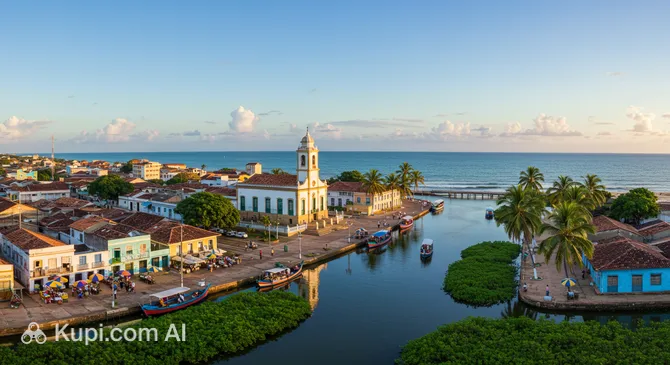
Aracati. Illustration.
Source: Kupi.com AI

The main draw for tourists is the unique combination of historical heritage and magnificent nature. The city is famous not only for its colonial architecture but also for its proximity to famous beaches with red cliffs and dunes, which create a fantastic contrast with the azure waters of the ocean. Here, you can enjoy a secluded getaway on the shore or immerse yourself in local life, full of music and hospitality.

Aracati is worth visiting to experience true Brazilian joy of life away from the hustle and bustle of megacities. It is an ideal destination for those seeking harmony between a relaxed beach holiday and informative strolls through ancient streets.
Weather Overview

Weather:

The climate in Aracati is typical for the tropical coast of Brazil: perpetual summer reigns here with high temperatures and plenty of sun. Travelers should expect consistently hot weather year-round, which is clearly divided into wet and dry seasons.

The temperature regime in the city remains very stable throughout the year. Average figures hover around 27–29°C. During the day, the air usually warms up to 30–33°C, while nights remain warm and comfortable with temperatures around 23–25°C. The hottest days most often fall in the second half of the year, when the daytime heat is softened by a constant sea breeze.

Rainfall patterns depend heavily on the month. From January to May, the rainy season lasts: the peak is in March, when there can be up to 28 rainy days. Conversely, the period from August to November is exceptionally dry—during this time, the rains virtually stop (0–2 wet days per month), creating ideal conditions for beach holidays and sports. To find out what to expect from the skies on specific dates, consult the detailed weather in Aracati.

Average monthly temperature

Average monthly precipitation

Interesting Facts

Beyond the obvious beauty of its beaches and colonial architecture, Aracati holds many fascinating secrets and stories that reveal themselves only to inquisitive travelers. This city is a true treasury of cultural heritage and amazing traditions.

  • Birthplace of a literary genius. José de Alencar, one of Brazil's most significant 19th-century writers and the "patriarch of Brazilian literature," was born here. His works played a key role in forming the national identity. In the city, the main street and the historic theater—a source of pride for local residents—bear the writer's name.

  • Legend of the colorful facades. There is an interesting urban legend stating that the tradition of decorating houses with bright tiles and painting facades in rich colors originated in Brazil right here in Aracati. It is believed that this style, which became the hallmark of the entire state of Ceará, originally appeared here as a way to protect buildings from the salty sea wind and only then spread across the region.

  • Capital of "white gold" and leather. In the 18th century, Aracati was one of the wealthiest cities in the region thanks to the thriving trade in jerked beef (charque) and leather. At that time, the city served as a vital port through which goods were sent to Europe and other parts of Brazil. The luxurious two-story mansions in the center that have survived to this day were built precisely on the profits from this trade.

  • Cinematic landscapes. The famous Canoa Quebrada beach, part of the municipality of Aracati, is known not only for its red dunes but also for its special atmosphere. In the 1960s and 70s, it was "discovered" by European hippies, who transformed the fishing village into an iconic place of freedom and creativity. Today, it is one of the world's capitals for kitesurfing and paragliding.

How to Get There

When planning a trip to this colorful Brazilian city, it's important to consider the logistics in advance. Although the city itself does not have a large international aviation hub, the region's well-developed transport network makes it easy to get here from neighboring megacities. You can find out more about how to get to Aracati on a special page, and below we will look at the main arrival options.

There is no airport in the city of Aracati itself that accepts long-haul mainline flights, so most tourists arrive in the region via neighboring large cities. The most convenient and closest option is Pinto Martins Airport (IATA: FOR), located in the city of Fortaleza. It is approximately 121 km from Aracati. This is a major international airport serving many flights. A trip from here by taxi or rental car usually takes about 2.5–3 hours depending on traffic.

Alternatively, you can consider Aluízio Alves International Airport (IATA: NAT), located in the city of Natal. It should be noted that it is significantly further away—at a distance of about 297 km from Aracati. Traveling from this airport by car or bus will be longer and take approximately 4.5–5 hours. Nevertheless, it is a modern airport with high passenger traffic, which may be convenient when planning complex itineraries through the northeast of the country.

For convenience, here is a summary of the main airports:

AirportPassenger trafficDistance
Dix-sept Rosado30 00084 km
Pinto Martins Airport5.6 mln121 km
Governador Aluízio Alves International Airport2.4 mln297 km

Since there is no rail link to Aracati, the main way to reach the city after arrival remains road transport. From Fortaleza, the scenic CE-040 highway leads to Aracati. Comfortable intercity buses regularly run between the cities, departing from the state capital's main bus station. Many tourists also prefer to rent a car directly at the airport to have freedom of movement and the opportunity to visit the region's famous beaches along the way.

Main Attractions

Aracati is a city that is an attraction in itself. Its history-steeped streets and proximity to unique natural landscapes make it one of the most interesting places in the state of Ceará. The city's main value is its architectural ensemble, recognized as a national heritage, but there are also modern points of interest that harmoniously complement the ancient atmosphere.

The heart of the city is the Historic Center, located along Rua Grande (Rua Coronel Alexanzito). A walk here is like a journey through time: majestic two-story mansions from the 18th and 19th centuries are decorated with the famous Portuguese azulejo tiles, giving the facades a unique character. These buildings are silent witnesses to an era when the city was a thriving port trading in jerked beef and leather. Tourists should take note of the Church of Nossa Senhora do Rosário, considered one of the most beautiful religious buildings in the region.

Although technically a separate village, it is impossible to talk about Aracati without mentioning Canoa Quebrada. This world-famous beach is located just a few kilometers from the city center. It is famous for its Martian landscapes: bright red cliffs contrasting with the turquoise ocean and white sand. People come here to see the famous symbol—a crescent and star carved into the cliff—as well as to go paragliding or take a buggy ride through the dunes.

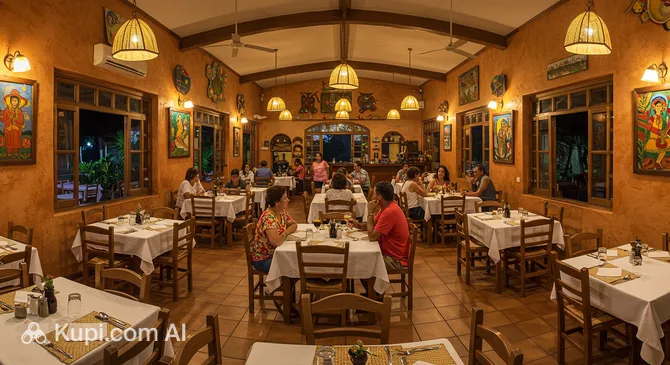
Among the gastronomic landmarks that have become part of the city's culture, Chaparral Restaurant stands out. This place is popular not only for its cuisine but also as a meeting point where you can feel the local hospitality. Tourists come here to try authentic regional dishes in a comfortable setting. The establishment is famous for its approach to preparing traditional Brazilian delicacies, making it an essential stop on a culinary tour of the city.

Chaparral Restaurant. Illustration.
Source: Kupi.com AI

Traveler photos:

For those who want to see the modern side of life in Aracati, O Bom Vizinho Shopping Mall is of interest. It is not just a place for shopping but a true center of social life for the residents. Various events are held here, and it is here that you can observe the daily rhythm of the city, take a break from the hot sun in air-conditioned halls, and buy goods that are difficult to find in the small shops of the historic center.

Also worth noting is Mestre Eudes Restaurant, which has earned a reputation as one of the best places to discover local flavors. Visiting such establishments allows tourists to better understand the culture of the state of Ceará through the prism of gastronomy, while enjoying the freshest seafood and the cozy atmosphere characteristic of the Brazilian province.

Local Cuisine

The gastronomic scene of Aracati is a bright and delicious journey through the traditions of Northeast Brazil. Thanks to its proximity to the ocean and the Jaguaribe River, the local menu is based on the freshest seafood. Tourists should definitely try the stewed crabs and various shrimp dishes prepared with special skill. The queen of the table is rightfully considered moqueca—a thick and aromatic fish stew with vegetables, spices, and coconut milk. Traditional manioc flour, without which a Brazilian lunch is hard to imagine, will be served with almost any hot dish.

For a quick snack while walking around the city, street food is ideal. Locals love pastel—crispy fried pastries with fillings of cheese, meat, or shrimp. On a hot afternoon, açaí is a true lifesaver. This is a chilled puree of açaí palm berries, usually served in a bowl with granola, honey, and banana slices. Exotic lovers will appreciate the abundance of tropical fruits at farmers' markets: sweet mangoes, papayas, passion fruits, and pineapples are always in surplus here.

Speaking of drinks, one cannot fail to mention the famous caipirinha. This cocktail based on cachaça (cane rum), lime, sugar, and ice is the country's hallmark and is served in almost every bar in Aracati, especially in waterfront establishments. For those who prefer non-alcoholic drinks, there is a huge choice of freshly squeezed juices (sucos naturais) from local fruits—from cashew to acerola.

The eating culture in the city is democratic and conducive to leisurely relaxation. You can find everything from simple street stalls to cozy establishments for a family dinner. To get to know the authentic flavors of the region in a comfortable setting, it's worth visiting Chaparral Restaurant or the popular Mestre Eudes Restaurant. These places honor the culinary traditions of the state of Ceará, and the atmosphere of hospitality turns every meal into a small celebration. Additionally, Aracati regularly hosts gastronomic festivals where you can taste the best delicacies from local chefs to the sound of live music.

Travel Tips

A trip to Aracati promises to be bright and fulfilling, as this city combines historical charm and proximity to the best beaches in the state of Ceará. To make your holiday as comfortable as possible and without organizational hitches, we have prepared several important recommendations to help you feel confident in the Brazilian province.

  1. Clothing and Essentials: Given the hot tropical climate, bring light clothing made from natural fabrics like cotton or linen. The sun here is very strong, so a hat, high-quality sunglasses, and sunscreen with high SPF are essential items. For evening walks in the historic center, where the streets are paved with cobblestones, be sure to bring comfortable flat shoes. It's better to purchase a power adapter (Type N) in advance.
  2. Transport: There is no metro or tram system in Aracati itself. For trips to neighboring beaches like Canoa Quebrada, it's most convenient to use local vans (vans), which run regularly and are inexpensive. Within the city, mototaxis are the most popular and fastest way to cover short distances. Taxi-hailing apps work, but the wait for a car can be long, so it's useful to have contacts for local taxi services.
  3. Finances: The official currency is the Brazilian Real. While cards are accepted in most restaurants and shops, you will need cash (especially small bills) for microbus fares, market purchases, or street food vendors. ATMs are available in the city center and in the O Bom Vizinho shopping mall. A 10% tip is usually already included in the bill as a taxa de serviço, but a small extra cash tip is always appreciated.
  4. Health and Safety: Aracati is a fairly quiet city, but standard precautions are necessary: do not openly wear expensive jewelry or carry large sums of money, and avoid unlit streets at night. Pharmacies operate on a standard schedule, and there are on-call pharmacies. The main health tip is to drink only bottled water and avoid drinks with ice from unverified street stalls to prevent digestive issues.
  5. Communication: The primary language is Portuguese. Few people here know English, so we strongly recommend downloading an offline translator or learning a few basic phrases. Local people are very helpful and will try to understand you even through gestures. SIM cards from local operators (Claro, Vivo, TIM) can be bought in mobile phone stores or pharmacies; a passport is required for registration.
  6. Local Etiquette: Brazilians are very tactile and friendly. A greeting is often accompanied by a handshake or even a light hug if you are already acquainted. The most universal gesture is the thumbs up (joinha), which means "thank you," "hello," "yes," or "everything is good." Don't hesitate to smile and greet staff in shops—politeness is highly valued here.
  7. What to Avoid: Do not show impatience or rush service staff in cafes or restaurants. The rhythm of life in Ceará, especially in the heat, is more measured and relaxed ("island time"). Loudly expressing frustration with slowness may be perceived as rudeness and a lack of respect for the local way of life.
  8. Electricity: Note that the voltage in the electrical grid of the state of Ceará is 220 volts (unlike many other regions of Brazil where 110V is used). Before plugging in a hair dryer or charger, be sure to check if your equipment supports this voltage to avoid damage.

By following these simple tips, you will be able to avoid minor troubles and fully immerse yourself in the atmosphere of welcoming Aracati. May your journey be filled with only pleasant discoveries, the taste of tropical fruits, and the sound of the ocean!

Entertainment & Nightlife

The nightlife in Aracati and its surroundings has its own unique character. It is clearly divided into two zones: a more relaxed and cultural experience in the city's historic center and the vibrant, restless fun in the neighboring resort district of Canoa Quebrada, which administratively belongs to Aracati. This is where tourists and local youth flock for dancing until dawn and bright parties.

The epicenter of regional nightlife is rightfully considered the famous "Broadway" (Rua Dragão do Mar) in Canoa Quebrada. At sunset, this pedestrian zone turns into a pulsing stream of music and lights. Dozens of bars, pubs, and nightclubs are located here, playing everything from traditional Brazilian forró and samba to reggae and modern electronic music. The atmosphere here is as democratic and relaxed as possible: there is no dress code, people walk around in shorts and sandals, enjoying the warm ocean breeze and cocktails.

In Aracati itself, evening leisure is more gastronomic and measured. The city's historic center is ideal for those who want to spend an evening over a delicious dinner and pleasant conversation. An excellent place to start the evening is Chaparral Restaurant. This establishment is popular with both locals and visitors thanks to its cozy atmosphere and the opportunity to try the best regional dishes in a comfortable setting.

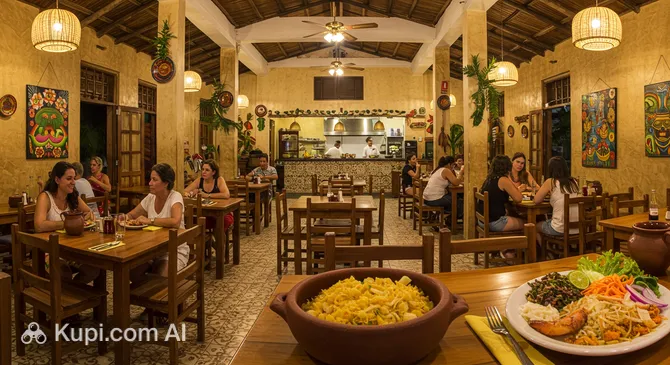
Mestre Eudes Restaurant. Illustration.
Source: Kupi.com AI

Traveler photos:

Another point of attraction for gourmets is Mestre Eudes Restaurant. Here, you can not only have a hearty dinner but also feel the local color. On weekends, restaurants and bars in the center often feature live music, creating a pleasant backdrop for relaxation. If you prefer a more modern leisure format, you can visit O Bom Vizinho Shopping Mall. In the evening, it is a popular meeting place where you can go to the cinema, browse the shops, or grab a bite at the food court.

Practical Tips and Safety:

  • Transport: If you are staying in central Aracati but want to go party in Canoa Quebrada (about 12 km away), it is best to use a taxi or transfer. Public transport is rare at night. Be sure to agree on the price in advance or use official taxi services.
  • Safety: Tourist areas like "Broadway" are well-lit and patrolled, so it is safe to walk there until late at night. However, in Aracati itself, you should avoid deserted and unlit alleys outside the central streets.
  • Prices: The cost of cocktails and club entry in the region is quite moderate compared to Brazil's major megacities. Many bars offer "happy hours" early in the evening.

As for daytime entertainment, Aracati offers a rich cultural program. During daylight hours, it is worth paying attention to the architectural heritage: stroll along Rua Grande, visit local museums, or look into the historical Francisca Clotilde Theater. For active leisure enthusiasts, beach activities and buggy trips through the dunes are always available.

Parks & Museums

Aracati offers travelers a harmonious combination of natural beauty and deep cultural heritage. While the city's surroundings entice with unique landscapes, the historical center is a true open-air museum where every corner breathes history.

Natural Areas and Parks

Although there are no massive botanical gardens in the city center, nature has generously endowed the surroundings of Aracati. The main natural jewel of the region is the Canoa Quebrada Ecological Zone (Área de Proteção Ambiental de Canoa Quebrada). This is a protected territory famous for its surreal landscapes: bright red cliffs, endless sand dunes, and mangroves. For tourists, it is an ideal place for ecological walks, watching the sunset from the top of the dunes, and discovering the unique coastal ecosystem.

Another important natural artery is the Jaguaribe River. A stroll along its banks or a boat excursion allows you to see the city from a different perspective. Here you can observe the lush vegetation of mangrove forests and a variety of birds. This peaceful place contrasts with the busy beaches and gives a sense of serenity and unity with nature.

Museums and Cultural Centers

The main guardian of the city's memory is the Jaguaribano Museum (Museu Jaguaribano). It is located in a majestic historical mansion from the 19th century—the "Sobrado do Barão de Aracati." The museum's exhibition is dedicated to the region's rich history, especially the era when the trade in jerked beef and leather flourished. Visitors can see antique furniture, household items, photographs, and documents telling the story of the life of the local aristocracy and common people of past centuries. This place is a must-visit for those who want to understand what life was like in the city before the arrival of modern tourism.

The cultural picture is complemented by the Aracati Public Library, located in another restored historical building. Temporary exhibitions and cultural events are often held here. The building's architecture itself, with its high ceilings and large windows, is of interest as an example of colonial style.

Architectural Heritage

The entire historical center of Aracati is officially recognized as a Brazilian national heritage. Rua Grande (Rua Coronel Alexanzito) is a living gallery of colonial architecture. Two-story houses with facades lined with Portuguese azulejo tiles have been preserved here. Special attention should be paid to the church of Nossa Senhora do Rosário dos Brancos, which impresses with its Baroque decoration and carved wooden altars. A walk here replaces a visit to a classic museum of architecture.

Insider Tip

For an authentic experience, head to the banks of the Jaguaribe River at sunset. At this time, local fishermen return with their catch, and the sun paints the city's old buildings in golden tones, creating a unique atmosphere that cannot be captured in photographs.

Getting Around

Since Aracati is a relatively small city, the public transport system here is simple and differs from the typical schemes of megacities. There are no subways, trams, or trolleybuses. Road transport takes on the main passenger load, and the logistics of movement are intuitively understandable, although they have their own local character.

The most popular mode of transport for connecting the city center with the coast and neighboring villages is shared taxis, which locals call "vans" or "topiques." These are microbuses that run along main streets and connect Aracati with the region's main tourist magnet—Canoa Quebrada beach. They run quite frequently during the day, serving as a budget alternative to taxis. Stops are not always clearly marked, so to catch one, it is often enough to simply wave your hand at an approaching vehicle or ask locals where the "topique" stops.

For short trips within the city limits, mototaxis are indispensable. This is a fast, cheap, and very common way of getting around the region. Official mototaxi drivers are easily recognized by their special numbered vests. A helmet is always offered to the passenger before the ride. This is an excellent option for solo travelers wanting to quickly get from the bus station to a hotel or restaurant; however, it is better to clarify the price of the trip in advance, before getting on the motorcycle.

Classic taxis and ride-hailing apps are also available, but with some caveats. Popular international apps may work, but the number of cars on the line is often limited, leading to long wait times. It is more reliable to look for cars at official taxi stands (pontos de táxi) located near major shopping points and in central squares. Unlike microbuses, here you can count on a ride with air conditioning, which is important in the hot climate.

The fare payment system for public transport in Aracati is conservative: cash reigns here. In microbuses and mototaxis, card terminals or pass validators are extremely rare. Tourists are strongly advised to always carry small bills and coins of the local currency, as drivers often do not have change for large banknotes. Payment is made directly to the driver or conductor upon boarding.

As an alternative to public transport, many tourists choose to rent a buggy. This is not just a means of transport but a part of the local culture, ideal for traveling along sandy roads and dunes. You can also rent a bicycle in the city for a leisurely ride through the historic center, where distances between attractions are very short and easily covered on foot.

Accommodation

Where to stay:

Accommodation options in Aracati and its surroundings can satisfy the needs of a wide range of travelers: from backpackers looking for budget lodging to comfort-seekers who prefer resort hotels. The peculiarity of the region lies in the clear division of living zones: the business and historical center of the city offers one set of conditions, while the famous beach areas offer something completely different.

Main areas to stay

When choosing a location, it is important to decide on the purpose of the trip. If you are interested in colonial architecture, business matters, or budget transit, consider the Historic Center (Centro). Here, you will find small family guesthouses (pousadas) and classic city hotels. Staying here is usually cheaper, and the proximity to the bus station and shops makes this area a convenient logistics hub.

However, most tourists coming for the sea and entertainment choose to stay in the Canoa Quebrada district, which administratively belongs to Aracati but is located 12 km from the center. This is a resort area with a huge choice of housing: from luxury boutique hotels overlooking the ocean to cozy guesthouses and hostels for young people. This is where all the tourist life is concentrated, and most hotels offer swimming pools and direct beach access.

Types of accommodation and prices

The price range varies depending on the season and location:

  • Budget segment: Represented by hostels and inexpensive guesthouses (pousadas). This is an excellent choice for young people and budget-conscious tourists. These places often have a friendly atmosphere, shared kitchens, and common areas.
  • Mid-range: Comfortable hotels and apartments offering air conditioning, breakfast (often very hearty with tropical fruits), and Wi-Fi. This is the most popular option for couples.
  • Premium and Luxury: Mostly concentrated on the coast. Here, you can find hotels with high levels of service, spa areas, and panoramic views of the dunes and ocean.

Booking tips

Aracati and especially Canoa Quebrada are popular destinations, so during high season (from December to February), as well as during national holidays (especially Carnival and Easter), the demand for housing rises sharply. We strongly recommend booking rooms in advance—2–3 months before the trip—to guarantee yourself the best option at a reasonable price. For searching, it is convenient to use popular international online platforms, but many small pousadas also accept bookings via social media or messaging apps.

Nearby Cities

For those who want to explore the surroundings, Aracati serves as an excellent starting point for day trips to several interesting nearby locations. The city's location allows for easy access to both historical centers and entertainment resorts in neighboring regions.

One of the most popular options is a trip to Aquiraz. This was the first capital of the state of Ceará, where colonial history sits alongside modern entertainment. It is here that the famous "Beach Park" is located—one of the largest water parks in Latin America, which attracts tourists from all over the world. Additionally, the city is famous for its beaches, such as Prainha, and its preserved historical center with a museum of sacred art.

If you want a change of scenery and to visit the neighboring state of Rio Grande do Norte, head to Mossoró. This city is known for its thermal springs and rich culture. Mossoró is proud of its history of resistance against the famous Lampião bandit gang, and in June, one of the largest festivals in the country—"Mossoró Cidade Junina"—takes place here. It is an excellent place to get acquainted with the traditions of the Brazilian interior.

Closest to Aracati is the city of Russas. This is an important center of the Jaguaribe River valley, known for its fruit orchards, especially sweet oranges. The city has a pleasant provincial atmosphere with historical buildings and churches, making it a good option for a short and non-tiring trip inland.

CityPopulationDistance
Fortim14 81713 km
Palhano8 86630 km
Jaguaruana32 23631 km
Russas69 83348 km
Icapui18 39249 km

These nearby destinations provide insight into the diverse culture and landscapes of the region, complementing a beach holiday with new experiences.

Shopping & Souvenirs

Shopping in Aracati is not about chasing international brands, but about connecting with local culture and finding unique handmade items. The city offers an interesting mix of traditional trade in historical settings and modern conveniences. Here you can buy authentic souvenirs created by craftsmen from the state of Ceará, as well as familiar goods for everyday life and beach holidays.

The heart of the city's commercial life is its Historic Center, particularly Rua Coronel Alexanzito, known as Rua Grande. Here, among majestic colonial mansions, are small shops selling clothes, shoes, and accessories. A walk through this area allows you to combine shopping with sightseeing. Another important commercial artery for tourists is the famous "Broadway" (Rua Dragão do Mar) in the neighboring resort village of Canoa Quebrada. This place comes alive towards the evening: bright beachwear, jewelry, and products from local artisans are sold here.

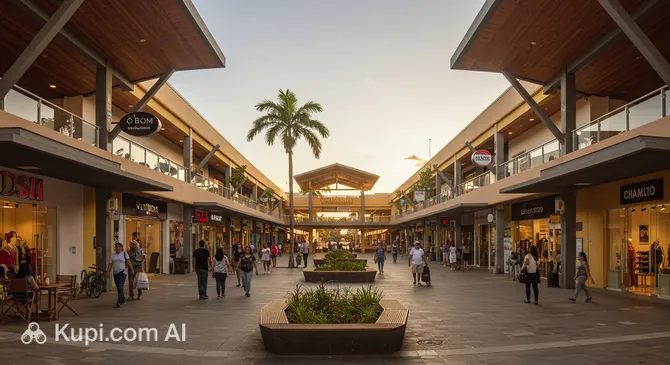
For those who prefer comfortable shopping in air-conditioned cool, the main point of attraction is O Bom Vizinho Shopping Mall. This is a modern complex featuring stores of popular Brazilian brands, electronics, cosmetics, and home goods. Additionally, there is a food court and a cinema, making it a great place for family leisure during the hot hours of the day.

O Bom Vizinho Shopping. Illustration.
Source: Kupi.com AI

Traveler photos:

To experience the true flavor of the Brazilian province, it is worth looking into the Central Market (Mercado Público). This is a noisy and colorful place where locals buy fresh fruits, vegetables, spices, and household goods. Here you can find excellent cashew products for which the region is famous, as well as inexpensive leather and straw items. The market atmosphere allows you to see the daily life of the townspeople without the tourist polish.

When choosing souvenirs, pay attention to the region's hallmark—bottles of colored sand (garrafinhas de areia colorida). The art of creating complex sand paintings inside glass originated in these parts, and local masters have achieved incredible heights in this. Aracati is also famous for its "labirinto" lace and woven products. As a delicious gift, you can bring back cashew nuts of various roasts or a bottle of high-quality local cachaça.

Shops in the city center usually operate from 08:00 to 18:00 on weekdays and until noon on Saturday. O Bom Vizinho Shopping Mall is open longer, usually until 22:00. Souvenir shops on "Broadway" in Canoa Quebrada open in the afternoon and stay open until late at night. Credit cards are accepted almost everywhere, including most market stalls, but for small purchases from street vendors, it is recommended to carry cash in Reals.

Reached the end of the page?

That means the route is fully explored