Support

Jequitibá Woods Park

About

Jequitibá Park (Parque Jequitibá), also known as Bosque dos Jequitibás, is one of the oldest and most beloved green oases in the heart of Campinas, located in Brazil. This park is not just a recreation area but a real island of wildlife in the middle of a metropolis. It was named after the majestic jequitibá trees—one of the symbols of Brazilian flora, some of which are centuries-old residents of these parts.

The park represents a valuable part of the Atlantic Forest and is home to many species of plants and animals. Here you can find sloths, toucans, and various monkeys living freely in the treetops. Thanks to the region's tropical climate, the park's vegetation is stunningly diverse and lush year-round, creating ideal conditions for leisurely walks and outdoor relaxation.
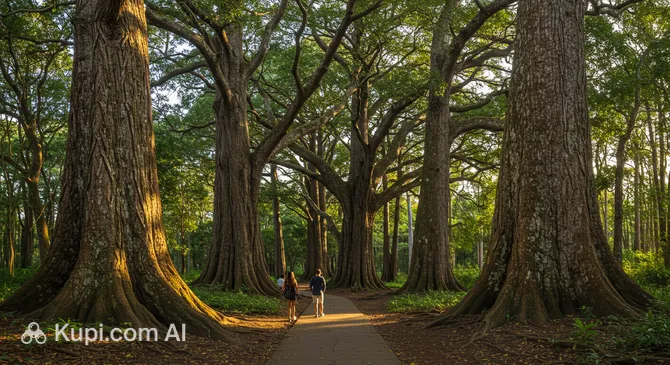
Jequitibá Woods Park. Illustration.
Source: Kupi.com AI

Traveler photos:

Jequitibá Park features a well-developed infrastructure for visitors. Besides shaded paths for walking and jogging, it houses the Natural History Museum, a small zoo, an aquarium, and even a children's theater. This makes the park a wonderful place for a family holiday, where you can not only enjoy nature but also learn a lot about the flora and fauna of Brazil. The park is popular with both locals and tourists, attracting around one million visitors annually.

Contacts

To visit Jequitibá Park and find out more about its facilities, such as the museum or zoo, you can use the contact details provided. It is recommended to check the current opening hours on the official resources of the city of Campinas before your visit.

How to contactContact
AddressR. Coronel Quirino, 02 - Bosque, Campinas - SP, 13025-004, Brazil
Websitewww.campinas.sp.gov.br

What to Do

Jequitibá Park offers its guests a variety of leisure activities to suit every taste. For those who enjoy active pastimes, there are convenient walking and jogging paths that pass through the park's most scenic spots. If you prefer a quiet rest, you can always find a secluded spot for a picnic on the grass or simply sit on a bench, enjoying the peace and fresh air.

It's the perfect place to get acquainted with the nature of Brazil without leaving Campinas. Visitors can stroll along shaded paths, studying the local flora, or spend time bird watching and observing other fauna living in the park. It is also an excellent location for photographers wanting to capture the beauty of tropical nature.

Besides walking and relaxing, the park occasionally becomes a venue for various cultural events and festivals, filling the space with a festive atmosphere. For those who can't imagine their day without physical activity, sports areas may be available for outdoor exercise.

Getting There

Getting to Jequitibá Park is quite easy, as it is located within the city of Campinas. One of the most accessible ways is by public transport. Various bus routes pass in the immediate vicinity of the park, making it easy to reach from most parts of the city. For those who prefer more comfort and direct service, taxis or ride-sharing services, which are popular in Brazil, are an ideal option to take you right to the entrance.

For travelers arriving in Campinas from other cities or countries, the city's good accessibility is worth noting. The city is served by the major Viracopos International Airport (VCP), located about 20 km from the center. There is also the Campo dos Amarais Airport, situated 8 km away. From either airport, you can comfortably reach Jequitibá Park by taxi. Public transport is also an option for getting to the park.

Nearest city: Campinas

History & Facts

The history of Jequitibá Park is closely linked to the development of Campinas itself. Originally, in the late 19th century, this area was part of a private estate called "Campo das Caneleiras," owned by Francisco Bueno de Miranda. It was he who, in the 1880s, decided to create a recreation area for the city's residents. To bring this idea to life, the famous architect Ramos de Azevedo was invited to design the space in the then-fashionable "English garden" style, complete with a chalet and a restaurant.

A significant milestone in the park's history was 1915, when it was purchased by the municipality of Campinas and officially became public property. From then on, its active development as a multifunctional space began. The economic prosperity of the city, one of the key centers of the state of São Paulo, allowed for investment in the park's improvement. Over time, in addition to walking paths, the Natural History Museum, a zoo, and an aquarium were added, turning it into an important cultural and educational center.

Today, Jequitibá Park is more than just a green space; it is a true historical and natural monument. In 1970, it was officially recognized as a historical, archaeological, artistic, and tourist heritage site of the state, ensuring its preservation for future generations. This status highlights the park's unique role as a "green lung" in the heart of the metropolis and a guardian of living history, where centuries-old trees stand alongside architectural and cultural sites, delighting residents and visitors for over a hundred years.

Time Needed

When planning a visit to Jequitibá Park, you should aim for a duration of 2 to 4 hours. This is generally enough for a leisurely stroll along the main paths to enjoy the beauty of the ancient trees, learn about the local flora and fauna, and simply relax in the fresh air away from the city's bustle. In a couple of hours, you'll have time to get a general impression of the park and visit its most picturesque corners.

If your plans are more extensive, you should increase your stay. For example, if you want to have a picnic in one of the clearings or visit additional attractions within the park, such as the Natural History Museum, the small zoo, or the aquarium, it's better to set aside half a day. Participating in seasonal events or festivals that are sometimes held in the park will also require extra time. Thus, for a full immersion into everything Jequitibá Park has to offer, it's best not to rush and to allocate more time in your schedule.

Working Hours

Jequitibá Park is open to visitors year-round, offering a chance to enjoy nature at any time. According to current information, the park is open from Tuesday to Sunday, 6:00 AM to 6:00 PM. Monday is the official day off when the park is closed to the public. Entry to the park is free, so no advance booking is required for a regular walk.

While access to the park itself is free, it's worth remembering that other facilities are located on its territory, such as the Natural History Museum, the aquarium, and the theater. These establishments may have their own operating schedules and visiting rules, which may differ from the park's hours. Therefore, if you plan to visit not only the green area but also these attractions, it is recommended to check their schedules and potential ticket requirements in advance on their official website or by calling their contact numbers.

DayOpening hours
MondayClosed
Tuesday7:00 – 18:00
Wednesday7:00 – 18:00
Thursday7:00 – 18:00
Friday7:00 – 18:00
Saturday7:00 – 18:00
Sunday7:00 – 18:00

Nearby

Visiting an iconic landmark like Jequitibá Park is a wonderful way to start getting to know the city. However, to truly feel the atmosphere of Campinas, it's worth stepping beyond the park's pathways and exploring its surroundings. Exploring nearby sites will not only enrich your experience but also provide a more complete picture of the cultural and historical heritage of this Brazilian city.

Just a few minutes' walk from the park, you'll find many interesting places—from historical squares and cathedrals to museums and cozy establishments. This is a great opportunity to combine outdoor relaxation with immersion into city life, discovering new facets of Campinas.

NameDistance
Museum of Image and Sound of Campinas0.9 km
Carlos Gomes Square0.9 km
Metropolitan Cathedral of Campinas1 km
Campinas Zero Milestone1.2 km
Basilica of Our Lady of Mount Carmel1.3 km
Tatu Bola Bar1.4 km
Barbearia Cambuí1.7 km

Have you reached the end of the page?

So the route has been studied inside and out