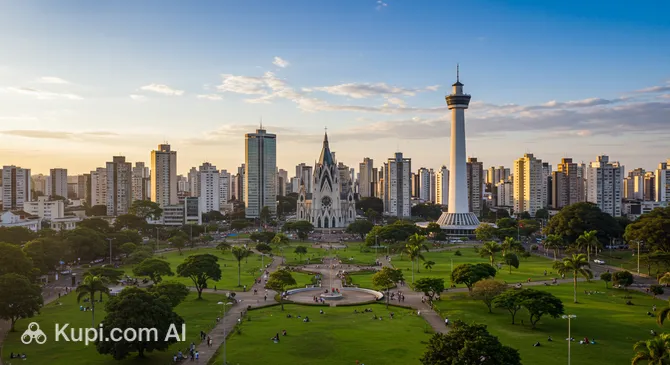
Campinas is a dynamic and modern metropolis located in the heart of the state of São Paulo in southeastern Brazil. The city is not your typical postcard resort; however, it possesses a unique "Brazilian Silicon Valley" vibe. It is a powerful educational and technological hub, buzzing with the lives of students, scientists, and entrepreneurs. With a population of over 1.2 million, the city combines the energy of a major industrial center with the coziness of well-developed residential neighborhoods.
Geographically, the city is spread across hilly terrain, which gives its panoramas a special character. As an important economic "engine" of the region, it attracts specialists from all over the world. Its historical heritage is closely linked to the 19th-century coffee boom, which laid the foundation for its current prosperity and shaped the architectural appearance of its old quarters.
Campinas. Illustration.
Source: Kupi.com AI
For a tourist, Campinas is primarily interesting for its park areas, modern shopping complexes, and a rich cultural program. Here, you can feel the true rhythm of modern Brazil, far from tourist clichés. We invite you to explore this city of work, study, and innovation, which is sure to surprise you with its hospitality and diversity.
Weather Overview
The climate in Campinas is characterized as subtropical, with clearly defined seasons. If you are planning a trip, keep in mind that the weather in Campinas depends heavily on the time of year: summers are hot and humid, while winter months delight with mild warmth and a lack of precipitation.
The summer period, lasting from October to March, brings daytime temperatures around +28…+30 °C and frequent but brief tropical rain showers. Winter, occurring from June to August, is considered the driest time: during the day, the air warms up to a comfortable +23 °C, but at night the thermometer can drop to +12 °C, so a light jacket will not be superfluous.
Due to its location in the interior of the continent, there is no exhausting oceanic humidity here, but in the dry season, the air in the metropolis can become dusty. Overall, the city is comfortable to visit at any time of year, but spring and autumn are considered the ideal periods for walking, when the most balanced temperatures are established without extreme heat.
Average monthly temperature
Average monthly precipitation
Interesting Facts
Coffee Past: In the 19th and 20th centuries, Campinas was the wealthiest center of the coffee region; it was the income from these plantations that laid the foundation for its transformation into a modern metropolis.
City Day: Residents celebrate the city's official holiday on July 14th—on this day, the streets are filled with festivals, concerts, and solemn ceremonies.
Religious Center: The Notre Dame district houses the majestic Temple of The Church of Jesus Christ of Latter-day Saints, which is an important landmark for the community and notable for its well-maintained grounds.
Scientific Engine: The city is among Brazil's main technological hubs thanks to the prestigious UNICAMP university and numerous research laboratories.
Rapid Growth: In just a few decades, the city's population grew from 800,000 to over 1.2 million, making it one of the fastest-growing metropolises in the state.
How to Get There
Campinas is a crucial transport hub in the country's southeast, providing excellent connections to other regions. If you are planning a trip, it is worth studying all ways to get to the city in advance to choose the most comfortable route. The main load falls on highways and air travel, as the city is located at the intersection of the state of São Paulo's largest thoroughfares.
The city's main air gateway is Viracopos International Airport (IATA: VCP). It is located about 20 kilometers from the center and is considered one of the most modern and fastest-growing hubs in Brazil. You can get from the terminal to the city quarters by taxi, transfers, or intercity buses; the journey usually takes about 30–40 minutes.
For those who prefer ground transport, Campinas offers a well-developed network of bus services. The central bus station (Rodoviária) receives trips from São Paulo, Rio de Janeiro, and other major cities. A car trip from the state capital via the modern Anhanguera or Bandeirantes highways takes about an hour and a half, though potential traffic jams during peak hours should be considered.
Main Attractions
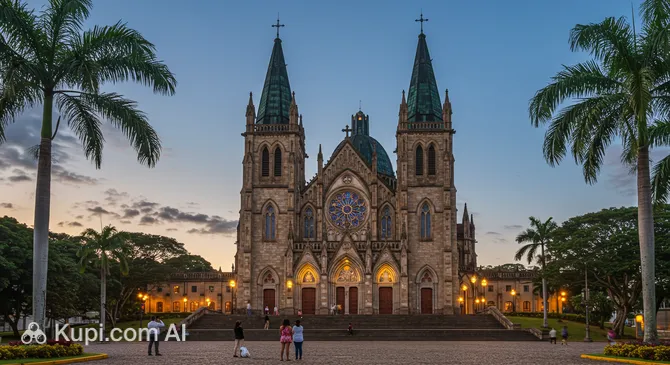
While Campinas is primarily known as a business center, there are several architectural and cultural gems worth your attention. One of the city's most majestic buildings is the Basilica of Our Lady of Carmel. This temple impresses with its neoclassical style and richly decorated interior, serving as an important spiritual center for locals.
Basilica of Our Lady of Mount Carmel. Illustration.
Source: Kupi.com AI
Traveler photos:
Another significant religious site is the Parish of Our Lady of the Rosary. Its architecture and peaceful atmosphere attract not only believers but also history buffs wishing to touch the traditions of the state of São Paulo. Such places allow for a better understanding of the region's cultural code, shaped over centuries.
For those who prefer outdoor recreation, Portugal Park (Gate 5) is a must-see. It is one of the most popular places for walking, sports, and family leisure in the city. The vast green territory of the park, with its lakes and shaded alleys, serves as a true oasis amidst the urban landscape.
Local Cuisine
The gastronomy of Campinas is a vibrant reflection of São Paulo state traditions, complemented by the influence of immigrant communities. The basis of the daily diet consists of classic Brazilian dishes: rice, beans, and juicy grilled meat—churrasco. Be sure to try local pastries, such as coxinha (a chicken snack) or pastéis with various fillings, which are especially good at local markets.
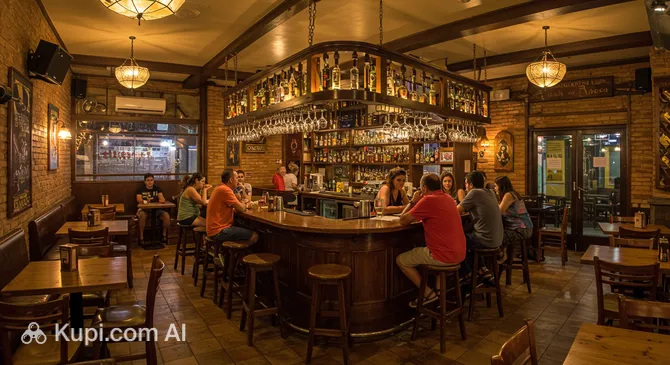
For those who prefer exquisite seafood and modern presentation, Coco Bambu is an excellent spot. Here you can enjoy a variety of seafood in a stylish setting. If you want to experience the atmosphere of a Brazilian evening with snacks and drinks, check out Tatu Bola Bar, which is popular among both locals and visitors.
Tatu Bola Bar. Illustration.
Source: Kupi.com AI
Traveler photos:
The food culture in the city is closely linked to large shopping centers, where food courts offer food for every taste—from traditional "by weight" lunches to international chains. In the university quarters, you will find many inexpensive cafes with "prato feito" set lunches, which allow for a hearty and budget-friendly meal during the day.
Travel Tips
Preparing for a trip to a major hub like Campinas requires considering some local specifics. These tips will help you feel confident and enjoy every moment of your journey.
Clothing and Essentials: Summer in the region is hot and humid, so bring light clothing made of natural fabrics. Don't forget an umbrella or a raincoat—showers occur frequently. When visiting temples, choose a modest style of dress.
Transport: The most convenient way for a tourist to get around is via taxi apps (e.g., Uber). They work reliably and eliminate the need to figure out bus routes.
Finance: The official currency is the Brazilian Real. Cards are accepted almost everywhere, from restaurants to small kiosks, but it's worth having a small amount of cash for minor expenses.
Health and Safety: Follow standard precautions: do not display expensive equipment on sparsely populated streets and stick to central, well-lit areas. Pharmacies are found at every turn in the city.
Communication: The primary language is Portuguese. English is understood in major hotels and business centers, but for communicating in shops or cafes, it's useful to learn a few basic phrases or have an offline translator handy.
Local Etiquette: Brazilians are very friendly and open. Greetings are often accompanied by a handshake or a light hug. Be polite and don't skimp on smiles.
What to Avoid: You should not discuss sensitive social topics with strangers or walk on the outskirts of the city after dark, especially alone.
Extra Tip: Be sure to visit one of the local parks on a weekend—it's the best way to see how the city's residents spend their leisure time and to feel the local rhythm of life.
Plan your visit in advance, and this dynamic city will reveal itself from its best side, giving you many vivid impressions!
Entertainment & Nightlife
Entertainment in Campinas is largely concentrated around major shopping centers and youth-oriented districts. Since the city is a student hub, you can always find venues with live music, DJ sets, and a casual atmosphere. The Cambuí district is considered the epicenter of evening activity: this is where the best gastrobars and concept clubs are located.
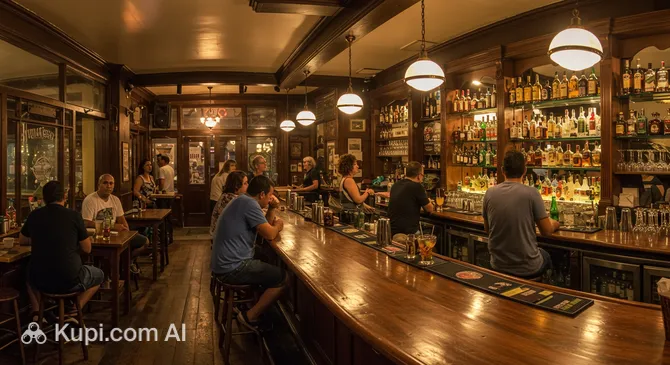
If you are looking for a place with an authentic atmosphere, it's worth stopping by Bar do Carioca. Such establishments are famous for their cold drinks and traditional Brazilian snacks, creating ideal conditions for socializing after a working day. The city's nightlife may not be as massive as in São Paulo, but it wins you over with its diversity and sincerity.
Bar do Carioca. Illustration.
Source: Kupi.com AI
Traveler photos:
For those who prefer more unusual spots, places like Barbearia Cambuí are open, combining style with modern service. It is best to get around the city at night by taxi or through popular ride-hailing apps—this is the safest and fastest way to reach your destination.
Parks & Museums
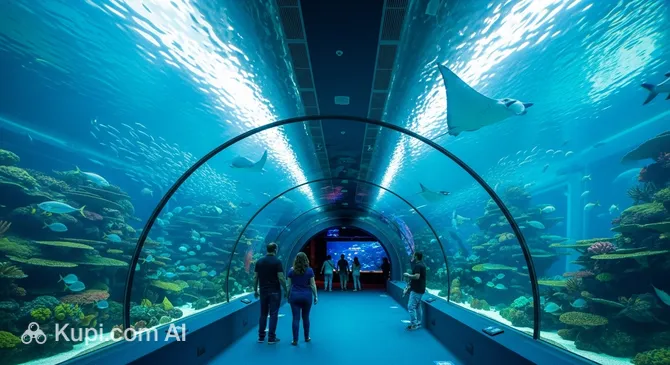
The green zones of Campinas are its pride and a magnet for everyone tired of urban landscapes. Despite its status as an industrial center, the city has beautiful areas for relaxation. Nature and aquatic life lovers will find it interesting to visit Aquário Way or take a stroll at a place called Sol Nascente Lakes and Aquarium, where you can enjoy the peace and beauty of aquatic flora and fauna.
Aquario Way. Illustration.
Source: Kupi.com AI
Traveler photos:
The city's cultural program is not limited to parks. A special place on the list of attractions is held by the Castle of Arts and Crafts. This space combines the creative energy of local artisans and a historical atmosphere, offering visitors a chance to see unique handmade items and art exhibitions.
The city's museums are often associated with the academic environment and universities, showcasing scientific achievements and temporary exhibitions of contemporary art. Even if you don't plan a deep dive into history, simple walks through municipal parks and visits to local galleries will help you feel the true spirit of this progressive Brazilian city.
Getting Around
The transport system in Campinas is based on an extensive network of bus routes that connect the city center with its numerous districts, universities, and technology parks. This is the main type of public transport for most residents. Buses run regularly; however, tourists should keep in mind that they can be crowded during peak hours, and movement slows down due to traffic congestion on the highways.
Fare payment is usually made using special transport cards, which can be topped up at terminals or authorized points. Although there is no metro system in the city, the bus network is designed logically, but for orientation in routes, visitors are better off using mobile apps and maps, as information at stops is most often provided only in Portuguese.
Taxis and app-based car services serve as a convenient alternative to buses. This is the most popular choice for business trips and evening travel, as it guarantees comfort and safety. For those planning to actively explore the surroundings and neighboring cities in the state, renting a car is a good option—the road network around the city is characterized by high-quality surfaces and clear navigation.
Accommodation
Campinas' hotel stock is primarily focused on business travelers and the families of students, so modern chain hotels predominate here. You will easily find mid-range options offering quality service, breakfasts, and stable Wi-Fi. For those who value maximum comfort and developed infrastructure, the Royal Palm Plaza resort hotel is an excellent choice.
Royal Palm Plaza. Illustration.
Source: Kupi.com AI
Traveler photos:
Budget travelers can stay in cozy guest houses (pousadas) or small hotels located in residential neighborhoods. These options are often chosen by those who need a base for a short stay before traveling further through the state. The apartment segment is also popular in the city, which is convenient for long-term stays for professionals and expats.
When choosing an area to stay, tourists are recommended to focus on proximity to business centers or large shopping malls, such as Iguatemi. It is better to book accommodation in advance, especially if your visit coincides with major technological conferences or university events, when demand for rooms rises sharply.
Nearby Cities
Campinas is an ideal starting point for exploring the interior of the state of São Paulo. The region surrounding the metropolis is dotted with interesting towns, each with its own unique character. Thanks to excellent roads, many of them are accessible for a day trip.
Just 10 kilometers away is the cozy Valinhos, known for its agricultural traditions and annual harvest festivals. Also worth noting is Vinhedo—a town famous for its winemaking and picturesque landscapes, offering tourists a pleasant break from the hustle and bustle of the metropolis. For those interested in developing urban infrastructure, a trip to neighboring Hortolândia will be of interest.
Exploring the surroundings allows you to see another side of Brazil—quieter, but no less developed. We recommend using intercity buses or renting a car to fully enjoy the diversity of this densely populated and hospitable region.
Shopping & Souvenirs
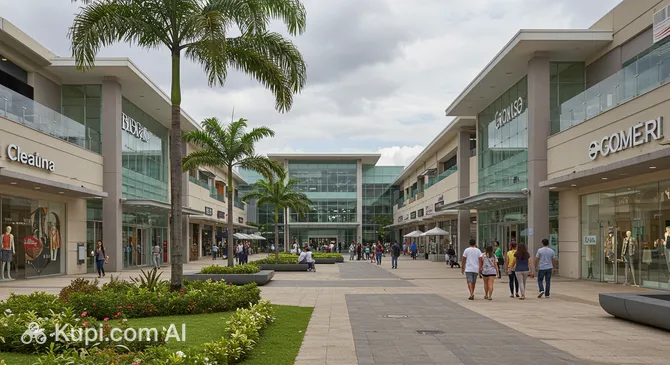
Shopping in Campinas is primarily about visiting its grand shopping malls, which have long become full-fledged leisure centers for locals. One of the most prestigious is Iguatemi Campinas. It features both global brands and the best Brazilian labels for clothing, shoes, and accessories, while the mall's modern architecture makes shopping as comfortable as possible.
Iguatemi Campinas. Illustration.
Source: Kupi.com AI
Traveler photos:
If you are looking for a more intimate setting or goods for the home and daily life, it's worth checking out Shopping Center Gramado. Such local centers are convenient for their accessibility and cozy atmosphere. Additionally, markets are popular in the city, where you can find fresh tropical fruits and products by local artisans.
For souvenirs from the region, it is worth bringing back high-quality Brazilian coffee, leather goods, or locally produced natural cosmetics. Shops in the malls usually stay open until late evening, and bank cards from international systems are accepted everywhere, making shopping in the city a simple and pleasant activity.