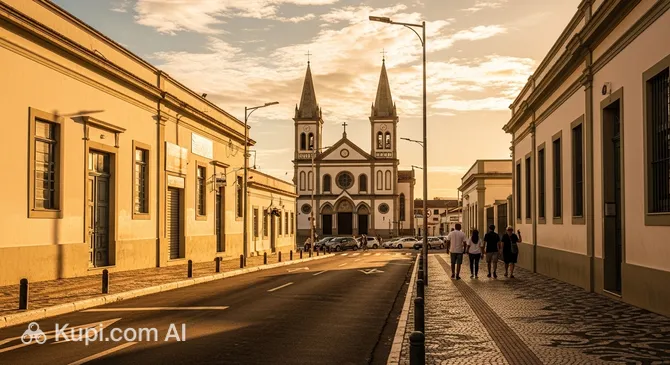
Sumaré is a dynamic industrial hub located in the heart of the state of São Paulo in Brazil. Part of the Campinas metropolitan area, the city offers an interesting blend of urban rhythm and the tranquility of agricultural suburbs. Despite its status as an industrial giant, Sumaré maintains a cozy atmosphere that attracts those seeking an authentic Brazilian lifestyle away from the crowded tourist paths.
Sumare. Illustration.
Source: Kupi.com AI
Geographically, the city stretches across a hilly plain and has a population of approximately 286,000 people. The history of Sumaré began in 1868 when the settlement was known as Rebouças. Today, it is a vital economic node that has long been home to major international manufacturing facilities, such as the Honda plant.
One of the city's unique features is its connection to floriculture—Sumaré is famous for its farms and annual flower festivals. A visit to this city provides an opportunity to see modern Brazil "without filters," enjoy local hospitality, and feel the heartbeat of a thriving region.
Weather Overview
Sumaré welcomes its guests with a pleasant subtropical climate. Summers here are usually hot and humid, while winters are mild and relatively dry. The highest temperatures occur between December and March, when the thermometer often rises to +30°C, and tropical rains bring much-needed freshness.
Winter months, such as July and August, are characterized by sunny weather with daytime temperatures around +25°C, though nights can be cool. If you are planning a visit, it is worth checking a detailed weather forecast for the city to pack accordingly. Spring and autumn are considered ideal times for walking, as the heat is moderate during these periods.
Average monthly temperature
Average monthly precipitation
Interesting Facts
The city's name has deep roots: translated from the Tupi-Guarani language, "Sumaré" means "the place where the sun sets" or "sunset."
The city is an important center for the flower industry in the state of São Paulo, thanks to the fertile agricultural lands surrounding it.
Until 1945, the city was officially called Rebouças, but it was later renamed after a rare species of orchid common in the region.
Over the last two decades, Sumaré has shown impressive demographic growth, evolving from a small settlement into a major urban center with a population of over 278,000 people.
How to Get There
Sumaré boasts excellent transport links with the state's largest metropolises, making it easily accessible for travelers. Major transport arteries connect the city to São Paulo and Campinas, ensuring the flow of goods and passengers through a well-developed highway network. Detailed route information can be found in the how to get there section.
For those arriving from further away, the nearest major air hub is Campinas International Airport (Viracopos), although the city technically has its own Sumaré Airport (IATA: RWS). The latter, however, is primarily geared toward private aviation and business flights. For international and long-haul domestic flights, tourists typically use the terminals in São Paulo.
Rail connections in the region are currently focused mainly on freight, so comfortable intercity buses remain the primary mode of transport for tourists. They run regularly from the main bus stations in neighboring metropolises, offering an economical and reliable way to travel.
Station
Passenger traffic
Distance
Antiga Estação Ferroviária do Distrito de Ártemis
1
54 km
Jundiaí train station
6
58 km
Várzea Paulista train station
6
62 km
Campo Limpo Paulista train station
6
65 km
Botujuru train station
6
69 km
Main Attractions
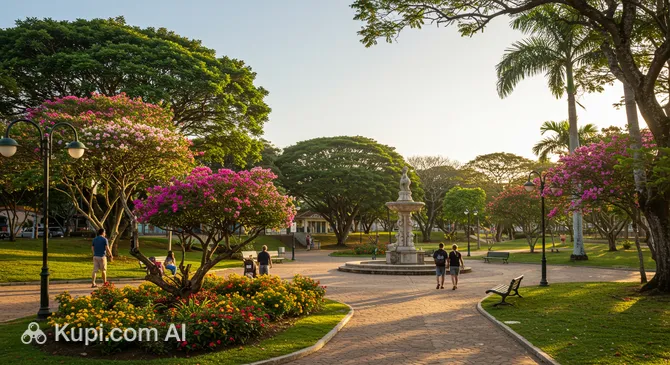
Although Sumaré is primarily known as an industrial center, there are several locations worth visiting. One of the most popular recreation areas is Christa Park, where locals and visitors can enjoy outdoor walks.
Crist Park. Illustration.
Source: Kupi.com AI
Traveler photos:
For history buffs, the Casarão do Chá—an old tea plantation manor—is of great interest, serving as a reminder of the region's agricultural past. This site offers a glimpse into the era when coffee and tea were the backbone of the São Paulo state economy.
Another important spot on the city map is Parque da Amizade (Friendship Park). This extensive municipal park offers walking trails and picnic areas, acting as a true "green lung" for the city amidst its industrial landscape.
Local Cuisine
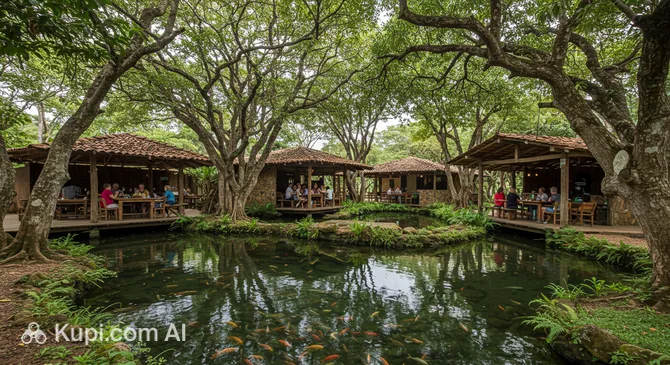
The culinary landscape of Sumaré is steeped in the traditions of São Paulo state, where meat and fresh farm products always take center stage. Be sure to visit a churrascaria—a Brazilian steakhouse serving the famous picanha. For those who prefer a waterside setting with a gastronomic focus, Pesqueiro do Zuca is an excellent choice for enjoying fresh fish dishes in a pleasant atmosphere.
Pesqueiro do Zuca. Illustration.
Source: Kupi.com AI
Traveler photos:
An evening in the city is incomplete without a visit to a pizzeria—a vital part of local culture inherited from Italian immigrants. Milenutti Pizzeria offers a wide selection of toppings, from classic to quite exotic. To accompany your dinner, order a glass of ice-cold chopp (draft beer) or a traditional cachaça.
The city's dining scene is quite accessible, dominated by cozy bars and family-run restaurants. For breakfast, locals often choose pão de queijo (cheese bread) with strong Brazilian coffee, which is always of excellent quality here.
Travel Tips
A trip to Sumaré is a great way to experience the real, non-touristy Brazil, and these tips will help make your journey as comfortable as possible.
Clothing and Essentials: Choose light clothing made of natural fabrics for daytime walks, but bring a light jacket for the evenings, especially during the winter period (June–August).
Transport: Within the city, it is most convenient to get around by taxi or through ride-hailing apps. Regional buses are excellent for trips to neighboring cities.
Finance: The local currency is the Brazilian Real. Cards are accepted almost everywhere, even in small cafes, but it is worth having some cash for markets and small expenses.
Safety: Sumaré is calmer than major metropolises, but observe standard precautions: do not display expensive gadgets and avoid unlit outskirts after dark.
Communication: The primary language is Portuguese. Few people speak English, so learn a few phrases like "Obrigado" (thank you) and "Por favor" (please).
Local Etiquette: Brazilians are very friendly and open. Greetings are often accompanied by a handshake or a light hug.
What to Avoid: Do not criticize local football or cuisine—these are points of national pride. Also, do not drink tap water; use only bottled water.
Extra Tip: Try to visit the city during the flowering season when local farms transform into vibrant living carpets.
Enjoy your trip to this hospitable corner of Brazil!
Entertainment & Nightlife
Nightlife in Sumaré is centered in cozy local bars and pubs where music and conversation continue late into the night. Fans of an informal atmosphere and biker aesthetics will appreciate Sandra’s Cafe Bar and Moto Passeio, a frequent gathering spot for like-minded groups.
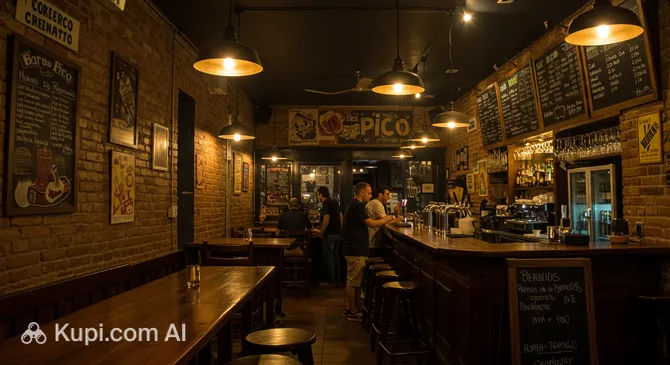
For a more classic evening out, Bar do Pico is a popular choice, offering an excellent selection of drinks and traditional Brazilian snacks. If you're in the mood to dance, stop by Jack Club Bar, known for its parties and live performances.
Bar do Pico. Illustration.
Source: Kupi.com AI
Traveler photos:
Overall, the city's nighttime atmosphere is quite relaxed and geared toward locals. Most venues are located in the center or along the main roads. If you're looking for large-scale club parties with world-class DJs, it's just a 20-minute drive to nearby Campinas, where the entertainment industry is much more extensive.
Parks & Museums
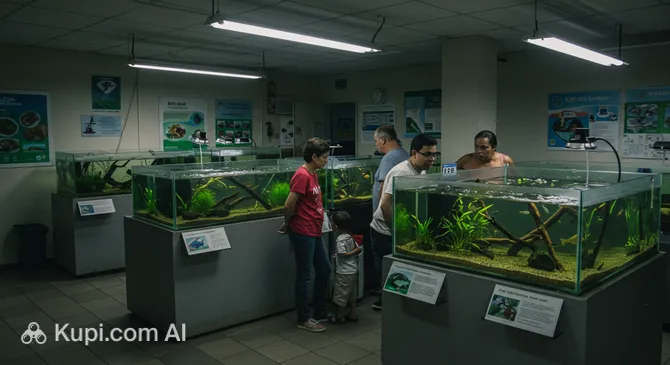
For those traveling with the whole family, the Sumaré Aquarium is an interesting destination. This small but fascinating space allows for a closer look at the aquatic world and makes for a great daytime outing.
Sumaré Aquarium. Illustration.
Source: Kupi.com AI
Traveler photos:
Nature and active recreation enthusiasts should head to Parque da Amizade. It provides perfect conditions for jogging, sports, or simply peaceful nature observation. The agricultural lands surrounding the city also offer picturesque views, especially during the blooming periods of ornamental plants.
The city's cultural life is reflected in sites like the Casarão do Chá. While there aren't many large-scale museums, such historical buildings serve as cultural centers that host local exhibitions and events telling the story of the origins and development of this hardworking region.
Getting Around
The public transport system in Sumaré is based on an extensive network of bus routes. The city is closely integrated into the transport system of the Campinas metropolitan area, allowing residents and tourists to move relatively quickly between neighboring municipalities. Buses are the primary means of transport for most citizens.
Fares are typically paid in cash or with special transport cards. It is worth noting that during peak hours, buses can be crowded, and travel time may increase due to traffic on main highways. Nevertheless, it is the most budget-friendly way to get around the region.
For maximum comfort and mobility, travelers are recommended to use taxi services or popular ride-hailing apps. In the central districts of Sumaré, it is quite convenient to move around on foot while browsing local shops and squares. There is no metro system in the city, as the road network fully handles current needs.
Accommodation
The choice of accommodation in Sumaré reflects its status as an important economic center: most hotels here are geared toward business travelers and those passing through the city. Popular options include Fildi Hotel & Eventos and Jaguary Hotel Sumaré, which offer comfortable rooms and the necessary services for resting after a workday.
For those looking for more budget-friendly or specific options, numerous guesthouses and motels are available, often located near major highway interchanges. While there are no luxury five-star resorts in the city itself, it is easy to find mid-range accommodation with a good price-to-quality ratio.
If you plan to visit the city during major festivals or business forums in the Campinas region, it is best to book accommodation in advance through international booking services. Most hotels offer free Wi-Fi and breakfast, making the stay convenient for international guests.
Nearby Cities
Sumaré is an ideal starting point for exploring the cities of the Campinas metropolitan area, each with its own unique character. Very close by is the cozy Nova Odessa, known for its calm pace and beautiful green spaces.
Slightly further away is Americana, a city with a fascinating history founded by immigrants from the US after the Civil War. It is also worth checking out Hortolândia and Paulínia, both of which are developing rapidly and offer modern shopping centers and parks.
Exploring the surroundings of Sumaré will allow you to see the diversity of São Paulo state: from high-tech industrial zones to quiet historic settlements. The city's convenient location makes it easy to plan day trips and return by evening.
Shopping & Souvenirs
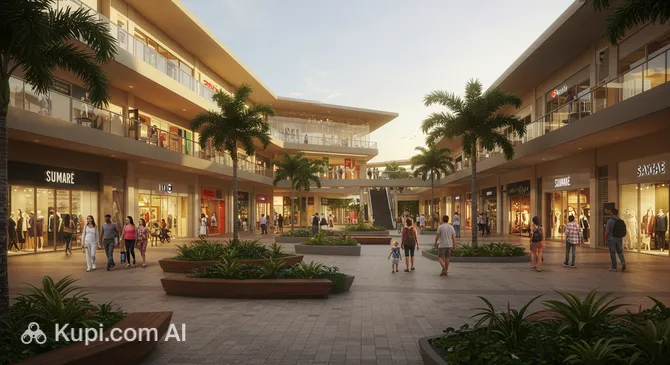
Shopping enthusiasts in Sumaré should first head to Shopping ParkCity Sumaré. This modern space brings together dozens of clothing, electronics, and perfume stores, along with a spacious food court and a cinema, making it the city's main leisure destination.
ParkCity Sumaré Shopping Mall. Illustration.
Source: Kupi.com AI
Traveler photos:
For more budget-friendly shopping and everyday goods, Popular Shopping Sumaré is an excellent choice. Here you can find almost everything—from household items to accessories—at very attractive prices. Street trade in the city center is also well-developed, with small stalls offering fresh fruit and local produce.
Great souvenirs from this region include leather goods, famous Brazilian coffee, or local guava sweets. Shops usually operate from 9:00 AM to 6:00 PM on weekdays, while large shopping malls are open until 10:00 PM. Bank cards from major payment systems are widely accepted everywhere.