Support

Carolina

About

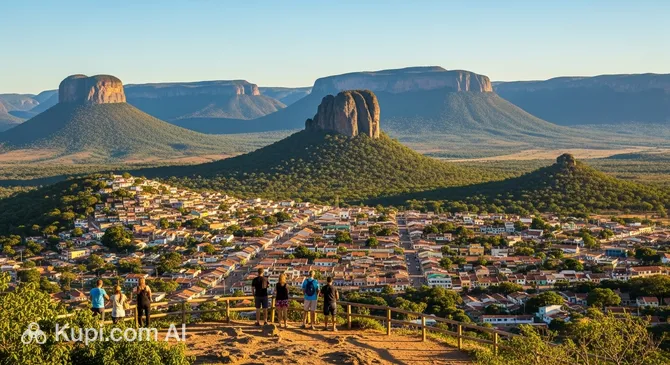
Carolina is a true gem of the state of Maranhão and the perfect starting point for exploring the natural wonders of northeastern Brazil. This cozy city, located on the right bank of the majestic Tocantins River, attracts travelers with its calm atmosphere and incredible landscapes, where the Cerrado and Amazon rainforest biomes meet.

Carolina. Illustration.
Source: Kupi.com AI

Its geographical position makes Carolina a unique destination: it enjoys a tropical climate that is welcoming to travelers all year round. Although the city's population is small, at around 29,000 people, it has everything necessary to comfortably host guests. The rich history of Carolina is reflected in the preserved colonial mansions in the city center, which add a special charm to walks through the streets.

The main reason tourists flock here is the proximity to the Chapada das Mesas National Park. This is a land of breathtaking table mountains, canyons, and countless waterfalls. Among the most famous attractions are the Pedra Caída complex, with its impressive waterfall hidden in the rocks, and the crystal-clear natural pool of Poço Azul, where the water has an incredible turquoise hue.

If you are looking for a place to escape the hustle and bustle of megacities and enjoy the pristine beauty of nature, Carolina is an excellent choice. Unforgettable sunsets over the Tocantins River, refreshing swims in waterfalls, and warm Brazilian hospitality await you here.

Weather Overview

Carolina's climate is typical of the tropical part of Brazil and is characterized by high temperatures year-round. Average thermometer readings consistently stay in the range of +26°C to +30°C. The hottest month is usually September, when daytime temperatures can reach +36°C, and the "coolest" (by local standards) is July, with nightly lows around +21°C.

The year is clearly divided into two seasons: rainy and dry. From December to March, high humidity is observed, and it rains almost daily—statistics record up to 27 rainy days in January and March. Meanwhile, from June to August, precipitation practically stops, and the number of rainy days approaches zero. To choose the perfect dates for your trip, we recommend checking what the weather in Carolina is usually like in the month you are interested in.

Expect a hot climate throughout the year with a clear separation into a wet season with frequent rains and a dry, sunny period ideal for visiting natural attractions.

Average monthly temperature

Average monthly precipitation

Interesting Facts

Carolina holds many fascinating stories that reveal themselves only to the most curious travelers. Here are a few facts that offer a new perspective on this city:

  • Electrification pioneer. Carolina is proud that the first hydroelectric power plant in the entire Amazon was launched here. The station on the Itapecuruzinho River began operations in the early 20th century, which was a real technological breakthrough for the interior of Brazil at that time.

  • Architectural heritage. The city's historical center is officially recognized as the historical heritage of the state of Maranhão. Hundreds of colonial mansions built during the trade boom have been preserved here; many are still decorated with unique tiles that create the distinctive look of the streets.

  • City of a hundred waterfalls. Although tourists usually only visit the most popular locations in Chapada das Mesas, there are estimated to be between 89 and 100 waterfalls in the municipality of Carolina. Most of them are hidden in dense forests and accessible only with experienced guides.

  • Imperial name. The settlement was originally named after its patron saint—São Pedro de Alcântara. However, it was later renamed Carolina in honor of the first Empress of Brazil, Maria Leopoldina (whose full name included Josefa Carolina), as a sign of respect for the imperial family.

How to Get There

When planning a trip to this picturesque corner of Maranhão, it's worth thinking about the logistics in advance, as the city is located far from capitals and major metropolises. The journey here is part of the adventure, allowing you to see the changing natural zones of Brazil. You can find more details on how to get to Carolina on a separate page, but here we will look at the main air gateways through which tourists enter the region.

There is no airport in the city of Carolina itself that accepts regular commercial flights, so travelers use neighboring cities as transit points. The closest and most convenient option is Araguaína Airport (IATA: AUX). It is located in the city of Araguaína (Tocantins state), just 86 km from Carolina. This is a small regional airport, but its proximity makes it an excellent choice: the trip by taxi or transfer will take about 2 hours, including a river crossing or a detour.

Tourists often choose Imperatriz Airport (IATA: IMP), located in the city of Imperatriz. This is a busier transport hub with a larger number of flights. However, it is further away—about 200 km from Carolina. The journey from here by bus or car will take approximately 3–4 hours, but the flight selection is usually wider.

As an alternative, you can consider Marabá Airport (IATA: MAB) in the city of Marabá. This is a relatively large airport by regional standards, but it is almost 286 km from the destination. This option is worth choosing if you plan to visit other cities along the way or find very favorable tickets, as the ground transfer will take more than 5 hours.

For clarity, here is a summary of the main airports:
AirportPassenger trafficDistance
Araguaina Airport65 00086 km
Imperatriz Airport300 000200 km
Maraba Airport370 000285 km

There is no direct rail connection to Carolina, so trains are not used by tourists as a way to reach the city directly. The main transport artery of the region is the road network. After arriving at one of the above airports, travelers transfer to intercity buses, rent cars, or use private transfer services to cover the remaining distance and reach the gates of Chapada das Mesas.

Main Attractions

Carolina is rightfully considered the ecotourism capital of the region, offering travelers access to unique landscapes where the savanna meets the jungle. The main attractions here are created by nature itself: majestic waterfalls, crystal-clear natural pools, and the famous table mountains that gave the national park its name.

Chapada das Mesas National Park (Parque Nacional da Chapada das Mesas) is the heart of the region and the primary reason for most tourists' visits. The park covers a vast territory and protects unique rock formations resembling tables (hence the name "mesas"). Here, you can see bizarre stone sculptures created by wind and rain over millions of years, such as the famous Morro do Chapéu. Visiting the park is an opportunity to immerse yourself in wild nature, see rare birds, and enjoy breathtaking panoramic views.

One of the most impressive locations is the Pedra Caída Complex. This is a private ecological reserve with well-developed infrastructure, home to the famous Santuário de Pedra Caída waterfall. To see it, tourists must walk along wooden walkways inside a deep canyon, where water thunders down from a height of nearly 50 meters, forming a natural pool. The feeling of standing inside a rocky gorge under the spray of a powerful torrent is truly mystical and unforgettable.

For lovers of adventure and powerful natural forces, the São Romão and Prata waterfalls (Cachoeiras de São Romão e da Prata) are a must. They are located inside the national park and can only be reached by off-road vehicles navigating sandy roads. São Romão is striking for its volume of water and the possibility of walking behind the water wall, while the Prata waterfall delights with its picturesque cascades. These are ideal places for those who want to escape civilization and swim in the refreshing river waters.

One cannot forget Portal da Chapada—perhaps the most recognizable spot in photos from Carolina. It is a natural opening in the rock, resembling a window, offering a stunning view of the plains and table mountains, especially Morro do Pilão. Tourists try to get here at dawn, when the sun paints the sandstone in incredible shades of orange and red, creating perfect conditions for landscape photography.

Although technically located in the neighboring municipality of Riachão, a trip to Carolina would be incomplete without a visit to Poço Azul. This natural complex is famous for its pools with incredibly transparent turquoise water. Swimming here feels like diving into a giant natural aquarium surrounded by rocks and lush vegetation. This spot is perfect for snorkeling and relaxing after active mountain hikes.

Local Cuisine

Carolina's cuisine is a bright reflection of the gastronomic traditions of Maranhão, with a noticeable influence from the Cerrado culture. Hearty dishes, simple yet incredibly tasty ingredients, and an abundance of river fish prevail here, which is not surprising given the city's location on the banks of the Tocantins River. Food here is not just about sating hunger after hiking to waterfalls, but an important part of local hospitality.

The foundation of many restaurant menus is fresh fish from the Tocantins River. You should definitely try tucunaré or surubim. They are often grilled, breaded and fried, or served as "peixada"—a thick fish stew with vegetables that pairs perfectly with rice and pirão (a porridge made from fish broth and cassava flour). Another local favorite is carne-de-sol (sun-dried meat), which is served here with boiled cassava (macaxeira) or as part of the hearty "Maria Isabel" dish (rice mixed with pieces of meat).

For those who want to dive into the authentic flavors of Maranhão, panelada can be both a challenge and a discovery. This is a traditional dish made from beef tripe and intestines, slow-cooked with spices. It is usually eaten for breakfast or lunch, as it is considered very nutritious and restorative. For breakfast, locals also prefer cornflour cuscuz or freshly made tapioca with various fillings, from cheese and butter to coconut.

As for drinks, the region's heat dictates its own rules. Juices from exotic fruits growing in the Cerrado and Amazon forests are incredibly popular here: bacuri, cupuaçu, murici, and caju. If you want to try something unique to the state of Maranhão, order Guaraná Jesus—a bright pink carbonated drink with a distinct sweet taste reminiscent of cinnamon and cloves. Among alcoholic beverages, tourists often choose ice-cold beer or locally produced cachaça.

The dining culture in Carolina is relaxed and democratic. In the evening, the center of life moves to the main squares and streets, where small cafes and street food stalls open. It is common to dine outdoors, enjoying the evening cool. Tourists can find cozy air-conditioned restaurants in the historical center as well as simple "lanchonetes" where you can grab a quick snack of meat skewers (espetinhos) or pastries.

Travel Tips

Welcome to Carolina! To ensure your journey to the gateway of Chapada das Mesas is flawless and leaves only pleasant memories, we have prepared a list of useful recommendations. This small checklist will help you plan your trip to this amazing corner of ecotourism effectively.

  1. Clothing and equipment. Given the hot climate, bring light, "breathable" clothing made of natural fabrics in light colors. The main must-have is comfortable, broken-in trekking shoes or sneakers with a non-slip sole for hiking to waterfalls. Also, special water shoes for swimming in rocky natural pools will be very useful. Don't forget a hat, sunscreen with high SPF, and a powerful insect repellent.

  2. Transport. Public transport within the city is poorly developed and completely unsuitable for trips to attractions scattered over dozens of kilometers. The ideal option is to rent a car (best of all a pickup or 4x4 off-roader for trips deep into the park) or hire a local guide with their own transport. Taxi apps here can be unstable, so relying solely on them is risky.

  3. Finances. The official currency is the Brazilian Real. Bank cards are accepted at most hotels and restaurants in the city center, but you will definitely need cash. It's needed for paying entrance fees to some private reserves, buying water and snacks at waterfalls, and tipping guides. There are ATMs in the city, but it's better to withdraw the necessary amount in advance at a large arrival airport.

  4. Health and safety. Carolina is a quiet city, but basic precautions should be followed. Pharmacies are concentrated in the center, but there may not be 24-hour ones, so pack a personal first-aid kit. The main health tip is to drink plenty of bottled water to avoid dehydration in the heat. For travel in rural areas of Brazil, tourists are also recommended to have a yellow fever vaccination.

  5. Communication and language. The main language of communication is Portuguese; very few people know English, mostly just professional guides in large complexes. Download an offline translator and regional maps in advance. Mobile service (operators Vivo and Claro) works well in the city, but the signal often disappears as you go deeper into the national park and canyons.

  6. Local etiquette. Residents of Maranhão are open and friendly. It is customary to say hello when entering any establishment ("Bom dia" — good morning, "Boa tarde" — good afternoon). A universal gesture of approval, gratitude, or confirmation is a thumbs-up. Don't hesitate to smile—it's the best way to establish contact here.

  7. What to avoid. It is strongly recommended not to head out on remote trails of the national park alone without a certified guide—this can be dangerous. Also, strictly avoid using soap or shampoos when swimming in natural waterfalls and rivers to avoid disturbing the fragile ecosystem.

  8. Planning tip. Many attractions, such as "Pedra Caída" or "Poço Azul," have entrance fees and work on a schedule. Plan visits to the most popular spots for early morning (from 8:00–9:00) to avoid crowds and the scorching midday sun.

By following these simple tips, you can avoid everyday troubles and focus on the main thing—enjoying the majestic nature and unique atmosphere of the Brazilian interior. We wish you an exciting and comfortable journey to Carolina!

Entertainment & Nightlife

Nightlife in Carolina is not about loud nightclubs with techno music and strict face control. Evenings here follow a "slow life" rhythm: they are warm, soulful, and filled with lively conversation. After an active day spent at the waterfalls, tourists and locals flock to the city center to enjoy the cool air, delicious food, and music. The atmosphere in the venues is very democratic and relaxed—everyone is welcome, and the dress code is limited to neat summer clothes (shorts and sandals are perfectly appropriate).

The epicenter of evening activity is José Alcides de Carvalho Square (Praça José Alcides de Carvalho) and its surrounding central streets. This is where most bars, snack bars, and restaurants are concentrated. Life starts buzzing after 8:00 PM when the heat subsides. On weekends, many establishments set up tables right on the sidewalks and streets, creating one large open-air party zone.

The musical accompaniment to evenings in Carolina is a distinct part of the culture. Almost every popular bar features live music. The repertoire usually consists of genres beloved in Brazil: sertanejo (Brazilian country), forró, and MPB (popular Brazilian music). Dancing starts spontaneously, often right between the tables.

Among the specific places worth visiting for the atmosphere and dinner is Espaço Gourmet. It is one of the city's most popular spots, known for its lively environment, good pizza, and regular performances by local musicians. Another iconic establishment is Pizzaria Tio Pepe. This is a Carolina classic: it is always crowded, noisy, and delicious—a great place to feel the pulse of the local community. For those who prefer to spend the evening closer to the water, take a walk to the Tocantins River waterfront, where small bars operate with sunset views.

As for daytime entertainment within the city, the choice is limited as the main focus is on nature. However, history buffs will find it interesting to visit the Carolina Historical Museum (Museu Histórico de Carolina) to learn more about the region's past and the rubber extraction cycle. It is also pleasant to just stroll through the historical center in the daylight, admiring the facades of old mansions that look quite different in the lamplight at night.

Practical tips: Carolina's center is safe for night walks, with the friendly atmosphere of a provincial town. However, when returning to your hotel late at night, it is better to use transport. The most popular and fastest way to get around is by motorcycle taxi (mototaxi). The average bill in evening establishments is quite affordable compared to the country's major cities, but carry cash with you as payment terminals can sometimes freeze due to connection issues.

Parks & Museums

While Carolina is primarily known as the gateway to wild nature and waterfalls, the city itself and its surroundings offer tourists a harmonious blend of green spaces and cultural heritage. Here, vast national reserves neighbor cozy city squares, and the region's history is carefully preserved within museum walls and on the facades of ancient buildings.

Parks and Natural Areas

The undisputed dominant feature of the region is Chapada das Mesas National Park (Parque Nacional da Chapada das Mesas). This is not just a park, but a huge conservation area covering more than 160,000 hectares. For tourists, this place is interesting primarily for its unique landscapes: here you can see the transition from the savanna (Cerrado) to the Amazon forests. The park is home to many rare species of animals and birds, and its table mountains create a unique horizon that can be admired even from the city.

Within the city, the role of the main green oasis is played by José Alcides de Carvalho Square (Praça José Alcides de Carvalho). This is the "heart" of Carolina, surrounded by trees that provide saving shade on hot days. In the evenings, the square turns into a lively meeting place where locals relax with their families. For tourists, this is a great location to feel the steady pace of life in the Brazilian interior, sitting on a bench under the rustle of palms.

Museums and Cultural Heritage

The main keeper of the city's memory is the Carolina Historical Museum (Museu Histórico de Carolina). The museum's exhibition is small but dense: it tells the story of the region's development, from the times of the first settlers and indigenous peoples to the era of the trade and rubber boom. On display are household items from past centuries, old photographs, religious artifacts, and documents. A visit to the museum allows for a deeper understanding of how this remote corner of Brazil lived over the centuries.

The entire Historical City Center can be safely called an open-air museum. Walking through the streets, you will see dozens of perfectly preserved mansions in colonial and Art Deco styles. These buildings with high doors and windows, decorated with traditional tiles, are living evidence of Carolina's rich past. Many of them are recognized as national historical heritage, and a photo walk here will be a true journey through time.

Architectural Monuments

Among the architectural sites, São Pedro de Alcântara Church (Igreja de São Pedro de Alcântara) holds a special place. It is not only the city's main religious symbol but also an important historical monument. The simple yet elegant architecture of the temple stands out against the city skyline, and inside reigns an atmosphere of peace and serenity.

Insider Tip

For an authentic experience, head to the Tocantins River waterfront, in the ferry crossing area, closer to sunset. It's not an official park, but this is where you'll find the best view of the river and the setting sun. Locals often come here just to sit by the water, watch the boats, and enjoy the evening cool away from the tourist groups.
Getting Around

The public transport system in Carolina differs significantly from what residents of large cities are used to. Since it is a small town with a population of less than 30,000, there is no metro, trams, or a complex network of city buses. Logistics within the city are simple, and the compact historical center is well-suited for walking.

The most common and popular form of transport among locals is the motorcycle taxi (moto-táxi). It is a fast, maneuverable, and very budget-friendly way to get to any point in the city. Official drivers are easily recognized by special vests (usually orange or yellow) and numbers on their motorcycles. Moto-taxi stands are located at many intersections and near the main squares. For a tourist, this is the most practical option for short trips, but always demand a helmet from the driver before starting.

Classic car taxis are also present in the city, but there are significantly fewer of them than motorcycles. Cars usually wait for passengers at fixed stands (pontos de táxi), such as at the bus station (Rodoviária) or the central square. It is important to know that popular ride-hailing apps (Uber, 99) that work in large cities in Brazil function very inconsistently in Carolina. Often there are no cars in the system, or wait times can be very long, so it is more reliable to negotiate with drivers at stands or ask hotel staff to call a trusted car.

A special type of transport here is the ferry crossing (balsa) across the Tocantins River. Ferries run between Carolina and the city of Filadélfia, located on the opposite bank in the state of Tocantins. This is an important transport artery, carrying passengers, cars, and trucks. The crossing operates regularly from early morning until evening, and for many tourists, the ferry trip itself becomes a small adventure with beautiful river views.

Regarding payment, Carolina remains conservative: cash is king. There are no electronic passes, transport cards, or validators on local transport. It is best to pay for moto-taxi, taxi, and ferry services with cash Reais. Try to always have small bills with you, as drivers often do not have change for large banknotes. Some taxi drivers may accept transfers via the Brazilian Pix system, but this requires local internet and an account, which is rarely available to tourists.

For trips outside the city to the waterfalls and Chapada das Mesas National Park, public transport is not suitable at all. Shuttles do not run there. The only comfortable alternatives are renting a car (preferably an off-road vehicle) or booking a transfer through local travel agencies. Bicycle rental in the city is poorly developed and is not a popular way to get around due to the heat and the distances to attractions.

Accommodation

Where to stay:

Accommodation options in Carolina are as diverse as the nature surrounding it: from cozy family-run guesthouses (pousadas) in the historical center to comfortable eco-resorts located right at the foot of the table mountains. The city is geared toward ecotourism, so you won't find high-rise chain hotels from global brands here. Instead, guests are offered atmospheric lodging that blends harmoniously into the landscape or preserves the flavor of colonial architecture.

When choosing a place to stay, tourists usually consider two main locations, each with its own advantages:

  • Historical Center. The ideal choice for those who want to be in the thick of things. By staying here, you will be within walking distance of restaurants, shops, and the Tocantins River waterfront. This is convenient for evening walks and dinners after excursions. Housing here is generally more budget-friendly and is represented by small pousadas and hostels.
  • Surroundings and BR-230 Highway. Along the highway leading to the national park, there are larger hotel complexes and resorts. This is the choice for those seeking seclusion, high comfort, and on-site pools. Staying here allows you to be closer to nature and waterfalls, but a car or taxi will be needed for trips into town for dinner.

Many famous tourist complexes, such as the previously mentioned "Pedra Caída," offer not only tours to waterfalls but also accommodation in their own on-site hotels. This allows you to wake up with a view of the canyons, though it's worth noting that the cost of living in such places will correspond to the "above average" or "luxury" category by local standards.

Price range and booking. Housing prices in Carolina vary from democratic options (economy class) to expensive bungalows in private reserves. In the "low" season, you can find great deals, but if your trip falls during peak months (July, August) or national holidays, it is necessary to book accommodation in advance—the best options are snapped up months ahead. Most properties are listed on popular online platforms, but some small pousadas still prefer booking through direct contact or messaging apps.

Nearby Cities

For those who want to explore the surrounding area, Carolina serves as an excellent starting point for day trips to several interesting nearby locations:

Riachão. This neighboring municipality is a mandatory stop for most travelers. It is home to the famous natural attractions "Poço Azul" and "Encanto Azul" with incredibly clear blue water. A trip here allows you to combine trekking with a relaxing swim in natural pools among the rocks.

Estreito. Located less than 100 km from Carolina, this city also sits on the Tocantins River. It is interesting for its hydroelectric power plant and developed river beaches, which are popular with locals. A visit here will allow you to see the industrial power of the region and relax by the water in a new setting.

Araguaína. If you crave urban activity after being alone with nature, head to this large center in the neighboring state of Tocantins. Araguaína offers developed infrastructure, shopping centers, and restaurants, making it a convenient place for shopping or handling errands during a long trip.

CityPopulationDistance
Goiatins12 06445 km
Wanderlândia10 98177 km
Araguaína150 48483 km
Estreito35 83586 km
Porto Franco21 530110 km

These nearby destinations provide an insight into the diverse culture and landscapes of the region.

Shopping & Souvenirs

Shopping in Carolina cannot be called large-scale or diverse in the traditional sense of a big city resident. It is a small town geared toward ecotourism, so you won't find boutiques of global brands or huge shopping complexes here. However, it is an excellent place to buy authentic items that carry the warmth of local craftsmen's hands and the flavor of the Brazilian North. Trade here is soulful, slow-paced, and focused on essential goods and unique regional products.

The main shopping streets are concentrated in the historical center (Centro). A walk along the main streets around José Alcides de Carvalho Square will allow you to find most necessary stores: from pharmacies and supermarkets to small clothing and shoe shops. There is an atmosphere of provincial comfort here, where sellers often know their customers personally. This is the best place to buy beach supplies if you forgot them at home, or simple summer clothes.

As for shopping centers, there are none in Carolina. Lovers of classic shopping with food courts and cinemas will have to wait until they visit larger cities such as Imperatriz or Araguaína. In Carolina, trade is conducted in the format of street retail (street-side shops) or small shopping galleries where the assortment is limited to basic goods.

For local flavor, head to the Municipal Market (Mercado Municipal). This is the place to see the real life of the city. People come here for the freshest river fish caught in the Tocantins, farm vegetables, and fruits. Although the market focuses mainly on food, you can find stalls with household goods and local remedies. Visiting the market is also a gastronomic experience, an opportunity to see and perhaps taste exotic Cerrado fruits.

Regarding souvenirs, Carolina has something special to offer. The main local brand is products made from buriti palm fiber. Local artisans weave bags, hats, baskets, and jewelry of amazing beauty and strength from it. Also, be sure to bring back gastronomic souvenirs: doce de buriti (a sweet made from buriti fruits), jams from bacuri or cupuaçu, as well as homemade cachaça. These tasty gifts will allow you to bring a piece of the flavor of Brazil back home.

Store opening hours in Carolina are traditional: most open around 8:00 AM and work until 6:00 PM with a lunch break that can last from 12:00 PM to 2:00 PM. On Saturdays, many shops close after noon, and Sunday is a day off almost everywhere. Bank cards are accepted in most stationary stores and supermarkets, but it's preferable to have cash Reais with you at the market and in small souvenir shops.

The Tax Free system (tax refund) is not applied in Carolina, as in most small towns in the country. This service is primarily available at major international airports and luxury shopping centers in megacities, so you shouldn't count on a VAT refund for purchases here.

Reached the end of the page?

That means the route is fully explored