Support

Itabuna

About

Itabuna is a dynamic and lively city located in the southern part of the state of Bahia in Brazil. Known as one of the main economic and commercial centers of its region, the city is steeped in an atmosphere of business activity and a rich historical past closely linked to cocoa production. Founded in 1910, Itabuna grew from the small settlement of Arraial de Tabocas into a thriving municipality with a population of over 186,000 people.
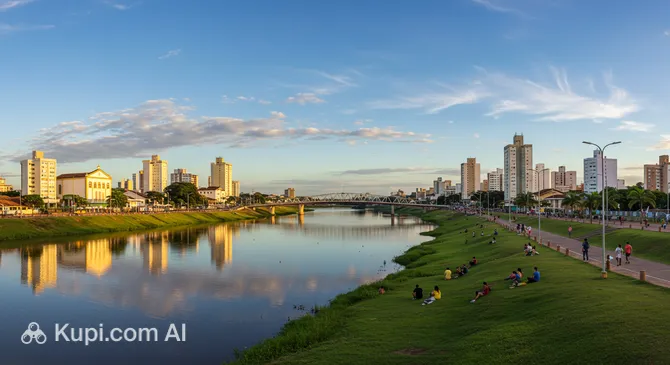
Itabuna. Illustration.
Source: Kupi.com AI

Geographically, the city is nestled in the Cachoeira River valley, just 250 kilometers from the state capital, Salvador. The history of the development of these lands is inextricably linked to the "golden era" of cocoa, when migrants flocked here in the early 20th century and the elite of the so-called "cocoa colonels" was formed. This legacy is reflected in the literature of the famous Brazilian writer Jorge Amado, whose works were often inspired by the atmosphere of this region.

Today, Itabuna attracts travelers not so much for classic beaches, but for its industrial rhythm and the opportunity to glimpse the authentic life of the Brazilian province. The central squares and commercial districts, which are the heart of local life, are well worth your attention. A visit to this city is an excellent addition to an itinerary through the state of Bahia for those who want to see the real Brazil beyond the tourist resorts.

Weather Overview

Itabuna is located in a tropical climate zone typical of the Atlantic coast of Brazil. Warmth and high humidity prevail here year-round, creating ideal conditions for growing cocoa. The average annual temperature in the city fluctuates between 24–26°C, so light summer clothing will be relevant at any time of the year. You can find out more about the current weather in Itabuna on the special forecast page.

The rainy season usually falls between November and March. During these months, the heat can intensify due to evaporation, and showers can be short but very intense. The highest temperatures are recorded in January and February, when the thermometer often rises to 29–30°C. Conversely, July and August are cooler months with average values around 21–22°C, making this period very comfortable for walking around the city.

Precipitation is distributed fairly evenly throughout the year, although the total amount is significant. The abundance of moisture and the proximity of the Cachoeira River form a unique microclimate that gives the region lush greenery. When planning your trip, be sure to take into account the city's humid climate and be prepared for sunny hours to suddenly give way to tropical rain.

Average monthly temperature

Average monthly precipitation

Interesting Facts

Get to know a few amazing facts about the city of cocoa and "black stones":

  • Mystery of the Name: The name "Itabuna" has indigenous roots. Translated from the Tupi language, it means "black stone" (itá — stone, una — black). This name was suggested by a local pharmacist, inspired by the features of the local terrain.

  • Era of the "Colonels": In the early 20th century, the city became the epicenter of a real cocoa boom. At that time, the region was ruled by influential planters known as "cocoa colonels," who completely controlled the local economy and politics.

  • Literary Fame: The life and daily routine of Itabuna and neighboring Ilhéus were described in detail in the works of the world-famous writer Jorge Amado. His novels made the history of this region part of the world's cultural heritage.

  • Demographic Paradox: Despite its status as a major commercial hub, 2022 census data showed a slight population decrease (by 0.75%) compared to the previous decade, which sets Itabuna apart from many growing Brazilian cities.

  • Double Celebration: The city was officially founded on July 15, 1910, but the main city holiday is considered to be July 28 — the day when administrative independence was finally consolidated.

How to Get There

Itabuna is a key transport hub in southern Bahia, making it easily accessible for travelers exploring Brazil. The city is conveniently located at the intersection of important highways connecting it to both the coast and the interior of the state. You can find more details about routes on the page describing how to get to Itabuna.

For those who prefer air travel, the main point of arrival is Itabuna Airport (IATA: ITN). It serves domestic flights, connecting the city with metropolises such as São Paulo, Rio de Janeiro, and Salvador. The flight from the state capital takes about an hour and a half, and from the airport to the city center, you can quickly reach your destination by taxi or bus in just 10–15 minutes.

AirportPassenger trafficDistance
Ilheus/Bahia-Jorge Amado Airport674 00027 km
Una46 83870 km
Itapetinga Airport118 km
Cairu (Lorenzo)7 000160 km
Vitoria da Conquista Airport447 550170 km

An alternative and very popular option is flying into the airport of the neighboring city of Ilhéus, which is only 35 kilometers away. There is a regular bus service between the cities, and the car trip will take from 30 to 45 minutes. If you are traveling from Salvador by bus, prepare for a journey of about 250 km along the BR-101 highway, which will take about 4–5 hours. It is worth considering that delays are possible on the roads during the rainy season, so it is better to plan trips during daylight hours.

Main Attractions

Although Itabuna is primarily a business and commercial hub, the curious tourist will find many interesting locations here reflecting the soul of the Bahia region. The main public space in the city is Cairu Square (Praça Cairu). It is the heart of urban activity, where locals gather to meet and walk, and the main retail outlets and banks are concentrated around the square. The atmosphere here allows you to feel the daily rhythm of life in a Brazilian municipality.

Another important point of attraction is the Cachoeira River, which flows through the entire city. Walking areas have been developed along its banks, serving as a place to rest from the city's bustle. Despite the dense construction of the center, the river gives the urban landscape a special aesthetic and serves as a reminder of the importance of waterways in the region's history, when cocoa was delivered to ports by water.

Fans of modern infrastructure and shopping should check out Itabuna Shopping. This is not just a mall, but a real entertainment hub featuring cinemas, restaurants, and numerous shops. For tourists, it is one of the most convenient places to spend an evening in a comfortable and safe environment, as well as to purchase goods from local brands.

The city's architectural heritage is represented by the old mansions of the "cocoa colonels". Although many of them are used today for offices or administrative purposes, a walk through the old quarters of the center allows you to see the remains of the former grandeur of the cocoa boom era. These buildings, with their massive facades and neoclassical elements, are silent witnesses to the times when Itabuna was one of the wealthiest cities in the state.

Local Cuisine

The gastronomy of Itabuna is a vibrant kaleidoscope of flavors characteristic of the state of Bahia, with a unique emphasis on its cocoa heritage. The main symbol of the city is certainly chocolate and cocoa products. Be sure to try local desserts like brigadeiro, or visit one of the small chocolate factories in the surrounding area to taste real artisanal chocolate with a high cocoa content.

The foundation of local cuisine consists of dishes that are impossible to imagine without African and Portuguese influences. In city center restaurants, it is worth ordering the famous moqueca de peixe — a thick fish stew cooked in coconut milk with the addition of dendê palm oil. Also very popular are feijoada (a hearty bean and meat dish) and acarajé — deep-fried bean dough balls filled with shrimp, often sold by street vendors.

As for drinks, Itabuna will delight you with an abundance of freshly squeezed juices from tropical fruits: mango, papaya, guava, and cupuaçu. For lovers of stronger drinks, local cachaça or craft beer will be offered. Most establishments are concentrated in the city center and in shopping center food courts, where you can find both traditional Bahian cuisine and familiar international fast food. The general character of the city's gastro scene is fresh regional products, generous portions, and moderate prices.

Travel Tips

Welcome to Itabuna! To make your trip to the "cocoa capital" as comfortable and safe as possible, we have prepared some useful tips from experienced travelers.

  1. Clothing and Essentials: Tropical warmth prevails in Itabuna year-round, so choose light clothing made of natural fabrics. Be sure to bring sunscreen and a reliable umbrella — rains here can be heavy and sudden. You will need comfortable closed-toe shoes for walking around the city.
  2. Safety: As in any large Brazilian city, follow basic precautions. Avoid walking in the outskirts alone and try not to display expensive gadgets or jewelry on the street. At night, it is better to move around by taxi.
  3. Transport: The most convenient way to get around is the Uber or 99 apps. This is safer and often cheaper than catching a car on the street. If you are planning a trip to neighboring Ilhéus, choose official intercity buses.
  4. Finances: The official currency is the Brazilian Real (BRL). Cards are accepted almost everywhere, even in small shops, but always carry some cash for markets and small purchases.
  5. Health: Drink only bottled water. Due to the humid climate, there are many insects here, so a quality repellent should always be at hand, especially in the evening.
  6. Communication: The main language is Portuguese. English is not widely spoken in the city, so download an offline translator and learn a few basic phrases. Local residents are very friendly and will appreciate your attempts to speak their language.
  7. Etiquette: In Bahia, it is customary to greet people politely and with a smile. When meeting locals, handshakes or light friendly hugs are the norm. Be prepared for a measured pace of life; they do not like rushing here.
  8. What to Avoid: You should not plan important matters in the middle of the day — due to the heat, many establishments may close for a break. Also, avoid night trips between cities on the BR-101 highway due to heavy truck traffic.

May your introduction to the real life of the state of Bahia be bright and leave only pleasant memories!

Entertainment & Nightlife

Entertainment in Itabuna is primarily geared towards local residents, which makes it authentic in its own way and free from tourist polish. Most activity after sunset is concentrated in the city center and around large shopping complexes. Here you can find cozy bars where live music plays in the evenings, with samba, pagode, and sertanejo styles being particularly popular.

If you are looking for a place for evening relaxation, pay attention to the karaoke bars and restaurants with open terraces. On weekends, improvised concerts and folk festivals are often held in the central streets and squares. A special flavor is given to the city by holidays such as City Day (July 28), when the streets are filled with music, dancing, and folklore performances characteristic of the state of Bahia.

Daytime entertainment in the city is mainly represented by cinemas in shopping centers, such as Itabuna Shopping, and small cultural centers. For those who want a wider variety of nightclubs and beach parties, locals often recommend a trip to neighboring Ilhéus, located just half an hour away. The nightlife there is more intense, attracting young people from across the region.

Regarding safety, tourists are advised to stick to well-lit central areas and use official taxi apps or Uber for travel at night. In general, evening Itabuna is a place for quiet gatherings with a glass of caipirinha in the company of friends or family, enjoying the warm tropical air.

Parks & Museums

The park culture in Itabuna reflects the character of a densely built-up industrial and commercial center. One of the best-known places for citizens to relax is Encounter Square (Praça do Encontro). It is a small but cozy green area where you can take a breather in the shade of the trees after shopping. City authorities try to maintain such islands of greenery, although their scale is small compared to large metropolises.

The embankment of the Cachoeira River is also frequently chosen for walks in the fresh air. Although it is not a park in the classic sense, the open spaces along the riverbed create a sense of space and allow you to enjoy the natural landscape right in the heart of the city. Along the river, you can see typical tropical vegetation that enlivens the urban landscape.

The city's museum scene is in the process of development and is mainly represented by small private collections or temporary exhibitions in cultural centers. The main focus here is not on classic museums, but on preserving the memory of the "cocoa civilization." Tourists interested in history and art are often recommended to visit the city's churches, which house elements of religious architecture and art characteristic of this region of Brazil.

Getting Around

The transport system of Itabuna is oriented towards providing links between residential areas and the busy commercial center. The main form of public transport here is buses, which run on fixed routes. The bus network is quite dense and covers most of the municipality, including the suburbs. However, tourists should remember that during rush hours (from 7 to 9 AM and from 5 to 7 PM), transport can be very crowded, and traffic jams form on the roads.

For more comfortable and faster movement around the city, which is about 20 kilometers in diameter, it is better to use taxi or Uber services. A trip between the main points of the city usually takes from 20 to 40 minutes depending on traffic. Pedestrian infrastructure is moderately developed: it is convenient to walk in the central part of the city, but high humidity and tropical heat can make long walks uncomfortable.

There are no metro or tram lines in the city, and intercity communication is carried out through the bus station, from where comfortable buses depart for Salvador, Ilhéus, and other cities in the state. From the airport to the city center, it is easiest to get there by specialized buses or taxis; the trip takes only about 15 minutes. Fares in city transport are paid in cash or with special travel cards that can be purchased at kiosks.

Accommodation

The hotel infrastructure in Itabuna is mainly geared towards business travelers and transit tourists, which dictates its characteristics. You are unlikely to find luxury five-star resorts here, but there is an excellent selection of mid-range hotels and cozy private guest houses called "pousadas."

The most convenient area to stay is the city center (Centro). Staying here puts you within walking distance of the main shopping centers, banks, and administrative institutions. Accommodation prices in the city are very reasonable: a budget room in a clean and tidy hotel can cost from 50 to 100 Brazilian reals per night. For those who prefer brand standards, hotels from well-known international brands, such as Best Western, are present in the region.

If you plan to stay in the city for a long period, consider renting apartments in modern residential quarters. This often turns out to be a more cost-effective and comfortable option. In any case, it is recommended to book accommodation in advance, especially if your trip coincides with major holidays or official dates, such as City Day at the end of July, when the demand for rooms increases sharply.

Nearby Cities

Itabuna serves as an excellent starting point for exploring the picturesque southern region of the state of Bahia. Just a few dozen kilometers from the city's busy shopping streets, completely different landscapes open up — from endless ocean beaches to shady cocoa plantations.

The most popular destination for a day trip is the coastal city of Ilhéus, located just 35 kilometers away. It is a true resort paradise with magnificent sandy beaches, rich history, and the Jorge Amado house-museum. For those interested in the region's agricultural heritage, it would be interesting to visit Ituacra or Itajuípe. These small towns allow you to see the authentic life of the Brazilian hinterland and get acquainted with the process of growing the famous cocoa.

CityPopulationDistance
Itajuipe21 75417 km
Buerarema19 28318 km
Itape10 22819 km
Urucuca21 84922 km
Ilheus180 21327 km

Also worth paying attention to are neighboring municipalities such as Buerarema, Itapé, and Uruçuca. Each of them has its own unique charm and offers guests the hospitality of small Bahian towns. Short trips around Itabuna will help you form a complete impression of the diversity of this amazing region.

Shopping & Souvenirs

Shopping in Itabuna is one of the main reasons residents of neighboring towns visit this municipality. Holding the status of the region's commercial center, the city offers a wide selection of goods, from fashionable clothes to farm products. The main shopping destination is Itabuna Shopping — a modern complex where dozens of shops of famous Brazilian and international brands, a food court, and entertainment areas are gathered under one roof.

For those seeking a more authentic experience, the Municipal Market (Mercado Municipal) is a must-visit. Real life is in full swing here: stalls are bursting with fresh tropical fruits, spices, and, of course, cocoa products. This is the best place to buy local chocolate, artisanal cachaça, or leather goods for which the state of Bahia is famous. Prices at the markets are significantly lower than in the tourist zones on the coast.

Typical souvenirs from Itabuna are traditionally related to cocoa. These can be chocolate gift sets, liqueurs, or even decorative crafts in the shape of cocoa pods. Most shops are open from 9:00 AM to 6:00 PM on weekdays, while shopping centers are open until late in the evening. Bank cards are widely accepted, but it is better to have some cash Reals for small purchases at markets.

Nearby cities

Reached the end of the page?

That means the route is fully explored