Support

Londrina Historical Museum

About

The Historical Museum of Londrina (Museu Histórico de Londrina Padre Carlos Weiss) invites you to immerse yourself in the past of one of the most colorful regions in the state of Paraná. This unique cultural space is located in a landmark spot for the city — the building of the former railway station, whose architecture is a valuable historical monument in its own right.
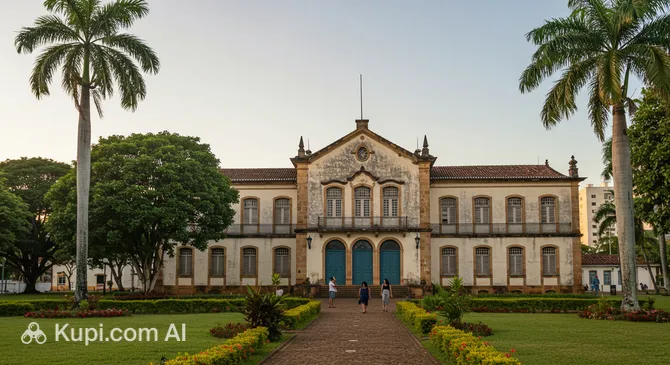
Londrina Historical Museum
Londrina Historical Museum. Иллюстрация. Источник: Kupi.com AI

The museum serves as the primary guardian of memory regarding the development of Londrina, as it transformed from a small settlement into a major industrial and agricultural hub. The exhibitions cover the period from the city's founding in 1934 and vividly demonstrate the journey taken by the first colonists and entrepreneurs in this part of Brazil.

Today, it is not just a repository of artifacts, but also an important scientific and research platform operating with the support of the State University of Londrina (UEL). A visit to the museum is an opportunity to see how closely the economic successes of the region are intertwined with the fates of people of various nationalities who built this city amidst endless coffee plantations.

Contacts

To clarify visit details or obtain information about special events, you can contact the museum administration directly. Since the institution is closely linked to the State University of Londrina (UEL), the staff are always ready to share academic knowledge about the region's history.

Below are the primary contact details for communication and navigation:

How to contactContact
AddressAntiga estação ferroviária - R. Benjamin Constant, 900 - Centro, Londrina - PR, 86010-350, Brazil
Phone+55 43 3371-1975
Websitewww.uel.br

What to Do

In the museum halls, a large-scale chronicle of the development of the northern lands of Paraná unfolds before visitors. The main emphasis is on the "coffee boom", which became the engine of the region's development. You will see unique tools, machinery, and personal belongings of the planters who once transformed these wild lands into a prosperous territory.

Special attention should be paid to the section dedicated to the multicultural heritage. It brings together documents, photographs, and household items of immigrants from all over the world. Studying these exhibits helps to understand how Japanese, German, and Italian traditions intertwined to form the modern identity of the local residents.

In addition to permanent exhibitions, the museum frequently hosts temporary displays and cultural programs. Visitors can learn about the history of urban infrastructure development, see what the first streets looked like, and discover the role of agriculture in the social life of the community. This place is ideal for those who want to feel the atmosphere of "old Brazil" and appreciate its rapid progress.

Getting There

Finding the Historical Museum of Londrina is easy, as it is located in the heart of the city. The former railway station building is one of the most recognizable architectural landmarks in the center, making it an excellent reference point for tourists.

If you are staying in the central districts, the museum is easily accessible on foot. For those coming from more distant areas, it is most convenient to use public transport — the city bus network is well-developed, and many routes pass in close proximity to the museum.

You can also always use taxi services or ride-sharing apps. The trip from major downtown hotels takes only a few minutes. For travelers with their own or rented cars, there are parking zones in the vicinity, though it is recommended to leave early on weekdays due to heavy traffic in the center.

Ближайший город: Londrina

History & Facts

The history of this place is inextricably linked to the development of the railway, which became a true "lifeblood" for the region. The museum building itself formerly served as the railway station (Antiga estação ferroviária), through which tons of valuable cargo once passed, ensuring the economic prosperity of the northern part of Paraná state.

The city of Londrina itself was officially founded on December 10, 1934. Its emergence was the result of a large-scale project by a British company that saw immense potential in the local lands. The city's name even contains a reference to London, highlighting its "British roots" on Brazilian soil.

A key factor in its success was the famous terra roxa — fertile red soil. It was this soil that allowed the region to become a world leader in coffee cultivation. The museum carefully preserves the memory of the "coffee rush," which attracted thousands of immigrants from Germany, Italy, Japan, and Portugal. This blend of cultures created the unique character of the city we see today.

Today, the station building no longer receives trains but continues to fulfill a vital mission, linking the past and present as a cultural center under the auspices of the State University of Londrina.

Time Needed

To explore all the halls at a leisurely pace and delve into the historical details, most visitors need about 1.5–2 hours. This time is sufficient to study the main documents, photographs, and antique household items presented in the exhibition.

If you are interested in architectural history or plan to study materials about the region's coffee industry in detail, you might want to set aside a bit more time. The museum has a cozy atmosphere that encourages thoughtful exploration of the exhibits without unnecessary haste.

Working Hours

Before planning your visit, be sure to check the current operating schedule on the museum's official website or contact the institution by phone. The Historical Museum is part of the university structure, so its schedule may change depending on the academic calendar or restoration work.

Please note that according to recent data, the site may be temporarily closed for visitors (CLOSED_TEMPORARILY). To ensure a successful visit, we recommend confirming the operational status directly before heading out so as not to miss the chance to see its magnificent collections.

Nearby

A visit to the museum is an excellent starting point for a deeper acquaintance with the city center. A stroll through the surrounding area will allow you to feel the rhythm of life in this modern Brazilian metropolis and see how historical heritage coexists with contemporary urban spaces.

Within walking or driving distance of the museum, you will find various public parks, themed aquariums, and entertainment centers that may be of interest to both adults and children.

NameDistance
Miejan Lamen Restaurant0.9 km
Boulevard Shopping Londrina1.3 km
Londrina Aquarium1.8 km
Zerão – Luigi Borghesi Recreation and Leisure Area1.9 km
Church of Our Lady of Silence2 km
Tomio's Bar2.1 km
Flavor & Air2.1 km

Reached the end of the page?

That means the route is fully explored