Support

Mato Grosso

About

Mato Grosso is a true gateway to the amazing world of Brazil's wildlife, a place where pristine beauty prevails over urban bustle, and the air is filled with solar warmth and the spirit of adventure. Located in the heart of the country, Mato Grosso sits at the unique crossroads of three majestic natural zones: the endless Cerrado savanna, the humid Amazon rainforests, and the famous Pantanal wetlands. This geographical position makes it an ideal starting point for explorers and ecotourism enthusiasts.

With a population of about 618,000 people, Mato Grosso is not just the administrative center of the state of the same name, but also the important cultural heart of the region. Here, ancient traditions of indigenous peoples, a rich colonial heritage, and modern rhythms of life are harmoniously interwoven. The city is famous for its hospitality, always warmly welcoming travelers eager for new discoveries and wishing to immerse themselves in an authentic atmosphere.
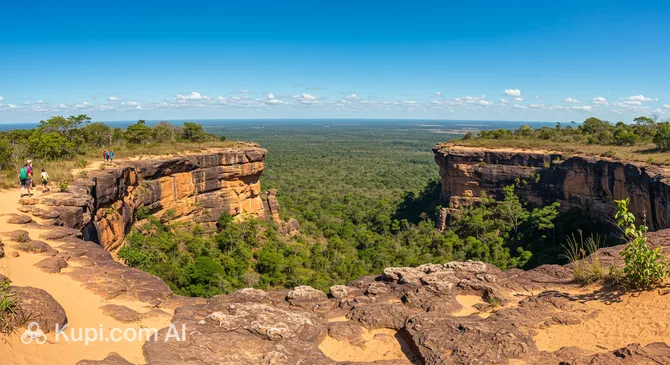
Mato Grosso. Illustration.
Source: Kupi.com AI

The special charm of Mato Grosso lies in its peaceful atmosphere and inseparable connection with nature. The city streets are literally buried in greenery, and just beyond its limits begin endless expanses beckoning for exploration. There is no noise and bustle of major tourist metropolises here, but there is a unique opportunity to feel like a pioneer by embarking on unforgettable excursions through the Pantanal – the largest wetland in the world, or exploring the breathtaking landscapes of Chapada dos Guimarães National Park with its waterfalls and canyons.

Mato Grosso is a city for those who appreciate authenticity, adore adventure, and strive to see Brazil as the locals know and love it. This is a place where everyone will find something for themselves: from colorful local markets and historical streets to secluded corners of wildlife and modern cultural spaces. Discover Mato Grosso – the heart of wild Brazil!

More interesting facts can be found on the history of Mato Grosso city page.

Weather Overview

The weather in Mato Grosso is characterized by consistently high temperatures throughout the year. The average monthly temperature ranges from 25.4°C in June to 29.0°C in September. Expect hot and humid weather in Mato Grosso with frequent rains between November and April, when rainfall amounts range from 4 to 10 mm per month, and the number of rainy days can reach 27 (for example, in December). From May to October, a drier season sets in, particularly pronounced from June to August when precipitation is virtually absent. During this period, daytime temperatures can rise to 32-35°C, especially in August (with maximum temperatures up to 34.2°C) and September (up to 35.4°C). Minimum night temperatures in the coolest months, such as July, are around 18.8°C, and in June around 19.6°C. For more detailed information, please visit the Mato Grosso Climate page.

Average monthly temperature

Average monthly precipitation

Interesting Facts

Beyond its well-known tourist routes, Mato Grosso hides many curious details and unique features that not all travelers know about.

  • Few realize that Mato Grosso is one of the hottest regions in Brazil. In the summer months, the thermometer can rise to an impressive 48 degrees Celsius! That is why the evening hours, when the heat subsides, are especially valued for walking and relaxation.

  • The city serves as a key starting point for traveling to the Pantanal — the largest wetland in the world. This is a true paradise for wildlife lovers, where you can see jaguars, caimans, and thousands of species of exotic birds in their natural habitat.

  • Not far from Mato Grosso lies the amazing Chapada dos Guimarães National Park. This place is famous not only for its picturesque canyons and refreshing waterfalls but also for ancient rock paintings (petroglyphs), and it is shrouded in many legends about hidden treasures and mysterious natural phenomena.

How to Get There

When planning a trip to Mato Grosso, one of the main ways to get here is by air. Although Mato Grosso itself (viewed as a regional center or a specific town) may not have its own major international airport, the nearest air harbors are located in other cities of the state or neighboring regions.

The key airport serving the northern part of the state of Mato Grosso, which may be convenient for travel, is Sinop Airport (OPS). This airport is located in the city of Sinop, at a distance of about 170 km from the nominal center of Mato Grosso. A trip from Sinop Airport to your final destination in Mato Grosso by car or bus will take approximately 4 – 4.5 hours. This airport is regional and primarily handles domestic flights.

For clarity, here is a summary of the available airport:

AirportPassenger trafficDistance
Sorriso Airport48 000138 km
Sinop Airport396 000170 km

There is currently no information about direct rail links to Mato Grosso. Travelers who prefer trains are advised to explore the possibility of reaching the nearest major cities with train stations and from there using bus services or taxis.

It is also always worth considering intercity buses, which are a popular way to move around Brazil, or renting a car for more flexibility on the road.

Main Attractions

One of the main jewels of the region is undoubtedly the Chapada dos Guimarães National Park. Located near the city of Mato Grosso, it attracts tourists with its breathtaking landscapes: reddish rock formations, numerous waterfalls, canyons, and caves. Here you can go trekking, bird watching, and simply enjoy the incredible nature. The "Bridal Veil" waterfall (Véu de Noiva) and the lookout point overlooking the plain are particularly popular.

For wildlife lovers, a trip to the Pantanal will be an unforgettable adventure. This is one of the largest wetlands in the world, with biodiversity that boggles the imagination. Excursions are organized from Mato Grosso, during which you can see capybaras, caimans, jaguars, and hundreds of species of birds in their natural habitat. The Pantanal offers unique opportunities for photo safaris and ecotourism, being a true paradise for naturalists.

The city of Mato Grosso itself also has much to offer the curious traveler. Its historic center has preserved the charm of the colonial era with its old churches, such as the Church of Our Lady of the Rosary and Saint Benedict (Igreja de Nossa Senhora do Rosário e São Benedito), and beautiful buildings with traditional architecture. A walk through the cobblestone streets will allow you to dive into the history and culture of the region, as well as visit local markets where you can buy handmade goods and try local delicacies.

If you are looking for a place to relax and walk in the fresh air right in the city, check out Mãe Bonifácia Park (Parque Mãe Bonifácia). This is a large and well-maintained urban park where locals and tourists love to spend time enjoying nature. There are shaded alleys, walking and cycling paths, outdoor exercise equipment, as well as picnic areas and playgrounds. The park is an excellent place for a morning jog or a quiet evening rest without going far beyond the limits of Mato Grosso.

Local Cuisine

The gastronomy of Mato Grosso is an amazing intertwining of the culinary traditions of indigenous peoples, Portuguese colonizers, and African cultures. It is a true kaleidoscope of flavors that offers travelers a unique gastronomic experience reflecting the rich natural and cultural heritage of this region of Brazil.

Among the dishes that you must try in Mato Grosso, peixe assado stands out – fresh fish caught in local rivers, baked to a golden crust and often served with a side of cassava and piquant sauces. Another iconic dish is arroz com pequi, fragrant rice with the addition of the local pequi fruit, which gives it a characteristic taste and bright color. These dishes are the true hallmark of local cuisine.

For those seeking more exotic flavors, Mato Grosso's cuisine offers delicacies such as dishes made from caiman or capybara meat. In the streets and local snack bars, fried pastries with various fillings (salgados) and sweet cornmeal cakes are also popular, serving as an excellent option for a quick and satisfying snack.

To quench your thirst, be sure to try the variety of exotic fruit drinks. Freshly squeezed juices, smoothies, and refreshing cocktails made from mango, passion fruit, guava, acai, and other tropical fruits are not only delicious but also rich in vitamins. They perfectly complement any meal and introduce you to the generosity of local nature.

You can get acquainted with the authentic cuisine of Mato Grosso both in restaurants and at lively local markets. Markets are the heart of gastronomic life, where it is always noisy, fun, and incredibly aromatic. Here you can not only try street food but also buy fresh fruits, vegetables, and local spices. Additionally, gastronomic festivals are often held in the region, where top chefs present their culinary masterpieces, inviting guests to discover new flavors.

The gastronomic scene of Mato Grosso is a bright and original phenomenon that can surprise even a sophisticated gourmet. Immersion in the world of local flavors will become an unforgettable part of your journey, allowing for a deeper understanding of the culture and traditions of this amazing corner of Brazil.

Travel Tips

Welcome to Mato Grosso! To make your journey to this amazing corner of Brazil as comfortable and memorable as possible, we have prepared some practical tips. They will help you better navigate and enjoy everything this region has to offer.

  1. Clothing and Essentials: The climate in Mato Grosso is hot and humid, especially from November to March during the rainy season. Choose light, breathable clothing made from natural fabrics. For nature excursions (for example, to the Pantanal or Chapada dos Guimarães), long-sleeved shirts and trousers are useful for protection against the sun and insects. Comfortable closed shoes, a hat, sunglasses, and high SPF sunscreen are essential. Don't forget repellent and a universal power adapter for electronics. There is no special dress code for religious sites, but modesty is appreciated.

  2. Transport: In large cities of the state of Mato Grosso, such as Cuiabá, the main form of public transport is buses. For greater convenience, you can use taxi services or ride-hailing apps (such as Uber or 99). Renting a car can be a good option if you plan to explore natural attractions outside the city, but be prepared for the specifics of local traffic.

  3. Finances: The local currency is the Brazilian real (BRL). You can exchange money at banks or exchange offices (casas de câmbio) in the cities. Credit and debit cards (especially Visa and Mastercard) are accepted in many places, but it's always useful to have some cash for small purchases. ATMs (caixas eletrônicos) are quite common. A rough daily budget can vary greatly, but aim for 150-300 reals excluding expensive excursions. Tips in restaurants are often already included in the bill (about 10% as "serviço"), and in taxis, it is at your discretion.

  4. Health and Safety: Pharmacies (farmácias or drogarias) are easy to find, and some operate 24 hours. It is recommended for tourists to have medical insurance covering international travel. Before traveling to Mato Grosso, consult a doctor regarding necessary vaccinations (for example, yellow fever). Observe general safety precautions: keep an eye on your belongings, avoid walking alone in poorly lit and deserted areas after dark, and do not display expensive jewelry or large sums of money.

  5. Communication: The official language is Portuguese. English is not very widely spoken, mostly in tourist areas and hotels. Learn a few basic phrases in Portuguese – this will greatly help in communicating with locals (for example, "Olá" - hello, "Obrigado/Obrigada" - thank you, "Por favor" - please). A local SIM card can be purchased at airports, mobile phone stores, or kiosks. Wi-Fi is available in most hotels, cafes, and some public places. Map apps and translators can be very helpful.

  6. Local Etiquette: Brazilians are known for their friendliness and openness. Greetings usually involve a handshake, and direct eye contact is valued. Don't hesitate to say hello ("Bom dia" – good morning, "Boa tarde" – good afternoon/evening, "Boa noite" – good night). Be patient, as the pace of life here can be more relaxed.

  7. What to Avoid: Try not to engage in arguments about political topics or football unless you are sure of the interlocutor's preferences. Do not photograph people without their permission, especially members of indigenous peoples if you are visiting their communities. When visiting nature parks, strictly follow the rules and do not leave trash.

  8. Additional Tip: Mato Grosso is the gateway to unique ecosystems like the Pantanal and part of the Amazon. Plan nature excursions in advance, especially during the high season. Be sure to try the local cuisine, especially freshwater fish dishes like pintado or pacu. And, of course, drink plenty of water to avoid dehydration in the hot climate.

We hope these tips make your stay in Mato Grosso pleasant and safe. Enjoy every moment of your journey through this incredible region of Brazil!

Entertainment & Nightlife

As evening falls, Mato Grosso, especially its large urban centers like the capital Cuiabá, transforms, offering many options for those seeking entertainment after a busy day. The dynamic nightlife here is capable of satisfying a wide range of tastes. The epicenter of evening events is often districts like Praça Popular, known for its concentration of trendy bars and restaurants, and the lively Goiabeiras quarter.

The core of nightlife in Mato Grosso consists of various establishments. Particularly popular are bars with live music (bares com música ao vivo), where you can hear both the energetic rhythms of sertanejo and samba, as well as other melodies popular in Brazil. Dance enthusiasts will find nightclubs (baladas or boates) offering DJ sets with Brazilian and international dance music. Traditional Brazilian drinking establishments – "botecos" – are equally in demand, where you can have a drink in a relaxed setting, as well as restaurant-bars that combine dinner with an evening program. Occasionally, you may also come across "casas de show" – venues for live concerts.

The atmosphere in Mato Grosso's establishments is predominantly friendly and laid-back. You can meet both locals and city guests, especially in popular tourist zones. The dress code in most bars and restaurants is usually smart casual, but some nightclubs may set stricter rules regarding appearance. Establishments generally start filling up after 9:00-10:00 PM and continue to operate until 2:00-3:00 AM, with the liveliest clubs going until morning, especially on Fridays and Saturdays.

To catch the peak of the fun, it is worth arriving at popular spots closer to midnight, especially on weekends. The price range is diverse: from budget bars to more respectable clubs and restaurants. For transportation at night, taxis or ride-hailing services are the most convenient. It is recommended to use official taxi services or verified apps, especially if you are not well-oriented in the city.

Regarding safety, as in any large city, reasonable caution should be exercised at night in Mato Grosso. Try to stick to well-lit and crowded streets, avoiding deserted and unfamiliar areas. Travel in a group if possible, and keep a close eye on your belongings. Calling a taxi through an app or with the help of establishment staff is a reliable option for returning to your hotel.

During the day, Mato Grosso also won't let you get bored. Guests can visit local museums to get to know the culture and history of the region more deeply, enjoy walks in picturesque city parks, or explore notable architectural structures. In addition, large cities in the state, such as Cuiabá, usually have theaters and cultural centers offering various programs and events.

Parks & Museums

Mato Grosso is not only a land of amazing nature but also a place where you can touch a rich culture and history. The state capital, Cuiabá, and its surroundings offer tourists a variety of parks for relaxation and informative museums.

Among the natural gems of the state, the Chapada dos Guimarães National Park, located near Cuiabá, stands out. This place is famous for its impressive sandstone rock formations, numerous waterfalls, mysterious caves, and breathtaking panoramic views. The park is ideal for hiking, bird watching, and enjoying the beauty of wild nature. Tourists are attracted by the opportunity to explore unique geological formations and freshen up in natural pools at the foot of waterfalls.

If you are looking for a green area within the city, Cuiabá is home to Mãe Bonifácia Park. It is a popular spot for city dwellers to relax, offering well-maintained paths for walking and running, playgrounds for children, and extensive shaded areas to escape the heat. Capuchin monkeys and other representatives of local fauna are often seen here. Speaking of Mato Grosso's nature, one cannot fail to mention the Pantanal – the world's largest wetland, part of which stretches across the state. It is a unique ecosystem with incredible biodiversity that attracts naturalists from all over the world.

To learn about the history of the region, head to the Mato Grosso History Museum in Cuiabá. Its exhibition covers the period from the life of indigenous peoples to the present day, telling the story of the colonial era, the gold rush, and the key stages of the state's development. The museum halls display artifacts, documents, photographs, and household items from past centuries.

Connoisseurs of religious art will find the Mato Grosso Museum of Sacred Art interesting, located in one of Cuiabá's oldest churches – Nossa Senhora do Bom Despacho. The museum's collection includes valuable sculptures, paintings, and church items from the 17th-20th centuries, reflecting the region's spiritual heritage.

The modern cultural life of Cuiabá is brightly represented in the SESC Arsenal cultural center. This multifunctional space, housed in a restored building of a former military arsenal, regularly hosts contemporary art exhibitions, film screenings, theatrical productions, and music concerts. It is a great place to feel the creative energy of the city.

While walking through Cuiabá, be sure to explore its historic center, where colonial-era buildings have been preserved. Narrow streets, old houses, and churches, such as the Cathedral Basilica of the Lord Good Jesus (Catedral Basílica do Senhor Bom Jesus de Cuiabá), create a unique atmosphere and transport you to the past.

For an authentic experience and to try local delicacies, stop by the Mercado do Porto market in Cuiabá. Here you can buy fresh fruits, regional products, handmade crafts, and simply observe the daily life of the city's residents. It is also a wonderful opportunity to try local cuisine in one of the small restaurants on the market territory.

Getting Around

Buses form the core of the public transport system in Cuiabá, the capital of the state of Mato Grosso. They cover most areas of the city, offering an extensive network of routes. For the convenience of paying fares, a local transport card known as Cartão TEM is used. In addition to buses, minibuses known as "vans" or "lotação" (a local name for fixed-route taxis) are also common in the city. They often run on similar routes to buses, offering a faster, though sometimes less comfortable trip due to higher occupancy.

The most convenient way to pay for bus fares in Cuiabá is with the Cartão TEM, which can be purchased and topped up at special kiosks at bus terminals or authorized sales points. Although in some cases cash payment directly to the driver is possible, using a card is usually more advantageous and convenient. The cost of a single trip is typically a few Brazilian reals. Boarding buses is through the front door, where payment or card validation occurs. Buses run from early morning until late evening, however, schedules and frequency can vary depending on the route and the day of the week. Route and schedule information can be checked at stops or via online services and apps, if available.

It is important to note that Cuiabá lacks public transport modes such as metro or trams. A light rail transit project (VLT Cuiabá-Várzea Grande) was initiated but faced significant delays and is currently suspended, with the system not functioning. As an alternative to public transport, taxi services and ride-hailing apps (e.g., Uber or 99) are widely available. Bicycle rental may be available in some tourist zones or parks, offering a pleasant way for short excursions. Car sharing has not yet gained wide distribution in Cuiabá, so for greater freedom of movement, renting a car may be considered.

Accommodation

When planning a trip to Mato Grosso, you will find a variety of accommodation options capable of satisfying different preferences and budgets. The city offers everything from economical hostels and guest houses, ideal for backpackers and young travelers, to comfortable mid-range hotels offering a good balance of price and quality. For those seeking a more luxurious stay, there are high-end hotels and resorts with a full range of services. Additionally, renting apartments and houses is popular, which can be a convenient option for families or long-term stays.

When choosing a place to stay in Mato Grosso, it's worth paying attention to areas that provide convenient access to major attractions, business centers, or transport hubs, depending on the purpose of your trip. Central districts usually offer more options and amenities, but cozy accommodation can also be found in quieter neighborhoods. Although specific famous hotels are not listed in the provided information, Mato Grosso features a wide selection of hotels across various categories, easily found on popular online booking platforms.

Regarding prices, they range from budget to premium, allowing you to find an option for any wallet. It is recommended to book accommodation in advance, especially if your trip coincides with the peak tourist season or during major events – this will help ensure the best choice and more favorable prices. The most common booking methods are international and local online platforms, as well as contacting hotels directly. By comparing offers on various resources, you can find the optimal option for your comfortable stay in Mato Grosso.

Nearby Cities

For those who want to explore the surroundings, Mato Grosso serves as an excellent starting point for day trips to several interesting nearby places:

CityPopulationDistance
Suia Missu88 km
Lucas do Rio Verde59 436118 km
Sorriso82 792131 km
Porto dos Gaúchos13 000138 km
Juara7 433170 km

These nearby destinations provide insight into the diverse culture and landscapes of the region, complementing the experience of visiting Mato Grosso.

Shopping & Souvenirs

Shopping in Cuiabá, the capital of the state of Mato Grosso, offers tourists both modern shopping centers and colorful local markets where unique goods can be found. The city of Cuiabá and the state of Mato Grosso as a whole are famous for handmade products reflecting the culture of indigenous peoples, as well as products associated with the rich nature of this corner of Brazil. Here you can purchase both everyday items and special souvenirs to remember your trip.

The main shopping areas in Cuiabá are generally concentrated in central districts and on main avenues. Here you will find many shops of various kinds – from clothing and footwear to electronics and household goods. A walk along such streets will allow you not only to make purchases but also to feel the rhythm of local life.

Cuiabá, as the capital and an important urban center of the state of Mato Grosso, has modern shopping centers just like other major cities in the region. They offer a wide range of stores from famous Brazilian and international brands, food courts with diverse cuisine, cinemas, and other entertainment. These malls are convenient places for shopping, especially in hot weather, thanks to air conditioning and the ability to spend several hours there.

For a more authentic experience, it is worth visiting local markets. In Cuiabá, you can find both food markets selling fresh fruit, vegetables, meat, and fish, as well as craft fairs. These markets often sell unique handmade items, local delicacies, and souvenirs directly from the producers. This is a great opportunity to get to know the local culture and buy something truly special.

As souvenirs from Cuiabá and the state of Mato Grosso, you should look out for: indigenous products (ceramics, woven baskets, jewelry made from seeds and feathers), items made from natural materials of the region (for example, cosmetics based on Amazonian plant oils), hammocks, leather goods, as well as local coffee and cachaça. Souvenirs depicting local flora and fauna, such as jaguars or capybaras, are also popular.

Most shops in Cuiabá operate from Monday to Friday roughly from 9:00 AM to 6:00 PM or 7:00 PM, and on Saturdays until noon or mid-afternoon. Shopping centers are usually open longer, including evenings and weekends, often until 10:00 PM. Both cash (Brazilian reals, BRL) and bank cards (Visa and Mastercard are most common) are accepted for payment. Recently, the PIX instant payment system has become very popular in Brazil. At markets and small shops, it is preferable to have cash on hand.

The possibility of a tax refund (Tax Free) for tourists in Brazil exists, but the system may not be as widespread or easy to use as in some other countries. Usually, this applies to goods purchased in stores participating in the program. It is recommended to clarify Tax Free information directly in major stores and keep all receipts for presentation at customs when leaving the country.

Nearby cities

Reached the end of the page?

That means the route is fully explored