Support

Sinop

About

Welcome to Sinop, a dynamic and rapidly growing city located in the state of Mato Grosso. Often referred to as the "Capital of the North," this planned municipality offers a unique blend of urban organization and natural beauty. Situated in the vast central-west region of Brazil, Sinop serves as an important economic hub while maintaining a welcoming atmosphere for travelers exploring the country's interior.

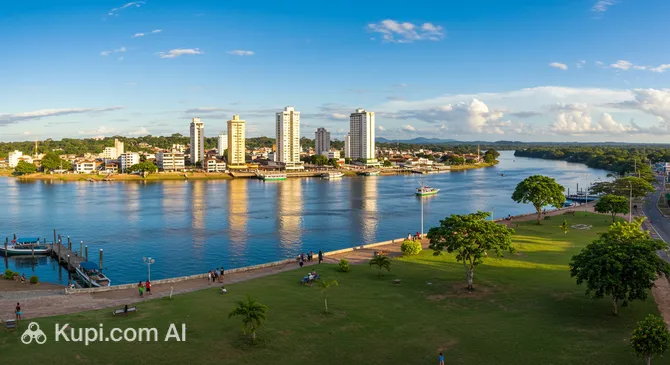
Sinop. Source: Kupi.Binoculars

The city is home to a population of approximately 133,000 residents and sits geographically in a fascinating transition zone between the Cerrado and the Amazon rainforest. This location blesses the area with rich biodiversity and a warm, tropical climate. Although it is a relatively young city, the history of Sinop is a compelling tale of ambitious colonization projects and urban planning that transformed the region into a thriving agricultural center in just a few decades.

Visitors will find several engaging attractions that highlight the local lifestyle and environment. Nature enthusiasts should not miss the Parque Florestal de Sinop, a preserved green sanctuary right within the city that offers peaceful trails and a chance to observe local flora and fauna. Additionally, the majestic Teles Pires River is a major draw, providing excellent opportunities for sport fishing, boating, and relaxing on river beaches. Whether you are interested in agribusiness tourism or outdoor adventures, Sinop invites you to discover its modern charm and the lush landscapes that surround it.

Weather Overview

Sinop features a tropical climate defined by consistent warmth and two very distinct seasons: a humid rainy period and a prolonged dry spell. The city enjoys high temperatures throughout the year, with monthly averages generally hovering between 25°C and 29°C. For a more detailed breakdown of what to expect during your specific travel dates, you can check the weather in Sinop to help plan your itinerary.

The precipitation patterns vary significantly depending on the month. From November through March, the region experiences its rainy season, with January and March seeing rain on up to 27 days per month. Conversely, the "winter" months of June, July, and August are extremely dry, often recording zero wet days. September is typically the hottest month, with average maximum temperatures climbing to 35.6°C. Overall, expect warm, tropical heat year-round, accompanied by frequent showers in the summer and clear, dry skies during the middle of the year.

Interesting Facts

Beyond its reputation as a booming agricultural hub, Sinop holds several fascinating details that often surprise visitors. From its unique name to its staggering industrial records, the city offers a glimpse into the rapid development of the Brazilian interior.

  • A Name with a Hidden Meaning: Unlike most cities named after historical figures or saints, "Sinop" is actually an acronym. It stands for Sociedade Imobiliária Noroeste do Paraná (Northwestern Paraná Real Estate Society), the colonization company founded by Enio Pipino that was responsible for planning and establishing the city in 1974.

  • The "Floating" Population: While the official population is around 133,000, the city functions as a service hub for a much larger area. It is estimated that Sinop serves a "floating population" of over 600,000 people from more than 30 surrounding municipalities who travel there for commerce, advanced medical care, and university education.

  • Global Industrial Record: The city is home to one of the largest corn-based ethanol biorefineries in the world. This massive industrial facility highlights the region's pivotal role in transforming Brazil into a global leader in renewable bioenergy and sustainable agribusiness.

  • The "Brasília" of the North: Sinop is a fully planned city, designed with a grid layout and wide avenues before a single building was constructed. Its creation was so rapid and organized—transforming from a remote tract of land to a bustling urban center in just a few decades—that its development speed is often compared to the construction of the country's capital.

How to Get There

Reaching this rapidly developing city is quite convenient, primarily due to its well-connected regional airport. As a major hub in northern Mato Grosso, the city is accessible by air from several larger Brazilian capitals, often with connecting flights. For a comprehensive guide on all transport options and routes, you can read more about how to get to Sinop.

The most direct way to arrive is via Sinop Airport (IATA: OPS), which is conveniently located within the municipality itself. Situated just 8.9 km from the city center, the airport offers quick access to downtown hotels and businesses. A transfer by taxi or bus typically takes around 35 minutes. With an annual passenger traffic of approximately 396,000, it functions as a busy regional gateway, handling regular flights from major hubs. You can find specific details about Sinop Airport to help streamline your arrival.

Another option for travelers exploring the wider region is Alta Floresta Airport (IATA: AFL). It is important to note that this airport is not in Sinop but in the city of Alta Floresta, located about 229 km away. Due to the significant distance, a ground transfer from there to Sinop would take approximately 6 hours. While less convenient for a direct visit, it serves as an alternative entry point for the northern part of the state. More information can be found on the page for Alta Floresta Airport.

For clarity, here is a summary of the main airports:

Airport Name City Passenger Traffic Km from City
Sinop AirportSinopMedium8.9
Alta Floresta AirportAlta FlorestaSmall229.4

Main Attractions

While Sinop is often recognized for its agricultural prowess, the city offers several captivating attractions that blend urban development with the natural beauty of the Amazonian transition zone. Visitors can explore green sanctuaries, historical landmarks, and leisure spots that reflect the local culture and lifestyle.

One of the most popular places for nature lovers is the Parque Florestal de Sinop. Located right in the heart of the city, this preserved area serves as a lush, green refuge where you can experience the native flora and fauna of the region. The park features walking trails, a large lake, and dense vegetation that provides a cool escape from the heat. It is an excellent spot for families to enjoy a peaceful afternoon, observe local wildlife, and reconnect with nature without leaving the urban center.

For those interested in architecture and local art, the Catedral Sagrado Coração de Jesus is a must-visit landmark. Situated in the city center, this cathedral stands out with its modern architectural design and beautiful landscaping. Inside, visitors can admire impressive artistic murals created by the renowned local artist Mari Bueno, which depict religious themes integrated with regional elements. The surrounding square is also a pleasant place for a walk, especially in the evening when the structure is illuminated.

To understand the unique origins of this planned city, a visit to the Museu Histórico de Sinop is highly recommended. The museum houses a fascinating collection of photographs, documents, and artifacts that tell the story of the city's colonization in the 1970s. Exhibits showcase the challenges and triumphs of the pioneers who transformed a remote area of the Amazon into a thriving municipality. It offers a deep dive into the identity of the local people and the rapid development of northern Mato Grosso.

If you are looking for outdoor leisure and a refreshing dip, the Praia do Cortado is a favorite local getaway. Located about 20 kilometers from the city center on the banks of the Teles Pires River, this freshwater beach becomes a vibrant hub during the dry season. With its sandy shores and calm waters, it is the perfect setting for swimming, sunbathing, and watching spectacular sunsets over the river, attracting both residents and tourists seeking relaxation.

Local Cuisine

The culinary scene in Sinop is a delicious reflection of its geographical location and its history of colonization. Situated in the transition zone between the Cerrado and the Amazon, and populated largely by migrants from southern Brazil, the city offers a robust mix of flavors. The local gastronomy is heavily influenced by the abundance of fresh ingredients from the surrounding agribusiness sector and the rich variety of freshwater fish from the Teles Pires River.

River fish is undoubtedly the star of the local menu. A must-try dish is the Ventrecha de Pacu, which consists of deep-fried ribs of the Pacu fish. It is typically served crispy on the outside and tender on the inside, often accompanied by pirão (a fish broth thickened with cassava flour) and rice. Another regional favorite is Mojica de Pintado, a hearty stew made with Pintado fish cut into cubes and cooked with cassava, creating a creamy and comforting meal that perfectly represents the Mato Grosso tradition.

Due to the strong influence of settlers from southern Brazil (Gaúchos) and the region's status as a major livestock producer, red meat also plays a central role. Churrasco (Brazilian barbecue) is taken very seriously here, with high-quality cuts of beef grilled to perfection in numerous steakhouses across the city. For a more rustic local flavor, try Maria Isabel, a simple yet flavorful dish of rice cooked together with sun-dried meat (carne de sol), often seasoned with garlic and onions.

When it comes to drinks, the local culture is defined by Tereré. This is an infusion of yerba mate prepared with ice-cold water, often flavored with lemon or mint. It is more than just a beverage; it is a social ritual, commonly shared among friends and families in parks or front porches to beat the tropical heat. For those seeking non-alcoholic refreshments, the region's exotic fruits yield delicious fresh juices, such as cupuaçu and caju.

Dining in Sinop is a social affair, with a variety of venues ranging from sophisticated eateries to casual spots. Tourists should definitely visit a traditional Peixaria (fish restaurant) to experience the best of the river's bounty. The city also has a vibrant night scene with food trucks and open-air squares where you can sample street food snacks like pastel and skewer meats (espetinhos), enjoying the warm evenings alongside the locals.

Travel Tips

Traveling to the "Capital of the North" is an exciting adventure, but a little preparation goes a long way in ensuring a smooth trip. Here are some practical tips to help you navigate Sinop comfortably and make the most of your time in this vibrant part of Mato Grosso.

  1. Clothing and Gear: Due to the tropical heat, lightweight and breathable fabrics like cotton or linen are essential. Pack comfortable walking shoes and sandals. If you are visiting between November and March, a sturdy umbrella or raincoat is a must for the frequent showers. Don't forget a hat, sunglasses, and high-SPF sunscreen, as the sun can be very intense.

  2. Transportation: The most convenient way to get around the city is by using ride-hailing apps like Uber or 99, which are reliable and affordable. While there is a public bus system, routes can be confusing for visitors. If you plan to explore the surrounding river beaches or parks, renting a car is highly recommended for the freedom it provides.

  3. Finances: The local currency is the Brazilian Real (BRL). Credit and debit cards are widely accepted in hotels, restaurants, and supermarkets. However, it is wise to carry some cash for small street vendors or if you visit more remote recreational areas. ATMs are available throughout the city, usually closing at 10:00 PM for security reasons.

  4. Health and Safety: Sinop is generally safe, but standard precautions apply; avoid walking in poorly lit areas late at night. Pharmacies are plentiful, and some major chains operate 24/7. Since the city is near the Amazon transition zone, carry insect repellent to protect against mosquitoes, especially during dawn and dusk.

  5. Communication: Portuguese is the primary language, and English is not widely spoken outside of major hotels. It is highly advisable to download a translation app and offline maps before you arrive. Buying a local SIM card (from carriers like Vivo or Claro) is easy and ensures you stay connected, as WhatsApp is the main method of communication for businesses and locals.

  6. Local Etiquette: People in Sinop are known for their hospitality, influenced by southern Brazilian culture. Greetings often involve a firm handshake or a kiss on the cheek. If you are invited to share a Tereré (cold mate tea), accept it graciously; this is a significant social ritual and a sign of friendship in the region.

  7. What to Avoid: Never drink tap water; always opt for filtered or bottled mineral water to avoid stomach issues. Also, avoid underestimating the midday heat—try to schedule strenuous outdoor activities for the early morning or late afternoon to prevent heat exhaustion.

  8. Business Hours: Be aware that unlike in some major metropolises, smaller shops and businesses in Sinop may close around noon for a lunch break and often have reduced hours on Saturday afternoons. Sundays are typically very quiet, with most retail stores closed, so plan your shopping accordingly.

By keeping these tips in mind, you will be well-equipped to enjoy the warmth and energy of Sinop. Embrace the local rhythm, stay hydrated, and get ready to experience the unique charm of the Brazilian interior!

Entertainment & Nightlife

As the sun sets over Mato Grosso, Sinop transforms from a busy business hub into a vibrant center of entertainment. The city's nightlife is fueled by a young, energetic population, including many university students and professionals from the agribusiness sector. The atmosphere is typically warm and welcoming, with most locals preferring to sit at open-air tables to enjoy the tropical evening breeze while sipping on ice-cold drinks.

The heart of the action can often be found along Avenida das Figueiras and Avenida Júlio Campos. These main thoroughfares are lined with bars, restaurants, and pubs that cater to various tastes. The dress code is generally smart-casual; given the heat, comfortable but stylish attire is the norm. Nightlife here tends to start a bit later, with bars filling up around 8:00 PM and clubs getting busy after midnight.

For those looking to experience the local social scene, Ditado Popular is a standout venue. Located on Avenida das Figueiras, it combines the vibe of a happy hour bar with a lively nightspot, often featuring live music ranging from Brazilian country (sertanejo) to pop rock. It is a favorite among the "gente bonita" (beautiful people) of Sinop and offers a great menu of snacks and drinks. Another excellent option for beer enthusiasts is Cervejaria Severa, a local brewery that offers a more relaxed environment where you can taste high-quality craft beers produced right in the region.

If you prefer a more traditional and laid-back setting, Bar do Cido is a well-known spot among locals. It is perfect for a casual evening of conversation, cold beer, and classic bar food without the intensity of a nightclub. For those who want to dance until dawn, the city also hosts several event venues like Casa de Shows Vibe, which frequently organizes themed parties and concerts.

When it comes to daytime entertainment, the options are more focused on leisure and culture. Shopping Sinop is the main commercial center, housing a modern cinema complex where you can catch the latest international and Brazilian movies. It also serves as a cool refuge from the midday sun. For a quiet afternoon, the city's museums and the previously mentioned parks offer a peaceful break before the night begins.

Safety and Practical Tips: Sinop is generally safer than Brazil's large metropolitan capitals, but it is still important to stay vigilant. Avoid walking alone in dimly lit areas or on the outskirts of the city late at night. The best way to get around after dark is by using ride-hailing apps like Uber or 99, which are widely available and affordable. Prices for food and drinks are reasonable compared to major cities, making a night out both fun and budget-friendly.

Parks & Museums

As a planned city carved out of the Amazonian transition zone, Sinop was designed with a harmonious balance between urban infrastructure and nature. The city offers residents and visitors a selection of refreshing green spaces that serve as sanctuaries for local wildlife and leisure spots for the community. While the cultural scene is still developing alongside the city's rapid growth, there are key venues dedicated to preserving the memory of its colonization and showcasing regional artistic expression.

The crown jewel of the city's green areas is the Parque Florestal de Sinop. Covering over 40 hectares in the heart of the urban grid, this environmental preservation unit is affectionately known as the city's "green lung." It offers a pristine glimpse into the native vegetation of the Amazon-Cerrado transition. Visitors can explore paved walking trails that wind through towering trees, providing a cool respite from the tropical heat. It is a fantastic spot for wildlife observation; lucky walkers often spot capuchin monkeys, agoutis, and a wide variety of colorful birds in their natural habitat.

For a different kind of natural experience, the Jardim Botânico da UFMT (Federal University of Mato Grosso) is a site of scientific and ecological importance. Although primarily a research center, its preserved areas contribute significantly to the city's biodiversity. Another vital outdoor space is Praça Plinio Callegaro, a central square that functions as a community hub. With its well-maintained gardens, playgrounds, and frequent open-air events, it represents the social side of Sinop's park culture, where families gather to enjoy the late afternoon breeze.

In terms of cultural heritage, the Museu Histórico de Sinop is the definitive stop for history buffs. The museum is dedicated to telling the incredible saga of the city's founding in the 1970s. Through a collection of black-and-white photographs, original maps, and rustic tools used by the first pioneers ("desbravadores"), the exhibits illustrate the immense challenges of building a city from scratch in the middle of the rainforest. It provides a moving narrative about the resilience and vision of the early settlers.

While Sinop may not have extensive traditional art galleries, the Catedral Sagrado Coração de Jesus serves as a magnificent venue for religious art. The cathedral is renowned for its interior, which features vast murals and frescoes painted by the celebrated local artist Mari Bueno. Her work blends sacred iconography with regional motifs, such as local flora and indigenous features, effectively turning the church into a gallery of Mato Grosso's unique cultural identity.

Insider Tip: If you are visiting the Parque Florestal, try to go early in the morning, around 7:00 AM. Not only is the temperature much more pleasant, but the local wildlife is also far more active. It is the best time to see the resident monkeys descending from the canopy near the lake.

Getting Around

The public transport system in Sinop is relatively simple and straightforward, primarily relying on a municipal bus network. As a planned city with a medium-sized population, there are no complex transit options like subways, trams, or trains. The bus lines are designed to connect the outlying residential neighborhoods (bairros) with the central commercial district and key institutions such as universities and hospitals. While the system serves the local workforce well, the frequency of service can be lower than what travelers might be used to in larger metropolitan areas.

Regarding payment, the system is quite traditional. For short-term visitors, the most common method is paying the fare in cash directly to the driver or a conductor upon boarding. While electronic transport cards exist for daily commuters and students, they are not typically necessary for a tourist staying for a few days. It is highly recommended to carry small bills and coins, as breaking large notes on the bus can sometimes be difficult. The fare prices are affordable and standard for the region.

For most tourists, the most practical and comfortable alternative to buses is the use of ride-hailing apps. Services like Uber and 99 are extremely popular, safe, and widely available throughout the city. They offer the significant advantage of air-conditioned vehicles—a near-necessity in the local tropical heat—and are generally very cost-effective. Traditional taxis are also available and can be found at designated stands (pontos de táxi), particularly near the bus station, the airport, and major squares, though they tend to be pricier than the apps.

Another excellent option for getting around is renting a car. Sinop was designed with wide avenues and a logical grid layout, making it very easy to navigate for drivers. Traffic is generally light compared to big capitals, and having your own vehicle provides the freedom to explore distant attractions, such as the river beaches, at your own pace. While the city's flat terrain is theoretically perfect for cycling, the intense daytime sun often makes bike rentals less popular for commuting, though they can be enjoyable for leisure in the cooler early mornings.

If you decide to rely on public buses, keep in mind that operations usually run from early morning (around 6:00 AM) until late evening, but service is significantly reduced on Sundays and holidays. Bus stops may not always have detailed timetables posted, so it is often helpful to ask locals for the best route or use navigation apps to check the nearest stops. For evening outings to restaurants or bars, sticking to ride-sharing apps or taxis is definitely the most convenient choice.

Accommodation

Accommodation in Sinop is designed primarily to serve the needs of business travelers and visitors connected to the region's booming agribusiness sector. As a result, the city offers a solid selection of modern, functional hotels that prioritize comfort and practicality. Visitors will not typically find sprawling luxury resorts here; instead, the hospitality landscape is dominated by mid-range business hotels, flat-service apartments, and reliable budget options that ensure a restful stay.

For the most convenient experience, travelers are advised to look for accommodation in the city center, particularly near major thoroughfares like Avenida das Figueiras and Avenida Júlio Campos. Staying in this central area places you within walking distance of the city's best dining, nightlife, and shopping options, reducing the need for long commutes. This location is also advantageous for accessing local commercial offices and banks, making it the preferred choice for most visitors.

While the city generally offers good availability, it is important to note that Sinop hosts several major agricultural fairs and corporate events throughout the year. During these peak times, occupancy rates can skyrocket, and rooms may sell out weeks in advance. A helpful booking tip is to check the local event calendar and secure your reservation well ahead of time if your trip coincides with these busy periods to avoid limited choices and higher rates.

In terms of cost, accommodation in Sinop is generally affordable compared to Brazil's larger state capitals. The price range typically falls into the budget to mid-range category, offering excellent value for money. Most establishments offer essential amenities such as air conditioning—a must in the tropical heat—Wi-Fi, and breakfast. Booking can be easily managed through major online travel platforms, though contacting hotels directly can sometimes yield better corporate rates for longer stays.

Nearby Cities

For those looking to explore the surroundings, Sinop serves as an excellent base for day trips to several interesting nearby locations. The region is characterized by its booming agricultural landscape and planned cities that offer a glimpse into the rapid development of the Brazilian interior.

One of the closest and most prominent neighbors is Sorriso, located just about an hour's drive away. Known as the "National Capital of Agribusiness," it is a fascinating destination for those interested in seeing large-scale modern farming and the economic engine of the state. Beyond business, the city offers well-maintained public spaces like the Rota do Sol Park, which is great for a relaxing afternoon walk.

Another worthwhile destination for a short visit is Lucas do Rio Verde. This planned city is renowned for its high quality of life and organized urban structure. Visitors can explore the Parque dos Buritis, a beautiful ecological reserve right in the city center that preserves the native Cerrado vegetation and water springs. It is an ideal spot to witness how urban development can coexist with environmental preservation.

City Population Distance (km)
Mato Grosso 618124 179
Tangara da Serra 117000 374
Sorriso 82792 80
Lucas do Rio Verde 59436 142
Alta Floresta 50189 228

These nearby destinations offer a glimpse into the diverse culture and landscapes of the region, ranging from agricultural powerhouses to eco-tourism hubs further north.

Shopping & Souvenirs

Shopping in Sinop reflects its status as a major commercial hub for northern Mato Grosso. As a city that serves not only its residents but also a large floating population from surrounding municipalities, it offers a surprisingly robust retail environment. Visitors can find everything from well-known national fashion brands and electronics to local boutiques and traditional markets. The shopping scene here is a mix of modern convenience and the laid-back, welcoming atmosphere typical of the Brazilian interior.

The primary destination for street shopping is the bustling Avenida Júlio Campos. This wide, central avenue acts as the commercial spine of the city, lined with a diverse array of stores. Here, tourists can browse through clothing shops, shoe stores, and variety stores offering affordable goods. It is a lively area where you can experience the daily rhythm of the city. For a slightly more upscale experience, Avenida das Figueiras offers a selection of boutiques and specialty shops, often interspersed with cafes and restaurants, making it a pleasant place for a stroll and some window shopping.

For a modern, climate-controlled shopping experience, Shopping Sinop is the go-to location. As the main mall in the region, it houses a comprehensive mix of retail outlets, including major department stores, sporting goods shops, and international franchises. Beyond shopping, it serves as a leisure center with a food court and cinema, providing a perfect escape from the midday heat. It is a convenient one-stop destination for travelers needing to pick up travel essentials or looking for familiar brands.

To get a taste of local flavor, visiting a traditional market is highly recommended. The Feira do Produtor (Producer's Market) is a vibrant spot where local farmers sell fresh produce, artisanal cheeses, and homemade sweets. It is an excellent place to observe the region's agricultural richness up close. You can find fresh tropical fruits, cured meats, and traditional snacks that define the Mato Grosso palate.

When it comes to souvenirs, the best items to bring back from Sinop are often connected to the region's strong agricultural and cattle-ranching culture. Leather goods, such as belts, wallets, and boots, are typically of high quality and widely available. Additionally, regional food products make for great gifts; look for jars of locally produced honey, artisanal doce de leite, or bottles of cachaça. Handicrafts made by local artisans, often using natural materials from the transition zone forest, can also be found in smaller shops and markets.

Store opening hours in Sinop generally follow the standard Brazilian pattern. Street shops typically open from 8:00 AM to 6:00 PM on weekdays, and from 8:00 AM to 12:00 PM on Saturdays. Most high-street businesses remain closed on Sundays. However, Shopping Sinop operates with extended hours, usually open from 10:00 AM to 10:00 PM from Monday to Saturday, and with reduced hours for stores on Sundays (often 2:00 PM to 8:00 PM), though the food court opens earlier.

Payment is very convenient for tourists, as credit and debit cards are almost universally accepted, even in smaller stalls and markets. Contactless payment is standard. Regarding taxes, travelers should be aware that Brazil does not operate a Value Added Tax (VAT) refund system for international tourists. The price you see on the tag is the final price you pay, so there is no tax-free shopping paperwork to worry about at the airport.
Reached the end of the page?

That means the route is fully explored