Support

Olinda

About

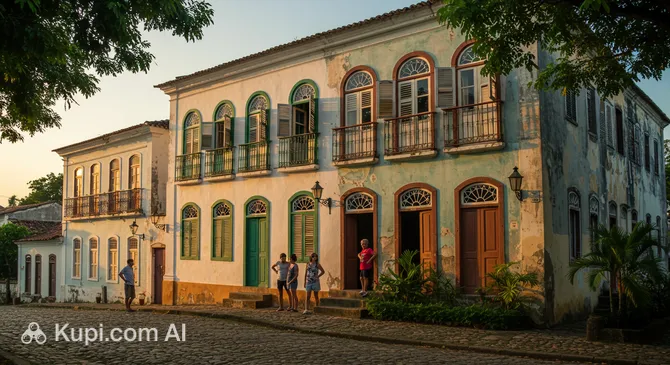
Olinda is a true tropical kaleidoscope, spread across the scenic hills of the Atlantic coast in the state of Pernambuco, northeastern Brazil. The city is located just a few kilometers from the state capital, Recife, making it easily accessible for travelers wishing to combine a beach holiday with immersion in the region's rich history and culture. Olinda charms with its unique atmosphere, where the colonial past is harmoniously interwoven with vibrant modern life.

With a population of about 393,000 people, Olinda maintains the cozy feel of a small historic town while being one of the oldest and most culturally significant centers in the country. It is no coincidence that the historic center of Olinda is listed as a UNESCO World Heritage site, thanks to its unique combination of architecture, natural landscape, and living culture. Narrow cobbled streets climbing the hills, colorful facades of old houses, majestic churches, and numerous viewpoints with breathtaking vistas of the ocean create the city's unique character.
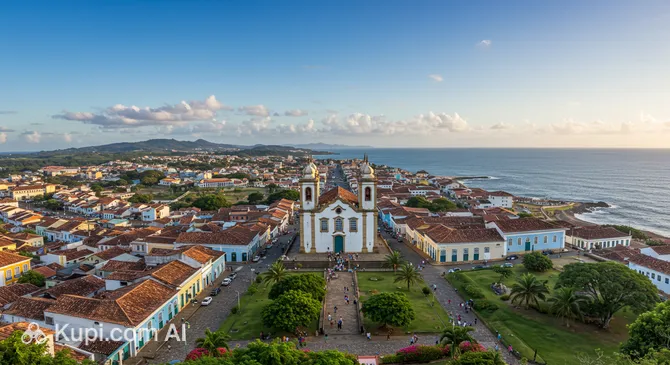
Olinda. Illustration.
Source: Kupi.com AI

The special magic of Olinda lies in its creative spirit and rhythm of life. Here, everything literally breathes art: from street musicians and painters whose work can be found at every turn, to numerous art workshops and galleries. The city is famous for its vibrant carnival, one of the most authentic in Brazil, which attracts thousands of participants and spectators. Furthermore, Olinda is renowned for its hospitable residents and an abundance of Baroque churches, such as the Monastery of São Bento with its famous carved altar.

If you are looking for a place where you can touch history, enjoy art, and immerse yourself in an atmosphere of eternal celebration, Olinda will be a true discovery for you. This city offers not just sights, but a whole world of vivid impressions that will stay in your memory for a long time. Come to see one of the most beautiful colonial cities in South America and feel its unique energy!

You can find more interesting facts on the history of Olinda page
Weather Overview

The weather in Olinda is characterized by a warm and humid tropical climate year-round. Average monthly air temperatures range from 24.3°C (in July and August) to 27.2°C (in February), with daily highs often reaching 29-30°C and nightly lows rarely falling below 22°C. Expect warm weather with frequent but mostly not too heavy rain. The highest amount of rainfall and rainy days (up to 26 per month) occurs between March and July, while October and November are considered the driest months, with only about 1 mm of precipitation and 14-15 rainy days. For more detailed planning of your trip, we recommend studying the climate of Olinda.

Average monthly temperature

Average monthly precipitation

Interesting Facts

Beyond its picturesque streets and famous carnival, Olinda holds many surprising stories and features that not everyone knows about. This city is a true gem of the colonial era and a cultural center full of surprises.

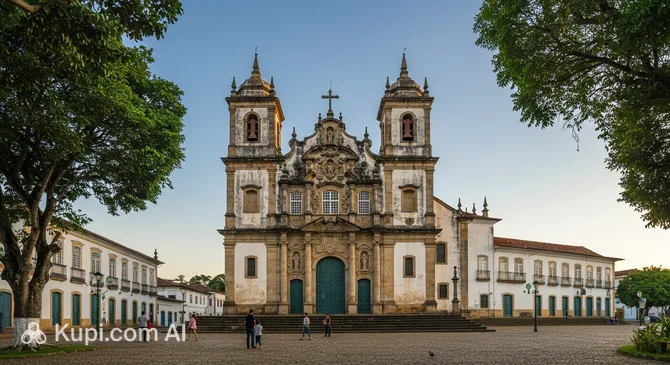
Olinda Cathedral. Illustration.
Source: Kupi.com AI

Traveler photos:

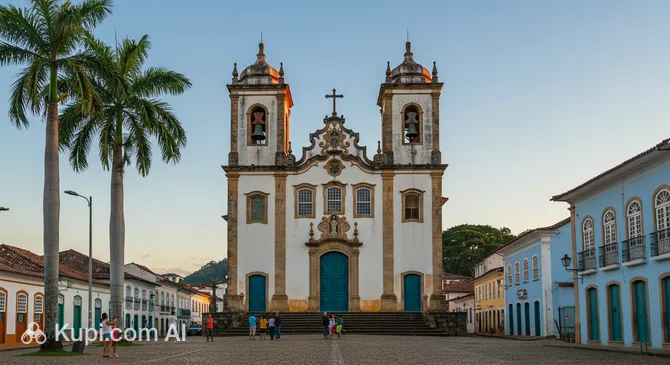
  • Did you know that Olinda, founded in 1535, is one of the best-preserved colonial cities in Brazil? Here you can see buildings from the 16th to 18th centuries, including ancient churches like the majestic Olinda Cathedral (often called the Sé Cathedral) and elegant mansions.

  • The local carnival is considered one of the most democratic in the world. Unlike the lavish parades in Rio, the celebration in Olinda unfolds right on the streets, and its main characters are the giant puppets known as 'bonecos gigantes', which have become a true symbol of the city.

  • Olinda is a real muse for creative people. The city has inspired many Brazilian artists, musicians, and writers, including the famous poet Manuel Bandeira, who was born here. Even today, you can see exhibitions and performances by contemporary masters on the streets of Olinda.

  • There is a beautiful legend about the origin of the city's name. It is said that the Portuguese captain Duarte Coelho, upon first seeing these picturesque hills, exclaimed: "Oh, linda situação para se construir uma vila!", which means "Oh, what a beautiful site to build a town!". And so the name Olinda was born.

How to Get There

When planning a trip to this colorful Brazilian city, it is useful to study all the ways to get to the city in advance to choose the most comfortable route. The main gateways for tourists are the airports of neighboring major cities, as Olinda itself does not have its own airport.

The most convenient and popular option is arriving via Recife/Guararapes–Gilberto Freyre International Airport (IATA: REC). It is the region's largest transport hub, receiving many domestic and international flights. The airport is located not in Olinda, but in the neighboring city of Recife, just 17.4 km from the final destination. Thanks to this proximity, a taxi or transfer ride will take you approximately 45–50 minutes, depending on traffic.

As an alternative, you can consider Presidente Castro Pinto International Airport (IATA: JPA), located in the city of João Pessoa. This is a less busy airport, situated about 94.1 km from Olinda. The journey from here will take significantly longer — roughly 2.5–3 hours by car or bus; however, this option may be convenient if you plan to visit several states in northeastern Brazil.

For clarity, here is a summary of the main airports through which you can reach Olinda:

AirportPassenger trafficDistance
Guararapes-Gilberto Freyre International Airport9.6 mln17 km
Presidente Castro Pinto International Airport1.6 mln94 km
Caruaru26 000133 km
Joao Suassuna Airport260 000141 km
Maceio-Zumbi dos Palmares International Airport2.7 mln198 km

In addition to air travel, Olinda is easily accessible by bus or car from anywhere in the state of Pernambuco. The city practically merges with Recife, so many travelers use the state capital's bus stations, from where they can reach Olinda's historic center by public transport or taxi in a short time.

Main Attractions

Olinda, a charming city in northeastern Brazil, is famous for its well-preserved colonial center, a UNESCO World Heritage site. Here, every corner breathes history, and the bright colors of the houses and cobbled streets create a unique atmosphere. Among the many interesting places, several key attractions stand out.

Olinda Cathedral. Illustration.
Source: Kupi.com AI

Traveler photos:

One of the city's main symbols is the Olinda Cathedral (Igreja da Sé). Situated on a hill, it offers not only spiritual solace but also breathtaking panoramic views of the city and the ocean. Built in the 16th century and rebuilt several times, the cathedral impresses with its architecture and interior decoration. This place is a must-visit for those who want to touch history and enjoy magnificent landscapes.

No less interesting is Olinda Orla — the historic waterfront and coastal zone. It is a wonderful place for walking, where you can feel the sea breeze and admire the views of the Atlantic Ocean. Local holidays and festivals are often held here, making this spot particularly attractive for tourists wishing to dive into the local culture.

Alceu Valença House. Illustration.
Source: Kupi.com AI

Traveler photos:

For lovers of Brazilian culture and music, the House of Alceu Valença will be of interest. This is the former residence of the famous Brazilian singer and composer Alceu Valença, who is an icon of Pernambuco music. Although access to the interior may be limited, the building itself and its history attract fans of the artist's work and those interested in contemporary Brazilian culture.

Church of Our Lady of Mount Carmel. Illustration.
Source: Kupi.com AI

Traveler photos:

Another gem of Olinda is the Church of Our Lady of Carmel (Igreja de Nossa Senhora do Carmo). It is one of the oldest Carmelite churches in Brazil, founded in the 16th century. Its majestic facade and richly decorated Baroque interior leave a lasting impression. The church is an important religious and architectural monument, attracting pilgrims and tourists with its beauty and historical significance.

It is also worth paying attention to Largo do Amparo — a charming square surrounded by colorful houses, artist workshops, and small cafes. It is one of the most picturesque and lively places in the historic center, where you can relax, observe local life, and purchase handmade souvenirs.

Local Cuisine

The cuisine of Olinda is a true gastronomic journey, harmoniously blending African, Portuguese, and Indigenous culinary traditions. The city is famous for its fragrant dishes prepared with the freshest seafood, juicy tropical fruits, and aromatic spices. Olinda's gastronomic scene attracts tourists with its authenticity and variety of flavors.

Be sure to try moqueca — a delicious fish or seafood stew simmered in coconut milk with the addition of palm oil (dendê) and spices. Another iconic dish of the region is caruru, a savory dish made with okra and shrimp. One cannot overlook the popular snacks: casquinha de siri – delicate crab-filled pastries, and tapioca – light crepes made from cassava flour with various sweet or savory fillings. These dishes reflect the richness of local ingredients and culinary heritage.

Among drinks, "água de coco" is particularly popular – refreshing coconut water often served straight from a freshly cut nut, especially on the beaches. Of course, you should also enjoy a cup of famous Brazilian coffee, known for its rich taste and aroma. Among alcoholic beverages, cachaça is common and is often used to make the caipirinha cocktail.

Oficina do Sabor. Illustration.
Source: Kupi.com AI

Traveler photos:

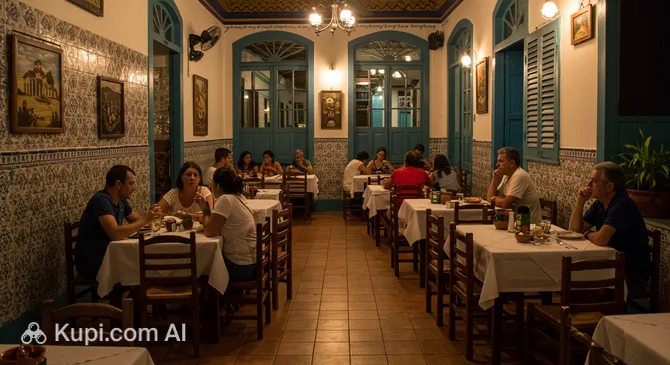
The food culture in Olinda is very casual. Locals and tourists alike enjoy eating in cozy restaurants as well as indulging in street food. Local markets and street stalls beckon with the aromas of fried bananas, corn cakes, and fresh grilled seafood. In the evening, numerous small cafes and mobile kitchens open in the squares and colorful alleys, where you can taste traditional snacks to the sound of live music. One of the places where you can get a deeper introduction to local cuisine is the restaurant Oficina do Sabor, known for its exquisite dishes. The city also regularly hosts gastronomic festivals showcasing the best of Pernambuco's cuisine.

Travel Tips

Welcome to Olinda, one of Brazil's most charming and historically significant cities! To make your journey through this UNESCO World Heritage site as comfortable and memorable as possible, we have prepared some practical tips.

  1. Clothing and Footwear for Comfort: Olinda has a tropical climate, so choose light, breathable clothing made from natural fabrics. Be sure to bring comfortable shoes with non-slip soles – the city's cobbled streets are quite steep and can be slippery. Don't forget a hat, sunglasses, and sunscreen. If you plan to visit the many churches, choose clothing that covers your shoulders and knees out of respect for local traditions.

  2. Getting Around the City: Olinda's historic center is best explored on foot to fully enjoy its atmosphere and architecture. For trips to neighboring Recife or outlying areas, you can use buses. Taxis and ride-hailing apps (like Uber or 99) are also available and convenient. Renting a car to move around Olinda itself is not very practical due to narrow streets and limited parking spaces.

  3. Financial Matters: The local currency is the Brazilian Real (BRL). You can exchange currency at banks or exchange offices (casas de câmbio), mostly in Recife; there may be fewer options in Olinda itself. Credit and debit cards are accepted in many hotels, restaurants, and shops, but it is always useful to have some cash on hand for small purchases and markets. ATMs (caixas eletrônicos) are available, but check the withdrawal fees for foreign cards. Tips are usually around 10% and are often already included in restaurant bills as "serviço."

  4. Health and Safety: Pharmacies ("farmácias") are easy to find, and some may operate 24 hours. It is recommended for tourists to have medical insurance. Olinda's historic center is considered quite safe during the day, but as everywhere, you should remain vigilant: watch your belongings, especially in crowded places, and avoid walking on deserted streets after dark. Drink bottled water.

  5. Language and Connectivity: The official language is Portuguese. English is common in the tourism sector, but knowing a few basic phrases in Portuguese (e.g., "Olá" – hello, "Obrigado/Obrigada" – thank you, "Por favor" – please) will be very useful and will endear you to the locals. A SIM card can be purchased at the airport or mobile phone shops. Wi-Fi is available in most hotels and many cafes.

  6. Local Etiquette and Communication: Brazilians, and residents of Olinda in particular, are known for their friendliness and openness. A simple greeting and a smile will help establish contact. Be patient, as the pace of life here can be more relaxed. When photographing locals, especially artisans or performers, always ask for permission.

  7. What to Consider (and What to Avoid): Olinda is famous for its Carnival – one of the most authentic in Brazil, featuring giant puppets ("bonecos gigantes"). If your visit coincides with this period, book everything in advance. Avoid displaying expensive jewelry or large amounts of cash to avoid attracting unnecessary attention. Also, remember that the city is built on hills – be prepared for climbs and descents that will reward you with stunning views.

We hope these tips help you plan an unforgettable trip to Olinda. Enjoy every moment in this colorful and hospitable city!

Entertainment & Nightlife

Olinda, a charming historic city in the state of Pernambuco, offers not only daytime walks through its cobbled streets but also a vibrant, albeit distinctive, nightlife. Evenings here are filled with music, laughter, and a relaxed atmosphere, especially in the historic center known as Alto da Sé. Instead of massive nightclubs, you will find cozy bars, restaurants with live music, and places to enjoy the local culture.

Nightlife in Olinda is mainly concentrated around the Alto da Sé square and its adjacent streets. Small bars (botecos) predominate here, often with open terraces or tables right on the street, where live music plays — ranging from samba and bossa nova to traditional maracatu and forró rhythms. The atmosphere is very democratic and bohemian, attracting both locals and tourists. Many restaurants also stay open until late, offering not just dinner but also a cultural program.

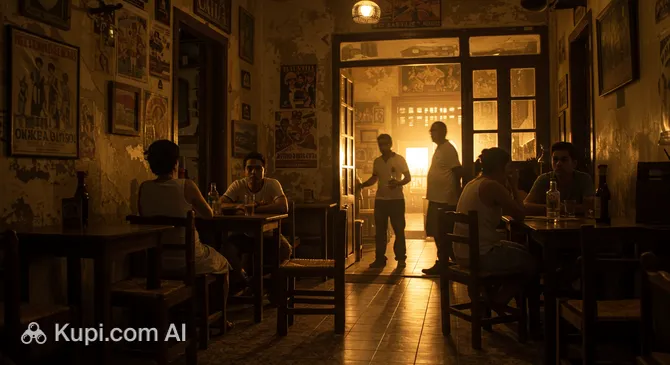
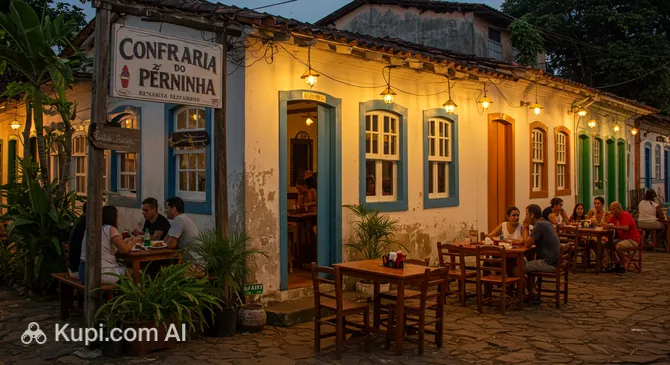
Among the popular places for evening relaxation, several colorful establishments stand out. For example, the bar Bodega de Véio is famous for its authentic atmosphere and is an excellent place to feel the local spirit. Another interesting spot is Confraria do Zé Perninha, where you can also enjoy a pleasant evening. For those seeking an exquisite dinner in a beautiful setting, the restaurant Oficina do Sabor offers regional cuisine and often serves as a starting point for evening strolls.

Bodega de Veio. Illustration.
Source: Kupi.com AI

Traveler photos:

The best time to dive into Olinda's nightlife is on Friday and Saturday evenings, when the city comes alive most vibrantly. The dress code in most establishments is informal, with comfort and a relaxed style being valued. Prices in bars and restaurants are generally moderate. As for transportation, it is preferable to use taxis or popular ride-hailing apps at night, especially if you plan to move between different districts or return to your hotel late.

Confraria do Zé Perninha. Illustration.
Source: Kupi.com AI

Traveler photos:

In terms of safety, the Alto da Sé area and its surroundings are usually lively and quite safe in the evening, especially where there are many people. However, as in any tourist destination, it is worth remaining vigilant, keeping an eye on your belongings, and avoiding poorly lit or deserted streets. To call a taxi, it is better to contact trusted services or use mobile apps.

During the day, Olinda charms with its rich history and culture. You can visit numerous churches, such as the famous Olinda Cathedral, stroll through historical squares like Largo do Amparo, and visit art galleries and artisan workshops, enjoying the unique atmosphere of this city, which is a UNESCO World Heritage site.

Parks & Museums

Olinda, a jewel of Brazil's colonial architecture, charms not only with its vibrant colors and historical streets but also offers opportunities for outdoor relaxation and immersion in rich cultural heritage. This city, recognized as a UNESCO World Heritage site, is a living museum in itself, where every corner breathes history.

While Olinda is better known for its historic center, its coastline offers beautiful places to relax and enjoy the ocean. Janga Beach, located nearby, offers a long stretch of sand ideal for walking and observing local life. Another popular beach is Farol Beach, which attracts visitors with its picturesqueness and the chance to see the old lighthouse that gave it its name. These beaches are great spots to take a break from the city bustle and admire the coastal scenery.

Janga Beach. Illustration.
Source: Kupi.com AI

Traveler photos:

Olinda's cultural treasury is revealed in its numerous churches, monasteries, and historical buildings. The majestic Olinda Cathedral (Igreja da Sé), located on one of the city's highest hills, offers a breathtaking panoramic view of the historic center and the Atlantic Ocean, and is one of the oldest and most important temples. Its architecture and interior tell a centuries-old story.

Olinda Cathedral. Illustration.
Source: Kupi.com AI

Traveler photos:

Equally significant is the Church of Our Lady of Carmel (Igreja do Carmo), another magnificent example of colonial Baroque that impresses with its facade and interiors. For those interested in the region's contemporary culture, the House of Alceu Valença is an iconic place. This space dedicated to one of the most famous Brazilian musicians, a native of Pernambuco, allows for a deeper exploration of his work and cultural contribution.

Alceu Valença House. Illustration.
Source: Kupi.com AI

Traveler photos:

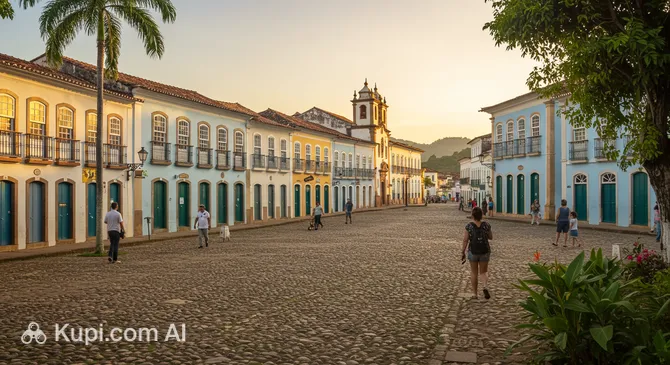
To truly experience the authentic atmosphere of Olinda, be sure to take a stroll through Largo do Amparo. This charming square, surrounded by bright colonial houses, craft shops, and cozy cafes, is one of the most photogenic and lively spots in the historic center. And for a full immersion in the local flavor, you can drop by one of the traditional bars, such as Bodega de Véio, to try local drinks and snacks in a relaxed setting.

Largo do Amparo. Illustration.
Source: Kupi.com AI

Traveler photos:

Getting Around

Getting around Olinda and its surroundings can be done in several ways, but the main form of public transport is buses. They connect various city districts and provide links to neighboring Recife, where many tourists take day trips. The bus network is well-developed, although it can be crowded during peak hours.

The fare payment system is primarily based on the use of the VEM (Vale Eletrônico Metropolitano) transport card, which is valid throughout the Recife metropolitan region, including Olinda. This card can be topped up and used to pay for trips, which is more convenient and often more economical than paying with cash. Cash is also accepted on buses, but it is recommended to have small change. The cost of a single trip is usually a few Brazilian reals. The VEM card can be purchased and topped up at special sales points and bus terminals.

Tourists should plan their routes in advance using online maps or transport tracking apps if available for the region. Tickets or card payments are made upon entering the bus, usually through a turnstile near the driver or conductor. Buses run on schedule, but in Olinda's historic center with its narrow and steep streets, bus movement is restricted, and many attractions are more conveniently explored on foot.

As an alternative to public transport, taxis and ride-hailing services (such as Uber or 99) are popular in Olinda, offering a more comfortable, albeit more expensive, way to travel. Given the compactness of Olinda's historic center, many tourists prefer to explore it on foot. This allows you to fully enjoy the atmosphere of the old streets and colonial architecture. Bicycle rental is less common for daily trips but can be an option for leisure rides.

Accommodation

In Olinda, a charming colonial city, tourists will find a variety of accommodation options to satisfy different preferences and budgets. The core offerings consist of cozy pousadas (traditional Brazilian guesthouses), small hotels, and apartments for rent. Although luxury resorts are rarer in the historic center itself, an atmosphere of authenticity and hospitality prevails here.

The most popular area for tourists to stay is undoubtedly the Historic Center (Cidade Alta). By choosing accommodation here, you will be just steps away from the main attractions, such as the famous Olinda Cathedral or the picturesque Largo do Amparo. This will allow you to easily explore the cobbled streets, enjoy the views, and immerse yourself in the city's unique atmosphere.

Olinda Cathedral. Illustration.
Source: Kupi.com AI

Traveler photos:

Instead of large hotel chains, Olinda is famous for its many colorful pousadas, many of which are located in restored historic buildings. They offer a unique staying experience, combining comfort with local flavor. While the provided list of attractions does not include specific hotels for booking, searching for accommodation in the historic part of the city will reveal many attractive options of this format.

When planning a trip to Olinda, especially during major events like the famous Carnival or at the peak of the tourist season, it is recommended to book accommodation well in advance. This will ensure you have the best choice and more favorable prices. Many pousadas and small hotels have a limited number of rooms that get booked up quickly.

The price range for accommodation in Olinda varies from budget options in hostels and simple pousadas to mid-range and higher price segments in more comfortable and stylishly decorated guest houses. You can book your stay through popular online platforms or by contacting the chosen pousada or hotel directly, which sometimes allows you to find special offers.

Nearby Cities

For those who want to explore the surroundings, Olinda serves as an excellent starting point for day trips to several interesting nearby places:

CityPopulationDistance
Encruzilhada20 3317 km
Paulista300 4668 km
Recife1 653 4619 km
Wagner9 7319 km
Madalena18 08810 km

These nearby destinations provide insight into the diverse culture and landscapes of the Brazil region. For example, Recife, the capital of Pernambuco, offers a vibrant urban atmosphere with numerous bridges and canals, for which it is often called the "Venice of Brazil." Neighboring Paulista attracts visitors with its beautiful beaches, such as Maria Farinha and Janga, ideal for relaxing by the sea. The city of Jaboatão dos Guararapes has a rich historical heritage associated with important battles in Brazilian history, and also offers beach areas to visit. By planning day trips, you can get to know the rich heritage of the state of Pernambuco more deeply.

Shopping & Souvenirs

Shopping in Olinda is primarily an immersion into the world of arts and crafts. The city is famous for its numerous art galleries, workshops, and shops where you can find unique handmade items. You won't find huge shopping malls here, but you can purchase authentic souvenirs and works by local artisans that reflect the rich culture of the Pernambuco region.

The main shopping areas are concentrated in the historic center of Olinda (Cidade Alta). Walking through its cobbled streets, such as Rua do Amparo and the area around Largo do Amparo, you will discover many small shops and galleries offering paintings, ceramics, wood sculptures, and other art pieces. The atmosphere here invites leisurely browsing and interaction with the artists.

There are practically no large modern shopping centers in Olinda itself. For that style of shopping, it is better to head to the neighboring, larger city of Recife, which offers a wide selection of malls featuring well-known Brazilian and international brands. The trip there won't take much time.

A special place among Olinda's shopping spots is the Mercado da Ribeira. This is a historic market where slaves were once traded, but today it houses numerous artisan stalls. It is an excellent place for buying souvenirs, traditional clay products, wood carvings, textiles, and lace. You can also find street vendors throughout the city offering their crafts, especially in tourist areas.

From Olinda, it is worth bringing back ceramics with characteristic local patterns, colorful paintings of naive art depicting scenes of city life and its famous carnival, and wood sculptures, especially figures of saints or folk characters. Lace products, hammocks, and, of course, all kinds of carnival attributes – masks and small giant puppets (bonecos gigantes) – are also popular.

Shops in Olinda are usually open from 9:00-10:00 AM to 6:00-7:00 PM on weekdays, and often have shorter hours on Saturdays. Many small shops may close for a lunch break (siesta). Sunday is predominantly a day off, although souvenir shops in tourist zones may be open. Both cash (Brazilian reals) and bank cards are accepted, especially in larger shops and galleries. At markets and with street vendors, it is preferable to have cash on hand.

The Tax Free system (VAT refund for tourists) in Brazil is not as widespread or easy to use as in some European countries, especially for everyday goods and souvenirs. Usually, it does not apply to purchases in small shops and markets, which form the basis of shopping in Olinda.

Reached the end of the page?

That means the route is fully explored