Support

Paranagua

About

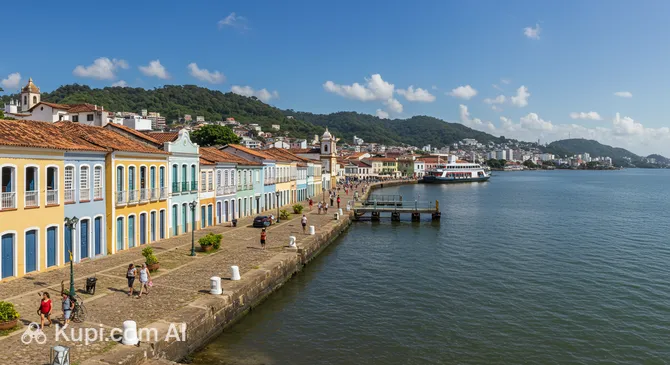
Paranaguá is a true Brazilian kaleidoscope where maritime charm, lush nature, and the spirit of past centuries harmoniously intertwine. The city is nestled on the Atlantic coast in the state of Paraná, in the south of the colorful country of Brazil. Thanks to its unique location in a picturesque bay, it serves not only as an important transport hub but also as an ideal starting point for journeys to the islands and into the heart of the green jungle.

Paranaguá. Illustration.
Source: Kupi.com AI

Despite being home to around 140,000 residents and housing the state's largest port, the city maintains a cozy, almost intimate atmosphere. It is the oldest settlement in the region: Portuguese colonizers founded it as far back as 1585. Walking through its narrow streets, you will notice how the rich history of Paranaguá comes to life in the facades of old buildings with carved balconies and majestic churches that seem to invite you to touch the past.

For travelers, Paranaguá offers an opportunity to forget about time. The colonial architecture of the historical center is perfect for leisurely strolls, while the fresh ocean breeze and incredible sunsets create an unforgettable mood. Be sure to visit this city to enjoy its authenticity and see how modern port life coexists with centuries-old traditions.

Weather Overview

The climate in Paranaguá can be described as warm and humid, typical for the coastal zone of this region. There are no severe cold spells here, so the city is open for visitors year-round; however, travelers should consider seasonal differences in temperature and rainfall.

The summer season, lasting from December to March, is the hottest period. The average air temperature stays around +24°C...+25°C, with daily highs in January reaching +27.9°C. High humidity is observed during this time: the number of rainy days can reach 27 per month, so an umbrella or raincoat will be your faithful companions.

Winter (June to August) brings long-awaited freshness. Average figures drop to +17.5°C...+18.5°C, and at night, the air can cool down to +13.8°C. This is the driest period of the year: for example, only about 10 rainy days are recorded in July. Expect a warm summer with periodic rain and cooler, drier winters.

Spring and autumn offer moderate conditions: in April and October, the average temperature is around +21°C...+22°C. To plan your wardrobe accurately and choose the best dates for your trip, the detailed weather in Paranaguá will help you.

Average monthly temperature

Average monthly precipitation

Interesting Facts

Deeply immersing yourself in the atmosphere of Paranaguá, you discover more than just a point on the map, but the living history of the country's south. In addition to its main attractions, this ancient city holds many fascinating secrets that allow you to see it from a new perspective.
  • Cradle of the state's civilization. Paranaguá officially holds the title of the oldest city in the state of Paraná. Founded at the end of the 16th century (while 1648 is often cited as the official date, the settlement emerged much earlier), it became the first Portuguese stronghold in the region. It was from here that the colonization and development of the vast territories of southern Brazil began.

  • A port of continental importance. The local port is not just a harbor for boats, but the economic heart of the region and one of the largest export centers in Latin America. It plays a key role in global trade as the main maritime gateway for Brazilian agricultural products, especially soy and grain.

  • An architectural time machine. Walking through the Paranaguá Historical Center, you enter an open-air museum. Real gems of colonial architecture are preserved here, such as the Church of Nossa Senhora do Rosário. The facades of old mansions, decorated with Portuguese tiles (azulejos), still hold the spirit of past centuries.

  • Legends of maritime adventures. The city is inextricably linked to the sea and mysteries. Paranaguá serves as the departure point for expeditions to Ilha do Mel (Honey Island), considered one of the most mysterious places on the coast. Local folklore is full of stories about pirates, hidden treasures, and brave sailors who sought their fortune in these waters.

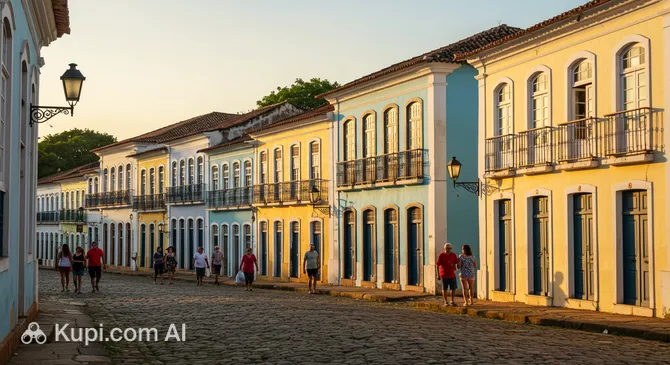
Historic Center of Paranaguá. Illustration.
Source: Kupi.com AI

Traveler photos:

How to Get There

You can reach Paranaguá in various ways, combining air and ground transport. Since there is no major passenger airport in the city itself, travelers usually fly into neighboring cities and complete the rest of the journey by bus or car. You can find more details on how to get to Paranaguá by checking the full list of routes.

The main air gateway for tourists heading to this region is Afonso Pena International Airport (IATA: CWB). It is important to note that it is located not in Paranaguá, but in the city of São José dos Pinhais (near Curitiba), approximately 65.7 km from your destination. This is a major transport hub with high passenger traffic. The journey from here to Paranaguá by taxi or transfer will take about 2 hours (120 minutes).

An alternative option is Joinville-Lauro Carneiro de Loyola Airport (IATA: JOI). It is also located in another city—Joinville, at a distance of about 83.3 km from Paranaguá. This is a smaller regional airport. Travel time by car from here will be approximately 2 hours and 25 minutes.

Another available option is Navegantes Airport (IATA: NVT), located in the city of Navegantes. It is further away, approximately 151.8 km from Paranaguá. A taxi or bus trip from this airport will take about 4 hours and 10 minutes.

For clarity, here is a summary of the main airports:

AirportPassenger trafficDistance
Afonso Pena International Airport5.6 mln66 km
Joinville-Lauro Carneiro de Loyola Airport487 00083 km
Navegantes Airport2.2 mln152 km
Comte Antonio Amilton Beraldo Airport11 394167 km
Hercilio Luz International Airport4.5 mln238 km

Upon arrival at one of the airports, most tourists transfer to intercity buses that regularly run to the Paranaguá bus station. Traveling by road allows you to enjoy picturesque views of the coastal forests of Paraná state.

Main Attractions

Paranaguá is a city where every stone breathes history, and the colonial past is harmoniously woven with the picturesque nature of the coast. The best way to start exploring the city is from its heart — the Paranaguá Historical Center. This district is a true open-air museum, featuring magnificent 18th and 19th-century mansions, ancient churches, and cobbled streets. A walk here allows you to immerse yourself in the era of great navigators and appreciate the architectural wealth carefully preserved by the state.

Historic Center of Paranaguá. Illustration.
Source: Kupi.com AI

Traveler photos:

For those who want to dive deeper into the region's culture, the UFPR Museum of Archaeology and Ethnology – Paranaguá Branch is a must-visit. It is located in the monumental building of a former Jesuit college, which is an architectural monument in its own right. The museum's halls display an extensive collection of artifacts telling the story of the indigenous peoples who inhabited these lands before the Europeans arrived, as well as the early stages of colonization. This place offers a unique opportunity to understand the origins of Brazilian identity.

To get a real taste of local life, it's worth stopping by the Paranaguá Municipal Market. Situated on the banks of the Itiberê River, the market attracts tourists not only with the freshest seafood and exotic fruits but also with colorful stalls featuring handcrafted goods. Here you can try traditional dishes in small cafes and enjoy the view of fishing boats bobbing on the water.

If you are looking for a place for a quiet rest in the shade of trees, head to Lions Square. This cozy square, officially known as General Osório Square, is a popular meeting spot for locals. Surrounded by historical buildings and decorated with sculptures, the square offers a pleasant respite from the urban hustle and serves as an excellent location for memorable photos.

Local Cuisine

The cuisine of Paranaguá is a true gastronomic mirror of the Atlantic, where seafood takes center stage. The proximity to the ocean defines the menu of most local establishments: they serve the freshest oysters, mussels, shrimp, and a variety of fish. For gourmets, this city is a paradise, as the journey from the fishing boat to the plate is minimal, guaranteeing unsurpassed quality and rich flavors.

However, the undisputed signature dish of the region is not just fish, but a unique meat dish called barreado. It is a thick and hearty beef stew that is simmered for hours in a hermetically sealed clay pot with spices and manioc. The cooking process is so long that the meat becomes incredibly tender, literally falling apart into fibers and turning into a thick sauce. The tradition of making barreado is passed down through generations, and trying this dish, often served with rice and bananas, is a duty for every traveler.

For those who enjoy quick snacks, look out for local street food, especially the famous Brazilian pastel. These are fried thin-dough pastries with a crispy crust, which in Paranaguá are often prepared with a generous filling of shrimp or crab meat. An ideal accompaniment to lunch or dinner is a caipirinha—the refreshing national cocktail made from cachaça, lime, sugar, and ice, which perfectly quenches thirst in the tropical climate.

To dive into the authentic atmosphere and try the best of everything at once, we recommend visiting the Paranaguá Municipal Market. This is not just a commercial spot, but the beating heart of the city's gastronomy. Here, among stalls of exotic fruits and spices, you'll find colorful eateries where locals and tourists eat side by side. Lunch at the market with a view of the Itiberê River will allow you not only to enjoy the taste of real Brazilian cuisine but also to feel the living rhythm of this port city.

Travel Tips

Paranaguá is a city with a special character, where ancient architecture meets the dynamics of a major port. To ensure your acquaintance with this corner of Brazil is as comfortable as possible, we have prepared a list of useful recommendations to help you plan the perfect trip.

  1. Clothing and Essentials. Given the hot and humid tropical climate, opt for clothes made of light natural fabrics (cotton, linen). Be sure to bring comfortable flat shoes: the historical center is paved with old cobblestones, making heels extremely impractical. Don't forget sunscreen, a hat, and of course, an umbrella or raincoat—showers here can be sudden and heavy, especially in summer.
  2. Transport. The historical city center is compact and best explored on foot. For longer distances (for example, to the pier or the mall), using ride-hailing apps like Uber or 99 is more convenient and safer. Although city buses are free, they require a special card, which might be a waste of time for a tourist visiting for just a couple of days.
  3. Finances. The official currency is the Brazilian Real. Most restaurants, hotels, and shops accept credit cards without issues. However, we strongly recommend having a small amount of cash on hand, especially if you plan to buy things at the Municipal Market or want to grab a snack from street vendors. A 10% tip is usually already included in the bill as "taxa de serviço."
  4. Health and Safety. Paranaguá is a large port city, so it's important to follow basic precautions. It is safe in the center during the day, but after dark, it's better to avoid deserted alleys and the port area. Be sure to use insect repellent: the humid climate encourages mosquitoes. Drink only bottled water, avoiding tap water.
  5. Communication. The primary language is Portuguese. Few people speak English, mostly staff in large hotels. Before your trip, download an offline translator on your smartphone—it will greatly facilitate communication. Local SIM cards (Vivo, TIM, Claro) can be bought at pharmacies or newsstands, but activation often requires a passport (a CPF is not always mandatory for foreigners, but the procedure can take time).
  6. Local Etiquette. Brazilians are very open and friendly. Greetings are often accompanied by a handshake or a hug, and the "thumbs up" gesture is universal and means approval or thanks. Despite the proximity to water, walking around the city in beachwear or shirtless is considered bad form—save swimsuits for the beaches or boat trips.
  7. What to Avoid. Do not ostentatiously wear expensive jewelry, watches, or hold your phone in your hands on busy streets—don't attract unnecessary attention from pickpockets. Also, avoid swimming in the bay directly within the city and port limits; for swimming, it's better to head to the nearby islands.
  8. Planning Crossings. If you plan to visit Ilha do Mel, keep in mind that boats depart strictly on schedule, which may change depending on the season and tides. Arrive at the pier early, especially on weekends, to ensure you can buy a ticket and get a good spot.

By following these simple tips, you can relax and fully immerse yourself in the atmosphere of Paranaguá. May your journey be filled with vibrant discoveries, the taste of tropical fruits, and the warmth of Brazilian hospitality!

Entertainment & Nightlife

The nightlife in Paranaguá doesn't have the noisy scale of major metropolises but possesses its own unique port-city charm. As the sun sets, the historical streets and the Itiberê River waterfront fill with music, laughter, and the aromas of local cuisine. Evening leisure here is primarily about relaxed gatherings in bars with live music, dinners in cozy restaurants, and walks by the water where both local youth and tourists gather.

The epicenter of evening activity is the Paranaguá Historical Center area and the surroundings of the Municipal Market. This is where most establishments are concentrated, and life buzzes late into the night. The atmosphere in the city is democratic and friendly: there is no strict dress code, and in most places, you will feel comfortable in casual wear. The crowd is diverse—from students and port workers to travelers from all over the world.

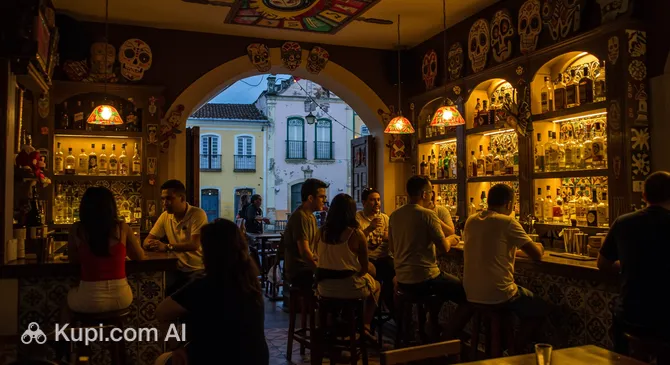
If you want to start your evening with vibrant flavors and cocktails, check out Arriba Mex Mexican Cuisine. This colorful bar-style establishment offers an excellent selection of Mexican-style drinks and snacks, creating a festive mood. For those looking for a heartier dinner in a laid-back setting, Distrito Burger is an excellent choice, where you can try juicy burgers and socialize with friends.

Arriba Mex Mexican Kitchen. Illustration.
Source: Kupi.com AI

Traveler photos:

Practical Tips: The liveliest times are Friday and Saturday after 8:00 PM. Average checks in bars and restaurants are quite affordable. Regarding safety, Paranaguá is a large port, so it’s wise to be cautious at night. It is recommended to stick to well-lit tourist streets in the center and avoid deserted alleys. For moving between venues or returning to your hotel, it is best to call a taxi or use official ride-hailing apps.

While the main focus in the city is on evening relaxation by the river, don’t forget the daytime entertainment that seamlessly flows into the evening. Before heading to a bar, tourists often visit local cultural venues. The Rachel Costa Theater regularly hosts plays and musical performances, while the city's museums and parks offer a great program for the first half of the day, providing a cultural context for your evening relaxation.

Parks & Museums

The cultural and natural landscape of Paranaguá offers travelers a harmonious blend of green spaces for relaxation and rich museum collections revealing the history of the first city in the state of Paraná. Here you can spend the morning studying ancient artifacts in the cool halls of colonial buildings and end the day with a stroll through tropical greenery or by the water.

Among the city's green oases, Lions Square (Praça dos Leões) holds a special place. This historical square, officially named General Osório Square, is the heart of social life. Tourists are drawn here not only by the well-kept garden with spreading trees providing shade on a hot day but also by the old obelisk. It is an ideal spot to take a break during a tour, watch the locals go about their day, and feel the leisurely rhythm of provincial Brazil.

Another important natural area is the Aeroparque. This is a vast space on the shores of the bay that serves as the main spot for active recreation for locals. There are tracks for running and cycling, sports fields, and picnic areas. For tourists, the Aeroparque is interesting for the chance to enjoy the fresh sea breeze and picturesque views of the mangroves and passing ships.

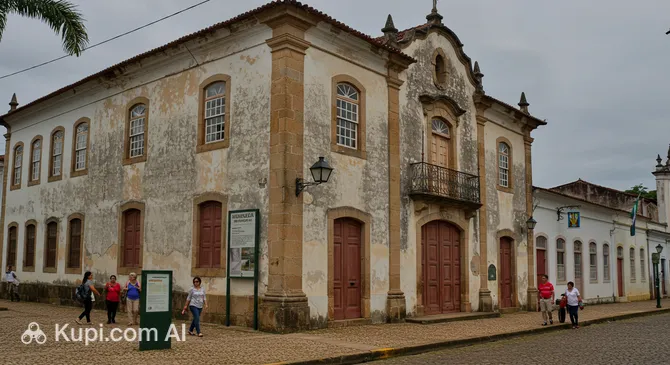
UFPR Museum of Archaeology and Ethnology – Paranaguá Branch. Illustration.
Source: Kupi.com AI

Traveler photos:

The main cultural treasure of the city is undoubtedly the UFPR Museum of Archaeology and Ethnology – Paranaguá Branch. It is located in the building of a former Jesuit college, considered one of the most significant monuments of colonial architecture in Brazil. The museum's exhibition is impressive: it houses thousands of items telling the story of the indigenous tribes that inhabited the coast, as well as "caiçara" folk art (the traditional coastal inhabitants). A visit to the museum allows for a deep understanding of the roots of local culture.

Also worth noting is the Paranaguá Aquarium (Aquário de Paranaguá), one of the largest in the south of the country. Although it is not a classic museum, it performs an important educational function, introducing guests to the biodiversity of the Atlantic Forest and the ocean. Here you can see sharks, rays, penguins, and even touch some marine inhabitants in a special contact pool, making it a must-visit for families with children.

For those looking for hidden gems, we recommend checking out small private galleries in the historical center. Often, temporary exhibitions of local artists are held in old mansions, where you can buy unique souvenirs. The best way to end your cultural program is a boat trip on the Itiberê River at sunset, when the city is painted in golden hues.

Getting Around

Getting around Paranaguá has its unique features that will pleasantly surprise budget travelers. The main type of public transport here is buses, connecting the historical center with residential areas and the outskirts. The route network is managed by the Viação Rocio company, and intervals are usually 15–20 minutes.

The big news for city guests is the "Tarifa Zero" (Zero Fare) program. This means that travel on city buses is free for both locals and tourists. However, boarding the bus is not entirely open; it requires an electronic validation system. To use the right to free travel, you need to obtain a special transport card—the Cartão VIP.

You can get the card upon arrival at the Viação Rocio central office or at service points at the Urban Terminal (Terminal Urbano). The process is quick but requires personal presence and the presentation of a passport. If you are only visiting for a day and don't want to spend time getting the card, the compact city center is perfectly suitable for exploring on foot.

For more comfortable trips, especially with luggage, popular ride-hailing services like Uber and 99 operate in Paranaguá. This is a convenient and inexpensive way to reach remote locations or the port. Regular taxis are also available at stands near the bus station and main squares, but the cost may be higher.

Water transport plays a vital role. Boats and motorboats regularly depart from the city waterfront and the maritime terminal to the popular Ilha do Mel (Honey Island) and other settlements in the bay. Tickets are purchased at the pier ticket offices, and the price depends on the type of vessel and the season.

Many tourists dream of arriving at the coast on the famous Serra Verde Express tourist train. However, it is important to note a logistical detail: the passenger train from Curitiba travels through the jungle only as far as the colonial town of Morretes. There is no direct rail link to Paranaguá itself. To reach the city after the train tour, you must transfer to a bus in Morretes or book a transfer, which will take you to the ocean in about an hour.

Accommodation

Where to stay:

Paranaguá, as a major port city and the gateway to resort islands, offers travelers a functional and affordable range of accommodation. You won't find massive "all-inclusive" network resorts here—that niche is occupied by neighboring beach areas. Instead, the city boasts cozy, middle-class urban hotels catering to both tourists and business travelers, as well as charming guest houses (pousadas) in historical buildings.

For those who want to fully immerse themselves in the atmosphere of old Brazil, the best choice is accommodation in the Historical Center district. Staying here, you will be within walking distance of the main attractions, such as the Paranaguá Historical Center with its colonial architecture. It is an ideal location for evening strolls along cobbled streets and dinners in local restaurants.

Another popular option is hotels located along the Itiberê River waterfront, near the ferry crossing to Ilha do Mel. This is a strategically convenient spot for those planning boat trips or wanting to head to the island's beaches first thing in the morning. Accommodation here is often chosen by tourists who view Paranaguá as a transit point before heading to the islands. Gastronomy lovers will appreciate the proximity to the Paranaguá Municipal Market, where you can have breakfast with the freshest local products.

Price Range and Booking:

The cost of accommodation in Paranaguá is generally lower than in the state capital, Curitiba, or popular beach resorts. Accommodation can be described as budget and mid-range. A room in a decent hotel with breakfast will cost a reasonable amount, accessible to most travelers.

  • Booking: It is recommended to book your accommodation in advance using popular online platforms. While there are usually plenty of vacancies in the city, demand spikes during high season (December to February) and during major religious holidays.
  • Tip: If you are looking for an authentic experience, look for small family-run pousadas. Often, they do not have a 24-hour reception, so it's better to arrange your check-in time in advance.

Nearby Cities

For those wishing to explore the surroundings, Paranaguá serves as an excellent starting point for day trips to several interesting nearby locations:

Curitiba — the state capital, located on a plateau above sea level. It is a vibrant cultural center known for its innovative ecological parks, such as the Botanical Garden with its iconic greenhouse, and unique architecture. A trip here allows you to swap the atmosphere of an old port for the rhythm of a modern and green metropolis.

São José dos Pinhais is interesting for fans of gastronomic tourism. It hosts the popular "Wine Route" (Caminho do Vinho), where you can learn about the heritage of Italian immigrants, visit local wineries, and try traditional dishes in cozy colonial cafes.

Piraquara attracts those seeking a connection with nature. The city is surrounded by forests and reservoirs, being an important water resource protection area. It is an excellent place for hiking and ecotourism away from the city bustle.

CityPopulationDistance
Pontal do Paraná20 92021 km
Antonina18 89122 km
Morretes15 71831 km
Matinhos29 42834 km
Guaratuba32 09541 km

These nearby destinations provide an overview of the region's diverse culture and landscapes.

Shopping & Souvenirs

Shopping in Paranaguá is not a chase for global brands, but an opportunity to touch the authentic culture of the Paraná coast. The city is not famous for huge outlets or luxury boutiques, but it charms with its colorful shops selling unique handmade items. Here, tourists can purchase goods that carry the warmth of local artisans' hands and reflect the traditions of the "caiçara" region.

The main shopping artery for travelers is the Historical Center district. Strolling through the cobbled streets, you will find many small shops located in restored colonial mansions. They sell everything from beachwear and accessories to paintings by local artists. For everyday items and clothing, head to the city's commercial center (Centro Comercial), where chain stores, pharmacies, and banks are concentrated, operating at the busy rhythm of a port city.

For those who prefer comfortable indoor shopping, Estação Mall is worth a visit. This shopping center is notable for its location—it occupies the building of an old railway station, which gives it a special atmosphere. Here history meets modernity: among 20th-century architectural elements, you'll find clothing stores, electronics, a food court, and a cinema. It is a great place to buy essentials or just take a break from the heat.

However, the true heart of local trade is the Paranaguá Municipal Market. A visit to the market is a must for any tourist. Here, in a building overlooking the Itiberê River, you can find the best examples of folk art. The market is famous for its craft stalls, where artisans sell woven baskets, clay and wood products, and bright maritime-themed souvenirs.

As souvenirs from Paranaguá, people most often bring back local handicrafts ("artesanato caiçara"). Special attention should be paid to woven items made of bamboo and vines, as well as miniature models of fishing boats. Popular gastronomic souvenirs include traditional banana sweets (the region's famous bala de banana) and local cachaça. These items will serve as a great reminder of your trip through southern Brazil.

Shops in the city usually operate Monday to Friday from 09:00 to 18:00, and on Saturdays until 13:00. Estação Mall stays open longer, typically until 22:00, including weekends. Credit and debit cards (Visa, Mastercard) are accepted almost everywhere, but for purchases at the market or from street vendors, it is recommended to have some cash in Reais on hand.

The Tax Free system in Paranaguá, as in most small Brazilian cities, is not common. Tourists should not expect a VAT refund when leaving the country, so the prices on the tags are final.
Reached the end of the page?

That means the route is fully explored