Support

Casa do Povoador

About

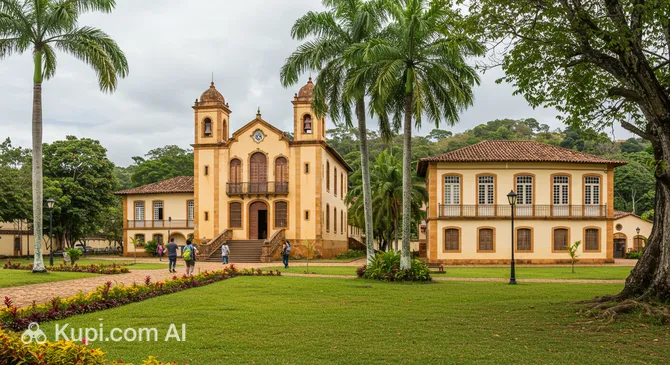
On the picturesque banks of the river, in the heart of Piracicaba, lies one of the region's most important historical monuments — Casa do Povoador (Settler's House). This modest yet majestic building is a rare example of colonial architecture preserved from the early days of the settlement in Brazil.
Casa do Povoador
Casa do Povoador. Иллюстрация. Источник: Kupi.com AI

Built at the end of the 18th century, the house was constructed using the traditional taipa de pilão (rammed earth) technique and is considered one of the city's first "solid" structures. Today, the building functions as a house-museum, offering visitors a journey into the past to see how the first inhabitants lived. Its simple facade and whitewashed walls have become a true symbol of generational continuity and respect for local roots.

The site is included in the official tourist route and is a recognized protected cultural heritage monument. Thanks to its location on the left bank of the river, it serves not only as an educational center but also as a wonderful starting point for exploring the waterfront and the authentic atmosphere of old Piracicaba.

Contacts

To clarify information about current exhibitions, special events, or group tours, you can contact the museum administration directly. This historical site is managed by the city's tourism department, whose staff are always ready to help guests navigate the cultural program.

How to contactContact
AddressAv. Beira Rio, s/n - Centro, Piracicaba - SP, 13400-820, Бразилия
Phone+55 19 3434-8605
Websiteturismopiracicaba.com.br

What to Do

A visit to this historical site offers guests a peaceful and thoughtful experience. Inside Casa do Povoador, you can explore small but highly atmospheric exhibitions featuring everyday objects, old documents, and tools used by the colonists. This is a great opportunity to see the unique rammed earth wall construction up close, which keeps the interior cool even on the hottest Brazilian days.

Photography enthusiasts should definitely stop by the building: its simple lines against the backdrop of lush greenery and the smooth river surface create perfect shots. After exploring the museum, take a stroll along the waterfront to the famous Rua do Porto. There, you can feel the city's vibrant pulse, taste traditional fried fish, and watch local fishermen whose boats are often moored nearby.

If your visit coincides with cultural events, you may catch temporary exhibitions by local artists or craftsmen who often display their work within these historic walls. The combination of rugged historical architecture and vibrant contemporary art gives this place a special charm.

Getting There

The landmark is conveniently located in the heart of the historic center on Av. Beira Rio, right on the riverbank. If you are already strolling through the popular pedestrian zone of Rua do Porto, known for its fish restaurants, the building is just a few minutes' walk away, offering lovely views of the water.

For those preferring public transport, buses run regularly from various districts to the city center. You can reach the waterfront from the main bus station in a short time; the nearest stops are within walking distance of the museum. Taxis or apps like Uber are also excellent and affordable ways to get around the city.

Travelers arriving from other regions typically use Viracopos Airport in Campinas (about 70 km away) or come from São Paulo (approximately 160 km). For those with a car, parking spaces are available along the waterfront, making it a comfortable stop during a road trip through the state.

Ближайший город: Piracicaba

History & Facts

The history of this place is inextricably linked to the birth of the city of Piracicaba. In 1767, Captain Antônio Corrêa Barbosa founded a settlement here to serve as an important logistical hub supporting river navigation and supplying remote forts. Over time, the center of life shifted to the left bank of the river due to its exceptionally fertile soil, where this historic structure was eventually built.

Constructed at the turn of the 18th and 19th centuries, the building is considered one of the first permanent residences in the area. It was built using the traditional taipa de pilão (rammed earth) technique, making it a unique example of early colonial architecture that has survived to this day. This house literally witnessed the transformation of a small parish into a thriving center of the sugar industry.

The site received special recognition in 1967 when, in honor of the 200th anniversary of the city's founding, "Casa do Povoador" was officially declared a symbol of Piracicaba. Two years later, the building was granted status as a protected cultural heritage monument. Today, it serves as a reminder of the times when the city was just beginning its journey from a small river port to a modern metropolis.

Time Needed

Allowing 45 minutes to 1 hour is usually sufficient to view the interior exhibitions and the architecture of the building itself. This time is enough to leisurely study colonial-era artifacts and read the information boards detailing the history of the first settlers.

However, we recommend setting aside about 2–3 hours for the entire outing. A visit to Casa do Povoador pairs perfectly with exploring the nearby Engenho Central industrial complex and taking a leisurely stroll along the riverbank, where you can take great photos and enjoy local cuisine at the waterfront cafes.

Working Hours

The museum is open to visitors throughout the week, though hours vary by day. From Monday to Friday, the doors of Casa do Povoador are typically open from 08:00 to 17:00. On weekends—Saturday and Sunday—the site welcomes guests in the afternoon, from 13:00 to 17:00.

Please note that technical breaks or schedule changes may occur during public holidays. Before your visit, it is recommended to check the city's official tourism portal for the latest information and the timing of special exhibitions.

DayWorking hours
понедельник08:00–17:00
вторник08:00–17:00
среда08:00–17:00
четверг08:00–17:00
пятница08:00–17:00
суббота13:00–17:00
воскресенье13:00–17:00

Nearby

A walk around the riverfront area will allow you to dive deeper into the atmosphere of this Brazilian region. Near the historic house, you will find both monumental landmarks and modern recreation areas, making this district a great spot for family outings.

NameDistance
Fishermen's Square0.2 km
José Dias Nunes (Tião Carreiro) Suspension Footbridge0.3 km
Piracicaba Water Museum Francisco Salgot Castillon0.4 km
Monte Sul Centro0.7 km
Peace Monument0.7 km
Alto do Mirante Tourist Elevator0.8 km
Pavanelli Emporium and Restaurant1.2 km

Reached the end of the page?

That means the route is fully explored