Support

Rio Grande

About

Brazil is multifaceted, and the city of Rio Grande is a vivid testament to that. It is a true gateway to the Atlantic in the far south of the country, where the fresh ocean breeze meets historical heritage. The city possesses a unique, almost island-like atmosphere that sets it apart from bustling metropolises and invites travelers to immerse themselves in the unhurried rhythm of coastal life.

Rio Grande's geographical location is impressive: it stretches across a long sandy spit between the waters of the Atlantic Ocean and the vast Lagoa dos Patos lagoon. With a population of about 197,000 people, the city is an important industrial center, yet it retains the cozy feel of an old settlement. Walking through its streets, it is easy to notice how the rich history of Rio Grande intertwines with modernity: majestic colonial buildings and cathedrals sit side-by-side with port infrastructure.

Rio Grande. Illustration.
Source: Kupi.com AI

For tourists, the city is attractive for its blend of culture and nature. It is home to one of the oldest and most important ports in the region, and fans of educational leisure will appreciate the local museums and the proximity to the unique ecosystems of the lagoon. This place is perfect for long walks along the waterfront, watching fishing boats, and discovering gaucho traditions in their maritime form.

Come to Rio Grande to feel the spirit of true, authentic Brazil. Here, hospitable residents, interesting architecture, and the opportunity to take a break from the hustle and bustle while enjoying views of endless water and the special flavor of the south await you.
Weather Overview

The weather in Rio Grande is moderate and pleasant, making the city comfortable to visit almost year-round. The climate is mild, without the extreme heat characteristic of the tropical part of the country, but with clearly defined seasons.

Summer, which lasts from December to March in the Southern Hemisphere, is warm and comfortable here. The highest figures are recorded in January, when the average temperature is about 24.4°C, and during the day the air warms up to 26°C. Winter (June–August) brings a noticeable chill: average temperatures drop to 13–15°C, and at night it can cool down to 11°C. Expect a warm summer with occasional precipitation and a fairly cool, fresh winter.

Rain is not uncommon in the region and is distributed fairly evenly throughout the year. On average, 10 to 13 rainy days are recorded each month, so a small umbrella will not be out of place in your luggage. Before planning your trip, we recommend checking the current weather in Rio Grande to choose the most suitable clothing for walks along the coast.

Average monthly temperature

Average monthly precipitation

Interesting Facts

Rio Grande is a city where maritime history intertwines with local legends, creating a unique atmosphere. Beyond its well-known architectural monuments, this southern port holds many surprising facts revealed only to curious travelers.

  • The city proudly holds the title of the oldest settlement in the state of Rio Grande do Sul. It was founded in 1737 as a strategic military fort designed to protect the southern borders of Portuguese possessions, and it was from here that the development of the entire region began.

  • It is home to the famous Professor Eliezer C. Rios Oceanographic Museum, which is the largest in Latin America. Within its walls is a colossal collection of marine life, and interactive exhibits allow visitors to learn all about the secrets of the South Atlantic.

  • Legends of ghost ships are popular among locals. Long-time residents and fishermen often tell stories of mysterious sailing vessels that appear in the thick fog over the lagoon waters and vanish without a trace, a reminder of the area's turbulent maritime history.

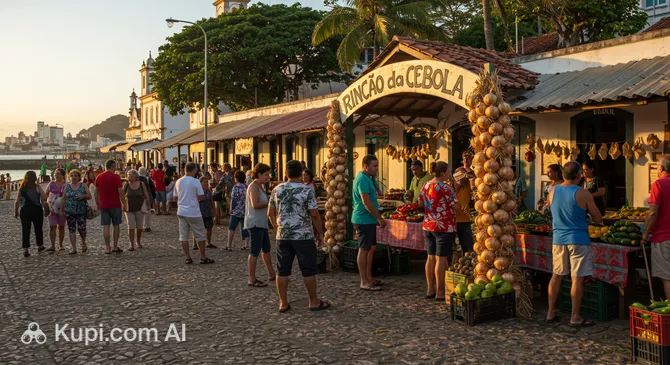
  • One of the most colorful spots in the historical center is Rincão da Cebola, or "Onion Corner." This name has been preserved since colonial times when trade flourished here, and today this corner serves as a living illustration of the daily life of the first settlers.

Rincão da Cebola. Illustration.
Source: Kupi.com AI

Traveler photos:

How to Get There

When planning a trip to the south of Brazil, it is important to think through logistics in advance, as the city is located some distance from the main international hubs. You can learn more about how to get to Rio Grande by exploring all available routes, but the main way to reach the region remains a flight followed by a transfer to ground transportation.

Rio Grande itself does not have an airport that accepts regular passenger flights, but you can fly into Pelotas International Airport (IATA: PET) in the city of Pelotas, which is approximately 41.7 km from Rio Grande. This is the nearest air hub serving regional flights. The journey from there by taxi or bus takes about 1 hour and 20 minutes. This is a convenient option if you are flying on domestic airlines.

For international travelers or those flying from distant parts of the country, the main gateway is Salgado Filho International Airport (IATA: POA) in Porto Alegre. It is located about 243.6 km from Rio Grande. This is a major international airport with high passenger traffic and developed infrastructure. The journey from Porto Alegre to Rio Grande by car or intercity bus takes approximately 6 hours and 30 minutes. Despite the distance, this route is often chosen due to the large number of available flights.

For clarity, here is a summary of the main airports:

AirportPassenger trafficDistance
Pelotas Airport100 00042 km
Salgado Filho International Airport7.5 mln244 km
Santa Maria Airport46 300300 km

Regarding rail transport, passenger services are practically non-existent in this region of Brazil, and you will not be able to reach Rio Grande by train. The main alternative to flying is comfortable intercity buses, which connect the city with Porto Alegre, Pelotas, and other towns in the state. The Rio Grande bus station receives daily trips, offering tourists a budget-friendly and reliable way to travel.

Main Attractions

A journey through the city should begin with an immersion into its maritime history, as Rio Grande is inextricably linked to the ocean. One of the most significant points of attraction is the Professor Eliezer C. Rios Oceanographic Museum. This is not just a museum, but a true research center, considered one of the largest in Latin America. Tourists are impressed by its massive collection: from enormous whale skeletons and marine mammals to thousands of unique shells. Interactive exhibits allow visitors to learn about the biodiversity of the Atlantic and make the visit interesting for both adults and children.

To feel the living rhythm of the city, head to the Rio Grande Municipal Public Market. This majestic historical building, constructed in the 19th century, serves as the heart of local trade and gastronomy. Here, you can not only admire the colonial architecture but also purchase the freshest seafood for which the region is famous or buy handmade souvenirs. The market is the perfect place to try local snacks and observe the daily life of the townspeople.

For relaxing in the fresh air, Tamandaré Square is an excellent choice. This is the largest city square in the interior of the state of Rio Grande do Sul and is a popular meeting and walking spot. Its grounds feature monuments, shaded alleys, and rest areas where it is pleasant to hide from the sun. Cultural events and fairs are often held here, adding a special local flavor to the place.

History buffs will be interested in visiting Rincão da Cebola (or "Onion Corner"). This is a historical part of the city that has preserved the atmosphere of past centuries. A walk through this district transports you back to the times of the first settlers and allows you to see ancient buildings that witnessed the growth of Rio Grande as an important port. It is a great place for atmospheric photos and leisurely strolls along cobbled streets.

Local Cuisine

The culinary scene of Rio Grande is a fascinating journey where Portuguese maritime traditions, Italian culinary secrets, and hearty gaucho cuisine intertwine. Due to its unique location between the ocean and the lagoon, the main stars of the local table are consistently the freshest seafood. Here, they masterfully prepare fish, mussels, and squid, using simple but expressive spices that emphasize the natural flavor of the sea's bounty.

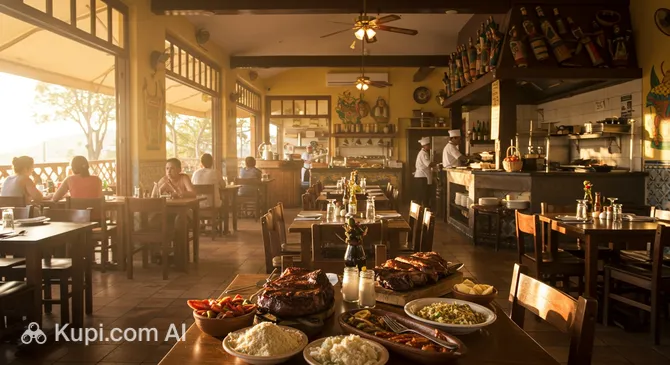
One of the most striking dishes you must try is "camarão na moranga"—tender shrimp baked inside a pumpkin with a thick cream sauce and aromatic herbs. Meat lovers will enjoy the famous Brazilian barbecue—churrasco. In local steakhouses, succulent meat is served on long skewers, accompanied by traditional sides of beans, pickled vegetables, and "vinagrete" sauce.

Galeteria da Nonna. Illustration.
Source: Kupi.com AI

Traveler photos:

For a quick bite while exploring, street snacks are excellent. In markets and cafes, you can find "pastel"—crispy fried pies with various fillings, or the popular cheese bread rolls, "pão de queijo." Those with a sweet tooth should look for desserts made from coconut and condensed milk, such as "queijada," which perfectly complement a meal.

Speaking of drinks, one cannot fail to mention mate (chimarrão). This herbal tea is an integral part of the culture of southern Brazil: locals drink it at any time of day from special vessels, and it is a true ritual of hospitality and friendship. The city also frequently hosts gastronomic festivals dedicated to seafood, where you can not only eat but also learn how to cook local delicacies.

To immerse yourself in the local life and buy fresh delicacies, stop by the Rio Grande Municipal Public Market. For a full dinner, you can choose from one of the city's cozy restaurants. For example, Galeteria da Nonna offers dishes with a homey feel, while Tutti Fratelli restaurant will delight you with its welcoming atmosphere and diverse menu.

Travel Tips

Preparing for your journey to Rio Grande will help you avoid minor troubles and enjoy the unique atmosphere of this port city in southern Brazil. Knowing the local peculiarities will make your trip comfortable and safe, allowing you to feel not just like a tourist, but like a welcome guest.

  1. Clothing and weather: Rio Grande is known for its winds, so even in the warm season, you should have a light windbreaker or a thick sweater in your suitcase. If you plan to visit in winter (June–August), prepare for the cold: temperatures can drop to 10°C, and the damp "minuano" wind can chill you to the bone, so a warm jacket and scarf are essential. For walks on the cobblestones of the historical center, choose the most comfortable flat-soled shoes.
  2. Transport nuances: To get around the city, it is most convenient and safest to use taxi apps (Uber or 99). This saves you from having to figure out bus routes without knowing the language and avoids issues with cash payments. If you decide to rent a car, remember that parking in the city center is often paid and finding a free spot can be difficult.
  3. Money and payment: The national currency is the real (BRL). Bank cards are accepted almost everywhere, but for buying souvenirs, street food, or paying for public transport, it is always worth having a small amount of cash. Tips in restaurants (usually 10%) are often already included in the bill as "taxa de serviço," but in taxis, it is customary to round up the amount.
  4. Language barrier and connectivity: Be prepared for the fact that English is rarely understood here. Download an offline translator and a city map in advance. When buying a local SIM card (Claro, Vivo, TIM) at service centers, they may ask for a passport and sometimes a local tax number (CPF), so it is easiest to use Wi-Fi in hotels and cafes or get a roaming package.
  5. Safety rules: Rio Grande is a relatively quiet city, but basic precautions are necessary. Do not leave your belongings unattended on the beach and do not display expensive equipment in deserted areas after dark. Drinking tap water is not recommended; it is better to buy bottled water in supermarkets.
  6. Traditions and etiquette: Local residents ("gauchos") are hospitable and honor their traditions. If you are offered the traditional drink chimarrão (mate), remember the main rule: never touch the metal straw (bomba) with your hands and do not stir the contents—this is considered disrespectful to the ritual. Drink the beverage until the end, until you hear a characteristic sound.
  7. Sign language: Be careful with gestures. The "OK" sign (a ring of fingers) popular in many countries has an offensive meaning in Brazil. To express approval, agreement, or gratitude, use the universal "thumbs up" gesture, which everyone here understands and likes.
  8. Store hours: When planning your shopping, keep in mind that after 1:00 PM on Saturdays and all day Sunday, most shops in the city center are closed. Life slows down, and only large shopping malls, pharmacies, and some supermarkets remain open.

Following these simple recommendations will help you easily blend into the rhythm of life in Rio Grande and focus on the main thing—exploring the rich history and nature of this amazing region.

Entertainment & Nightlife

Nightlife and entertainment in Rio Grande have their own special rhythm, which depends heavily on the time of year. Being both a port and a university center, the city offers tourists two completely different evening leisure scenarios: atmospheric gatherings in the historical center and lively parties on the ocean coast.

The epicenter of nightlife, especially during the warm months (from December to March), is the Praia do Cassino district. The main artery here is Avenida Rio Grande. In the evenings, this street turns into a continuous promenade: sun-kissed youth and tourists hop from bar to bar, and live music fills the air—ranging from traditional samba and pagode to modern rock and electronics. The atmosphere here is as democratic and relaxed as it gets, with virtually no dress code—even shorts and sandals are perfectly acceptable.

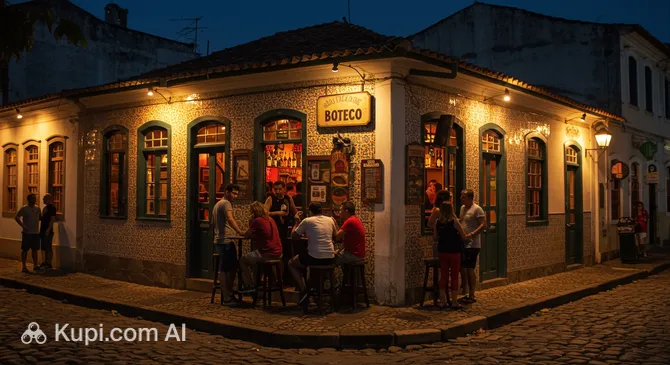
Mattilde Boteco. Illustration.
Source: Kupi.com AI

Traveler photos:

In the city itself (in the Centro district), life buzzes year-round thanks to local university students. "Boteco" formats are popular here—traditional Brazilian bars where the focus is not on the interior, but on socializing and ice-cold beer with snacks. A great example of such a place is Mattilde Boteco. This establishment is famous for its coziness and authenticity, gathering fans of good drinks and long conversations. If you want to combine an evening cocktail with a hearty dinner in a casual setting, it is worth checking out Lauspizza, which, despite its name, is a popular spot for evening meetups with friends.

Practical tips for party-goers:

  • Time: Evenings in Brazil start late. People start heading to bars around 9:00 PM – 10:00 PM, while nightclubs and dance floors fill up closer to midnight.
  • Safety: The city center and Cassino's main street are safe for evening walks; however, avoid deserted alleys and unlit sections of the beach at night.
  • Transport: After sunset, public transport runs infrequently. The most reliable and safe way to get to your hotel is to call a taxi through an app (Uber or 99). This saves you from having to find a taxi stand or explain directions to the driver.

As for daytime entertainment, Rio Grande's cultural life is not limited to beaches. The city features a Municipal Theater, which regularly hosts plays and concerts. Open-air festivals are also frequently held in the squares, especially in Tamandaré Square, where you can listen to local musicians and watch performances by folklore groups.

Parks & Museums

The cultural landscape and green areas of Rio Grande harmoniously complement its port atmosphere, offering tourists places for quiet relaxation and deep immersion into the region's history. The city features cozy squares to escape the heat and unique museum complexes dedicated to the inseparable bond between humans and the ocean.

Among the city's green oases, Tamandaré Square holds a special place. This is the largest and most famous square in the city, serving as a true center of social life. Here, amidst shaded trees and well-kept alleys, are monuments to heroes of Brazilian history, including the tomb of Admiral Tamandaré. Tourists come here to rest on benches, admire the fountains, and visit a small zoo located right on the grounds, making this an excellent choice for walks with children.

Another important recreational zone is Xavier Ferreira Square (Praça Xavier Ferreira), located in the historical center near the port. It is surrounded by majestic colonial-era buildings and is famous for its picturesque garden with a lake and bridges. It is an ideal location to enjoy the ocean breeze and the view of passing ships while surrounded by lush vegetation.

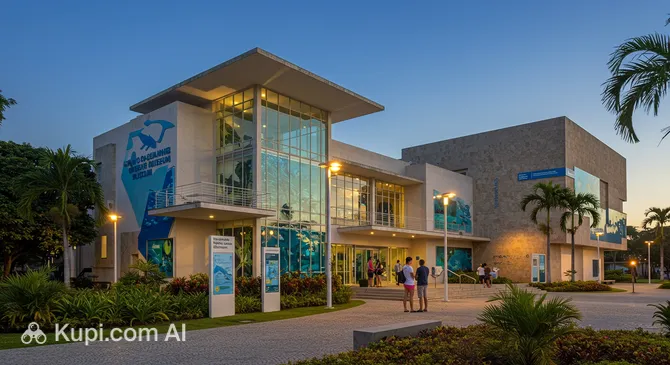
Oceanographic Museum Professor Eliezer C. Rios. Illustration.
Source: Kupi.com AI

Traveler photos:

When it comes to museums, one must mention the city's main pride—the Professor Eliezer C. Rios Oceanographic Museum. This museum complex is considered one of the most significant in South America and is a must-visit for anyone interested in marine nature. The exhibition includes impressive collections of shells, skeletons of marine mammals, and aquariums with Atlantic inhabitants. It also houses a Marine Animal Rehabilitation Center, giving the visit special meaning and educational value.

For those who want to understand the history of the city itself more deeply, the Museum of the City of Rio Grande (Museu da Cidade do Rio Grande) is of great interest. It is located in the historical building of the former customs house (Alfândega) and holds unique artifacts, photographs, and documents telling the story of the development of the state's first port. Also worth noting is the open-air cultural space—Rincão da Cebola, where the architecture of past centuries is a museum exhibit in itself, immersing you in the atmosphere of old Rio Grande.

Insider tip: If you have time, head to the Molhes da Barra—giant breakwaters extending far into the ocean. There, you can take a unique ride on a sail-powered cart (vagonetas) and see wild sea lions, which often bask on the rocks at the end of the path.

Getting Around

The public transport system in Rio Grande is quite simple and primarily focused on bus services, which cover almost the entire city, including remote districts and Cassino beach. There are no subways or trams here, so buses remain the main mode of transportation for locals and budget-conscious tourists. The route network connects the city center with residential neighborhoods, the university campus, and industrial zones.

To pay for bus fare, an electronic card system is used; however, for a short-term visit, it is easiest for a tourist to pay in cash. Enter through the front door and pay the conductor or driver for the ride; the ticket price is fixed and quite affordable. It is recommended to always have small bills and coins, as getting change from large banknotes can be an issue. If you plan to stay in the city for a long time, you can purchase a reloadable transport card at the "Mais Rio Grande" local transport system offices.

An important and colorful feature of the transport infrastructure is the water connection. Regular motorboats (lanchas) and a ferry connect Rio Grande with the city of São José do Norte, located on the opposite shore of the strait. The boat ride takes about 30 minutes and departs from the river station (Hidroviária) in the center. This is not only a convenient way to cross but also a great opportunity to enjoy views of the port and lagoon from the water for a small fee.

As an alternative to public transport, taxi services and ride-hailing apps like Uber and 99 are widespread in the city. This is the most comfortable and safe option for moving around in the evening and at night, as well as for traveling with luggage. Cars usually arrive quickly, and the cost of trips around the city remains moderate. Classic taxis can be found at specialized stands near major squares and the bus station.

Tourists should keep in mind that on weekends and holidays, bus intervals increase, and some routes may end earlier than usual. To plan trips, it is convenient to use popular navigation apps (for example, Moovit or Google Maps), which display schedules and local transport routes quite accurately. Stops are often marked with simple signs or shelters, so when waiting for a bus, it is customary to signal the driver with your hand to stop.

Accommodation

The choice of accommodation in Rio Grande is quite diverse and can satisfy the needs of most travelers, from backpackers to those who value comfort during business trips. The city's hotel infrastructure is clearly divided geographically, offering two completely different types of stays: urban and beach.

If your goal is to explore history, architecture, and museums, it is best to stay in the City Center (Centro). This is where most mid-range and budget hotels are concentrated. Staying in this area will put you within walking distance of the main attractions, the port, and transport hubs. It is a convenient option for those planning active walks who want to feel the pulse of the old city.

For lovers of the sea and relaxed vacations, the Praia do Cassino district, located about 20 kilometers from the center, is an ideal choice. This is a resort area where guest houses (pousadas), small hotels, and rental apartments predominate. Life here buzzes during the summer season (from December to March) when tourists and locals flock to the ocean. Staying here, you will fall asleep to the sound of the waves, but you will need to take a bus or taxi to reach the historical monuments.

The price range in Rio Grande can be described as moderate. There are many budget options and mid-range offers, but there are virtually no luxury five-star complexes. It is recommended to book accommodation through popular online platforms. Important tip: if you are planning a trip during the height of the Brazilian summer (December–February), especially to the Cassino area, make sure to book in advance, as the best options are snapped up very quickly.

Nearby Cities

For those looking to explore the surrounding area, Rio Grande serves as an excellent starting point for day trips to several interesting nearby locations. The region is rich in history and natural beauty, all within a one-to-two-hour drive.

One of the most popular destinations is Pelotas, located very close by. This city is famous for its magnificent colonial architecture and traditional sweets, which are considered a cultural heritage of Brazil. Another great option is São Lourenço do Sul, known as the "Pearl of the Lagoon." Here, you can relax on the calm beaches of Lagoa dos Patos and discover the heritage of German immigrants, which is clearly reflected in the local cuisine and architecture.

CityPopulationDistance
Sao Jose do Norte25 5037 km
Pelotas328 27537 km
Capão do Leão24 29848 km
Sao Lourenco do Sul43 11176 km
Cangucu53 25990 km

These nearby destinations provide an insight into the diverse culture and landscapes of the region, making your journey through southern Brazil even more fulfilling.

Shopping & Souvenirs

Shopping in Rio Grande is less about chasing global brands and more about connecting with local culture and finding unique goods that reflect the spirit of southern Brazil. While there aren't many luxury boutiques, the city offers a pleasant variety: from lively shopping streets in the historical center to modern malls and colorful markets. Tourists often note the friendly atmosphere of local shops and the willingness of sellers to help with choices.

The heart of trade in Rio Grande is the historical center, especially the pedestrian street Rua General Bacelar, known as the "Calçadão." This is the city's bustling artery, home to many clothing, shoe, electronics, and cosmetics stores. A walk here allows you to combine shopping with viewing ancient architecture. It is also worth checking out the nearby Rua Duque de Caxias, where you can find more specialized shops and cozy cafes to rest between purchases.

If you prefer comfortable shopping under one roof, head to Partage Shopping Rio Grande. This is the main and largest shopping center in the city, located on the way to Cassino beach. It features popular Brazilian chain brands (such as Renner, Riachuelo), has a large food court, a cinema, and a supermarket. It is a great place to buy everything you need, escape the summer heat, or pass a rainy day.

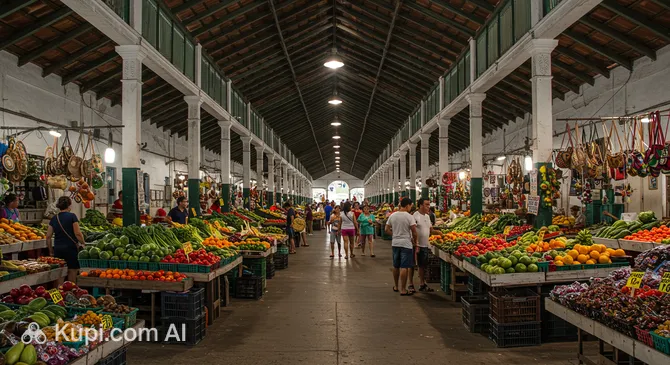
However, the real gem for tourists is the Rio Grande Municipal Public Market. This historical building is not just a commercial point, but a cultural monument. People come here for the freshest seafood the region is famous for, as well as fruits, spices, and items made by local artisans. The market atmosphere is lively and authentic, allowing you to feel the true taste of port life.

Rio Grande Municipal Public Market. Illustration.
Source: Kupi.com AI

Traveler photos:

As souvenirs from Rio Grande, items related to gaucho culture are worth bringing home. Look for the cuia and bomba—the traditional vessel and straw for drinking mate tea (chimarrão), which is consumed everywhere here. The region is also famous for high-quality leather goods (belts, wallets, shoes) and warm woolen items, such as ponchos, which will remind you of the trip on cool days. Don't forget gastronomic souvenirs: local cookies or sweets make excellent gifts.

Shops in the city center typically operate Monday to Friday from 9:00 AM to 6:00 PM or 7:00 PM, and close around 1:00 PM on Saturdays. Shopping malls stay open longer—usually until 10:00 PM, including weekends. Credit and debit cards (Visa, Mastercard) are accepted almost everywhere, but for purchases at the market or small street kiosks, it is better to have cash (reais) on hand.

The Tax Free system (VAT refund) for foreign tourists in the familiar European format is practically non-existent in Brazil and is unavailable in Rio Grande. Therefore, when planning your budget, you should rely on the prices shown on the tags, which are already final.

Reached the end of the page?

That means the route is fully explored