Support

Sao Lourenco do Sul

About

São Lourenço do Sul is a true hidden gem on the shores of Lagoa dos Patos, the largest lagoon in South America. Located in the south of Brazil, this cozy city offers travelers a unique combination of fresh Atlantic breezes and the vast green expanses of the pampa. Its location provides a mild climate and picturesque landscapes, allowing you to escape the hustle and bustle of big cities and fully immerse yourself in an atmosphere of tranquility.

With a population of about 43,000 people, São Lourenço do Sul retains the charming character of a provincial town where every guest feels at home. As the administrative center of the municipality of the same name, it is famous for its hospitality and measured pace of life. The interesting history of São Lourenço do Sul and the cultural traditions of the local residents give the city a special flavor that is felt in every detail—from the architecture to the local festivals.
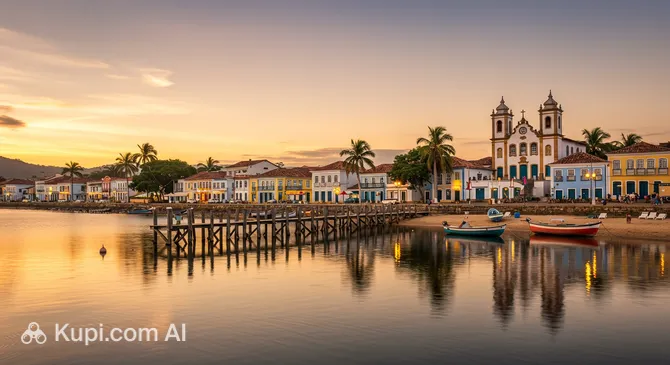
Sao Lourenco do Sul. Illustration.
Source: Kupi.com AI

The urban infrastructure is harmoniously integrated into the natural landscape, offering tourists comfort without losing connection with the environment. The main point of attraction is the lagoon beaches, where you can swim, go boating, or enjoy water sports. In the evenings, the center of activity shifts to the city streets and the waterfront: music plays, fairs are held, and locals discuss the latest news over a cup of coffee or a traditional drink in cozy cafes.

São Lourenço do Sul is an ideal destination for those seeking a harmony of nature and culture. We recommend visiting this city to get to know the authentic Brazilian countryside, taste unique local cuisine, and enjoy long walks through well-kept alleys and parks along the water.

Weather Overview

The climate in São Lourenço do Sul can be described as moderately warm, with distinct seasons, typical for the southern state of Rio Grande do Sul. Summer lasts from December to March and is pleasantly warm: in January, the average temperature is about 24.8°C, and during the day the air often warms up to 28.1°C. This time is ideal for relaxing by the lagoon, but one should consider the high probability of precipitation—the number of rainy days in the summer months varies from 12 to 16.

The winter period, falling in June, July, and August, brings a noticeable chill. The average temperature in July drops to 13.8°C, and at night it can get as cold as 10.3°C. During this time, it rains less frequently, about 9 days a month, but warm clothes will be absolutely necessary for comfortable walks. The shoulder seasons, such as April and October, offer a pleasant balance with comfortable temperatures around 18-20°C.

Expect a warm summer with occasional rain and cool winters with less precipitation. To choose the best time for your visit and pack the right wardrobe, we recommend checking what weather in São Lourenço do Sul is forecast for the coming days.

Average monthly temperature

Average monthly precipitation

Interesting Facts

Beyond its main attractions, São Lourenço do Sul holds many fascinating secrets that only reveal themselves to curious travelers. This city is a unique blend of cultures, where the Brazilian spirit is harmoniously intertwined with European heritage.

  • An Architectural Time Machine. Strolling through the city streets, it's easy to forget you're in South America. Thanks to German immigration in the mid-19th century, entire blocks of neat houses with tiled roofs and well-kept gardens have been preserved, recreating the atmosphere of cozy Old World settlements.

  • The "Brazilian Riviera." Locals and tourists often bestow this flattering title upon the city. Located on the shores of Lagoa dos Patos, it offers a vacation experience equal to any seaside resort: an endless horizon, warm waters, and picturesque landscapes create the illusion of being on the ocean coast, but with a calmer, family-oriented atmosphere.

  • Cultural Mix and Gaúcho Traditions. In São Lourenço do Sul, European roots are closely intertwined with gaúcho culture. A prime example is the traditional festival dedicated to mate, where you can not only appreciate the taste of this southern symbol but also watch performances by folklore groups performing the dances of the early settlers.

  • A Forge of Talents. The city is proud to be the birthplace of many famous Brazilian artists and athletes. The local community actively supports creative and athletic youth, turning this small resort into a significant cultural incubator for the region.

How to Get There

You can reach this cozy resort town in several ways, but travelers most often choose a combined route: a flight to one of the nearest major cities followed by a bus trip or a drive in a rented car. You can find out more about how to get to São Lourenço do Sul by exploring all available route options.

São Lourenço do Sul itself does not have an airport, so the main air hub for tourists is Salgado Filho Airport (IATA: POA). It is located in the state capital, Porto Alegre, about 170 km from São Lourenço do Sul. This is a major international airport with a large passenger flow, receiving flights from all over the world. The journey from there to the resort takes about 4.5 hours by bus or taxi. Another closer option is Pelotas Airport (IATA: PET) in the city of Pelotas, located just 51 km away. This is a regional hub with a smaller passenger flow, but the journey from it to São Lourenço do Sul takes only about 1.5 hours.

For clarity, here is a summary of the main airports:

AirportPassenger trafficDistance
Pelotas Airport100 00051 km
Salgado Filho International Airport7.5 mln171 km
Santa Maria Airport46 300246 km
Hugo Cantergiani Regional Airport449 388252 km

Rail service for passenger transport is practically non-existent in this region of Brazil, so you won't be able to reach São Lourenço do Sul by train. The main alternative is road transport. The city is connected to neighboring regions by a network of highways, and comfortable intercity buses run regularly, especially from Porto Alegre and Pelotas. Many tourists also prefer to rent a car at their arrival airport to enjoy the scenic views on the way to the lagoon.

Main Attractions

Nereidas Beach (Praia das Nereidas) is perhaps the city's signature landmark and the most popular holiday spot on the shores of Lagoa dos Patos. The beach is famous for its calm, warm waters and wide sandy strip, making it an ideal choice for families with children. A special feature of this place is the sprawling fig trees (figueiras) growing along the shore, providing welcome shade on hot days. It also offers excellent conditions for water sports enthusiasts, especially windsurfing and kitesurfing.

For those interested in history, Fazenda do Sobrado is a must-visit. This majestic 19th-century building played an important role during the Farroupilha Revolution—a conflict that shaped the history of southern Brazil. The estate served as a headquarters for the rebels and is now an important historical monument. The architecture of the building and the surrounding park allow you to step back in time and feel the atmosphere of that era.

A journey along the Pomeranian Path (Caminho Pomerano) offers a unique cultural experience. This tourist route runs through the rural areas of the municipality and introduces guests to the heritage of Pomeranian immigrants. Tourists can visit traditional farms, see ancient architecture, taste national dishes, and purchase handmade crafts. It is a great opportunity to learn about the lives and traditions of the people who shaped the unique identity of this region.

Another natural attraction is Barrinha Beach (Praia da Barrinha). It is located at the picturesque confluence of the São Lourenço River and the lagoon. The beach features a calm atmosphere and beautiful scenery, especially at sunset when the sun dips into the waters of the bay. It is a wonderful place for long walks, picnics, and observing local fauna, including many birds that inhabit the coastal zone.

Local Cuisine

The gastronomic scene of São Lourenço do Sul is a fascinating journey where the traditions of the southern gaúchos are harmoniously intertwined with German culinary heritage and the freshness of coastal cuisine. Here, food is not just about satisfying hunger, but an important part of the culture and a way to bring people together. When traveling through the south of Brazil, you must experience this unique mix of flavors.

The king of the local table is undoubtedly churrasco. This is succulent grilled meat prepared according to ancient recipes using rock salt and aromatic spices. Serving the dish often becomes a ritual: it is served on large wooden boards, highlighting the region's rustic flavor. For those who prefer heartier and thicker dishes, local restaurants will offer feijoada—a rich stew of black beans and various types of meat, which is considered a national treasure.

Proximity to Lagoa dos Patos leaves its mark on the menu: fish and seafood are superbly prepared here. Fresh catches from the lagoon make their way to the kitchens of local cafes, where they are fried, stewed, or baked. A special place in local cooking is held by snacks inherited from German settlers: various smoked meats, pickled vegetables, and homemade bread, which are perfect for a light snack.

Those with a sweet tooth will remember São Lourenço do Sul for its famous German cakes (kuchen) and fragrant pastries, which can be found at street markets and in small bakeries. This immigrant heritage is carefully preserved by locals, and recipes are passed down from generation to generation. A stroll through the market will also allow you to enjoy an abundance of fresh fruit grown in the surrounding orchards.

When talking about drinks, it is impossible not to mention mate (chimarrão). This is a strong herbal tea drunk from a special vessel—a calabash—through a metal straw. Mate is a symbol of hospitality and friendship; it is customary to drink it in company, slowly discussing the latest news. Among alcoholic beverages, local craft beer is worth noting, as its production also has roots in the region's German traditions.

The food culture in the city is accessible and diverse. Locals love to gather at gastronomic festivals, where chefs compete in skill and the air is filled with the smells of grilled meat and sweets. For a daily lunch or dinner, tourists choose cozy family restaurants or buy street food at fairs to experience the real taste of life in this hospitable corner.

Travel Tips

A trip to São Lourenço do Sul promises to be relaxed and full of pleasant impressions if you consider a few local features in advance. We have prepared a list of practical recommendations to help you feel confident and avoid minor inconveniences in this hospitable corner located in the south of Brazil.

  1. Clothing and Essentials. The weather in the region can be changeable. In summer (December–March), you will need light beach clothes, but be sure to bring a windbreaker or sweater for evening walks along the lagoon, where it is often windy. In winter, warm clothes and jackets will come in handy. Since the city is great for long walks, comfortable shoes without heels are a must. Don't forget a travel adapter (Brazil uses type N, the voltage is often 220V, but it's better to check your specific accommodation).

  2. Transport. São Lourenço do Sul features flat terrain, so the best way to get around is by bicycle. Rental points are available, and the bike paths are convenient. For long distances, you can use taxis or apps (Uber), but the wait for a car can be long. Renting a car makes sense if you plan to explore the rest of the state.

  3. Finances. The official currency is the Brazilian Real (BRL). Cards are widely accepted in supermarkets and restaurants; however, for purchases at beach kiosks, craft fairs, or bus fares, always have cash with you (preferably small bills). There are ATMs in the city center, but international cards may not work in all terminals (look for Banco24Horas stickers).

  4. Health and Safety. The city is considered safe for tourists, but basic precautions (not leaving things unattended on the beach) should still be taken. A main feature of holidaying by the lagoon is the presence of insects, so repellent must be in your first aid kit. Also, do not underestimate the sun: because of the wind, the heat feels less intense, so use sunscreen with a high SPF.

  5. Communication. The primary language is Portuguese. Few people here know English, so we strongly recommend downloading an offline translator and learning a few phrases (“Bom dia”—good day, “Obrigado”—thank you). You can buy a SIM card from local operators (Vivo, Claro, TIM) in pharmacies or mobile shops in the center; a passport is required for registration.

  6. Local Etiquette. People in the south are very friendly and hospitable. When meeting, it is customary to shake hands or exchange kisses on the cheek (even with new acquaintances). If you are invited to join a group for a traditional chimarrão (mate), remember that the gourd is passed in a circle, and declining your turn before the drink is finished is considered impolite.

  7. What to Avoid. Never touch or adjust the metal straw (bombilla) with your hands when drinking mate. For locals ("gaúchos"), this is a serious breach of etiquette that can ruin the drink. Also, avoid swimming in the lagoon in areas not marked by lifeguard flags, as despite the calm appearance, there may be currents or sudden changes in depth.

  8. Additional Tip. Take into account the local pace of life and the siesta. Many small shops and offices in the city close for a lunch break from 12:00 PM to 2:00 PM. Plan your shopping and important errands for the morning or late afternoon to avoid finding yourself in front of closed doors.

We hope these tips help you easily blend into the rhythm of life in São Lourenço do Sul and get the most out of your holiday. Enjoy the nature, the interaction with locals, and the unique atmosphere of this Brazilian resort!

Entertainment & Nightlife

Nightlife in São Lourenço do Sul is characterized by a calm and relaxed nature, perfectly suited for a lagoon-side resort. You won't find massive multi-story nightclubs with laser shows typical of large metropolises here. Instead, the city offers cozy evenings accompanied by live music, the fresh breeze from Lagoa dos Patos, and a friendly atmosphere where locals and tourists mix as one big group.

The epicenter of evening entertainment is the waterfront (Orla) and the Praia das Nereidas beach area. This is where the bulk of bars, restaurants, and beach kiosks (quiosques) are concentrated, which turn into lively social hubs after sunset. During the high season (December to March), life here buzzes until late at night, with the rhythms of sertanejo (Brazilian country music), pagode, and gaúcho rock drifting from the venues. The crowd is diverse—from young people to families—and the dress code is very casual: shorts and t-shirts are perfectly appropriate even in the evening.

Among the popular formats of establishments, gastropubs and breweries stand out. Given the region's strong German roots, local craft beer is highly respected. Many venues offer tasting sets accompanied by traditional snacks. If you are looking for a place for dinner that smoothly transitions into a party, look for restaurants along Avenida Getúlio Vargas. Here you can not only enjoy a delicious meal but also watch performances by local music bands.

Practical tips for tourists:

  • Opening hours: Most bars start to fill up after 9:00 PM. On weekdays, the fun winds down around midnight, but on Fridays and Saturdays, it continues until 2:00 or 3:00 AM.
  • Safety: São Lourenço do Sul is considered a safe city. Walking along the well-lit waterfront is quite comfortable, but it is better to return to remote areas (pousadas on the outskirts) by taxi or ride-sharing apps.
  • Prices: The cost of cocktails and dinner here is significantly lower than in large cities like Porto Alegre, making night-time leisure very affordable.

If you want to diversify your leisure time during the day, the city offers plenty of interesting options. Fans of quiet relaxation can visit local parks or take a rural excursion ("The Pomeranian Path") to see historical estates. For those who prefer a cultural program, the doors of small museums and craft centers are open, where you can learn about the history of the region's colonization.

Parks & Museums

São Lourenço do Sul attracts tourists not only with its beaches but also with its well-kept green areas and a rich cultural heritage carefully preserved in local museums. The city offers a harmonious combination of outdoor walks and immersion into the history of German and Pomeranian colonization, making a holiday here fulfilling and educational.

Among the green zones, Dedê Serpa Central Square (Praça Central Dedê Serpa) holds a special place. This is the true heart of the city, where both locals and tourists love to relax. The spacious square is characterized by an abundance of greenery, well-kept alleys, and seating areas, making it an ideal place for leisurely strolls in the shade of trees or a family picnic. City events are often held here, and the architectural ensemble around the square adds a special charm.

For those seeking closer contact with nature, the Municipal Campsite (Camping Municipal da Lagoa dos Patos) is an excellent choice. Located on the shore of the lagoon, it is a vast park area of about 12 hectares where various species of local trees grow. It is a wonderful place for bird watching, walking along forest paths, and enjoying the silence away from the city noise.

You can dive into the region's past at the São Lourenço do Sul Historical Museum (Museu Histórico Municipal). It is located in the cultural center building and possesses a rich collection telling the story of the lives of the first settlers, and the development of trade and medicine in the city. The exhibition includes old photographs, documents, household items, and tools that allow you to vividly imagine how people lived in this land over a hundred years ago.

A unique cultural site is the "Memórias und Andenken" Museum, located in the rural area on the "Pomeranian Path" route. This is a private museum created by a family of immigrant descendants, which preserves the history of one family over a century. Here you can see rare relics, including clothing, furniture, and personal items brought from Pomerania. Visiting this museum is an emotional journey that reveals the soul of the local community.

In terms of architecture, the Solar Bella Vista building, which now houses the historical museum and library, is worth noting. This neoclassical mansion, built in 1919, is an attraction in its own right. Also of interest is the Evangelical Church (Igreja Evangélica de Confissão Luterana), known as "Igreja Três de Maio," located opposite the central square and serving as a symbol of the faith and traditions of the German settlers.

Insider Tip: If you have the time, be sure to head into the heart of the municipality along the Caminho Pomerano tourist route. In addition to museums, you can find old rural estates and taste authentic local cuisine in an atmospheric setting, which often remains off the radar for tourists who limit themselves to just beach holidays.

Getting Around

The transport system in São Lourenço do Sul is organized quite simply and intuitively, fully corresponding to the measured pace of life in this small resort town. Since distances here are small and the landscape is predominantly flat, many tourists prefer to get around on foot or by bicycle. There are no subways, trams, or trolleybuses here; the main form of public transport is buses.

City bus routes connect the center with the main residential areas and, most importantly for travelers, with beach zones and campsites. Buses run regularly, but intervals can range from 30 minutes to an hour, and there are fewer services on weekends and holidays. It is best to check the schedule in advance: it is often posted at terminal stops or published on the social media pages of local carriers, as data in global navigation apps may be updated with a delay.

The fare payment system is as conservative and convenient as possible for guests not planning a long stay. In city buses, payment is made in cash (in local currency) directly to the conductor or driver upon entry. Special transport cards are used mainly by locals and students, so there is no point for tourists to purchase them. We strongly recommend having small bills and coins with you, as there may not be change for large bank notes.

For more comfortable and faster travel, taxi services and popular ride-hailing apps (such as Uber or 99) are available. However, keep in mind that the number of cars in the app may be limited, especially at night or in the low season. In such cases, it is more reliable to use official taxis, whose stands are located in the city center and at the bus station.

Bicycles are particularly popular in São Lourenço do Sul. Thanks to the flat terrain and the presence of bike paths, especially along the picturesque lagoon waterfront, two-wheeled transport has become a true symbol of the city. Rental points can be found in tourist zones and some hotels. This is perhaps the most pleasant way to explore the surroundings, enjoying the fresh air and views.

During the high summer season, a colorful form of tourist transport appears on the streets—the "dindinho." These are small open-sided buses or carriages that run along the beaches and main attractions. A ride on them is not just a way to get from point A to point B, but a fun activity that allows you to soak up the resort atmosphere with music and a breeze.

Accommodation

São Lourenço do Sul offers tourists a cozy and homey atmosphere that is very different from large metropolises with their faceless hotel chains. The local housing market is based on pousadas—small guest houses, often family-run, where guests are offered breakfast with homemade pastries and a personalized touch. Additionally, the short-term rental sector is well-developed in the city: tourists often rent furnished apartments or entire houses, which is especially convenient for large groups and families with children. For those who prefer maximum proximity to nature and affordability, a popular municipal campsite on the shore of the lagoon is available.

When choosing a place to stay, you should consider the purpose of your visit. Most tourists aim to stay in the areas adjacent to Praia das Nereidas and Praia da Barrinha. This is the liveliest part of the city, where restaurants, bars, and recreation areas are concentrated, and the water is literally just a few steps away. If peace and quiet, access to supermarkets, and historical architecture are more important to you, consider options in the City Center (Centro). Given the small size of São Lourenço do Sul, you can reach the beach from the center in 15–20 minutes on foot or even faster by bicycle.

Booking Tip: The high season here lasts from December to March, and during this time, the city fills up with holidaymakers from neighboring regions. If you are planning a trip for New Year, Carnival, or the height of summer, book your accommodation in advance (preferably 2–3 months ahead). In the off-season, finding a free room is much easier, and prices become significantly more attractive.

The price range in the city can be described as moderate. There are options ranging from budget spots in the campsite or simple hostels to comfortable mid-range rooms in the best pousadas. There are practically no luxury five-star resorts here. For booking, you can use major international online platforms; however, keep local specifics in mind: many owners of small guest houses prefer to take bookings directly via messaging apps or social media, which can sometimes result in a discount.

Nearby Cities

For those who want to explore the surrounding area, São Lourenço do Sul serves as an excellent starting point for day trips to several interesting nearby locations. The Rio Grande do Sul region is rich in history and natural beauty, and cities with completely unique atmospheres can be found just an hour or two away.

CityPopulationDistance
Pelotas328 27556 km
Camaquã62 76460 km
Capão do Leão24 29865 km
Cangucu53 25966 km
Sao Jose do Norte25 50371 km

Here are several destinations that we particularly recommend for a short trip:

Pelotas. Located just 56 km away, this city is often called the "Princess of the South." It is famous for its magnificent 19th-century colonial architecture, from a time when the city flourished due to the production of dried meat (charque). However, today Pelotas is better known as the national capital of sweets. Be sure to visit the historic center and try traditional desserts, whose recipes are part of Brazil's intangible heritage.

Rio Grande. This is the oldest city in the state and its most important seaport, located 76 km from São Lourenço do Sul. It is worth coming here to see the famous Cassino Beach (Praia do Cassino), which is listed in the Guinness World Records as the longest sea beach in the world. The city is also interesting for its Oceanographic Museum and historical buildings related to maritime trade.

Camaquã. This city, located 60 km away, is known as the "National Capital of Rice." It is closely linked to the history of the Farroupilha Revolution and gaúcho culture. It is a great place for those who want to immerse themselves in the calm atmosphere of the countryside, see historical monuments, and enjoy the landscapes of the pampa.

These nearby destinations provide an insight into the diverse culture and landscapes of the region, from exquisite architecture to endless ocean beaches.

Shopping & Souvenirs

Shopping in São Lourenço do Sul is not a pursuit of global brands or high fashion, but rather an opportunity to connect with local culture and traditions. The city cannot boast of huge shopping malls, but it charms with its small, cozy shops where every item has a story. Here, the shopping process is closely linked to gastronomy and crafts that reflect the heritage of German immigrants and gaúcho culture.

The heart of the city's commercial life is the center (Centro). The main shopping artery is Rua Coronel Alfredo Born. Strolling along it, tourists will find many shops for clothing, shoes, pharmacies, and souvenir stalls. This is a lively place where locals do their daily shopping and travelers can find everything they need for a beach holiday or memorable gifts. In the summer season (December to March), trade also picks up in the coastal area, where temporary kiosks with beach supplies and accessories open.

There are no large shopping centers in the conventional sense in São Lourenço do Sul. Instead, small shopping galleries are common here, located in the central part of the city. They usually house boutiques with local brands, cosmetics stores, and small cafes. This is a convenient option for those who want to make quick purchases in a comfortable environment, sheltered from the summer heat.

Local markets and fairs, which are an important part of city culture, deserve special attention. You should definitely visit the Artisan's House (Casa do Artesão). This is a place where the work of the region's best craftsmen is gathered: from knitwear and embroidery to ceramics and wooden toys. Also, producer fairs (Feira do Produtor) are regularly held in the city, where farmers sell fresh vegetables, fruits, homemade cheeses, and sausages. This is a great opportunity to try authentic regional products without retail markups.

If you are wondering what to bring back from your trip, consider the following souvenirs:

  • Colonial Products: Traditional cookies, homemade jams (especially fig), honey, and preserved vegetables. These delicious souvenirs are part of the Pomeranian settler heritage.
  • Wool and Leather Goods: Warm ponchos, sheepskin slippers, or leather belts made in the gaúcho style make excellent gifts.
  • Mate Sets: A calabash (gourd cup) and a bombilla (metal straw)—symbols of the south of Brazil.

Most shops in the city are open Monday to Friday from 08:30 or 09:00 AM to 6:30 PM, often with a lunch break (siesta) from 12:00 PM to 1:30 or 2:00 PM. On Saturdays, retail outlets are usually only open until noon, although supermarkets and souvenir shops may stay open longer. Most shops are closed on Sundays.

Regarding payment, credit and debit cards (Visa, Mastercard) are accepted almost everywhere. However, for purchases at small fairs or beach kiosks, it is better to have cash (Brazilian Reais) with you, as not all sellers may have terminals.

The Tax Free system (tax refund) is generally not applied in small Brazilian towns like São Lourenço do Sul. Tourists should not expect a VAT refund for purchases made in local stores.

Reached the end of the page?

That means the route is fully explored