Support

Coffee Museum

About

The Coffee Museum in Santos is not just an exhibition; it is a true immersion into the history of Brazil's primary treasure. It is housed in the magnificent historic building of the former coffee exchange (Bolsa Oficial de Café), where the fate of the country's entire harvest was once decided. This cultural center is dedicated to the history of coffee, its production, and its enormous influence on the economic and social development of Brazil.
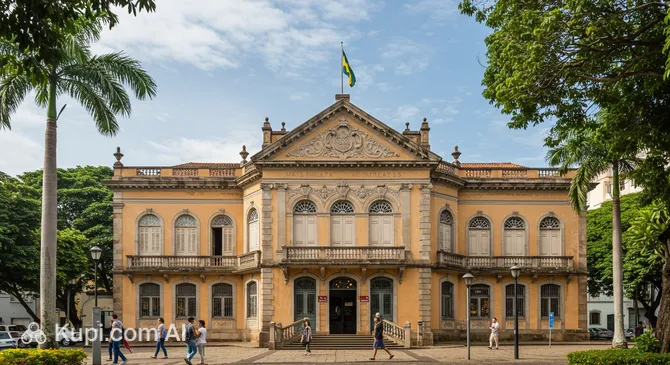
Coffee Museum. Illustration.
Source: Kupi.com AI

Traveler photos:

The museum building itself is an architectural landmark in its own right, impressive in its grandeur. Built in 1922, it combines several architectural styles, and its clock tower is visible from afar. Inside, visitors are greeted by luxurious halls decorated with paintings and magnificent stained-glass windows by the artist Benedito Calixto, which tell the story of the country's development.

The heart of the museum is the former "Auction Hall" (Trading Hall), where deals determining global coffee prices were made for decades. Today, in this hall, surrounded by massive jacaranda chairs, you can feel the spirit of that era and imagine how Brazil's economic history was shaped. Visiting the museum is a unique opportunity to touch the "coffee soul" of the country and, of course, end your visit with a cup of aromatic local coffee in the famous museum cafe.

Contacts

To plan your visit and check up-to-date information on exhibitions and ticket prices, it is recommended to consult official sources. The Coffee Museum's main contact details will help you with this.

How to contactContact
AddressR. Quinze de Novembro, 95 - Centro, Santos - SP, 11010-150, Brazil
Phone number+55 13 3213-1750
Websitewww.museudocafe.org.br

What to Do

A visit to the Coffee Museum is a fascinating journey into the past, allowing you to trace the entire history of this drink in Brazil. The exhibition takes you from the appearance of the first coffee bush on Brazilian soil through the heyday of the plantations to the present day. You will learn not only about the coffee-making process but also immerse yourself in the atmosphere of traditional coffee farms, learning about their life and culture.

Special attention in the museum is paid to the tools and technologies used for processing coffee beans. Among the exhibits, you will see the "Abanador"—a special sieve for sifting and cleaning the harvest of leaves, the "gamela" basket for carrying beans, and the massive "pilão" mortar, where coffee was ground by hand. Old mechanisms for manual bean selection and machines that stripped the skin from coffee cherries are also on display, clearly demonstrating the long journey a bean takes before it reaches the cup.

You can finish your tour in the cozy museum cafe, which is considered one of the best in the city. Here, you can enjoy a cup of freshly brewed Brazilian coffee prepared according to all the rules. And in the local shop, you can buy not only souvenirs but also several varieties of select coffee to take a piece of Brazil's coffee history home with you.

Getting There

The Coffee Museum is conveniently located in the heart of the historic center of Santos, making it easily accessible for tourists. If you are staying nearby or are already strolling through the old streets, the best way to reach the museum is on foot. This walk allows you to fully enjoy the colorful architecture and atmosphere of this port city.

For those who prefer public transport, the city has a well-developed bus network. Many routes pass through the center, so getting to the museum is quite simple. But the most authentic way is a ride on the historic tram (Linha Turística de Bonde), which is an attraction in itself. Its route runs through the picturesque parts of the center, and one of the stops is in the immediate vicinity of the former coffee exchange building.

Getting to Santos from other cities, such as São Paulo, is also very easy. Comfortable buses depart regularly from the Jabaquara terminal in São Paulo and arrive at the main bus station in Santos. The trip takes an average of one and a half to two hours. From the bus station, you can quickly reach the Coffee Museum by taxi, ride-sharing apps, or a local bus heading toward the city center.

Nearest city: Santos

History & Facts

The history of the Coffee Museum is inextricably linked to the history of the drink itself in Brazil. Opened in 1998, the museum preserves the memory of the "coffee fever" that swept the country. It all began with the arrival of the first coffee seedlings, which, according to one version, were smuggled out of Réunion Island despite a ban. Legend has it that a Brazilian colonel received a bouquet from his lover in which the coveted sprigs were hidden. Another more prosaic version suggests industrial espionage, but both agree that this was the start of the great coffee era.

The rise of the coffee industry also had a downside. In the 19th century, slave labor was used extensively on plantations, with the number of slaves reaching about four million by 1888. After the abolition of slavery, a labor shortage arose, triggering a massive wave of immigration. Between 1875 and 1930, more than two million people came to the country in search of a better life, nearly a million of whom were Italians ready to work in the coffee fields. The museum pays significant attention to these social processes, showing the price Brazil paid to become the world's coffee leader.

The coffee boom radically changed the country's economy, boosting infrastructure development—specifically the rapid expansion of the railway network to transport the harvest to the port of Santos. Today, coffee-growing traditions live on: around 4.5 million coffee trees grow on plantations, most of which are family-owned. Thus, the history presented in the museum is not just a story about a popular drink, but a narrative about the fates of millions of people and the development of an entire nation.

Time Needed

For a thorough and leisurely exploration of the main exhibition at the Coffee Museum in Santos, it is recommended to set aside approximately 1.5–2 hours. This will be enough time to see the magnificent halls of the former coffee exchange’s historic building, view the key exhibits detailing the journey of coffee from plantation to cup, and feel the atmosphere of the famous Auction Hall, where Brazil's economic history was once decided.

If you want to dive deeper into the subject, you should plan for more time. For instance, a guided tour, which shares interesting details and facts, can take about two hours. Additionally, for many, a break at the famous museum cafe—considered one of the best in the city—is an essential part of the visit. Including a tasting of various Brazilian coffee varieties and shopping for souvenirs, the visit can easily last 2.5–3 hours, turning into a pleasant and educational experience for an entire morning or afternoon.

Working Hours

The Coffee Museum is open to visitors almost year-round, providing a great opportunity to visit in any season. The museum's doors are open from Tuesday to Saturday from 09:00 to 18:00 and on Sundays from 10:00 to 18:00. It is important to note that the ticket office closes at 17:00, one hour before the museum itself. Monday is the closing day. On Saturdays, admission to the museum is often free, which makes visiting even more attractive.

Generally, advance booking for individual visits is not required, and tickets can be purchased on-site. However, if you are planning a visit with a tour group or want to book special services, it is recommended to contact the administration in advance. To avoid queues and stay informed about any changes to the schedule or special events, it is always useful to check for current information on the museum's official website before your trip.

DayOpening hours
MondayClosed
Tuesday9:00 – 17:00
Wednesday9:00 – 17:00
Thursday9:00 – 17:00
Friday9:00 – 17:00
Saturday9:00 – 17:00
Sunday10:00 – 17:00

Nearby

Visiting the Coffee Museum is just the beginning of your introduction to the rich history and culture of Santos. The city's historic center, where the museum is located, is a treasure trove of interesting sites, most of which are within easy walking distance. A walk through the surrounding area will allow you to dive deeper into the atmosphere of this port city and see how the coffee past and modern life are closely intertwined.

By setting aside some time to explore nearby attractions, you can get a more complete picture of Santos. Just a few steps from the Coffee Museum, you will find other iconic landmarks, from historic squares to cultural centers dedicated to other Brazilian legends. Below is a list of interesting places located nearby.

NameDistance
Nosso Bar History0.2 km
Docks Eventos0.2 km
Mauá Square – Historic Center of Santos0.2 km
Pelé Museum0.3 km
Old Jail of Santos0.4 km
Santos Tourist Tram0.4 km
Sacred Art Museum of Santos0.6 km

Have you reached the end of the page?

So the route has been studied inside and out