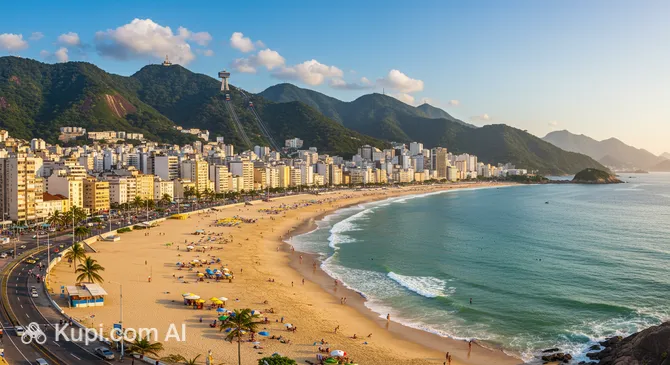
Santos is one of the most colorful coastal cities in Brazil, located in the state of São Paulo. It harmoniously combines the dynamism of Latin America's largest seaport with the relaxed atmosphere of a popular resort. With a population of about 1.8 million in the metropolitan area, the city is an important economic hub, whose character is defined by ocean liners, endless beaches, and a rich coffee-trading past.
The city's geographical location is unique: part of its territory is situated on the island of São Vicente, creating a special connection with the water. Santos. Illustration.
Source: Kupi.com AI
The unique history of Santos is closely intertwined with the "coffee fever," which transformed a small port into a thriving metropolis whose architectural heritage still adorns the streets of the historical center.
For tourists, the city is primarily attractive for its giant waterfront, decorated with the world's longest beachfront gardens, as well as the Coffee Museum and vintage trams. Santos offers guests a rare opportunity to see industrial port power meet the natural beauty of the Atlantic coast, inviting everyone to enjoy walks by the ocean and a cup of the best Brazilian coffee.
Weather Overview
Due to its coastal location, Santos is heavily influenced by the ocean, which forms a mild and humid maritime climate in Santos. The city is characterized by warm temperatures throughout the year, although air humidity always remains quite high.
The summer months (December to March) are the hottest: the average maximum reaches 27°C, but it is during this period that the greatest amount of precipitation falls, often in the form of short but intense downpours. Winter in Santos is very mild: even in the coolest months, such as July and August, daytime temperatures rarely drop below 18-22°C, making the city comfortable for excursions at any time of year.
When planning your trip, it's worth considering that the ocean breeze tempers the heat on the waterfront, but it can be muggy in densely built-up neighborhoods. If your goal is a beach holiday, the best time to visit is spring and early autumn, when rains happen less frequently and the water temperature remains pleasant for swimming.
Average monthly temperature
Average monthly precipitation
Interesting Facts
Santos is officially listed in the Guinness World Records as the owner of the longest beachfront garden in the world, stretching over five kilometers along the shoreline.
The city operates a unique historical tram, the Linha Turística de Bonde, with carriages brought from various countries around the world, including Scotland, Portugal, and Italy.
The local football club "Santos" was where the "King of Football," Pelé, spent almost his entire career, making the city a sacred place for millions of fans.
The Coffee Museum, located in the former coffee exchange building, is one of the most beautiful architectural sites in the region; its interiors with stained glass and marble floors resemble a true palace.
The Port of Santos is the largest in Latin America, and most of Brazil's coffee exports to the rest of the world pass through it.
How to Get There
Thanks to its location on the coast of the state of São Paulo, Santos is an easily accessible destination. Although the city has its own IATA code (SSZ), most travelers arrive via the major international hubs of the neighboring metropolis. Read more about how to get to the city by studying the routes from São Paulo, which is connected to the coast by modern highways.
Most tourists use Guarulhos or Congonhas airports in São Paulo, from where Santos can be reached by comfortable buses or taxis in about an hour and a half to two hours. It is worth noting that traffic jams often occur on the roads leading to the ocean on weekends and holidays, so travel time can increase significantly.
Railway communication in the region is currently primarily focused on port freight transport, so passenger trains to Santos from other major cities in the state practically do not run. Nevertheless, the bus network is excellently developed: the city's bus station receives routes from all over Brazil.
Main Attractions
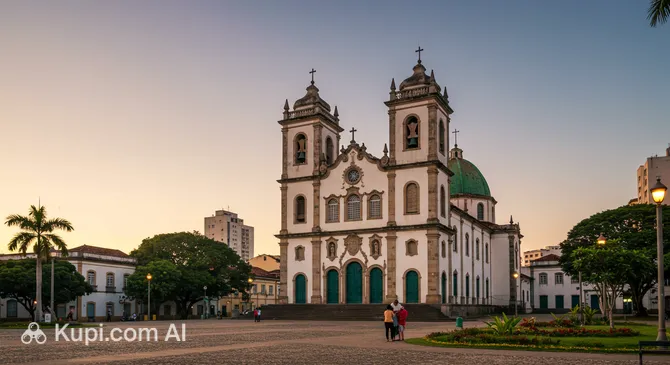
The city's main attractions are concentrated along its picturesque waterfront and in the historical core. One of the most impressive sites is the Basilica of Our Lady of Mount Serrat and St. Anthony of Embaré. This magnificent Neo-Gothic building amazes with its elegant towers and detailed facade. Inside, visitors will find stunning paintings and stained glass windows that create an atmosphere of solemnity and peace.
Minor Basilica of St. Anthony of Embaré. Illustration.
Source: Kupi.com AI
Traveler photos:
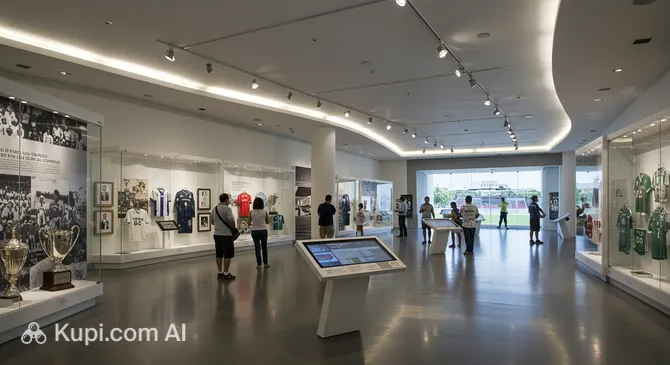
For sports fans, a must-visit is the Santos FC Memorial of Achievements. Located at the famous Vila Belmiro stadium, this museum is dedicated to the history of the legendary football club where the great Pelé shone. Here you can see rare trophies, photographs, and personal belongings of the players who made Brazilian football world-famous.
Santos FC Memorial of Achievements. Illustration.
Source: Kupi.com AI
Traveler photos:
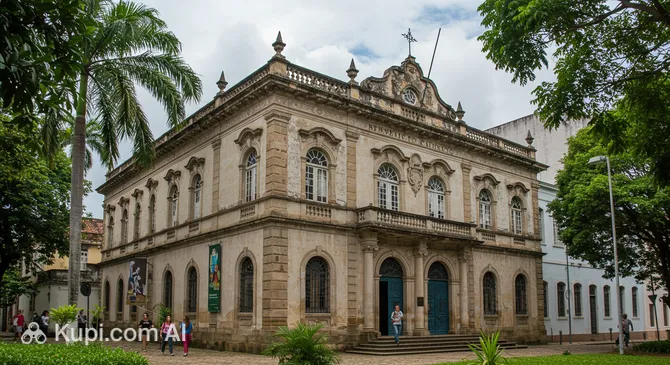
Art lovers should check out a place like the Benedito Calixto Pinacotheca. Housed in an elegant white mansion from the early 20th century, the gallery holds works by one of Brazil's most significant artists. Visiting the pinacotheca is not only an introduction to painting but also an opportunity to enjoy the architecture of the "golden age" of the coffee trade in Santos.
Benedito Calixto Art Gallery. Illustration.
Source: Kupi.com AI
Traveler photos:
Local Cuisine
The gastronomy of Santos is primarily based on the freshest gifts of the Atlantic. Thanks to the proximity of the largest port, fish and seafood are always in abundance here. The main local specialties are dishes cooked in clay pots, as well as various versions of fried fish served in numerous coastal kiosks (quiosques). Don't miss the chance to try "Casquinha de Siri"—baked crab meat that pairs perfectly with local beer.
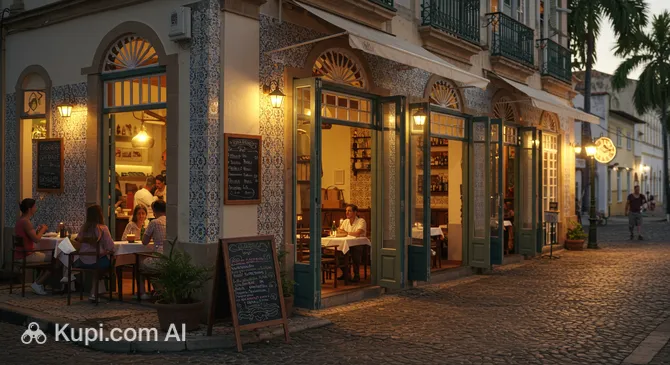
The city's coffee history has also left its mark on the food culture. In Santos, a cup of coffee is not just a drink, but a ritual. There are many coffee shops in the historical center and the port area where you can try elite varieties of Brazilian Arabica. Among the establishments with a special atmosphere, the Van Gogh restaurant stands out, known for its attention to detail and high-quality cuisine, where European traditions meet Brazilian hospitality.
Van Gogh. Illustration.
Source: Kupi.com AI
Traveler photos:
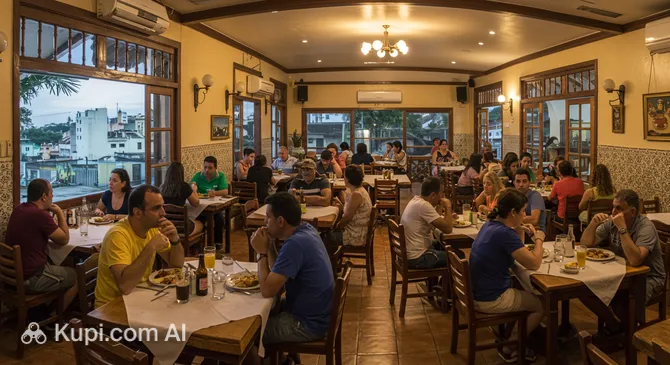
For those looking for variety, Emporium Nova Era is a great fit. This place combines the features of a gastronomic boutique and a cozy cafe where you can buy local products or have lunch in a pleasant setting. Street food in the city is represented by traditional pastéis and coxinhas, which locals love to buy at markets or small snack bars on the way to the beach.
New Era Emporium. Illustration.
Source: Kupi.com AI
Traveler photos:
The general character of the Santos gastro scene can be described as relaxed and democratic. The best dinners usually take place on open terraces overlooking the ocean, where the cool sea breeze complements the taste of traditional feijoada or exquisite seafood risotto. Be sure to try "caipirinha"—the national alcoholic cocktail, which is prepared with special skill in the city's coastal bars.
Travel Tips
Welcome to Santos! To ensure your trip through this lively coastal city is as comfortable as possible and brings only positive emotions, use our practical tips.
Clothing and Essentials: The city has a warm and humid climate, so bring light cotton clothes and comfortable shoes for walking along the waterfront. Don't forget swimwear and sunscreen. For visiting churches, such as the Embaré Basilica, it's worth having a wrap or clothes that cover the shoulders.
Transport: The most convenient ways to get around are Uber or buses. To see the historical center, be sure to ride the tourist tram. If you plan a trip to Guarujá, use the ferry crossing—it's fast and cheap.
Finances: The official currency is the Brazilian Real (BRL). Cards are accepted almost everywhere, even in beach kiosks, but a small supply of cash for small purchases and tips is always useful. Tips in restaurants (usually 10%) are often already included in the bill.
Health and Safety: Be careful in the port area and quiet alleys of the historical center after sunset. The beach zone (Gonzaga, Boqueirão) is considered the safest for evening walks. Drink only bottled water.
Communication: The main language is Portuguese. English is spoken in large hotels and tourist areas, but knowing basic phrases ("Obrigado" — thank you, "Bom dia" — good day) will help you win over the locals.
Local Etiquette: Brazilians are very friendly and open. Greetings are often accompanied by a handshake or a light hug. Be prepared for a slow pace of service—it's customary here to enjoy the moment rather than rush.
What to Avoid: Do not wear flashy jewelry or display expensive gadgets in port areas. Also, do not expect to travel quickly toward São Paulo on Sunday afternoons due to massive traffic jams.
Additional Tip: Be sure to visit the cafe at the Coffee Museum—there you can try rare varieties that are not always available in regular supermarkets.
May your introduction to Santos be filled with the aroma of coffee and the sound of ocean waves. Enjoy your trip!
Entertainment & Nightlife
Nightlife in Santos is known for its democratic feel and a preference for coastal-style relaxation. Most activity after sunset is concentrated in the bars and restaurants along the beach line, as well as in the renovated quarters of the historical center. There are no massive club clusters like in São Paulo; instead, there is a culture of cozy gatherings with live music, especially samba and bossa nova.
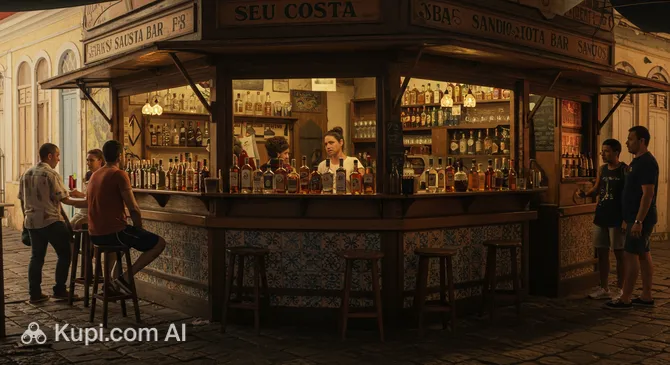
One of the popular spots for evening relaxation is Bar Seu Costa. This is a typical Brazilian "boteco" where locals gather to discuss the latest news over a glass of cold beer and traditional snacks. The atmosphere here is always laid-back, allowing tourists to easily feel like part of the local community.
Seu Costa Bar. Illustration.
Source: Kupi.com AI
Traveler photos:
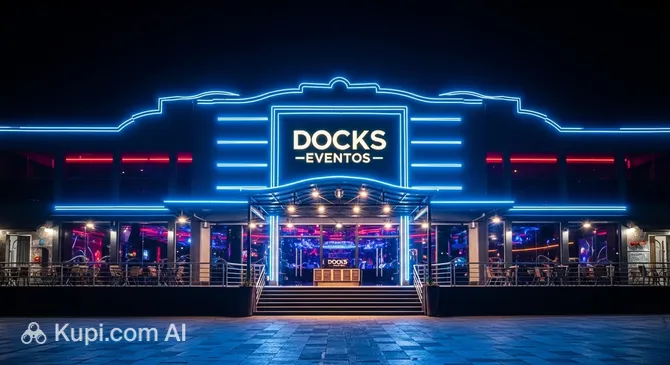
For those seeking more energetic entertainment, venues like Docks Eventos or Nosso Bar History are open. These clubs often host themed parties and concerts by local bands. Night walks are safest in the well-lit tourist areas of the waterfront, and for moving between districts late at night, it is best to use official ride-hailing apps.
Docks Eventos. Illustration.
Source: Kupi.com AI
Traveler photos:
Daytime entertainment in the city includes visiting theaters, walking in parks, and sports activities on the sand. Santos is a paradise for surfers and beach volleyball enthusiasts. If you're looking for large-scale shows or major nightclubs, many city residents head to the neighboring metropolises for the weekend, yet the local charm of Santos has its own unique appeal.
Parks & Museums
The main pride of Santos is its coastal gardens, which stretch along the entire beach strip. This is not just a park area, but a real open-air botanical museum with hundreds of plant species, fountains, and monuments. A walk through these gardens allows you to enjoy the sea air and the shade of tropical trees, compensating for the dense urban development.
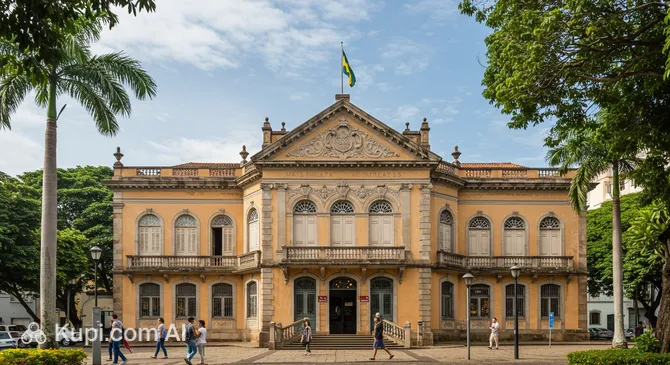
Among cultural sites, the Coffee Museum holds a central place. Located in the majestic building of the former exchange, it tells the story of the times when coffee was the country's primary currency. Visitors can not only see old equipment and luxurious meeting rooms but also taste the best varieties of beans grown on the state's plantations.
Coffee Museum. Illustration.
Source: Kupi.com AI
Traveler photos:
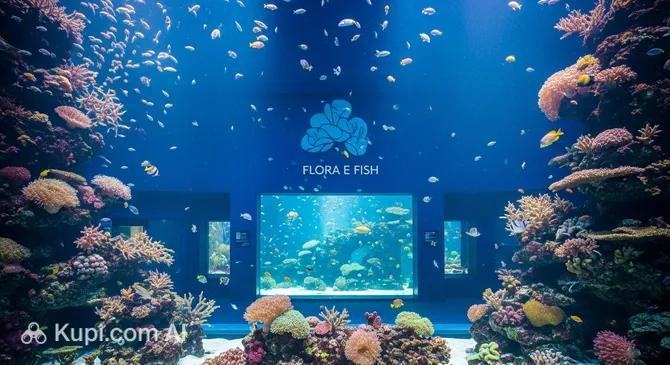
For a family visit, the Flora and Fish Aquarium is perfect. This is Brazil's oldest public aquarium, featuring dozens of species of Atlantic marine life. Another unique spot is Diana Island — Fishing Village. This is a small settlement that has preserved its traditional way of life, accessible by boat, where you can see authentic Brazil and taste dishes made from the fresh catch in a simple, home-like setting.
Flora e Fish Aquarium. Illustration.
Source: Kupi.com AI
Traveler photos:
Getting Around
The public transport system in Santos is well-developed and allows tourists to easily move between the main districts. The core of the city fleet is comprised of buses, whose routes cover the entire coast and lead to the historical center. Fares are usually paid in cash to the driver or using special transport cards that can be purchased at terminals.
A special highlight of the city is the historical tourist tram. This route runs through the most interesting corners of old Santos, allowing passengers to immerse themselves in the atmosphere of the early 20th century. The vintage carriages have been carefully restored and are equipped with audio guides that talk about the architectural monuments along the route.
For quick trips around the city, taxis and mobile apps like Uber are popular. Cycling is also an excellent way to get around: convenient bike lanes are laid out along the entire waterfront, and rental points allow you to rent a bike for a pleasant ride by the ocean. It should be noted that during rush hours and in areas adjacent to the port, traffic can be difficult due to the abundance of heavy freight transport.
Accommodation
The hotel infrastructure in Santos caters to both beach lovers and business travelers arriving at the port. The bulk of hotels and apartments are concentrated in the districts of Gonzaga, Boqueirão, and José Menino, which are adjacent to the famous coastal gardens. Here you can find both modern chain hotels and cozy apartment hotels for long-term stays.
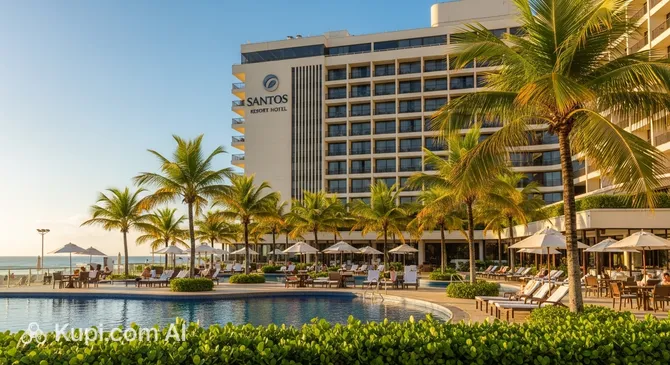
For those looking for maximum comfort and proximity to entertainment, the Santos Resort Hotel is an excellent choice. Such properties offer guests developed infrastructure with swimming pools and relaxation areas, while being within walking distance of the main shopping centers and waterfront restaurants.
Santos Resort Hotel. Illustration.
Source: Kupi.com AI
Traveler photos:
Budget travelers can look into hostels and small guesthouses in the historical center, though it’s worth remembering that the central quarters are less lively in the evening than the beach zone. During the peak season—from December to March, and also during Carnival—it is recommended to book accommodation in advance, as demand from São Paulo residents wanting to spend the weekend by the sea is extremely high.
Nearby Cities
Santos serves as an excellent starting point for exploring the picturesque coast of the state of São Paulo. The region around the city offers many options for day trips, allowing you to swap the atmosphere of a large port for the charm of colonial towns or the silence of protected beaches.
Located right nearby is São Vicente—the first city founded by the Portuguese in Brazil. It is worth visiting for its historical monuments and the breathtaking view from Itararé Hill, which can be reached by cable car. Another popular destination is Guarujá, known as the "Pearl of the Atlantic." This resort city is famous for its excellent beaches and developed tourist infrastructure, and you can reach it from Santos in just a few minutes by ferry.
If you want to see a calmer coastline, head to Praia Grande. This destination attracts visitors with its long shoreline and abundance of parks for family recreation. Exploring the surroundings of Santos will allow you to fully experience the diversity of the Brazilian seaside, from historical ruins to modern resort zones.
Shopping in Santos is primarily practical, offering tourists an excellent selection of beach goods, high-quality Brazilian coffee, and local handicrafts. The main shopping areas are concentrated in the Gonzaga district, where modern malls sit alongside busy commercial streets full of small boutiques.
For those who prefer to shop in comfort under one roof, Miramar Shopping or Parque Balneário Shopping are worth a visit. These complexes offer a wide range of international and national brands of clothing, cosmetics, and electronics, as well as food courts and cinemas for relaxing after a successful shopping trip.
Miramar Shopping Mall. Illustration.
Source: Kupi.com AI
Traveler photos:
As souvenirs from Santos, people most often bring back high-quality coffee beans purchased directly at the Coffee Museum, as well as items with a marine theme. In the city's markets, you can find interesting shell jewelry, traditional Brazilian ceramics, and souvenirs with the symbols of the Santos football club. Shops usually operate from 9:00 to 22:00 in shopping malls, while street markets accept both cash (Brazilian Reals) and bank cards.