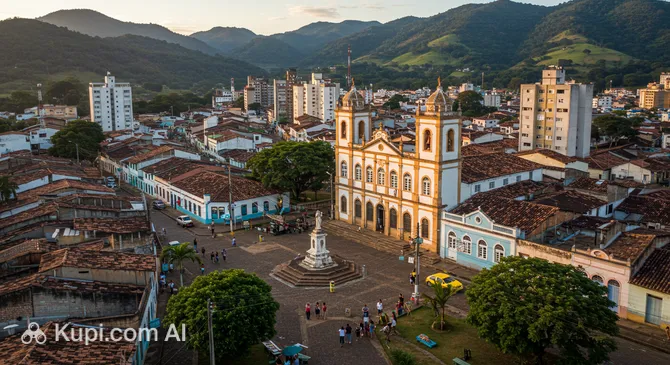
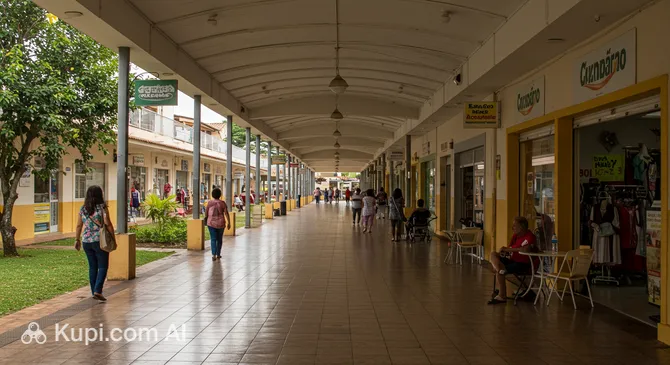
Mauá is a fast-developing city in Brazil, located in the state of São Paulo. As a vital part of the metropolitan area of a massive metropolis, this municipality with a population of about 450,000 people combines the features of a major industrial center and a cozy commuter town. The city attracts visitors with its utilitarian atmosphere and convenient location, serving as an important hub for those who work in the state capital but prefer a calmer pace of life.
Mauá. Illustration.
Source: Kupi.com AI
Geographically, Mauá occupies a strategic position in the São Paulo mesoregion, situated on hilly terrain with dense urbanization. Although the city is not considered a typical tourist destination, its history and heritage are inextricably linked to the industrial growth of the region. The industrial design faculties of local universities are based here, emphasizing the city's modern technical focus and its role in the development of Brazilian manufacturing.
For a traveler, Mauá can be an interesting discovery as an example of the authentic, "non-postcard" Brazil. Here, you can get a glimpse into the everyday life of the Brazilian middle class, visit modern shopping malls, or use the city as a base to explore the surrounding attractions of the state. We invite you to visit this hardworking and welcoming city to feel the true pulse of the country's industrial heart.
Weather Overview
Mauá is located in a subtropical climate zone typical of the state of São Paulo. This means that warm and humid weather prevails for most of the year. Summer in the city is hot: average temperatures range from +25°C to +30°C, and heavy tropical downpours often occur, especially between December and March. Humidity remains high, which intensifies the feeling of heat.
The winter months (June to August) bring milder and more pleasant temperatures, which usually stay around +15°C...+20°C. Nights can be cool, so a light jacket will not be out of place. It is worth noting that due to the terrain and the industrial nature of the city, smog can occur during windless periods, which is important for people with sensitive respiratory systems to consider. Detailed weather in the city is available in our dedicated section.
Precipitation in Mauá is distributed throughout the year, but the rainy peak falls in the summer. January and February are considered the wettest months, when the number of rainy days can reach 25 per month. In contrast, winter is drier with many sunny days, making this time of year the most comfortable for walking and exploring the surroundings without the risk of getting caught in a sudden downpour.
Average monthly temperature
Average monthly precipitation
Interesting Facts
The city of Mauá hides many curious details that make it unique among other suburbs of the state of São Paulo. Here are a few facts that might surprise you:
High population density: Mauá is considered one of the most densely populated suburbs, with about 7,300 people per square kilometer.
Center for industrial design: Thanks to local universities and technical faculties, the city has become a true intellectual hub for future industrial designers and engineers.
Dynamic growth: The city's population is constantly increasing; forecasts suggest that by 2026, the number of residents could exceed half a million.
Strategic hub: The city is a crucial link in the transport network of the São Paulo Metropolitan Region, connecting industrial zones with major logistical routes.
Demographic diversity: Mauá has an interesting population balance: women make up about 51.2% of the population, and moderate migration growth constantly brings new cultural traditions to the city.
How to Get There
Mauá is a major transportation hub in the São Paulo metropolitan area, so getting here is quite simple, especially from the state capital. The city has a well-developed road network and rail connections, making it accessible for both commuters and the occasional tourists who decide to visit this industrial region of Brazil.
The main way to travel between Mauá and the state capital is Line 10 of the CPTM railway. Trains run regularly, and the journey itself usually takes between 30 and 60 minutes. However, it is worth noting that during peak hours, the cars can be very crowded, and travel time increases due to the heavy load on the network. EMTU buses also connect the city with various districts of São Paulo, offering an alternative but more traffic-dependent route.
Station
Passenger traffic
Distance
Ribeirao Pires
5
7 km
Corinthians-Itaquera
8
14 km
Tamanduateí
5
15 km
Tatuapé
6
18 km
Brás
7
21 km
If you plan to arrive by plane, the nearest major aviation hub is Guarulhos International Airport, located about 50 kilometers away. A car transfer from the airport to Mauá will take about an hour under favorable traffic conditions. For those traveling by private or rental car, the Rodovia Anchieta and Imigrantes highways are most convenient, though dense traffic jams traditionally form at the city exits in the mornings and evenings.
Despite its reputation as an industrial suburb, Mauá offers guests several interesting locations to get to know the local way of life. One of the main cultural points is the Baron of Mauá Museum, housed in a historical building. Here, you can learn about the development of railroads and industry that turned this region into a powerful economic center of Brazil.
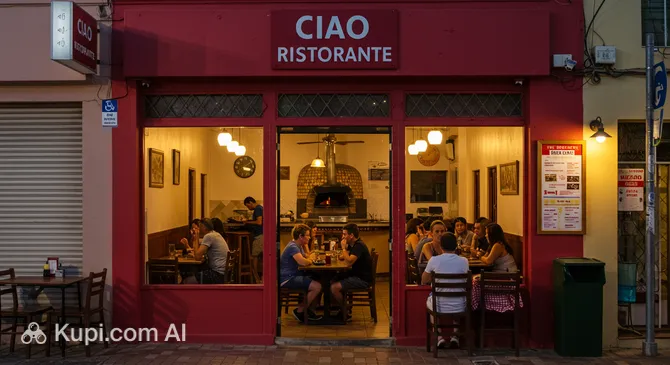
For those looking for atmospheric spots for an evening out, it is worth checking out Beco da Bragantina. This space attracts with its authenticity and is a popular meeting place for locals. Fans of gastronomic delights and quality service are recommended to visit Ciao Ristorante, where a cozy setting is combined with excellent cuisine, or stop by the exquisite Bistro 56.
Ciao Ristorante. Illustration.
Source: Kupi.com AI
Traveler photos:
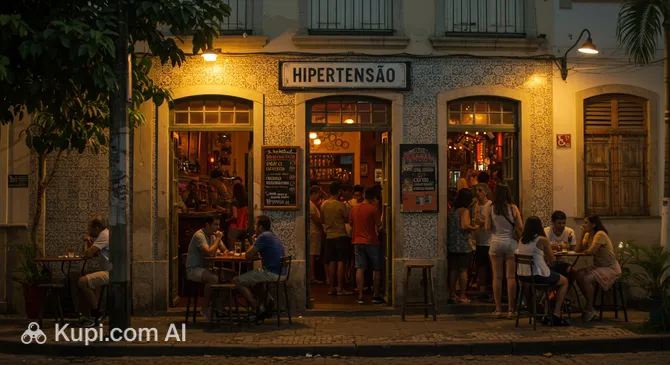
Shopping and modern entertainment are concentrated in centers such as Espaço Acessórios, where you can find a wide selection of goods and accessories. If you want to feel the real drive of the Brazilian night, Hipertensão Bar offers a lively atmosphere and local drinks. Visiting these places will allow you to see the city from different sides—from its cultural and historical aspects to modern entertainment.
Hipertensão Bar. Illustration.
Source: Kupi.com AI
Traveler photos:
Local Cuisine
The culinary scene in Mauá is a quintessence of the flavors of the state of São Paulo. Here, you will encounter classic Brazilian cuisine with influences from European migrants, especially Italians. Be sure to try the traditional feijoada—a hearty dish of black beans and various types of meat, usually served with rice and orange slices. No less popular are pastéis—crispy fried pastries with a wide variety of fillings, from cheese to meat with olives.
For those who prefer a more refined dinner, there are excellent establishments in the city. For example, Ciao Ristorante offers guests classic Italian dishes with a modern twist. And if you are looking for a cozy place for a leisurely meal, it's worth stopping by Bistro 56, which serves expertly prepared appetizers and main courses.
Ciao Ristorante. Illustration.
Source: Kupi.com AI
Traveler photos:
Local food culture is unthinkable without visits to churrascarias (traditional steakhouses) and padarias (bakeries). In the bakeries, Mauá residents often have breakfast with fresh bread and butter accompanied by a cup of strong Brazilian coffee. Among drinks, caipirinha and various tropical fruit juices are also extremely popular. Most inexpensive and tasty eateries are concentrated in shopping malls and in the central part of the city, where you can always find both a quick snack and a full lunch.
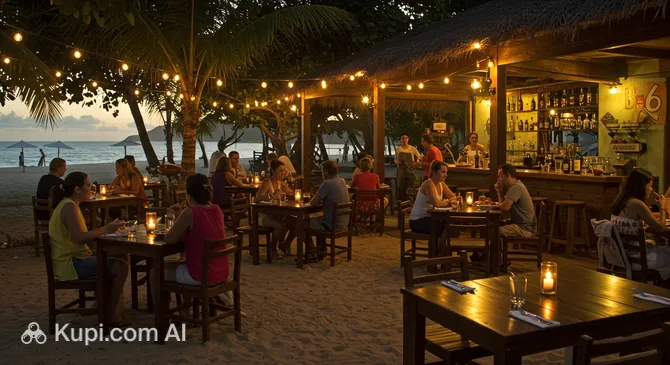
Bistro 56. Illustration.
Source: Kupi.com AI
Traveler photos:
Travel Tips
A trip to Mauá will allow you to see the real, hardworking Brazil, and to make your visit go as smoothly as possible, we have prepared some useful tips.
Clothing and Essentials: Choose light and breathable clothing, as the climate here is subtropical and quite humid. Comfortable shoes are your best friend since the terrain is hilly. Don't forget a plug adapter (Brazil uses type N) and an umbrella, as rain can happen suddenly.
Transport: The fastest way to get to São Paulo is the CPTM trains (Line 10). To get around the city itself, it's best to use Uber—it's safer and more comfortable than buses, which are overcrowded during rush hours.
Finances: The official currency is the Brazilian Real (BRL). Cards are accepted almost everywhere, even in small shops, but having some cash for markets is useful. Tips in restaurants are usually included in the bill (10-12%), but a small extra reward is always appreciated.
Health and Safety: Follow standard precautions: don't wear expensive jewelry openly and avoid walking on the outskirts after dark (especially the Feital and Castilho areas). Drink only filtered or bottled water.
Communication: The main language is Portuguese. English is not widely spoken, so learn a few basic phrases or use an offline translator. You can buy a local SIM card (Vivo or Claro) at any large shopping mall.
Local Etiquette: Brazilians are very sociable and friendly. Greetings are often accompanied by a light hug or a handshake. Be polite and don't hesitate to smile.
What to Avoid: Do not discuss sensitive social topics and try not to openly display valuables (smartphones, cameras) on public transport.
Extra Tip: If you plan trips to São Paulo, try to leave before 7 AM or after 10 AM to avoid spending extra hours in traffic jams or overcrowded train cars.
May your introduction to Mauá be interesting and safe—this city knows how to surprise with its openness and energy!
Entertainment & Nightlife
Nightlife in Mauá is primarily local in character, reflecting the habits of the residents of this industrial suburb. Most activity is centered around the main squares and shopping centers. Unlike bustling São Paulo, the scene here is dominated by cozy bars and karaoke venues where people gather after a workday to discuss the latest news over a glass of cold beer or a serving of caipirinha.
For those who want to spend an evening in a relaxed setting, Hipertensão Bar is an excellent choice. This place is known for its unpretentious spirit and often becomes a hub for sports fans. If you are looking for a more creative and informal atmosphere, it is worth visiting Beco da Bragantina—a secluded corner where you can feel the rhythm of the urban community.
Hipertensão Bar. Illustration.
Source: Kupi.com AI
Traveler photos:
Fans of vocal talent and fun company should definitely visit Master Karaoke. Such establishments are very popular among Brazilian youth and couples. Although residents often head to the neighboring state capital for major nightclubs and international concerts, Mauá retains its charm thanks to its sincere hospitality and the safety of local neighborhoods. For late-night travel around the city, it is recommended to call a licensed taxi or use popular apps like Uber.
Parks & Museums
The cultural and natural components of Mauá are closely intertwined with its industrial history. One of the main sites worth visiting is the Baron of Mauá Museum. This museum is located in a historical manor and is dedicated to the life and work of Irineu Evangelista de Sousa, the great Brazilian entrepreneur and visionary. The museum's exhibition tells of the times when railroads were just beginning to transform the country's landscape and offers a glimpse into the region's past.
As for green zones, in conditions of dense urbanization, the city's residents treasure every island of nature. On the outskirts of the city, you can find small ecological zones, such as Parque Ecológico do Guarapiranga (although the main access is more often associated with neighboring districts, its influence is felt). Within the city itself, parks and squares serve as important recreational areas where families gather for picnics and walks on weekends.
While Mauá cannot boast huge nature reserves, its local public spaces are gradually being improved. For those looking for large-scale nature parks or world-class art galleries, locals recommend taking a short trip to the center of São Paulo. Nevertheless, the local squares in the center of Mauá provide an opportunity to feel the true rhythm of life in a Brazilian suburb and enjoy an atmosphere of tranquility away from the factory districts.
Getting Around
Public transport in Mauá is a vital artery connecting this industrial center with the rest of the massive urban sprawl. The backbone of the system is the Line 10 CPTM railway, which provides regular service to São Paulo. Trains run at intervals of 10–20 minutes, making them the most reliable way to avoid the region's famous traffic jams, although cars can be very crowded during peak hours (from 7 to 9 AM and 5 to 7 PM).
Within the city, an extensive network of municipal buses and minibuses operated by EMTU runs throughout. They cover almost all residential and industrial neighborhoods. Fares are paid using transport cards (such as Bilhete Único), which can be topped up at special terminals or through mobile apps. The fare is fixed and quite affordable for a budget traveler.
For those who value comfort and personal space, ride-hailing apps like Uber and 99 are very active in Mauá. This is a great alternative to buses, especially in hot weather or in the evening. The cycling infrastructure in the city is still underdeveloped, and the hilly terrain and heavy traffic on the main arteries make long-distance walking less than comfortable. Tourists are advised to plan their trips in advance to avoid getting caught in rush-hour congestion.
Accommodation
The accommodation market in Mauá is primarily geared towards business travelers, specialists visiting industrial sites, and people looking for affordable housing near São Paulo. You won't find luxury five-star resorts here, but there is a decent selection of practical and budget options that are perfect for a short stay.
In the city center and near major transport interchanges, you can find mid-range hotels, such as 2-3 star chain hotels (e.g., Ibis). They offer a standard set of services: clean rooms, Wi-Fi, and breakfast. For those who prefer a more home-like atmosphere or plan to stay for several weeks, renting apartments through services like Airbnb is a popular choice. Prices in Mauá are significantly lower than in the central districts of São Paulo, making the city attractive for budget-conscious travelers.
When choosing an area to stay, tourists are recommended to focus on proximity to the Line 10 CPTM railway station or major shopping centers where the infrastructure is most developed. It is advisable to book accommodation in advance, especially if your trip coincides with major business events in the region. Overall, Mauá offers functional housing at very affordable prices, starting from about 200 Brazilian reals per night.
Nearby Cities
The location of Mauá in the heart of a densely populated region makes it an excellent starting point for exploring neighboring cities and cultural centers in Brazil. Just a few kilometers away are interesting destinations that are perfect for day trips and allow you to see the diversity of the state of São Paulo.
One of the most convenient destinations is Santo André, located only 4 kilometers away. It is a major cultural and commercial center with beautiful parks and shopping zones. Also worth noting is São Bernardo do Campo, known for its historical ties to the automotive industry and picturesque reservoirs in the vicinity. If you want a more peaceful atmosphere, you can head to Ribeirão Pires, which is famous for its hospitality and more relaxed pace of life.
Exploring the surroundings of Mauá gives tourists a chance to better understand the structure of the great São Paulo agglomeration. Each of the neighboring settlements has its own unique character—from industrial giants to quiet green suburbs—and they are all easily reachable thanks to the developed system of suburban trains and buses.
Shopping & Souvenirs
Shopping in Mauá is primarily practical and geared toward the daily needs of residents, but tourists can also find many interesting things here. The main shopping destination is Shopping Metrópole—a large mall where popular Brazilian and international brands, modern cinemas, and an extensive food court are gathered under one roof. This is the perfect place for those who value comfort and safety.
If you are looking for something more specialized, it is worth checking out Espaço Acessórios, which offers a wide range of goods and accessories. To immerse yourself in the local flavor, be sure to visit the feiras livres—street markets that open in different districts of the city on weekends. There, you can buy the freshest tropical fruits, vegetables, and traditional Brazilian delicacies, as well as simple items from local craftsmen.
Espaço Acessórios. Illustration.
Source: Kupi.com AI
Traveler photos:
The most common souvenirs brought from Mauá are high-quality Brazilian coffee, leather goods, or products from local artisans inspired by the industrial heritage of the state. Most shops are open from 10:00 AM to 10:00 PM, and credit card payments are accepted almost everywhere. It's worth remembering that the city is not a Tax-Free zone, so VAT is already included in the price of goods.