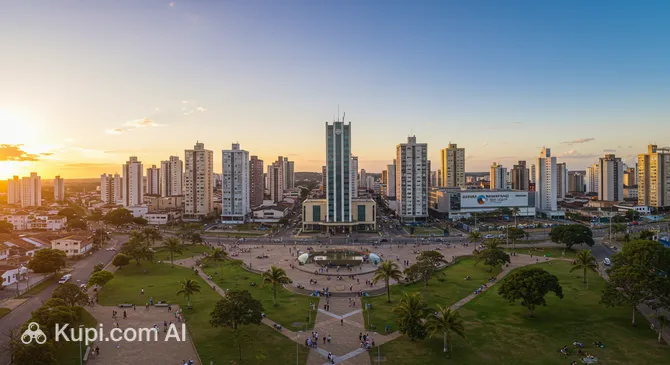
Located in the state of São Paulo, Osasco is a dynamic industrial and commercial center that forms an essential part of one of Brazil's largest metropolitan areas. With a population of approximately 694,844, the city has evolved from a small working-class settlement into a powerful business hub while maintaining its pragmatic and industrious atmosphere. Despite its industrial status, Osasco attracts visitors with its cultural diversity and its significant role in the region's economy.
Osasco. Illustration.
Source: Kupi.com AI
Geographically, the city is situated on the western edge of the São Paulo metropolis. An Italian immigrant named Antonio Agù played a key role in the history of Osasco, founding a ceramic factory here in the late 19th century. The city only gained official municipal status in 1962, and since then, it has transitioned from a metallurgical giant to a modern financial center, now hosting the headquarters of major Brazilian corporations.
For tourists, the city is primarily interesting for its massive shopping centers and unique architectural landmarks, such as the famous Metal Bridge. Here, you can feel the true rhythm of a Brazilian metropolis, free from the excessive gloss of resort areas. A visit to Osasco is an excellent opportunity to see modern Brazil "without filters," get acquainted with its industrial heritage, and enjoy the hospitality of the locals.
Weather Overview
The weather in Osasco is determined by its location in a tropical climate zone, which implies warm and humid summers, as well as mild, dry winters. Since the city is part of the São Paulo metropolitan area, Osasco's climate is characterized by frequent changes in conditions: a clear morning can turn into a sudden tropical downpour in the afternoon.
The hottest months are January and February, when the average daytime temperature is around 27°C, and at night it does not drop below 18-19°C. This period sees the highest amount of rainfall. The winter months (June-August) are more comfortable for walking: daytime temperatures stay around 22°C, and nights become cool (about 12-13°C). Expect warm summers with occasional rain and dry, sunny winter days.
Average monthly temperature
Average monthly precipitation
Interesting Facts
Industrial Origins: The history of the city's rapid development began in the late 19th century when an Italian immigrant founded the first ceramic factory here, laying the foundation for the region's industrial future.
Young Municipality: Despite its long history of industrial development, Osasco officially became an independent city only on February 19, 1962.
High Density: The city is one of the most densely populated in the region, forming part of a micro-region with a total population of over 1.7 million people.
Financial Hub: Today, Osasco has moved beyond being just a working-class suburb and has transformed into an important financial center—it is home to the headquarters of the banking giant Bradesco.
Metallurgical Past: For a long time, the city's economy was defined by heavy industry and machinery, which shaped the unique character of local architecture and the urban environment.
How to Get There
Osasco enjoys excellent transport accessibility thanks to its location in the western part of the São Paulo metropolitan area. The main flow of visitors arrives from the neighboring metropolis using the well-developed public transport network. Detailed information about routes and travel options can be found on the how to get to Osasco page.
The nearest major aviation hub is Guarulhos International Airport (GRU), located approximately an hour to an hour and a half away, depending on traffic. From the airport to Osasco, it is most convenient to travel by taxi or ride-sharing apps, though express bus options to the nearest metro stations also exist.
Rail service plays a key role in the daily life of the city. Osasco is served by the CPTM (Companhia Paulista de Trens Metropolitanos) commuter train lines, which connect it to central São Paulo and other satellite cities. Osasco Station is a major interchange hub, providing a fast and budget-friendly way to travel around the region. A trip to central São Paulo typically takes about 40–50 minutes.
Station
Passenger traffic
Distance
Pirituba train station
6
8 km
Piqueri train station
6
8 km
Vila Clarice train station
6
8 km
Lapa (Line 7) (CPTM)
6
9 km
Jaraguá train station
6
10 km
Main Attractions
While Osasco is primarily known as an industrial giant, it has several iconic sites worth visiting. One of the main architectural landmarks is the Metal Bridge (Reinaldo de Oliveira Viaduct). This impressive structure has become a true symbol of the city, reflecting its industrial power and modern spirit. The bridge looks particularly spectacular in the evening when the city lights come on.
Metal Bridge (Reinaldo de Oliveira Viaduct). Illustration.
Source: Kupi.com AI
Traveler photos:
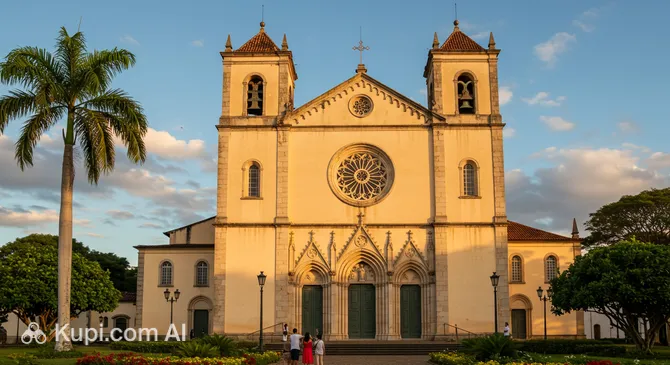
The spiritual heart of the city is considered to be the Cathedral of Saint Anthony. This majestic temple attracts not only worshippers but also architecture enthusiasts with its monumentality and beautiful interior decoration. The cathedral is dedicated to the city's patron saint and serves as the venue for major city festivals and solemn ceremonies.
Cathedral of Saint Anthony. Illustration.
Source: Kupi.com AI
Traveler photos:
For those interested in corporate culture and the development of the country's financial sector, it is worth visiting the Bradesco Bank History Museum. Since Osasco is home to the headquarters of one of Latin America's largest banks, the museum offers a unique look at the region's economic evolution through the lens of banking. It is also worth noting the central districts, where fragments of industrial buildings from the early 20th century have been preserved, telling the story of the city's past as the "Brazilian Manchester."
Local Cuisine
The gastronomic scene in Osasco is a vibrant reflection of Brazil's cultural melting pot. Due to powerful waves of immigration, the influence of Italian culinary traditions is particularly strong here. Pizzerias and cozy pasta bars can be found at almost every turn, offering both classic recipes and their Brazilian interpretations. However, do not forget about national hits: be sure to try traditional feijoada—a hearty dish of black beans and meat, prepared here with special skill.
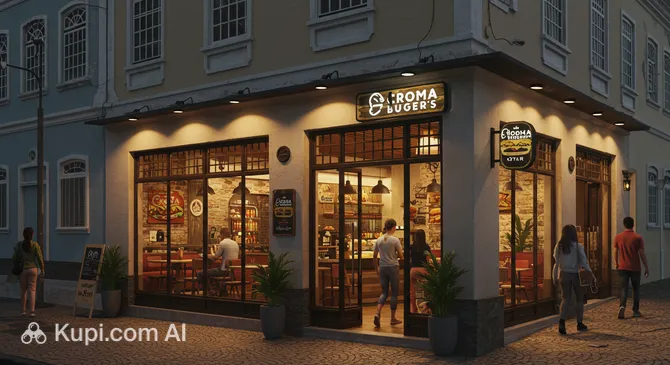
For those who prefer modern restaurants with a refined menu, Coco Bambu Osasco is an excellent choice. This establishment is famous for its seafood dishes, shrimp, and lobsters, offering guests a high level of service and an elegant setting. If you are in the mood for a more casual dinner in an American classic style, stop by Croma Burgers, which serves some of the best burgers in town.
Croma Burgers. Illustration.
Source: Kupi.com AI
Traveler photos:
Street food culture in Osasco is exceptionally well-developed. In local markets and small stalls, you can find freshly squeezed passion fruit juice, aromatic Brazilian coffee, and the famous pastel snacks. In the evening, the city's bars fill with people ordering cold beer or caipirinhas. The pragmatic character of the city dictates its own rules: the food here must be tasty, filling, and affordable, making a gastronomic journey through Osasco truly authentic.
Coco Bambu Osasco. Illustration.
Source: Kupi.com AI
Traveler photos:
Travel Tips
Preparing for a trip to Osasco will help you make your journey as comfortable and safe as possible. Use these practical tips to navigate this dynamic Brazilian city with confidence.
Clothing and Essentials: Choose light and comfortable clothing made from natural fabrics, as the region has a humid tropical climate. Be sure to bring comfortable shoes for walking and a light jacket for cool evenings or air conditioning in malls. Don't forget a universal power adapter (Brazil uses Type N).
Transport: The best way to travel between cities is by CPTM trains. Within the city, use Uber or 99 apps—this is safer and often more convenient than buses. Try to avoid traveling during rush hours (8:00–9:00 AM and 5:00–7:00 PM) when transport is overcrowded.
Finances: The local currency is the Brazilian Real (BRL). Cards are accepted almost everywhere, even in small shops, but it's worth having some cash for small purchases at markets. The tipping culture suggests about 10%, which is often already included in the bill at restaurants.
Health and Safety: Follow standard precautions: do not display expensive gadgets and jewelry in the street. At night, travel only by taxi. Central areas and shopping malls are safe during the day, but avoid walking in secluded places.
Communication: The main language is Portuguese. English is not widely spoken, so download an offline translator and learn basic phrases like "Obrigado" (thank you) and "Bom dia" (good morning). Wi-Fi is available in shopping malls and hotels.
Local Etiquette: Brazilians are very friendly and open. Greetings are often accompanied by a light handshake or a pat on the shoulder. Be polite and smile—it's the best way to win over the locals.
What to Avoid: Do not engage in discussions on political topics and do not attempt to enter favela areas without a local guide. Also, it is not recommended to drink tap water—buy bottled water instead.
Extra Tip: Visit local shopping centers not just for shopping but for the food as well—the food courts here offer an excellent price-to-quality ratio.
May your introduction to Osasco be a bright and positive experience, revealing the real life of modern Brazil!
Entertainment & Nightlife
Entertainment in Osasco is closely tied to its status as a major commercial hub. Most daytime activity is concentrated in the massive shopping malls, which house modern cinemas and gaming zones. If you are looking for a place for family leisure, check out O Quintal Park—a popular venue that frequently hosts various events and offers a fun way to spend time outdoors.
O Quintal Park. Illustration.
Source: Kupi.com AI
Traveler photos:
The city's nightlife tends to be more local and intimate. Unlike the noisy clubs of central São Paulo, cozy bars and gastropubs prevail here, where locals gather after a workday. A great example is Bruttus, which offers a relaxed atmosphere and a good selection of drinks. Such places allow you to immerse yourself in the authentic life of the Brazilian middle class.
Bruttus. Illustration.
Source: Kupi.com AI
Traveler photos:
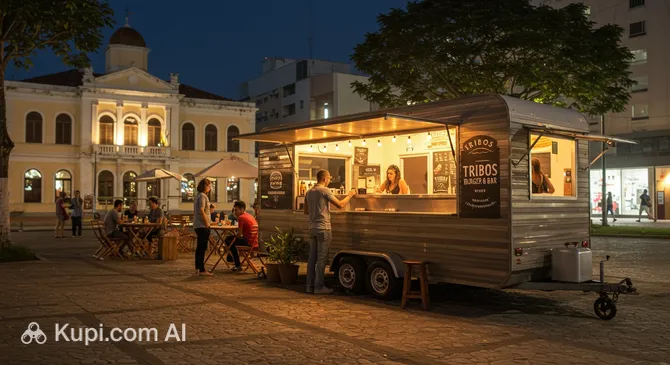
Another notable spot for evening relaxation is Tribos Burger e Bar, where you can combine craft burgers with a pleasant musical backdrop. For those craving large-scale parties or world-class theater, São Paulo is always close by: thanks to good transport links, the best concert halls of the metropolis can be reached in less than an hour.
Tribos Burger & Bar. Illustration.
Source: Kupi.com AI
Traveler photos:
Parks & Museums
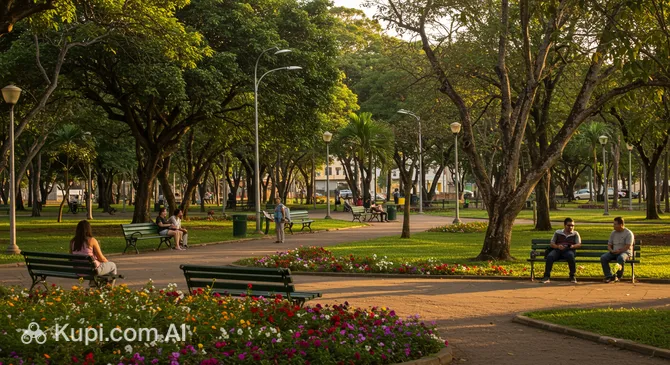
Although Osasco is primarily an urbanized territory, it has its own green oases and cultural corners. Despite the general industrial development, local authorities pay attention to the landscaping of small squares and park zones that serve as recreation areas for residents and visitors. One such notable place is O Quintal Park, where you can escape the city noise and spend time amidst greenery.
In cultural terms, the city offers unique sites to explore. For instance, nature enthusiasts might find the Cândido Motense Aquarium interesting, featuring various fish species and aquatic flora. It is a great place for an educational visit with children or simply to see a piece of the underwater world in the heart of an industrial city.
The region's museum life is closely intertwined with its history. In addition to the previously mentioned corporate museums, Osasco itself is an open-air museum of industrial architecture. For larger-scale art galleries and historical exhibitions, tourists are recommended to head to neighboring São Paulo, home to world-class treasures like the MASP. Nevertheless, Osasco retains its charm as a place where modern culture is born right on the working streets and in residential neighborhoods.
Getting Around
The transport system of Osasco is inextricably linked to the network of the entire São Paulo metropolitan area, ensuring high mobility for residents and tourists. The backbone of travel is the CPTM commuter trains, which effectively serve as a metro for the city. These train lines allow for quick travel to key areas of the state capital, bypassing the famous traffic jams. Trains run frequently from early morning until midnight, and for payment, it is convenient to use the Bilhete Único unified transport card.
Within the city itself and between districts, an extensive bus network operates. There are both municipal routes and inter-municipal buses (EMTU) connecting Osasco with neighboring cities. It is important to consider that during rush hours (7:00–9:00 AM and 5:00–7:00 PM), public transport can be very crowded, and congestion forms on main roads.
For more comfortable trips, tourists often choose taxis or popular apps like Uber and 99. This is a convenient way to reach shopping malls or outlying areas, especially in the evening. Cycling infrastructure in the city is only beginning to develop, so bicycles are not yet a primary means for long-distance travel. The main advice for travelers is to plan your trips in advance and try to avoid moving during peak hours to save time and energy.
Accommodation
The hospitality infrastructure in Osasco is primarily oriented toward business tourism and people visiting the city for work. Here you will find quality mid-range hotels and business hotels from international chains, offering comfortable rooms with everything needed for productive work. Most of these properties are concentrated in the central part of the city or near major corporate headquarters.
For travelers on a budget, hostels and small guesthouses are available. The city also has a developed segment of apartments for short-term and long-term rental, which is an excellent option if you plan to stay in the region for several weeks. The price range here is usually lower than in the prestigious districts of central São Paulo, making Osasco an attractive option for budget-conscious tourists.
When planning a trip, it is recommended to book accommodation in advance, especially during major business forums or holidays. Given the city's industrial nature, when choosing a hotel, consider its proximity to CPTM train stations to ensure quick access to the main attractions of the metropolitan area. If your goal is a full sightseeing holiday, consider staying in Osasco as a quieter and more affordable base for exploring the state.
Nearby Cities
Osasco is an ideal starting point for those who want to explore the diversity of the state of São Paulo without overpaying for accommodation in the metropolis itself. Thanks to its proximity to major highways and railway lines, it is easy to reach both quiet suburbs and centers of business activity.
Just a few kilometers away is Carapicuíba, known for its historic village, Aldeia de Carapicuíba, founded by Jesuits in the 16th century. It is also worth visiting the city of Barueri, which attracts tourists with its modern Alphaville district, home to many shopping centers and parks. If you want to immerse yourself in the atmosphere of an old suburb, you can visit the Lapa district, where cultural life thrives and interesting markets are located.
For beach lovers, a trip to the coastal city of Santos, located about 80 km away, is a great option, while fans of university atmosphere and science can head to Campinas. Exploring the surroundings of Osasco will allow you to see Brazil from different sides—from colonial heritage to ultra-modern neighborhoods.
Shopping & Souvenirs
Shopping in Osasco is one of the most popular activities for both locals and visitors. The city is famous for its enormous shopping malls, which rival those in the capital in scale. The main center of attraction is considered to be Shopping União Osasco. This giant complex houses hundreds of stores of international and Brazilian brands, a huge food court, and entertainment zones under one roof. Here you can find absolutely everything: from fashionable clothing to complex electronics.
União Osasco Shopping Mall. Illustration.
Source: Kupi.com AI
Traveler photos:
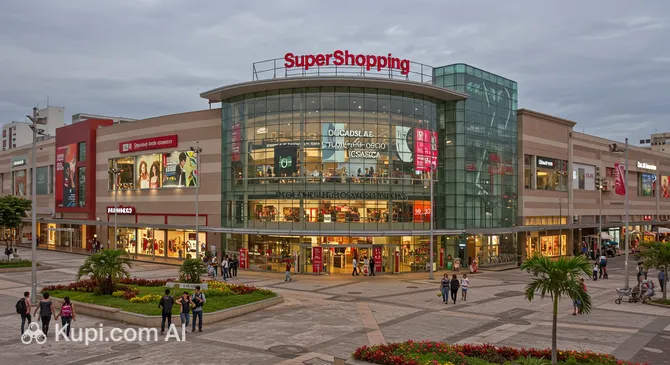
Another place worth mentioning is SuperShopping Osasco. This mall offers a more intimate but equally high-quality shopping atmosphere. It is conveniently located and is an excellent place for those who prefer to combine shopping with a visit to the cinema or a cozy cafe. In the central part of the city, you can also find large hypermarkets like Walmart and Carrefour, which cover almost any household needs of travelers.
SuperShopping Osasco. Illustration.
Source: Kupi.com AI
Traveler photos:
If you are looking for souvenirs, it is best to check local markets or specialized departments in shopping malls. Traditional Brazilian goods, such as leather products, high-quality coffee, and cosmetics based on natural Amazonian oils, make excellent gifts. Stores in Osasco typically operate from 10:00 AM to 10:00 PM, and most establishments readily accept international bank cards, making the shopping process as convenient as possible.