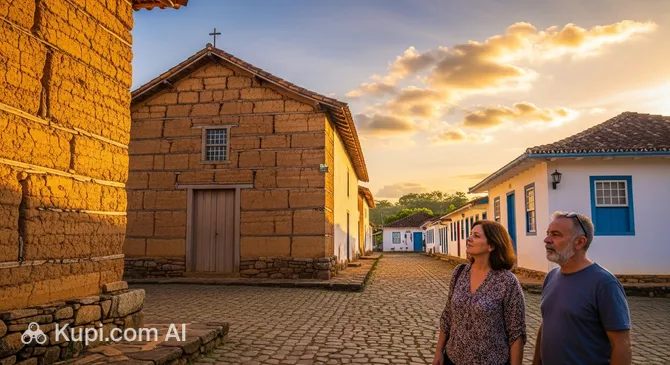
Carapicuíba is a dynamic and densely populated city located in the heart of the state of São Paulo. As an important part of Brazil's metropolitan region, this city attracts attention with its industrial energy and its role as a key residential hub for the agglomeration. Although the city is primarily known as a major industrial center, its atmosphere is filled with the authentic rhythm of Brazilian life, where modern urban landscapes sit alongside cozy residential neighborhoods.
Carapicuiba. Illustration.
Source: Kupi.com AI
Stretching over an area of just over 34 square kilometers, Carapicuíba is striking for its population density, which stands at over 11,000 people per square kilometer. The history of the city's development is a journey of transformation from a rural area into a significant urban center, which officially gained independence in 1965. Today, it is home to nearly 400,000 residents, creating a unique social layer characteristic of the suburbs of Greater São Paulo.
While the city is not a classic tourist destination, it offers guests a chance to experience the authentic, unvarnished side of the metropolis. Here, you can find green oases such as the Tietê Ecological Park or immerse yourself in the daily hustle and bustle of local markets. Carapicuíba is an excellent choice for those who want to see how a modern Brazilian metropolis lives and breathes from the inside, appreciating its practicality and hardworking character.
Weather Overview
The climate in Carapicuíba is classified as tropical, which guarantees warm weather throughout the year. The city has two distinct seasons: a wet season and a drier one. The hottest period is traditionally January, when the average temperature is around 23°C, with daytime highs often reaching 27°C. During this time of year, heavy rainfall is frequent, bringing freshness after a sultry day.
Winter months, such as July and August, are characterized by more moderate temperatures (averaging around 17-18°C) and minimal rainfall. This is an excellent time for those who prefer the city's dry and comfortable climate for long walks. It is worth noting that due to dense urban development, a "heat island" effect sometimes occurs here, where temperatures in the city center can be a couple of degrees higher than in the green suburbs.
When planning your trip, expect a warm summer with occasional thunderstorms and a mild, sunny winter. Regardless of the season, light clothing and an umbrella will be your faithful companions in Carapicuíba, allowing you to enjoy your trip despite the whims of tropical nature.
Average monthly temperature
Average monthly precipitation
Interesting Facts
The name of the city Carapicuíba has deep roots and comes from the indigenous Tupi language. It is interpreted as "thin-faced tree," highlighting the natural origin of the toponym in this region.
The city is one of the most densely populated municipalities not only in the state but in the entire country, housing more than 11,000 people per square kilometer within its small territory.
Despite its status as a "bedroom community," Carapicuíba plays an important economic role in the agglomeration, being part of the Osasco economic-statistical microregion with billion-dollar GDP figures.
The city gained the status of an independent municipality relatively recently — only in 1965, when it officially separated from Santana de Parnaíba.
How to Get There
Carapicuíba enjoys a strategically advantageous position, being in close proximity to the vast metropolis of São Paulo. Thanks to a developed network of highways, getting here from the center of the agglomeration is quite easy. The main communication routes are high-speed expressways that connect the city with the state's major transport arteries. Travelers should keep in mind that due to high population density, roads can be very congested during peak hours (mornings from 7:00 to 10:00 and evenings from 17:00 to 20:00), so it is better to allow extra time for trip planning.
For those who prefer air travel, the nearest major international air hubs are located in São Paulo and Guarulhos. After arriving at one of these airports, the most comfortable way to get to Carapicuíba is by using a taxi or a transfer through popular mobile apps. The city is also integrated into the suburban rail system, making the connection with the metropolitan center fast and affordable.
Railway communication is represented by a line passing through the city, which allows travelers to avoid traffic jams. The stations in Carapicuíba are conveniently located and accommodate the flow of passengers moving daily within the agglomeration. This is one of the most reliable ways to travel for tourists wishing to save time and money.
Station
Passenger traffic
Distance
Vila Clarice train station
6
11 km
Pirituba train station
6
12 km
Piqueri train station
6
12 km
Jaraguá train station
6
13 km
Perus train station
6
13 km
Main Attractions
Although Carapicuíba is not overloaded with classic tourist sites, the city has several places that deserve the attention of travelers seeking peace or historical context. One of the main natural treasures is the Tietê Ecological Park (Parque Ecológico do Tietê). This vast space serves as the "lungs" of the region, offering visitors the chance to take a break from urban noise, play outdoor sports, or simply have a picnic surrounded by greenery.
For those interested in architectural and spiritual heritage, it is worth visiting the city's main historical church — Igreja Matriz de São Salvador. This temple is an important cultural center for local residents and holds a piece of the community's formative history. Another popular spot for relaxation is Parque Gabriel Chucre, which is open daily. It features excellent conditions for walking, and the park's infrastructure makes it convenient for family leisure time.
Other interesting locations in the city are concentrated around its infrastructure hubs. Local shopping centers and markets are not just places for shopping, but true centers of social life, where the flavor and daily rhythm of Carapicuíba are felt best. Visiting these places allows a tourist to see the real Brazil, hidden behind glossy guidebooks.
Local Cuisine
The gastronomy of Carapicuíba is a vibrant kaleidoscope of flavors typical of the state of São Paulo, where Brazilian and Portuguese culinary traditions intertwine. The local menu is based on hearty and straightforward dishes, among which the queen of the table is rightfully considered feijoada — a thick stew of black beans with various types of meat. In local restaurants, this dish is traditionally served on Wednesdays and Saturdays, accompanied by rice, fresh kale, and orange slices.
For a quick snack, locals choose pastéis — deep-fried crispy pastries with a wide variety of fillings: from cheese and beef to exotic combinations with palmito (heart of palm). Also popular in the city are espetinhos — small meat skewers grilled right on the street, filling the air with an appetizing aroma. Those with a sweet tooth should try desserts based on local fruits or the famous Brazilian coffee, which is enjoyed here at any time of day.
Dining culture in Carapicuíba is focused around small family establishments and casual bars. There is no pretension here, but you can always find authentic taste at very attractive prices. As for drinks, it's definitely worth tasting fresh-squeezed tropical fruit juices or classic cachaça, which is often used in local spots as the base for the famous caipirinha cocktail.
Travel Tips
A visit to Carapicuíba will allow you to see the real Brazil, but to ensure your trip is comfortable and safe, it's worth considering a few practical recommendations from experienced travelers.
Clothing and Essentials: Choose light, breathable cotton clothing, as the climate here is warm year-round. Be sure to bring comfortable walking shoes for the city and sunscreen. A type N power adapter (three round pins) will be necessary.
Transport: For trips to São Paulo, use the suburban trains — it's faster than sitting in traffic on a bus. Within the city, it is better to call a taxi through official apps; it's more reliable and convenient.
Finances: The local currency is the Brazilian real. Cards are accepted almost everywhere, even in small shops, but it's worth having some cash for small purchases at markets.
Health and Safety: Stay vigilant in crowded places and avoid walking in remote, poorly lit areas after dark. Drink only bottled water.
Communication: The primary language is Portuguese. Not everyone understands English, so download an offline translator in advance and learn a few basic phrases: "Obrigado" (thank you) and "Bom dia" (good morning/day).
Local Etiquette: Brazilians are very friendly and open. Greetings are often accompanied by a light handshake or a hug, even if you barely know each other.
What to Avoid: You should not display expensive jewelry, watches, or large amounts of cash on the street. This is a basic safety rule for many metropolitan suburbs.
Extra Tip: Try fresh sugarcane juice (caldo de cana) at a local market — it's a real Brazilian energy boost!
Following these simple rules will help you focus on exploring the city and ensure you have only positive impressions from your visit to the state of São Paulo.
Entertainment & Nightlife
Nightlife in Carapicuíba is predominantly local and cozy in character. The city functions as an important residential area, so main evening entertainment is concentrated in small bars and casual eateries where locals gather after a day's work. If you are looking for loud nightclubs with world-class DJs or large-scale concert venues, most residents would recommend heading to neighboring Osasco or the center of São Paulo, both of which can be reached quickly by taxi.
In Carapicuíba itself, a popular form of relaxation is evening gatherings in botecos — traditional Brazilian bars serving cold beer and classic snacks. The atmosphere in these establishments is laid-back, and the crowd consists mostly of neighbors and old friends. On weekends, the city may host local festivals or live performances by local musicians playing pagode or sertanejo.
For daytime leisure, the city offers modern cinemas located in shopping malls and open sports fields in parks. Family recreation often takes place in Parque Gabriel Chucre, which buzzes with life during daylight hours. Those planning evening walks are advised to stick to central, well-lit streets and use official ride-hailing apps for maximum comfort and safety.
Parks & Museums
The park infrastructure of Carapicuíba plays a vital role for the residents of this densely built-up city. The main place for outdoor recreation is the Tietê Ecological Park (Parque Ecológico do Tietê). This unique space combines the preservation of local flora and fauna with opportunities for active leisure. Here, you can see capybaras, walk along shaded trails, or go for a run along the ponds, making the park an ideal spot for a family weekend.
Another significant site is Parque Gabriel Chucre. This modern park offers well-equipped sports zones, playgrounds, and spaces for cultural events. It has become a real center of attraction for local youth and families, providing a high-quality environment for relaxation within the city limits. Despite the industrial nature of the city, such green zones allow guests and residents to maintain a connection with nature.
As for museums, Carapicuíba is more focused on preserving living history through its churches, such as the old Igreja Matriz. To visit major art galleries or world-class historical exhibits, tourists are recommended to head to neighboring São Paulo. However, a walk through the streets of Carapicuíba itself can replace a museum hall for those who want to see the authentic architecture and daily life of a typical Brazilian municipality.
Getting Around
The transport system of Carapicuíba is closely integrated into the overall São Paulo metropolitan network, providing high mobility for residents and visitors. The main form of public transport here is buses. An extensive network of routes connects Carapicuíba with neighboring municipalities and key districts of the state capital. Buses run from early morning until midnight; however, it should be noted that they can be overcrowded during peak hours.
An important component of travel is the suburban rail service. The train line allows for quick travel to the central stations of São Paulo without traffic jams, which is critical for a region with intense road traffic. Stations are equipped with terminals for topping up transit cards that work across different types of transport in the agglomeration, significantly simplifying the payment process for tourists.
As an alternative to public transport, taxi services and mobile ride-hailing apps (such as Uber or 99) are widely available in Carapicuíba. This is the safest and most comfortable way to get around in the evening. While you can move around on foot within the central blocks, it is better to choose transport for long-distance trips or travel to neighboring areas due to the challenging terrain and heavy traffic.
Accommodation
Accommodation options in Carapicuíba are primarily aimed at those who value practicality and affordability. You won't find luxury five-star resorts here; however, the city offers a decent selection of short-term rental apartments and cozy guest houses. This is a great option for travelers who want to save on accommodation while staying in close proximity to the region's business centers.
Most available hotels and hostels are concentrated in the central part of the city, from where you can quickly reach transport hubs. Staying here allows you to feel the real pace of life in a Brazilian suburb. Prices in Carapicuíba are usually significantly lower than in the central districts of São Paulo, making the city attractive for budget tourists and business travelers.
If you plan to visit during major events in São Paulo, it is recommended to book accommodation in advance, as demand in nearby cities increases sharply. Those looking for a wider selection of high-end hotel chains should look into the neighboring Barueri district or the central neighborhoods of the state capital, using Carapicuíba as a convenient starting point.
Nearby Cities
Thanks to its location in the heart of the metropolitan region, Carapicuíba serves as an excellent base for exploring nearby cities and cultural centers. Just a few kilometers away are cities that offer a completely different experience — from large-scale shopping to historical walks.
Very close by is the city of Osasco, known for its developed infrastructure, huge shopping centers, and vibrant cultural life. It is also worth visiting Barueri, where the modern Alphaville district is located with its high-end restaurants and parks. For those interested in the state's history, a trip toward Jandira or the more distant coast, home to the famous beaches of Santos and Guarujá, would be interesting.
Exploring the surroundings of Carapicuíba allows you to form a complete picture of the multifaceted nature of Brazilian life, which combines modern urbanism and traditional hospitality. Convenient transport links make such trips easy and pleasant for any tourist.
Shopping & Souvenirs
Shopping in Carapicuíba is primarily a practical experience focused on the daily needs of residents and good finds for tourists. The city is home to several modern shopping centers (malls) that offer a standard range of international and Brazilian brands for clothing, cosmetics, and electronics. These centers are not only places to shop but also important leisure areas with food courts and cinemas.
Of particular interest to travelers are the local markets and shopping streets in the central part of the city. Here, you can find quality leather goods, traditional Brazilian textiles, and various household items at prices significantly lower than in the capital. In food markets, look out for local spices, exotic fruits, and sweets, which make excellent gifts from your trip.
Typical souvenirs worth bringing from Carapicuíba include handicrafts, ceramics, and, of course, the famous Brazilian coffee. Most shops are open from morning until late evening and accept international credit cards. For those looking for exclusive high-fashion boutiques, a short trip to neighboring districts of São Paulo is recommended, using Carapicuíba as a base for affordable accommodation.