Support

Diadema

About

Diadema is an energetic industrial center located in the state of São Paulo, in the very heart of Brazil. The city is an integral part of the vast Greater São Paulo metropolitan area and embodies the industrial power of the region. Despite its predominantly working-class character, Diadema attracts attention with its dynamism and vital role in the economic belt between the metropolis and the coast.

\n

The city's geographic location makes it a strategic transport hub. Diadema is situated on a plateau at an altitude of about 780 meters above sea level, providing it with a temperate climate. With a population of over 426,000, the city boasts one of the highest population densities in the country, creating an atmosphere of a bustling urban hive.
\n

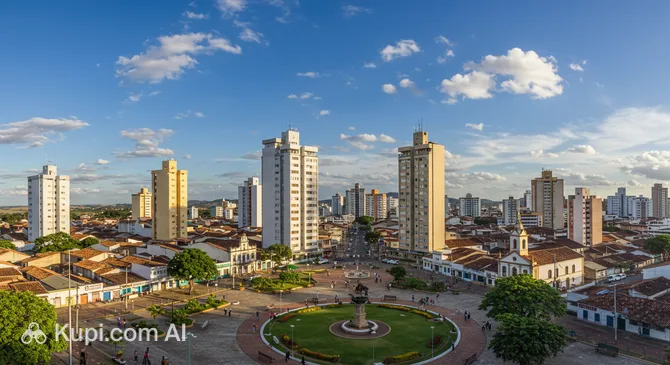
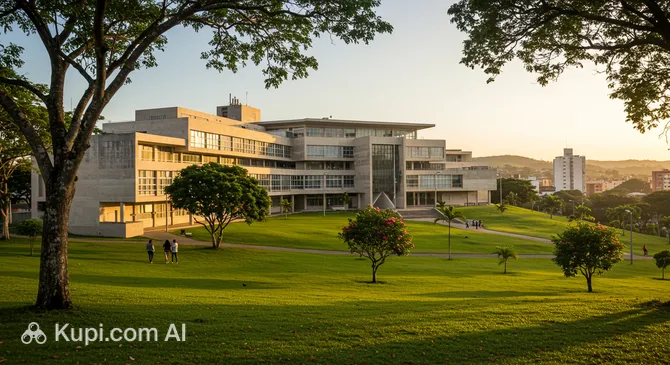
Diadema. Illustration.
Source: Kupi.com AI

\n

The history of Diadema began in the 18th century, but it only received official municipality status in 1959. Rapid development in the second half of the 20th century transformed agricultural lands into a modern industrial zone. While the city is not a classic tourist destination, it is interesting as an example of rapid Brazilian urbanization and offers guests cozy urban parks and modern shopping centers.

\n

Visiting Diadema is an opportunity to see the real, working Brazil, hidden from the eyes of ordinary tourists, and to feel the rhythm of life in one of Latin America's most important industrial hubs.
Weather Overview

The climate in Diadema is classified as subtropical, which is typical for the highlands of São Paulo state. Thanks to an altitude of about 780 meters above sea level, extreme heat is rare here, although high humidity accompanies residents almost year-round. Expect warm summers with frequent tropical showers and fairly mild winters.

\n

Summer months, especially January and February, are the hottest and rainiest: average temperatures hover around 23–27°C. In winter, in July and August, it becomes cooler, with average figures dropping to 17–22°C, and nights can be quite fresh. To better plan your wardrobe, we recommend checking the detailed city climate in advance.

\n

The rainy season in the region is quite clearly defined—it lasts from October to March. During this period, precipitation often falls as short but intense downpours in the afternoon. The rest of the year, the weather in Diadema is favorable for walks in the city parks, although a light umbrella in your bag will never be superfluous.

Average monthly temperature

Average monthly precipitation

Interesting Facts

Diadema is a city with a unique character and a rapid history. Here are a few interesting facts about this industrial heart of the region:

\n
    \n
  • The city officially became an independent municipality only in 1959, separating from the territories of São Bernardo do Campo.

  • \n
  • Between the 1960s and 1980s, Diadema experienced a true demographic explosion, transforming from an agricultural settlement into a densely built industrial center.

  • \n
  • Diadema ranks 13th in population in the state of São Paulo, while its population density exceeds 12,600 people per square kilometer, which is one of the highest rates in Brazil.

  • \n
  • The city is strategically located—directly on the route of the main highways connecting the São Paulo metropolis with the largest port in Latin America in the city of Santos.

  • \n
  • Despite its industrial focus, Diadema actively develops its social infrastructure, striving to improve the quality of life in its working-class neighborhoods.

  • \n

How to Get There

Diadema boasts excellent transport accessibility due to its location in the heart of the industrial belt. The main arteries linking the city to the outside world are the modern Via Anchieta and Rodovia dos Imigrantes highways. A car trip from São Paulo usually takes 30 to 60 minutes, though heavy traffic during peak hours should be taken into account.

\n

For those planning to arrive by air, the nearest major hub is Guarulhos International Airport (GRU), located about 45 kilometers away. You can get from the airport to Diadema by transfer, taxi, or bus, which will take about one and a half to two hours depending on congestion. You can also use Congonhas Airport, which is significantly closer but serves mainly domestic flights.

\n
AirportPassenger trafficDistance
Sao Paulo/Congonhas Airport22 mln7 km
Sao Paulo-Guarulhos International Airport41.3 mln32 km
Itanhaem – Antonio R. Nogueira Jr Airport13 47955 km
Sao Paulo Catarina Airport63 km
Jundiaí (Comandante Rolim Adolfo Amaro)15 00065 km
\n

There is no direct rail connection to the city, but Diadema is integrated into the metropolitan area's public transport system. Travelers can take the metro to stations on the 2nd (Green) Line, such as Tamandaré, and then transfer to specialized bus routes going to the center of Diadema. More detailed information can be found in the how to get to the city section.

\n

Main Attractions

Although Diadema is primarily known as an industrial center, it has several pleasant corners to escape the city's hustle and bustle. The main attractions here are related to green spaces that serve as important recreational zones for residents.

\n

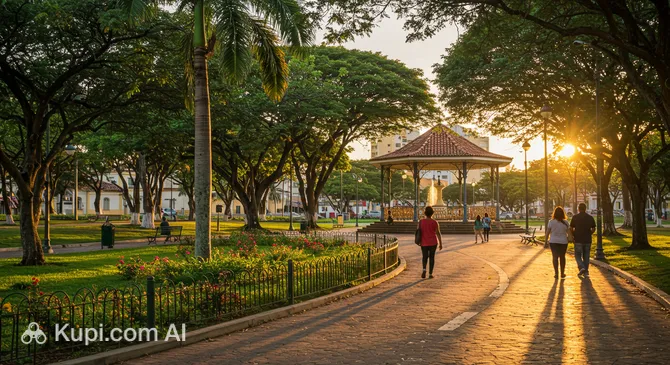
Takebe Park deserves special attention. This peaceful spot is perfect for walks and outdoor relaxation. The park is valued by locals for being well-maintained and offering a chance to spend time in silence, away from the noise of busy highways.

\n

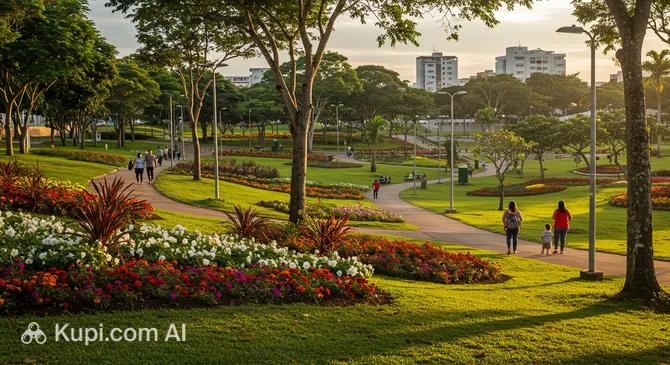
Takebe Park. Illustration.
Source: Kupi.com AI

Traveler photos:

\n

Another important point on the city map is Paço Park. This is one of the central places for active leisure in the city. Families with children and sports enthusiasts can often be found here. The park is a symbol of the city's commitment to creating a comfortable environment for its residents.

\n

Paço Park. Illustration.
Source: Kupi.com AI

Traveler photos:

\n

It is also worth visiting Sete Campos Park. This is a vast territory that offers space for various types of recreation. Even though Diadema does not possess world-famous historical monuments, these green oases allow tourists to feel the local rhythm of life and the hospitality of the local people.

\n

Sete Campos Park. Illustration.
Source: Kupi.com AI

Traveler photos:

Local Cuisine

The gastronomy of Diadema is a quintessence of the Brazilian culinary traditions of São Paulo state. The basis of the local diet consists of hearty and simple dishes, perfect for the energetic rhythm of life in an industrial city. The main hit here, as in the rest of the country, is feijoada—a rich stew of black beans and various types of meat, traditionally served with rice and orange slices.

\n

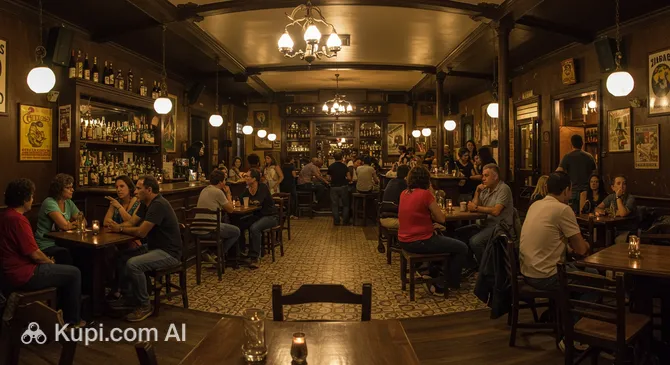
While walking around the city, be sure to stop by local snack bars to try pastel (crispy fried pastries with various fillings) or coxinha—teardrop-shaped croquettes made of chicken and cream cheese. In places like Boteco Tibério, you can feel the authentic atmosphere of Brazilian socializing over a glass of ice-cold beer or a refreshing caipirinha.

\n

Tibério's Boteco. Illustration.
Source: Kupi.com AI

Traveler photos:

\n

For meat lovers, Diadema offers excellent churrascarias—restaurants where meat is cooked over charcoal. The food culture here is closely linked to street food and simple family restaurants offering quality food at affordable prices. For breakfast, locals prefer the famous pão de queijo (cheese bread) and strong Brazilian coffee, the aroma of which fills the city streets in the mornings.

Travel Tips

Planning a visit to Diadema? These practical tips will help make your trip comfortable and safe, allowing you to focus on exploring this energetic Brazilian city.

\n
    \n
  1. Clothing and Essentials: Diadema has a humid subtropical climate. In summer, bring light clothing made of natural fabrics, and for winter evenings (June–August), a windbreaker or light sweater will come in handy. Don't forget comfortable shoes for walking and a power adapter (Brazil uses type N sockets).
  2. \n
  3. Transport: For getting around the city and trips to São Paulo, it is best to use Uber—it is reliable and safe. If you decide to use the bus, purchase a transport card in advance for payment convenience.
  4. \n
  5. Finances: The official currency is the Brazilian Real. Cards are accepted almost everywhere, even in small kiosks, but it's worth having some cash for markets. Tips in restaurants are usually already included in the bill (10%), but a small additional token of appreciation is always welcome.
  6. \n
  7. Health and Safety: Diadema is a working-class city with a high population density, so be vigilant. Avoid walking in the outskirts and favelas, especially after dark. Keep valuables in a hotel safe and do not display expensive technology on the street.
  8. \n
  9. Communication: The main language is Portuguese. English is not widely spoken outside of large hotels, so learn a few phrases: "Obrigado" (thank you) and "Bom dia" (good day)—this will help win over the locals.
  10. \n
  11. Local Etiquette: Brazilians are very friendly and open. Greetings are often accompanied by a firm handshake or a light hug. Be polite and smiling.
  12. \n
  13. What to Avoid: Do not discuss sensitive social topics and try not to stand out as a "typical tourist" with a bulky camera around your neck in crowded places.
  14. \n
  15. Extra Tip: Download offline maps of the city and a translator app; this will significantly simplify navigation and communication in shops and cafes.
  16. \n
\n

May your introduction to Diadema be interesting and filled with the atmosphere of true Brazilian hospitality!

Entertainment & Nightlife

Nightlife in Diadema is predominantly local in character, as most residents prefer to head to neighboring São Paulo for large-scale parties and major clubs. Nevertheless, you can find cozy spots for evening relaxation within the city itself, where workers and young people gather after a day's work.

\n

For those looking for the atmosphere of a traditional Brazilian bar, Boteco Tibério is an excellent choice. It is a classic establishment where you can sample local snacks and cold beer in a relaxed setting. If you are interested in a more modern leisure format with music and cocktails, keep an eye on Studio 1100, which often hosts themed nights.

\n

Tibério's Boteco. Illustration.
Source: Kupi.com AI

Traveler photos:

\n

Daytime entertainment is often centered around shopping complexes. For example, you can find family play zones in malls, such as Neo Geo Family Diadema, offering rides and arcade games. Safety requires attention in the city during the evening, so it is recommended to use official taxi apps or Uber for traveling between venues, and it is better to save walks through unfamiliar outskirts for daylight hours.

Parks & Museums

In the industrial landscape of Diadema, parks play a key role, serving as the main centers of attraction for residents. The city is constantly working on greening its territories to create comfortable relaxation zones in high-density conditions. One of the most popular places is Paço Park, where townspeople love to spend weekends in the fresh air.

\n

Paço Park. Illustration.
Source: Kupi.com AI

Traveler photos:

\n

A special atmosphere of tranquility can be found in Takebe Park. This park is an excellent example of how city authorities integrate nature into the urbanized environment. While there are no major historical museums in Diadema itself (for those, you should head to central São Paulo), urban culture is reflected in the architecture of public buildings and local cultural centers, which host temporary exhibitions and community events.

\n

Takebe Park. Illustration.
Source: Kupi.com AI

Traveler photos:

\n

For those looking for more space and sports fields, Sete Campos Park is ideal. This place attracts fans of active lifestyles and team games. Since ecology in an industrial area requires attention, visiting such parks is the best way to see Diadema from its coziest and most welcoming side.

\n

Sete Campos Park. Illustration.
Source: Kupi.com AI

Traveler photos:

Getting Around

The public transport system in Diadema is geared towards the daily commute of hundreds of thousands of residents to other parts of the Greater São Paulo metropolitan area. The main mode of transport here is buses. An extensive network of routes connects residential neighborhoods with industrial zones and key transport terminals.

\n

A distinctive feature of the city is its close integration with the São Paulo metro network. Although the metro itself does not enter Diadema, special express buses quickly transport passengers to hub stations such as Jabaquara (Line 1) or Tamandaré (Line 2). For fare payment, it is recommended to purchase a Bilhete Único card, which allows for savings on transfers between buses and the metro.

\n

Taxis and popular apps like Uber and 99 serve as an alternative to public transport. This is the safest and most comfortable way to get around the city, especially in the evening. Car owners should keep in mind the heavy traffic on the Rodovia dos Imigrantes and Via Anchieta highways, where traffic jams during peak hours are common.

Accommodation

The hotel sector in Diadema is primarily aimed at business travelers and specialists visiting local enterprises on business. You won't find luxury five-star resorts here, but the city offers a decent selection of mid-range hotels and functional apartments for short-term rent.

\n

The most convenient accommodation options are located near the main highways, providing quick access to industrial zones and neighboring cities in the metropolitan area. In residential districts, short-term apartment rentals prevail, which can be a more budget-friendly option for those planning to stay in the city for several days.

\n

When planning your trip, it is recommended to book accommodation in advance, especially if your visit coincides with major industry exhibitions or business forums in Greater São Paulo. Prices in Diadema are usually lower than in the center of the metropolis, making the city an attractive option for budget-conscious travelers with a car at their disposal.

Nearby Cities

Thanks to its location in the heart of the industrial region, Diadema serves as an excellent starting point for exploring the surroundings of Greater São Paulo. Just a few kilometers away are cities that each possess their own character and economic significance.

\n

Right nearby is São Bernardo do Campo—Diadema's "older brother," known for its automobile factories and the picturesque Billings Reservoir, where you can enjoy water sports. Also, in 15-20 minutes, you can reach the Santo Amaro district, which offers a wide selection of cultural venues and shopping centers.

\n

If you have a free day, we recommend heading to São Caetano do Sul, considered one of the most prosperous cities in the region with a high standard of living and beautiful public parks. For those missing the sea, the highway will take you to the beaches of Santos in a little over an hour.

\n
CityPopulationDistance
Sao Bernardo do Campo816 9257 km
Aurora24 5668 km
Heliopolis13 7629 km
Santo Amaro61 7029 km
Sao Caetano do Sul161 95710 km
\n

Exploring neighboring municipalities will allow you to better understand the scale and diversity of Brazilian urban culture, turning an ordinary trip into a fascinating journey through the most populous region of South America.

Shopping & Souvenirs

Shopping in Diadema primarily involves visiting large, modern shopping centers, which have become the main places for leisure and shopping for the residents. Here you can find both well-known international brands and popular Brazilian clothing, footwear, and accessory labels.

\n

The city's main shopping magnet is Praça da Moça Shopping Center. This is a modern space with a wide selection of shops, a food court, and a cinema. Entertainment events are often held here, making it a popular spot for family leisure.

\n

Praça da Moça Shopping Mall. Illustration.
Source: Kupi.com AI

Traveler photos:

\n

Another important point for shopping enthusiasts is Shopping Diadema. This center caters to the daily needs of residents, offering a great selection of home goods and electronics. If you are interested in local products or authentic souvenirs, it is worth checking out the city markets in residential areas, where fresh tropical fruits and traditional Brazilian delicacies are sold.

\n

Shopping Diadema. Illustration.
Source: Kupi.com AI

Traveler photos:

\n

Shops in Diadema usually operate from 10:00 to 22:00, while markets open early in the morning. Bank cards are widely accepted, but in small stalls at the markets, it is better to have some cash in Reais on hand.

Reached the end of the page?

That means the route is fully explored