Located just 40 kilometers from the bustling metropolis of São Paulo, the city of Mogi das Cruzes offers travelers a unique blend of industrial strength and natural tranquility. This municipality in Brazil, home to approximately 450,000 people, long remained in the shadow of its great neighbor, but today it is increasingly attracting attention as a distinctive tourist destination.
The city's geographical position in the upper reaches of the Tietê River and its proximity to the Serra do Mar mountain range define its character. More than half of the municipality's territory is occupied by environmental protection zones, making the air here noticeably cleaner than in the state center. Mogi das Cruzes. Illustration.
Source: Kupi.com AI
The rich history of the city, founded by Portuguese explorers (Bandeirantes) back in the 16th century, is closely intertwined with the traditions of Japanese immigrants, who transformed this region into the largest agricultural hub in the area.
A visit to Mogi das Cruzes is an opportunity to see a "different" Brazil: industrious, green, and gastronomically diverse. The city is famous for its status as the country's "mushroom capital" and for the hospitality of the locals, who take pride in showing off their parks and historical temples.
Weather Overview
The climate in Mogi das Cruzes is classified as subtropical highland, due to its location at an altitude of 760 meters above sea level. Thanks to this terrain, exhausting heat is rare, and the air is often filled with moisture from the Atlantic Forest. Typical weather includes warm, rainy summers and mild, relatively dry winters.
In the summer months, especially in January and February, the average temperature is around +23°C, but it frequently rises to +27°C. This period sees the heaviest rainfall, often in the form of short but powerful afternoon downpours. In winter, during July and August, it gets cooler: daytime temperatures stay around +22°C, while at night they can drop to +11°C. The detailed city climate is characterized by frequent morning fogs, which give the local landscapes a special mystery.
The best time to visit is during the shoulder seasons (April-May or September-October), when the temperature is comfortable for walking in parks and the probability of prolonged rain is minimal. However, regardless of the season, it is always worth carrying a light jacket for evening walks.
Average monthly temperature
Average monthly precipitation
Interesting Facts
Mushroom Capital: Mogi das Cruzes is the largest producer of mushrooms in Brazil, supplying a significant portion of the domestic market with this delicacy.
Ancient Roots: The city was founded back in 1560 by Portuguese Bandeirantes and was originally called M'bboi-gy, which meant "river of snakes" in the indigenous language.
Crosses in the Name: The modern name of the city translates to "Mogi of the Crosses"—in olden times, crosses were placed here to mark boundaries and protect travelers.
Tourist Express: You can arrive in the city on the special historical train "Expresso Turístico," which brings tourists from São Paulo on weekends, turning an ordinary trip into a fascinating journey through time.
Green Belt: About 60% of the municipality's territory is officially recognized as an environmental protection zone, safeguarding remnants of the unique Atlantic Forest biome.
How to Get There
The transport accessibility of Mogi das Cruzes makes it a convenient destination for those already in the state of São Paulo. The city is integrated into the region's overall logistics network, making it easy to plan a journey to this industrial center. The main flow of tourists arrives here by car or rail.
While there is no major passenger airport within the municipality itself, travelers use the air hubs of neighboring São Paulo. Guarulhos (GRU) and Congonhas (CGH) airports are located about an hour's drive away, providing connections to the rest of the world.
The railway connection is of particular interest to tourists. In addition to the regular CPTM commuter trains, the city is the terminus for the famous Expresso Turístico. This comfortable train departs from Luz Station in São Paulo, offering passengers scenic views and an old-world travel atmosphere. The railway is also actively used for freight, highlighting the city's economic importance.
Station
Passenger traffic
Distance
Corinthians-Itaquera
8
29 km
Ribeirao Pires
5
32 km
Tatuapé
6
40 km
Tamanduateí
5
42 km
Brás
7
44 km
Main Attractions
Despite its primarily industrial status, Mogi das Cruzes carefully preserves its architectural and natural treasures. One of the most significant religious landmarks is the Church of Our Lady of Mount Carmel (Igreja do Carmo), a beautiful example of colonial heritage that serves as the city's spiritual center.
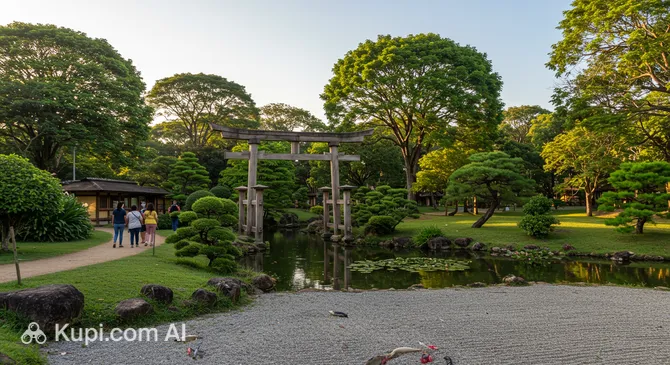
The Japanese community holds a special place in the region's culture, honored by the magnificent Centenary Park of Japanese Immigration. This space is filled with symbolism and tranquility, perfect for leisurely strolls through themed gardens. Japanese Immigration Centennial Park. Illustration.
Source: Kupi.com AI
Traveler photos:
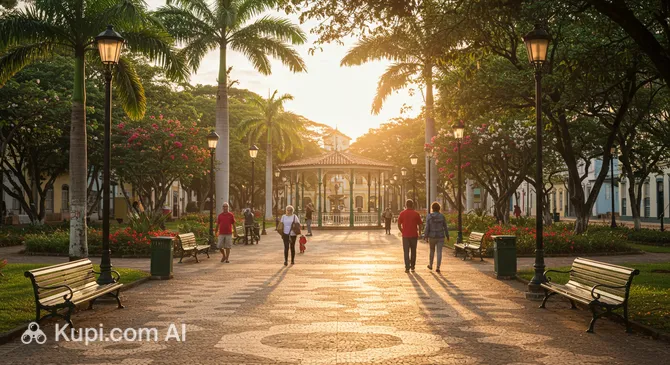
For those who prefer active outdoor recreation, the spacious City Park offers modern infrastructure for sports and family picnics.
City Park. Illustration.
Source: Kupi.com AI
Traveler photos:
For lovers of panoramic views, a trip to Urubu Peak (Pico do Urubu) is a must, offering a breathtaking view of the entire region. No less interesting is the Parque das Neblinas (Mist Park)—a private reserve where you can get acquainted with the untouched nature of the Atlantic Forest and see rare plant species, including the famous orchids of Mogi das Cruzes.
Local Cuisine
The gastronomy of Mogi das Cruzes is a vivid reflection of its agricultural wealth and the influence of Japanese immigration. The main star of the local table is the mushroom: they are prepared here in dozens of ways—from classic sautés to exotic pastry fillings. At the Sunday session of the Municipal Market, you can taste the freshest delicacies delivered straight from the farms.
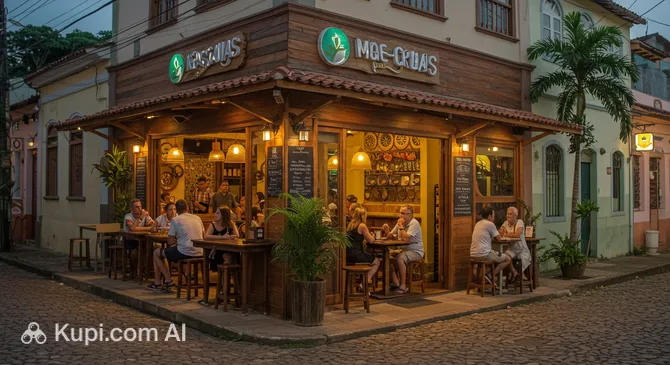
Be sure to try a traditional pastel (fried pastry) paired with ice-cold sugarcane juice—it's a favorite snack among locals. The city also has strong Japanese culinary traditions, serving excellent baozi and dumplings. For a more substantial lunch, modern restaurants like Bamboo Restaurant and Burger are suitable, where classic dishes sit alongside popular fast food.
Bamboo Restaurant & Burger. Illustration.
Source: Kupi.com AI
Traveler photos:
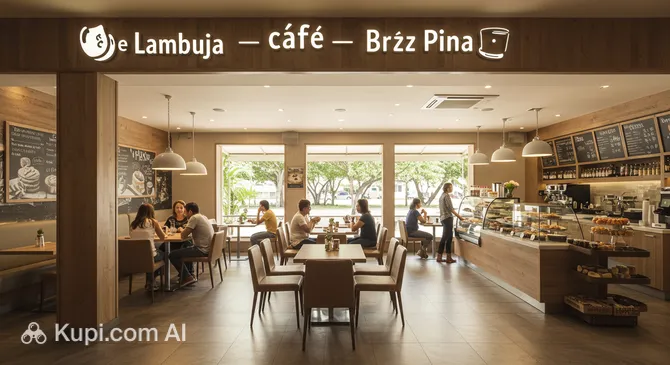
Cozy cafe lovers will enjoy De Lambuja Jam Cafe – Braz de Pina branch, where you can enjoy desserts made with local fruits such as oranges and bananas. As for drinks, during the June festivities, you should try quentão—a hot cachaça-based drink with spices that warms you up perfectly on cool evenings.
De Lambuja Café with Jam – Braz de Pina Branch. Illustration.
Source: Kupi.com AI
Traveler photos:
Travel Tips
Planning a visit to Mogi das Cruzes? These practical tips will help make your trip comfortable and avoid minor inconveniences in this interesting corner of São Paulo state.
Clothing and Essentials: The city is at a higher elevation, so it can be cooler here than on the coast. In summer, bring light clothing and definitely an umbrella; for winter evenings (June-August), a windbreaker or light sweater will be useful. Choose modest clothing when visiting churches.
Transport: Try not to plan car trips during rush hours (07:00–09:00 and 17:00–19:00), when roads heading towards São Paulo are congested. For trips from the capital, the CPTM train is the best option—it is reliable and safe.
Finances: Brazil uses the Real (BRL). Cards are accepted almost everywhere, even at the market, but having a small amount of cash for minor purchases doesn't hurt. Service charges in restaurants are usually already included in the bill (10%).
Health and Safety: The city is generally peaceful, but follow standard precautions: do not walk alone in unlit areas at night and keep an eye on your belongings in crowded places. Pharmacies are found at every turn.
Communication: The primary language is Portuguese. English is not spoken by everyone, so download an offline translator. A few phrases like "Bom dia" (Good morning) and "Obrigado" (Thank you) will go a long way with the locals.
Local Etiquette: Brazilians are very friendly and open. Greetings are often accompanied by a light handshake or a hug. Politeness and a smile are highly valued in communication.
What to Avoid: It's best not to criticize local infrastructure or compare the city to wealthier districts of São Paulo—residents are very fond of their city and may take offense.
Extra Tip: Be sure to visit the Municipal Market specifically on Sunday morning—before 1:00 PM. This is when the atmosphere is liveliest and you'll find the best selection of fresh mushrooms and flowers.
Mogi das Cruzes will reveal itself as a hospitable and authentic city if you show a little curiosity and respect for its traditions. Enjoy your trip!
Entertainment & Nightlife
Nightlife in Mogi das Cruzes is more relaxed and local compared to the unrestrained revelry of São Paulo. Most activity is concentrated in cozy bars and gastropubs where residents gather after work. One popular spot with an original concept is the "Scandinavian Gods" Bar and Restaurant, offering an unusual atmosphere and a wide selection of drinks.
Norse Gods Bar & Restaurant. Illustration.
Source: Kupi.com AI
Traveler photos:
If you're looking for a fun evening with friends accompanied by traditional Brazilian snacks, check out Esquina do Joaquim Bar. For those who enjoy dancing and a more energetic rhythm, the Bushishu nightclub operates in the city, frequently hosting themed parties and performances by local DJs.
Buxixo. Illustration.
Source: Kupi.com AI
Traveler photos:
Daytime entertainment in the city is closely linked to nature and culture. In June, the city is transformed during the Festa Junina—a massive event featuring folk dances, games, and traditional food that is not to be missed. At other times of the year, hiking tours and fishing at local reservoirs are popular activities.
Parks & Museums
Natural heritage is the main pride of Mogi das Cruzes. The city is surrounded by a green ring of Atlantic Forest, and a significant part of its territory is protected. The most famous place for connecting with nature is Parque das Neblinas (Mist Park), where visitors can walk along well-maintained trails, see rare plants, and enjoy the cool mountain streams.
Within the city limits, the Aquapet Aquarium and Animal Center is popular, especially with families. Here, you can not only see various inhabitants of the aquatic world but also learn more about the region's ecosystem. Aquarium and Pet Center. Illustration.
Source: Kupi.com AI
Traveler photos:
The cultural and historical side is represented by architectural monuments such as the Church of São Benedito and the ancient mansion Casarão do Chá (Tea House). These sites serve as open-air museums, telling the story of Japanese tea traditions and the city's colonial past. Also worth noting are the events at the University of Mogi das Cruzes (UMC), which often serves as a venue for exhibitions and cultural lectures.
Getting Around
The public transport system in Mogi das Cruzes is well-developed and allows for easy travel both within the municipality and beyond. The backbone of inner-city transport is the bus network, with routes covering even the most remote areas. Fares are usually paid in cash or with special transport cards that can be topped up at kiosks throughout the city.
The railway is a vital transport artery. CPTM Line 11 connects the city with the center of São Paulo, making Mogi das Cruzes a popular place to live for those who work in the capital. For tourists, this is the most predictable way to get around, helping to avoid hours of traffic on the highways, especially during rush hours from 7:00 to 9:00 AM and 5:00 to 7:00 PM.
As an alternative to public transport, ride-hailing apps (Uber and 99) are widely available in the city, operating 24/7 and offering reasonable rates. Renting a car can be useful if you plan to visit remote nature parks or neighboring cities, but the heavy traffic on the region's main highways should be taken into account.
Accommodation
The hotel sector in Mogi das Cruzes is primarily geared towards business travelers and those seeking a quiet retreat away from the hustle and bustle of the big metropolis. You won't find a huge number of luxury five-star complexes here, but the city offers a decent selection of mid-range hotels and cozy apartments.
For those who prefer to be at the center of the action, consider accommodation options near the main shopping and business zones, such as the Dual Patteo Mogilar area. If your goal is nature, look into small country hotels (fazendas) on the outskirts of the city, which offer an authentic experience of life in rural Brazil.
Accommodation prices here are noticeably lower than in São Paulo, making Mogi das Cruzes an attractive base for budget-conscious travelers. Nevertheless, it is recommended to book in advance, especially if your visit coincides with major holidays like Festa Junina in June, when demand for rooms rises sharply.
Nearby Cities
Thanks to its location, Mogi das Cruzes serves as an excellent starting point for exploring the eastern part of São Paulo state. The region around the city is rich in small settlements that have preserved the spirit of old Brazil and offer great opportunities for eco-tourism.
Just 13 kilometers away is the city of Suzano, known for its parks and developed industry. For nature lovers, a trip to Biritiba-Mirim is a must, as it is the starting point for many hiking trails through tropical forests. Also nearby is Itaquaquecetuba, which attracts visitors with its dynamic atmosphere and proximity to the capital's metropolitan area.
If you have a free day, it is also recommended to visit neighboring Guararema, famous for its picturesque riverbanks and Christmas decorations. Exploring these surroundings will allow you to gain a deeper understanding of the diversity and richness of the Tietê region.
Shopping & Souvenirs
Shopping in Mogi das Cruzes is primarily about finding fresh and unique products. The city's main shopping magnet is the Municipal Market (Mercado Municipal). It is particularly interesting on Sunday mornings when the market fills with farmers from all over the area. This is the best place to buy famous local mushrooms, exotic fruits, and even rare species of orchids.
For those who prefer a modern shopping format with comfort and air conditioning, large shopping centers operate in the city. One of them is Dual Patteo Mogilar, which features both international brands and Brazilian clothing and accessory labels. Another popular place for shopping and family relaxation is the ComVem Ipoema complex.
ComVem Ipoema. Illustration.
Source: Kupi.com AI
Traveler photos:
As souvenirs from Mogi das Cruzes, tourists most often bring home products from local artisans, wooden items, and, of course, gastronomic gifts: jams, dried mushrooms, and local coffee. Shops are typically open from 9:00 AM to 6:00 PM on weekdays, and shopping malls until 10:00 PM, accepting cards from most international systems.