Support

Mongagua

About

Mongaguá is a charming coastal city nestled on the shores of the Atlantic Ocean in the state of São Paulo, Brazil. Located approximately 90 kilometers south of the bustling state capital, São Paulo, Mongaguá offers its guests a unique blend of proximity to nature and a relaxed atmosphere, perfect for those looking to take a break from the city's hustle and bustle.

The city, with a population of just over 52,000 people, stretches between the majestic ocean and picturesque green hills. Thanks to this fortunate location, Mongaguá is famous for its mild subtropical climate and wide beaches. An atmosphere of true Brazilian "lightness of being" reigns here, far from the noise of major resorts, and locals welcome guests with sincere hospitality.
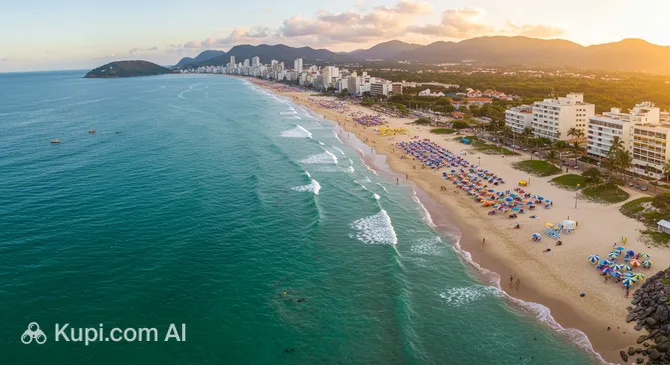
Mongagua. Illustration.
Source: Kupi.com AI

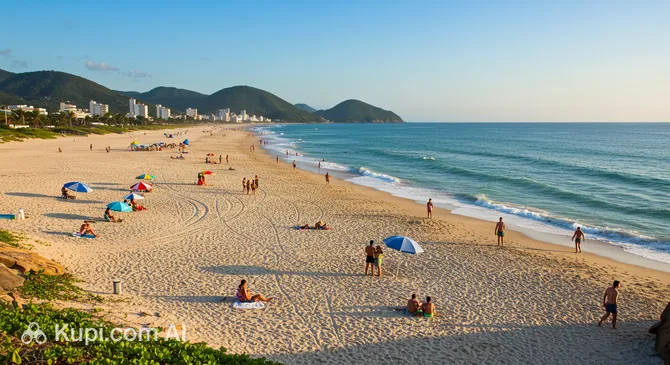
Mongaguá's main asset is undoubtedly its kilometers of sandy beaches washed by the gentle waters of the Atlantic. Here you can take leisurely strolls along the waterfront, enjoying the fresh ocean breeze, go surfing, or simply admire the stunning sunsets. The city also offers many cozy cafes overlooking the ocean, where you can relax and feel the true taste of local life.

Mongaguá is an excellent choice for those seeking harmony with nature, a quiet family vacation, or a romantic getaway. Visit Mongaguá to discover another side of the Brazilian coast – calm, open, and generous with impressions.

You can find more interesting facts on the Mongaguá city history page.
Weather Overview

The weather in Mongaguá is characterized by a warm and humid climate. Average temperatures throughout the year range from 18.2°C in July to 24.5°C in January, with minimum values potentially dropping to 13.9°C (in July) and maximums reaching 27.8°C (in January). Expect hot and very humid summers in Mongaguá, especially between December and March, when the highest rainfall occurs (10-12 mm per month, and up to 27 rainy days). Winter, falling in June-August, is cooler and significantly drier here, with rainfall around 2-3 mm per month and approximately 8-12 rainy days.

To plan your trip in more detail considering weather conditions and seasonal features, check out the detailed information: Mongaguá Climate.

Average monthly temperature

Average monthly precipitation

Interesting Facts

Beyond its famous beaches, Mongaguá holds many interesting details and stories that make this city truly special. Here are a few curious facts that will help you see this coastal corner of Brazil from a new perspective:

Itaóca Beach. Illustration.
Source: Kupi.com AI

Traveler photos:

  • Mongaguá prides itself on its impressive pier, which is considered one of the longest on the entire coast of the state of São Paulo. It is a favorite spot for leisurely walks, fishing, and admiring the magnificent sunrises over the Atlantic Ocean. Locals claim that the pier offers the best view of the city and its surroundings.

  • The name of the city itself, "Mongaguá," has its roots in the Tupi indigenous language and translates to "river where there is much fish." This description remains relevant today: fishing is still a significant part of the local culture, and Mongaguá regularly hosts fisherman festivals where you can not only compete in skills but also taste the freshest sea delicacies.

  • In the city's surroundings, you can find not only traces of ancient indigenous settlements but also unique natural sites. These include salt springs and coastal mangroves, which serve as home to rare bird species and other animals, attracting ecotourism lovers.

  • Mongaguá is often called a "Brazilian oasis for family vacations." The city is famous for its tranquility and safety, making it attractive for travelers who value peace, clean beaches, and the opportunity to enjoy nature away from noisy tourist centers.

How to Get There

Getting to Mongaguá is quite simple, as the city is located near the state capital, São Paulo, and has convenient connections to the region's main transport hubs. You can find all the ways to reach the city on a separate page, and below we will look at the most popular routes via the nearest airports.

Mongaguá itself does not have an airport, so travelers usually fly into one of the major airports of the neighboring metropolis, São Paulo. The closest is Congonhas (IATA: CGH), located within São Paulo city, about 54 km from Mongaguá. This airport serves mainly domestic flights. A taxi or transfer ride from here will take about 1 hour and 10 minutes, depending on traffic.

For international flights, the main hub is São Paulo-Guarulhos International Airport (IATA: GRU). It is located in the city of São Paulo (Guarulhos municipality) at a distance of about 78 km from Mongaguá. This is the country's largest air gateway. The drive from Guarulhos to the coast takes approximately 1.5–2 hours. You can also consider Viracopos (VCP) in Campinas, but it is significantly further away — more than 130 km.

For clarity, here is a summary of the main airports:

AirportPassenger trafficDistance
Sao Paulo/Congonhas Airport22 mln54 km
Sao Paulo-Guarulhos International Airport41.3 mln78 km
Sao Paulo Catarina Airport92 km
Sao Jose dos Campos85 000128 km
Viracopos Airport12.5 mln132 km

There is no direct passenger rail service to Mongaguá. The primary mode of public transport for trips from São Paulo and other cities is intercity buses. From São Paulo, buses to Mongaguá most often depart from the Jabaquara bus station (Terminal Jabaquara), which is conveniently connected to the metro line. The bus ride is an economical and comfortable option that allows you to enjoy the views on the way to the coast.

If you prefer traveling by car, the route from São Paulo goes through the Anchieta-Imigrantes road system, followed by the Padre Manoel da Nóbrega highway, which runs along the coast directly through Mongaguá.

Main Attractions

Mongaguá, a charming coastal city in Brazil, offers its guests several interesting spots perfect for a relaxing holiday and getting to know the local culture. Here, everyone will find something to their liking, whether it's relaxing on the beach or tasting local dishes.

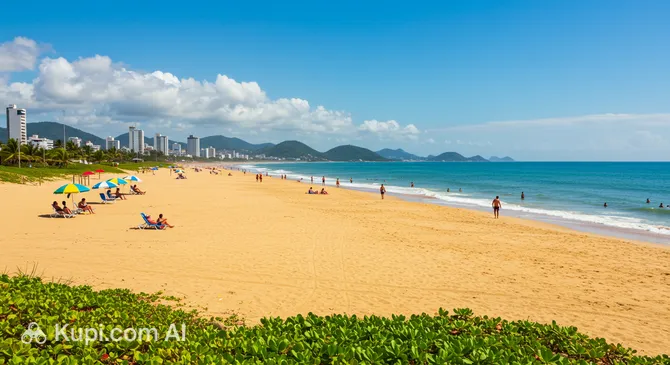
One of the city's main gems is Agenor de Campos Beach. This spacious beach attracts visitors with its golden sand and calm waters, creating excellent conditions for family vacations, sunbathing, and long walks along the shore. Its well-developed infrastructure with kiosks and restaurants makes staying here particularly comfortable.

Agenor de Campos Beach. Illustration.
Source: Kupi.com AI

Traveler photos:

Another popular spot is Itaoca Beach. It is known for its natural beauty and a more secluded atmosphere compared to other beaches. Rocky formations at the edges of the beach create picturesque landscapes that are especially appreciated by photography enthusiasts and those who enjoy quiet contemplation of nature. It's a great place for those seeking peace and harmony.

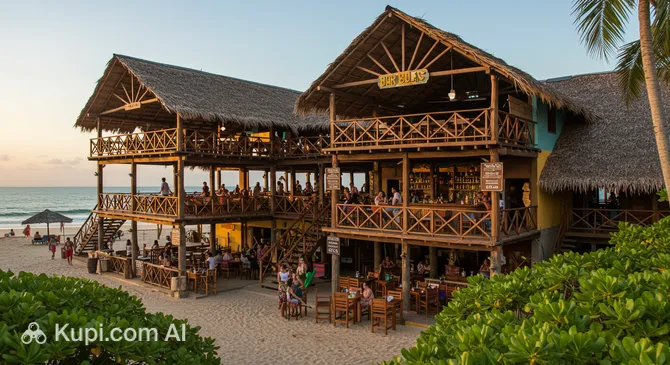
After a busy day on the coast, many head to Bar Bolas. This establishment is popular with both tourists and locals thanks to its casual atmosphere, delicious food, and variety of drinks. Here you can spend a pleasant evening enjoying Brazilian cuisine and hospitality.

Bar Bolas. Illustration.
Source: Kupi.com AI

Traveler photos:

Local Cuisine

The cuisine of Mongaguá is a true gastronomic journey, based on the freshest gifts of the Atlantic Ocean. The main highlight of local dishes is undoubtedly fish and seafood. Be sure to try the traditional Brazilian dish moqueca de peixe – a fragrant fish stew with coconut milk, tomatoes, and spices, which is prepared here using the morning catch. This dish is a signature of Brazil's coastal regions.

Among other popular delicacies to taste in Mongaguá are shrimp pastéis (crispy pastries), tender fried squid, and the famous casquinha de siri – stuffed crab shells baked with greens and aromatic herbs. Street food lovers will enjoy grilled corn, pão de queijo (cheese bread), and various coconut sweets. And, of course, you cannot miss açaí – a thick berry dessert, perfect for refreshing on a hot day.

Local bars and cafes will offer you refreshing cocktails made with passion fruit and lime, as well as a variety of tropical juices and fruit smoothies. The food culture in Mongaguá is diverse: locals and tourists enjoy food in cozy restaurants as well as buying it from street vendors right on the beaches or at bustling markets. One of the places to get acquainted with the local cuisine is Bar Bolas. In summer, the city comes alive with gastronomic festivals, especially seafood celebrations, where you can not only try exotic dishes but also participate in culinary workshops to the sound of live music on the ocean shore.

Travel Tips

Welcome to sunny Mongaguá! To ensure your trip to this charming corner of Brazil is as comfortable and pleasant as possible, we've prepared some practical tips. They will help you navigate the area better and avoid potential inconveniences.

  1. Clothing and Essentials: Mongaguá has a warm and humid climate, so the core of your wardrobe should consist of light, breathable clothing made from natural fabrics like cotton or linen. Don't forget swimwear, high-SPF sunscreen, a hat, and sunglasses. For walking around town and the beach, comfortable shoes like sandals or light sneakers are ideal. If you plan to visit churches, bring something to cover your shoulders and knees. Electrical outlets in Brazil are type N, so you might need an adapter.

  2. Getting Around Town: You can move around Mongaguá by city buses – this is the most budget-friendly option. Taxi services and popular ride-hailing apps like Uber or 99 are also available. Renting a car can be convenient if you plan to explore the surroundings and neighboring beaches, but keep in mind that parking can be an issue during the tourist season.

  3. Financial Matters: The official currency of Brazil is the Brazilian Real (BRL). You can exchange currency at banks or exchange offices ("casas de câmbio"), but it's better to do this in advance or in larger cities, as rates in small resort towns can be less favorable. Credit and debit cards (especially Visa and Mastercard) are accepted in most shops, restaurants, and hotels. However, it's always useful to carry some cash for small purchases or in case cards don't work. ATMs (caixas eletrônicos) are fairly common. Tips in restaurants are often already included in the bill (around 10%); otherwise, they are at your discretion but always appreciated.

  4. Health and Safety: Pharmacies ("farmácias") are easy to find in the city, and some may be open 24/7. For medical assistance, tourists are recommended to have travel insurance that covers expenses at private clinics. Mongaguá is a relatively quiet city, but as everywhere, standard precautions should be taken: don't leave your belongings unattended on the beach, avoid walking in deserted and poorly lit areas at night, and don't display expensive jewelry or large sums of money. It is recommended to drink bottled water and use mosquito repellent, especially in the evenings.

  5. Communication and Connectivity: The official language is Portuguese. English proficiency among the local population may not be high, especially outside the tourist infrastructure. Learn a few basic phrases in Portuguese, such as: "Olá" (Hello), "Obrigado/Obrigada" (Thank you – masc./fem.), "Por favor" (Please), "Quanto custa?" (How much is it?). This will significantly facilitate communication. A local SIM card can be purchased at mobile operator stores. Wi-Fi is available in most hotels, cafes, and restaurants.

  6. Local Etiquette: Brazilians are known for their friendliness and openness. A greeting usually includes a handshake, and between well-acquainted people or women, a kiss on the cheek (one or two). In public places, try to behave respectfully, though the overall atmosphere is quite relaxed. Loud talking and laughter are perfectly acceptable. A smile and kindness will always help establish contact.

  7. Things to Avoid: Try not to drink tap water – it's better to buy bottled. Also, avoid openly displaying expensive gadgets or jewelry in crowded places to not attract the attention of pickpockets. Don't photograph people without their permission, especially regarding their private lives.

  8. Enjoy the Local Flavor: Be sure to visit the famous Mongaguá Fishing Platform (Plataforma de Pesca de Mongaguá). It's not only a great spot for fishing enthusiasts but also a wonderful walking point with a magnificent ocean view, especially at sunset. Also, don't miss the chance to try fresh seafood in local restaurants along the waterfront.

We hope these tips make your stay in Mongaguá even more pleasant and worry-free. We wish you an unforgettable vacation on the beautiful coast of Brazil!

Entertainment & Nightlife

Evening Mongaguá offers its guests a relaxing and friendly atmosphere, typical of small coastal cities in Brazil. There are no noisy metropolis-style nightclubs here, but there are plenty of cozy spots where you can enjoy your time after sunset, taking in the local flavor and hospitality.

Most of Mongaguá's evening life is concentrated along the Avenida Governador Mário Covas Júnior waterfront and its adjacent streets. Here you will find many bars, restaurants, and kiosks (quiosques) offering fresh seafood, traditional Brazilian snacks, and refreshing drinks like caipirinha. One of the places where you can have a great evening is Bar Bolas, known for its pleasant atmosphere and local cuisine. Many venues offer live music, especially on weekends – ranging from samba and bossa nova to MPB (popular Brazilian music).

Bar Bolas. Illustration.
Source: Kupi.com AI

Traveler photos:

The atmosphere in Mongaguá at night is very laid-back. The crowd is mixed, with both locals and tourists enjoying their vacation. The dress code is usually casual; no special preparation is required. Establishments start coming to life towards the evening, around 7:00 PM - 8:00 PM, and many stay open until midnight or slightly later, especially during high season and on weekends. Prices in bars and restaurants are quite moderate, making evening leisure very accessible.

For moving around the city at night, it is recommended to use taxis or ride-hailing apps. Although Mongaguá is generally considered a quiet city, it is always worth following standard precautions: avoid poorly lit and deserted places, especially if you are alone. Central areas and the waterfront are usually well-lit and safe for walking.

During the day, Mongaguá offers other forms of entertainment. Of course, the main attractions are its long beaches, such as Itaoca Beach and Agenor de Campos Beach, ideal for sunbathing, swimming, and water sports. These beaches are also wonderful for leisurely evening walks to the sound of the surf. Additionally, you can visit the Fishing Platform (Plataforma de Pesca), a popular spot for fishing and admiring the ocean, or stroll through the city center to get acquainted with local life.

Parks & Museums

Mongaguá invites you to enjoy its natural beauty, especially its magnificent beaches, and to get acquainted with the local culture through its coastal flair and hospitality. While the city may not boast a large number of traditional museums, it offers many other ways to immerse yourself in its atmosphere.

The main green and recreational areas of Mongaguá are certainly its beaches. Among them, Itaoca Beach stands out, known for its wide sandy strip and calm waters, making it an ideal place for family holidays, sunbathing, and leisurely strolls along the shore. Another popular choice is Agenor de Campos Beach, which also attracts holidaymakers with its beauty and developed infrastructure, offering various amenities for a comfortable stay.

Itaóca Beach. Illustration.
Source: Kupi.com AI

Traveler photos:

As for museums and galleries, Mongaguá offers cultural immersion more through its lifestyle and local traditions than through formal exhibition spaces. Instead of classic museums, you can explore craft fairs featuring products from local artisans or visit cultural events occasionally held in the city that reflect its uniqueness. Looking for small art studios or chatting with locals can also reveal interesting sides of Mongaguá's cultural life.

Agenor de Campos Beach. Illustration.
Source: Kupi.com AI

Traveler photos:

Although Mongaguá is not famous for ancient historical monuments, its charm lies in the atmosphere of a typical Brazilian coastal city. A walk along the waterfront, watching fishing boats, or visiting the Fishing Platform (Plataforma de Pesca de Mongaguá), which is one of the city's landmarks, will allow you to feel its character. The architecture here is predominantly modern, geared towards tourists and comfortable seaside relaxation.

For authentic experiences, check out the local markets where you can find fresh seafood and fruit, or spend an evening in one of the coastal bars and restaurants. For instance, Bar Bolas can offer you a chance to sample local cuisine and drinks in a casual setting. Insider tip: don't miss the opportunity to try freshly caught fish prepared according to traditional recipes – it's the real taste of Mongaguá.

Bar Bolas. Illustration.
Source: Kupi.com AI

Traveler photos:

Getting Around

When planning your movement around Mongaguá, it's worth noting that the backbone of public transport here is the bus. This is the most common and affordable way to reach different city districts and potentially nearby settlements. In cities of Mongaguá's size, the bus network typically covers major routes, connecting residential areas with the center, beaches, and shopping zones.

The fare payment system on buses is generally quite simple. Most often, you can pay the fare directly to the driver or conductor upon boarding. In some Brazilian cities, rechargeable transport cards might be used, but for short-term tourists, paying in cash is usually the most convenient option. The fare is typically fixed for city routes or depends on the zone. It is recommended to have small change for payment.

To use the bus, find the nearest bus stop (often marked with a corresponding sign). Timetables might not always be available at stops, so sometimes you have to rely on the frequency of buses on popular routes or ask locals for information. Buses usually run from early morning until late evening, but the frequency of trips may decrease in the evening hours and on weekends.

In addition to buses, taxi services are available in Mongaguá, as in many Brazilian cities. This is a more expensive but also more comfortable way to get around, especially if you are traveling with luggage or in a group. It's also worth checking for ride-hailing apps (like Uber or local equivalents), which may offer competitive prices. Given the city's coastal location, bicycle rentals may be available in some areas, providing a great alternative for short trips along the waterfront and exploring the surroundings at a leisurely pace.

Unique or historic forms of transport, such as vintage metros or cable cars, are not usually found in a city of Mongaguá's scale. The main emphasis is on the functionality and accessibility of the bus service for the daily needs of residents and visitors.

Accommodation

Mongaguá offers a variety of accommodation options capable of satisfying the needs of most tourists. Here you will find budget-friendly choices such as guest houses (pousadas) and hostels, as well as mid-range hotels, apartments, and houses for rent, which are particularly convenient for families or large groups. There are fewer luxury resorts here, as the focus is on comfortable and affordable housing.

Most tourists prefer to stay in areas located in close proximity to the beaches, for example, near the popular Itaoca Beach or Agenor de Campos Beach. Staying in the central part of Mongaguá can also be convenient, as it provides easy access to shops, restaurants, and the main infrastructure. While the provided list doesn't include specific hotels, the city has plenty of offers for every taste.

Regarding the price range, you can find very economical options as well as mid-range housing in Mongaguá. Luxury offers are less common. Accommodation can be booked through popular online platforms such as Booking.com or Airbnb, as well as by contacting hotels or apartment owners directly. It is recommended to book your stay in advance, especially if your trip coincides with the peak tourist season (summer months, Carnival, or other holidays), to ensure the best choice and prices.

Nearby Cities

For those who want to explore the surroundings, Mongaguá serves as an excellent starting point for day trips to several interesting nearby places:

Among them stand out: Santos, a lively port city known for its beautiful beaches, a historic center with the former Coffee Exchange, and an aquarium – a great place to combine cultural leisure with seaside fun. São Bernardo do Campo, a significant industrial center, offers visitors extensive park areas like Estoril Park and the chance to learn about Brazil's automotive industry history. In Santo André, you will find various cultural institutions, including theaters and a planetarium, as well as pleasant city parks for walking and relaxation.

CityPopulationDistance
Itanhaem103 10215 km
Praia Grande299 26128 km
Sao Vicente355 54232 km
Embu-Guaçu67 29635 km
Cubatao131 62635 km

These nearby destinations provide an insight into the region's diverse culture and landscapes. Each trip promises new impressions, whether it's getting to know historical centers, enjoying nature, or studying local traditions.

Shopping & Souvenirs

As a resort town, Mongaguá offers its guests opportunities for pleasant shopping, mainly focused on beach leisure and souvenir products. While the city is not famous for exclusive goods or massive shopping complexes, you will easily find everything necessary for a comfortable stay and memorable gifts here.

The main shopping spots and stores in Mongaguá are concentrated in the central part of the city and along the main streets running parallel to the beaches. Here you can find small shops selling clothes, beach accessories, souvenir stalls, and pharmacies. Strolling through these areas will allow you to soak up the local atmosphere and choose something to your liking.

There are no large shopping malls in the classic sense in Mongaguá, which is typical for small coastal towns. However, you may come across small commercial galleries or clusters of shops offering a variety of goods – from clothing and footwear to electronics and household items.

Special attention should be paid to the local craft fairs (feirinhas de artesanato), which are often organized in the city, especially on weekends and during the height of the tourist season. At such fairs, you can purchase unique handmade items, souvenirs from local masters, jewelry made from natural materials, and products typical of the region. This is a great place to find authentic gifts and support local artisans.

As souvenirs from Mongaguá, tourists most often choose items related to the sea and the beach: shells and shell crafts, beach towels, and sarongs with local motifs. Also popular are hammocks, ceramics, handmade jewelry made from seeds, wood, or stones, and, of course, traditional Brazilian drinks like cachaça or local coffee.

Shops in Mongaguá usually operate from morning until evening, roughly from 9:00-10:00 AM to 6:00-8:00 PM. During the tourist season, the working hours of many establishments, especially souvenir stalls and shops in the resort area, may be extended. Regarding payment, most stores and supermarkets accept bank cards (credit and debit). However, at markets and small private shops, it is preferable to have cash with you – Brazilian Reais (BRL).

The Tax Free system for tourists on most everyday purchases in Mongaguá is generally not prevalent. This service is more commonly available when purchasing expensive goods in large Brazilian cities or at Duty-Free shops in international airports.

Reached the end of the page?

That means the route is fully explored