Support

Guaruja

About

Guarujá is a true pearl of Brazil's Atlantic coast, a picturesque resort city perched on a lush peninsula where tropical forests meet magnificent white-sand beaches. Located just 90 kilometers from the metropolis of São Paulo, Guarujá is a favorite vacation spot for both locals and tourists, offering a perfect blend of natural beauty and well-developed infrastructure.

With a population of about 311,000 people, Guarujá is considered one of the most popular resort towns in the state of São Paulo. A special atmosphere of serenity reigns here: on one side are the gentle waters of the Atlantic Ocean, and on the other are hills covered in dense greenery, creating a unique landscape. The city offers many hotels, restaurants, and entertainment options while maintaining its natural charm and coziness.
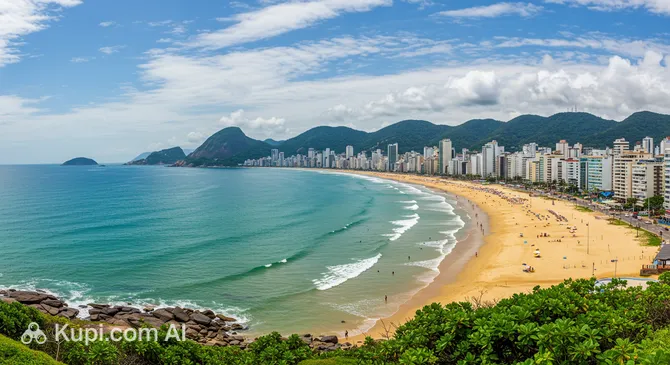
Guarujá. Illustration.
Source: Kupi.com AI

Guarujá is aptly nicknamed the "Paulista's Beach" (the beach for residents of São Paulo). The city is famous for its excellent beaches, where everyone can find a place to their liking: from lively stretches with developed infrastructure to secluded coves ideal for a quiet getaway. Active travelers will appreciate the opportunities for surfing and diving, while scenic viewpoints offer unforgettable ocean vistas. Beyond beach relaxation, Guarujá offers waterfront strolls and a chance to explore local architecture and culture.

In Guarujá, there is a sense of lightness and joy in life; it’s a place where people savor every moment. This city is an excellent choice for those seeking vibrant experiences, warm sun, and a genuine Brazilian atmosphere. Visit Guarujá to discover one of the most charming corners of the Brazilian coast!

You can find more interesting facts on the Guarujá city history page.
Weather Overview

The weather in Guarujá is characterized by a warm and humid climate throughout most of the year. The average annual temperature ranges from 18.4°C in July to 24.4°C in January. Summer months (December-March) are the hottest and rainiest, with average temperatures around 23-24°C and significant precipitation reaching 11 mm in February, while rainy days can count up to 27 per month. Winter (June-August) is milder and drier; average temperatures drop to 18-19°C, and precipitation is minimal (2-3 mm per month), with the lowest number of rainy days (about 8-11). Expect a warm, humid summer with frequent rain and a cooler, drier winter. For more detailed information, check out the weather forecast on the Guarujá Climate page.

Average monthly temperature

Average monthly precipitation

Interesting Facts

Beyond its famous beaches and lively atmosphere, Guarujá hides many curious details and stories that make this city even more attractive to explorers. Here are just a few little-known facts about this Brazilian resort:

Enseada Beach. Illustration.
Source: Kupi.com AI

Traveler photos:

  • The history of Guarujá dates back to the 16th century when European sailors first reached these shores. The city served as a starting point for Portuguese explorers heading into the interior of the continent, and fortifications such as the Santo Amaro da Barra Grande Fortress Museum—whose remains can still be visited today—were built to protect against pirates.

  • One of the oldest and most iconic buildings in the city is the Parish of Our Lady of Fatima and Saint Amaro, which is over 200 years old. Often called the main city church (Igreja Matriz), it is known for its unique tiled facade and houses valuable historical relics within its walls.

  • Guarujá is aptly nicknamed the "Pearl of the Atlantic"—it boasts more than twenty beaches, each with its own character. For example, the bustling Pitangueiras Beach is popular with surfers, while some secluded beaches can only be reached via trails through the dense Atlantic Forest, adding an element of adventure to your vacation.

  • Guarujá is not only a popular resort but also the birthplace of famous Brazilian athletes and cultural figures. The city regularly hosts international water sports competitions and colorful cultural festivals that attract guests from all over the world.

How to Get There

When planning a trip to the coast, it is important to think about the route in advance. You can find all ways to get to the city on a separate page, but here we will look at the main transport hubs through which tourists enter this resort paradise.

Guarujá itself does not have its own airport, so travelers usually fly into the neighboring metropolis of São Paulo. The main gateway for international tourists is São Paulo/Guarulhos International Airport (IATA: GRU). It is located in the city of São Paulo, approximately 66.5 km from the center of Guarujá. It is the country's largest aviation hub with a massive passenger flow. The journey from the airport to the coast by car or bus usually takes about 1.5–2 hours, depending on traffic. There are direct bus services connecting the airport terminals with the Guarujá bus station.

Another popular option, especially for domestic flights within Brazil, is Congonhas Airport (IATA: CGH). It is also located in São Paulo, slightly closer to the resort at a distance of about 57.5 km. Despite the shorter distance, travel time can be comparable to the trip from Guarulhos due to heavy city traffic when leaving the metropolis. A taxi or transfer will take approximately an hour and a half. From both airports, the path to the ocean lies through scenic winding roads that descend from the mountain range to sea level.

For convenience, here is a summary of the region's main airports:

AirportPassenger trafficDistance
Sao Paulo/Congonhas Airport22 mln58 km
Sao Paulo-Guarulhos International Airport41.3 mln67 km
Sao Jose dos Campos85 00094 km
Sao Paulo Catarina Airport113 km
Viracopos Airport12.5 mln141 km

Main Attractions

Guarujá, located on the coast of the state of São Paulo, is famous for its magnificent beaches and diverse recreational opportunities. This resort city offers many interesting sites that attract tourists from all over the world.

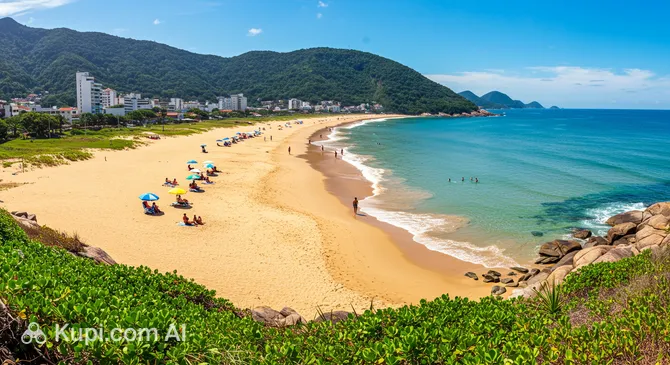
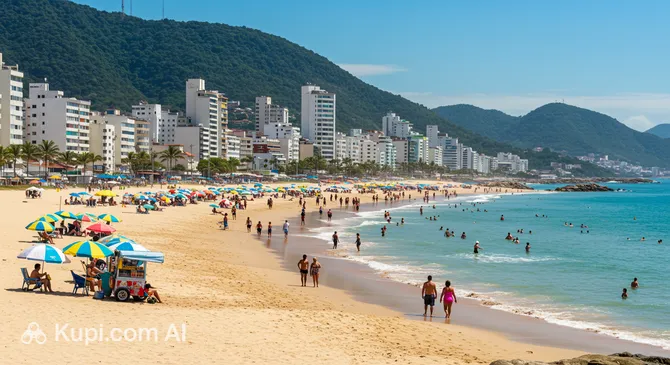
One of the city's main gems is Enseada Beach. This is the longest beach in Guarujá, known for its soft sand and calm waters, making it an ideal spot for families, swimming, and water sports. Numerous kiosks, bars, and restaurants line the promenade where you can enjoy local cuisine and refreshing drinks.

Enseada Beach. Illustration.
Source: Kupi.com AI

Traveler photos:

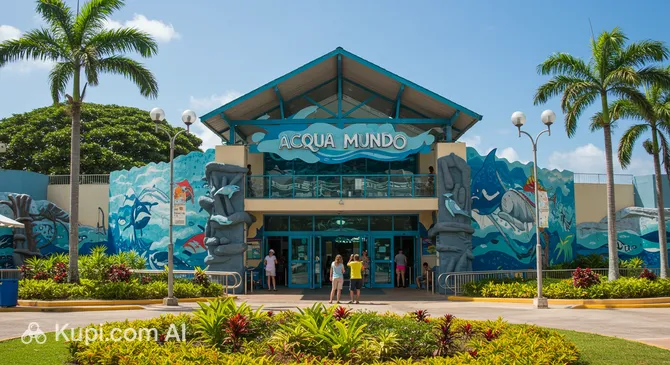
For marine life enthusiasts, Acqua Mundo is a must-visit, as it is one of the largest marine aquariums in South America. Here you can see a huge variety of fish, sharks, rays, and other sea creatures, and learn many interesting things about the underwater world. The aquarium's exhibits impress both children and adults.

Acqua Mundo. Illustration.
Source: Kupi.com AI

Traveler photos:

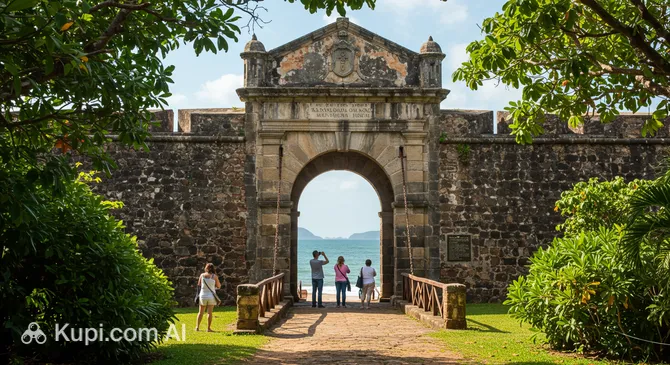
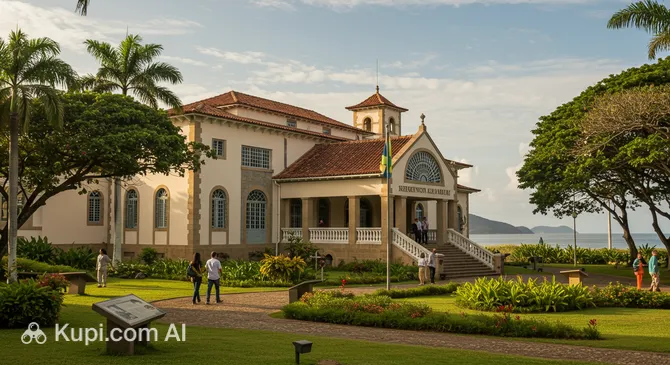
If you are interested in history, head to the Santo Amaro da Barra Grande Fortress Museum. This historic fortress, built in the 16th century to protect the coast from pirates, is now an important cultural site. Visitors can examine old cannons and walls and learn about the region's history while enjoying breathtaking ocean views.

Santo Amaro da Barra Grande Fortress Museum. Illustration.
Source: Kupi.com AI

Traveler photos:

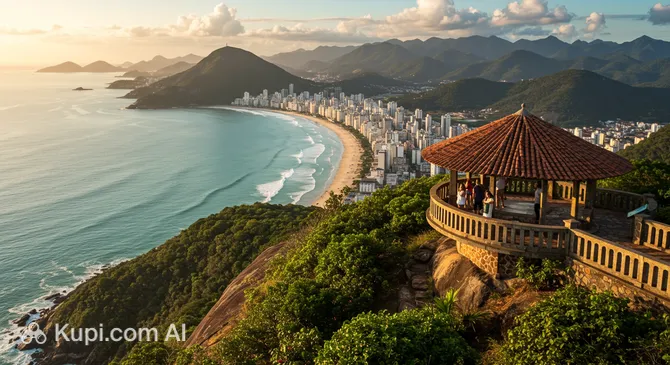
For panoramic views of the city and coastline, it's worth climbing to the Campina Hill Lookout (Mirante do Morro da Campina). Stunning landscapes open up from here, especially at sunset. It is a popular spot for photos and quiet contemplation of Guarujá's beauty.

Campina Hill Lookout. Illustration.
Source: Kupi.com AI

Traveler photos:

Another famous beach is Pitangueiras Beach. Located in the central part of the city, it attracts visitors with its lively atmosphere, developed infrastructure, and excellent surfing conditions. Life is always bustling here, making it a great place to feel the energy of the Brazilian coast.

Local Cuisine

Guarujá is a true paradise for foodies, especially for lovers of fresh seafood. Located on the coast of Brazil, this city offers unique gastronomic experiences based on the freshness of local products and the bounty of the Atlantic waters. The cuisine here is a vibrant combination of traditional Brazilian recipes and an abundance of seafood.

Among the dishes you must try in Guarujá is moqueca—a fragrant and hearty fish and/or shrimp stew simmered in coconut milk with dendê palm oil, tomatoes, onions, garlic, and fresh herbs. Another local specialty is camarão na moranga: tender shrimp baked inside a whole pumpkin with a creamy cheese sauce. This dish is not only delicious but also very impressively served. Of course, one cannot overlook the fresh langoustines, oysters, squid, and various fish that are often grilled right before your eyes in coastal restaurants.

Street food in Guarujá is a gastronomic adventure in itself. On the embankments and local markets, such as the lively Enseada Fair, you can taste crispy pastel pastries with a wide variety of fillings—from meat and cheese to sweet options like guava and cheese. Also popular is acarajé—appetizing deep-fried balls of mashed black-eyed peas filled with shrimp, spicy vatapá sauce, and salad.

Enseada Fair. Illustration.
Source: Kupi.com AI

Traveler photos:

To quench your thirst on a hot Brazilian day, there is nothing better than freshly squeezed juices from exotic tropical fruits: mango, passion fruit, pineapple, guava, or acai. These natural drinks are perfectly refreshing and energizing. Regarding alcoholic beverages, besides the world-famous caipirinha made with cachaça, lime, and sugar, local bars offer a wide selection of beers and other cocktails.

The food culture in Guarujá is closely tied to beach life. Locals and tourists love spending time in the numerous restaurants and bars located along the coast, enjoying fresh seafood and beautiful views. Both simple beach stalls (barracas) and more refined establishments are popular, such as the Padrela restaurant, where you can taste local and international dishes. The city is also known for its gastronomic festivals, most notably the Seafood Festival, which attracts many gourmets with the opportunity to try culinary masterpieces from top chefs.

The gastronomic scene of Guarujá attracts tourists with its authenticity, emphasis on fresh seafood, and bright tropical flavors. It is the perfect place to get acquainted with coastal Brazilian cuisine, enjoying both exquisite restaurant dishes and simple but incredibly tasty street food while fully experiencing the hospitality and culinary flair of this sunny city.

Travel Tips

Welcome to sunny Guarujá! To ensure your journey through this beautiful Brazilian resort is as comfortable and carefree as possible, we have prepared some practical tips to help you enjoy your vacation to the fullest.

  1. Clothing and Essentials:

    Guarujá is a beach paradise with a tropical climate, so the basis of your wardrobe should be light and breathable clothing: shorts, T-shirts, and sundresses made of cotton or linen. Don't forget several swimsuits, a pareo, headwear (a hat or cap), sunglasses, and sunscreen with high SPF. For city walks and excursions, comfortable shoes (sandals, light sneakers) will come in handy, while flip-flops are perfect for the beach. It can be a bit cooler in the evening, so a light sweater or wrap won't hurt. Electrical outlets in Brazil are Type N (two round pins and one grounding pin) with a voltage of 127/220 V, so you might need a universal adapter.

  2. Transport:

    In Guarujá, it is convenient to move around by city buses – this is the most affordable way to get to know different districts and beaches. Taxis and ride-hailing services like Uber or 99 are also widespread, offering comfortable rides at reasonable prices. Renting a car might be justified if you plan to actively explore the surroundings or are traveling in a large group, but keep in mind that parking, especially in high season, can be difficult.

  3. Finances:

    The official currency is the Brazilian Real (BRL). You can exchange currency at banks or exchange offices (casas de câmbio) – look for them in the city center or large shopping malls; the rate at the airport is usually less favorable. Credit cards (Visa, Mastercard) are accepted in most hotels, restaurants, and shops. Nevertheless, it is always useful to have some cash for small purchases or at markets. ATMs (caixas eletrônicos) are available, but check with your bank before the trip regarding the conditions for withdrawing cash abroad. Tips in restaurants are often already included in the bill (around 10% "serviço"); if not, it is customary to leave 10-15%.

  4. Health and Safety:

    Pharmacies (farmácias) are easy to find throughout the city, and some work 24/7 (look for the "farmácia 24 horas" sign). Be sure to get travel medical insurance before your trip. If necessary, you can go to public emergency care units (UPA – Unidade de Pronto Atendimento) or private clinics. Guarujá is a popular resort, but as everywhere, you should take basic precautions: don't leave valuables unattended on the beach, and avoid displaying expensive jewelry or gadgets, especially in crowded places or at night. Tourist zones like Pitangueiras and Enseada beaches are considered safe during the day, but it's better to avoid poorly lit and deserted streets after dark.

  5. Communication:

    The official language in Brazil is Portuguese. In the tourist areas of Guarujá, especially in hotels and some restaurants, staff may speak English, but overall its knowledge is not very common. Learn a few basic Portuguese phrases – this will not only make communication easier but will also be appreciated by the locals: "Olá" (Hello), "Bom dia / Boa tarde / Boa noite" (Good morning / afternoon / evening), "Obrigado/Obrigada" (Thank you – male/female), "Por favor" (Please), "Quanto custa?" (How much does it cost?). A local SIM card can be purchased at operator stores (Claro, Vivo, TIM) or at some kiosks. Wi-Fi is available in most hotels, cafes, and restaurants.

  6. Local Etiquette:

    Brazilians are very open and friendly people. When greeting, it is customary to shake hands. Close acquaintances may hug and exchange a kiss on the cheek (in the state of São Paulo, where Guarujá is located, usually just one). Politeness is valued in public places, but Brazilians are also quite expressive. A smile and friendliness are the keys to pleasant communication. Don't hesitate to ask for help if you're lost or need to find something out.

  7. What to Avoid:

    Try not to drink tap water – it's better to buy bottled water. Also, be careful with street food; choose trusted spots. Try not to get into heated arguments about football if you don't know the other person's preferences – it's a very important and emotional topic for Brazilians. Also, avoid showing large sums of money or expensive jewelry in public places.

  8. Special Tip for Guarujá:

    Guarujá isn't just one beach, but a whole collection! Be sure to explore different ones: from the popular and lively Enseada Beach (Praia da Enseada) with its long promenade, to the quieter and more scenic ones, like Tombo Beach (Praia do Tombo), which is Blue Flag certified and popular with surfers. Check the tides, as this can affect conditions for swimming and walking along the shore. And, of course, don't miss the chance to try fresh seafood in the many restaurants along the coast!

We hope these tips help you better prepare for your trip and enjoy every moment in Guarujá. We wish you an unforgettable vacation on the golden beaches of Brazil!

Entertainment & Nightlife

As darkness falls, Guarujá transforms, offering its guests a variety of options for evening and night recreation. The city is known for its lively atmosphere, especially during the high season when beach parties and nightclubs attract both locals and tourists.

The main nightlife is concentrated along popular beaches such as Praia da Enseada and Praia das Pitangueiras. Here you will find many bars with live music, restaurants open late into the night, and, of course, nightclubs. The atmosphere in most establishments is quite relaxed, typical of a resort town. The dress code is usually casual, though some trendier clubs may require a dressier look. The fun usually begins late in the evening and continues until morning.

Among the popular places for nighttime fun, several establishments stand out. If you are looking for a lively nightclub with modern music and dancing until dawn, check out Lucky Scope. For a more relaxed atmosphere and cocktails, Alcide's or the stylish Thai Lounge Bar are great choices for drinks and socializing.

Lucky Scope. Illustration.
Source: Kupi.com AI

Traveler photos:

Practical Tips: The best time to visit nightlife spots is after 11:00 PM when they start to fill up. Prices can vary but generally correspond to a popular tourist destination. For moving around at night, it is recommended to use taxis or ride-hailing apps. Although Guarujá is considered a relatively safe resort, you should always take standard precautions, especially in busy nightlife areas and when returning to your hotel late at night. Try to stick to well-lit streets and avoid deserted areas.

During the day, there is also plenty to do in Guarujá. You can visit Acqua Mundo, one of the largest aquariums in South America, or spend time at the Safari Ball amusement park. History and culture lovers can stop by the Maritime Museum or the Fisheries Museum to learn more about the region's maritime heritage.

Parks & Museums

Guarujá is not just about magnificent beaches; it is also a place where you can touch the culture and history of the region by visiting interesting museums and enjoying natural beauty. The city offers diverse options for those who want to combine a beach holiday with educational excursions.

While Guarujá is primarily famous for its beaches, which are the main natural attractions themselves, there are also places offering breathtaking views. For instance, Enseada Beach, the city's longest, offers not only a place to relax but also a beautiful promenade for walking. For surfing enthusiasts and those seeking a quieter atmosphere, Tombo Beach is ideal, known for its waves and cleanliness, marked by the Blue Flag. To enjoy panoramic coastal views, it's worth heading to one of the lookouts, such as the Campina Hill Lookout.

Tombo Beach. Illustration.
Source: Kupi.com AI

Traveler photos:

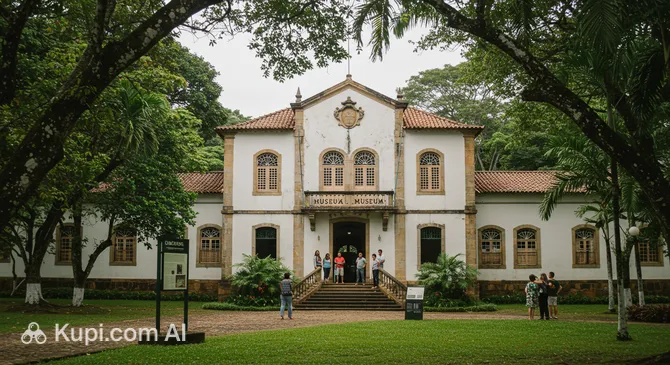
To get acquainted with the history and culture of Guarujá, you should visit several key museums. One of the most significant is the Santo Amaro da Barra Grande Fortress Museum. This 16th-century historic fortress not only tells the story of the colonial past and coastal defense but also offers magnificent ocean views. The Maritime Museum is also of interest, with an exhibition dedicated to marine flora and fauna as well as the history of navigation in the region. Fans of local specialties will enjoy the Fisheries Museum, where you can learn about the traditions and daily life of local fishermen.

Sea Museum. Illustration.
Source: Kupi.com AI

Traveler photos:

Fishing Museum. Illustration.
Source: Kupi.com AI

Traveler photos:

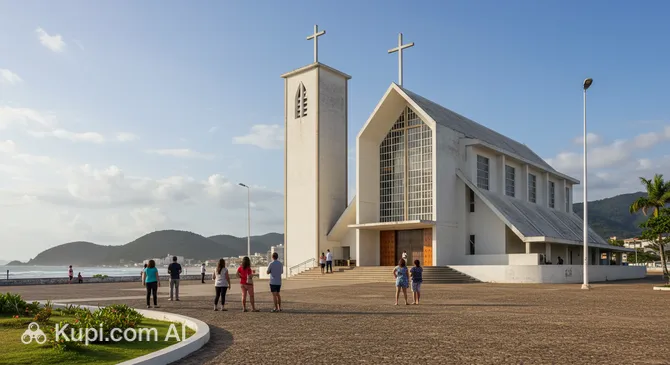
Among the architectural landmarks, the Parish of Our Lady of Fatima and Saint Amaro stands out—a beautiful church that serves as an important religious and cultural center for the city. Also, while walking along the waterfront, you might notice the historical Channel 7 on the promenade, which plays an important role in city infrastructure and history.

Parish of Our Lady of Fatima and Saint Amaro. Illustration.
Source: Kupi.com AI

Traveler photos:

If you are traveling with children or are simply interested in the underwater world, check out Acqua Mundo—one of the largest aquariums in South America, showcasing a rich variety of marine life.

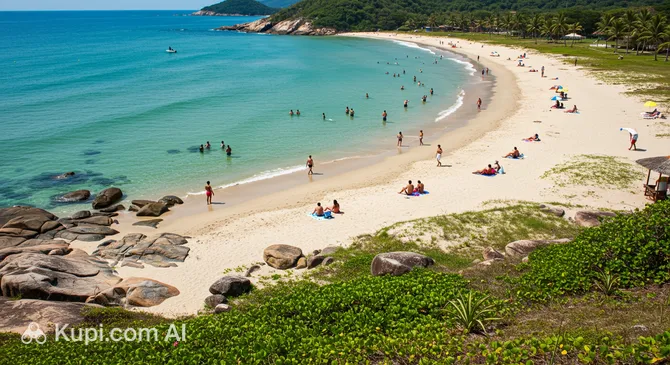
For an authentic experience, we recommend visiting less crowded beaches, such as the charming Guaiúba Beach surrounded by greenery, or stopping by the local Enseada Fair, where you can purchase handmade souvenirs and try local delicacies.

Guaiuba Beach. Illustration.
Source: Kupi.com AI

Traveler photos:

Getting Around

When planning your travel around Guarujá, keep in mind that the main form of public transport is the bus. They connect various city districts and beaches. Although there is no metro or tram system in Guarujá, the bus network is sufficiently developed for moving along the main tourist routes.

The payment system on Guarujá buses typically allows for buying a ticket directly from the conductor or driver upon entry. The cost of a bus ride is usually a few reals, making this mode of transport very affordable. In some cases, rechargeable transport cards may be available, offering a small discount on fares. Information about such cards and their top-up points is best obtained locally, for example, at the bus station or in major shopping outlets. Apps for tracking buses and route planning can also be useful if they are available for the region.

Buses in Guarujá usually run from early morning until late evening, though the frequency may decrease during off-peak hours and on weekends. To stop the bus you need, it is customary to signal the driver with your hand. Entry is usually through the front door, where payment is made, and exit is through the back. For convenience, it is worth carrying small change in cash for the fare.

In addition to buses, taxi services and ride-hailing apps (such as Uber or local equivalents) are popular in Guarujá, offering a more comfortable, albeit more expensive, way to get around. Given the resort nature of the city, bicycle rental points can be found in some areas, especially along the embankments. An important feature of Guarujá's transport system is the ferry crossing connecting the city with Santos. This is not only a means of transport but also an opportunity for a short sea trip.

Accommodation

In Guarujá, you will find a wide range of accommodation options capable of satisfying the needs of many different travelers. The city offers everything from affordable hostels and cozy pousadas (traditional Brazilian guest houses) to comfortable mid-range hotels, luxury resorts, and apartments for short-term or long-term rental. This diverse selection allows you to choose accommodation according to your budget and preferences.

Districts located in the immediate vicinity of famous beaches are particularly popular with tourists. For example, the areas near Pitangueiras Beach or the long Enseada Beach offer not only easy access to the ocean but also a well-developed infrastructure with restaurants, bars, and shops. Choosing accommodation in these zones will provide you with convenience and the chance to enjoy the resort atmosphere.

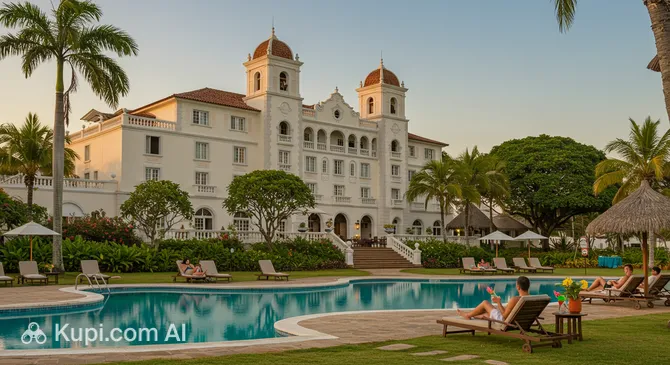
Casa Grande Hotel Resort & Spa. Illustration.
Source: Kupi.com AI

Traveler photos:

Among the city's well-known hotels, the Casa Grande Hotel Resort & Spa stands out, offering guests high-class service and a wide range of amenities. Overall, Guarujá has many hotels and resort complexes of various levels capable of meeting the demands of even the most discerning guests.

When planning a trip, especially during the peak season (summer months, usually from December to February, as well as during national holidays and Carnival), it is recommended to book accommodation in advance. This will help you secure the best choice and more favorable prices. The price range varies from budget options to luxury offers. You can book accommodation through popular online platforms or directly on hotel websites.

Nearby Cities

For those who want to explore the surroundings, Guarujá serves as an excellent starting point for day trips to several interesting nearby locations.

Among them, Santos stands out, located just 9 km from Guarujá. This bustling port city is famous for its long beaches like Gonzaga, the impressive Coffee Museum housed in the former coffee exchange building, and one of Brazil's oldest aquariums. It is also worth considering a trip to São Bernardo do Campo (about 44 km away), which, as part of the region's industrial heart, also offers green areas for relaxation, such as the Billings Reservoir. Nearby is Santo André (about 42 km away), attracting visitors with spots like Celso Daniel Park and its planetarium.

More detailed information on some of the nearest cities, including their population and exact distance from Guarujá, is presented in the table below:

CityPopulationDistance
Santos1 897 5519 km
Sao Vicente355 54215 km
Praia Grande299 26116 km
Cubatao131 62621 km
Rio Grande da Serra48 30231 km

These nearby destinations allow for a more complete understanding of the diverse culture, history, and landscapes of the São Paulo region and all of Brazil.

Shopping & Souvenirs

Guarujá, as a popular beach resort in Brazil, offers its guests pleasant shopping opportunities, mainly focused on beachwear, souvenirs, and local crafts. While you won't find massive malls with international luxury brands here, you can purchase authentic goods and everything necessary for a comfortable time by the ocean.

The main shopping spots are concentrated near popular beaches, such as Pitangueiras Beach and Enseada Beach. Along the promenades and on adjacent streets, there are many small shops, boutiques, and stalls offering beach clothing, accessories, sunscreen, and souvenir products. Strolling through these areas is a pleasure in itself, allowing you to combine relaxation with shopping.

For those who prefer a more concentrated shopping experience under one roof, Guarujá has shopping centers. One notable center is Praiamar Shopping, where you can find a variety of clothing, footwear, and electronics stores, as well as a food court and entertainment zones. This is an excellent place to spend time, especially on a rainy day.

Local fairs hold a special place in the city's shopping scene. Be sure to visit the Enseada Fair (Feira de Artesanato da Enseada), which is especially lively on weekends and during the high season. Here you can find unique handmade items, artworks, jewelry, clothing, and, of course, a variety of souvenirs. It's a great opportunity to buy something to remember your trip by and support local artisans.

As souvenirs from Guarujá, it's worth bringing back traditional Brazilian goods: the famous Havaianas flip-flops, bright pareos (cangas), woven bags and hats, hammocks, and wooden or ceramic items. Local coffee and cachaça are also popular. Don't forget beach gear featuring the city's symbols.

Most shops in Guarujá are open from 9:00 or 10:00 AM until 6:00 or 8:00 PM. Shopping malls and some stores in tourist zones may have longer hours, especially during the summer season and on weekends. Credit cards are accepted almost everywhere, but for purchases at markets or small stalls, it's better to have some cash (Brazilian reals) on hand.

Tourists shopping in Brazil may be eligible for a tax refund (Tax Free) on certain goods intended for export. It is recommended to check the terms and procedure for Tax Free directly in stores at the time of purchase and to keep all receipts.

Reached the end of the page?

That means the route is fully explored