Support

Museum of Football

About

The Football Museum (Museu do Futebol) in São Paulo is not just an exhibition space, but a true immersion into the heart and soul of Brazil, where football is an integral part of the national culture. Located on the grounds of the legendary Paulo Machado de Carvalho Municipal Stadium, better known as Pacaembu, the museum has become one of the main attractions for both tourists and locals alike.

It is a modern and interactive complex, considered one of the most innovative sports museums in the world. Spread across approximately 6,900 square meters are exhibitions that tell stories not only of sporting achievements and famous players, but also of the profound social, cultural, and emotional impact of football on Brazilian society. Visitors can expect unique exhibits, multimedia installations, and even the chance to test their skills in virtual games.
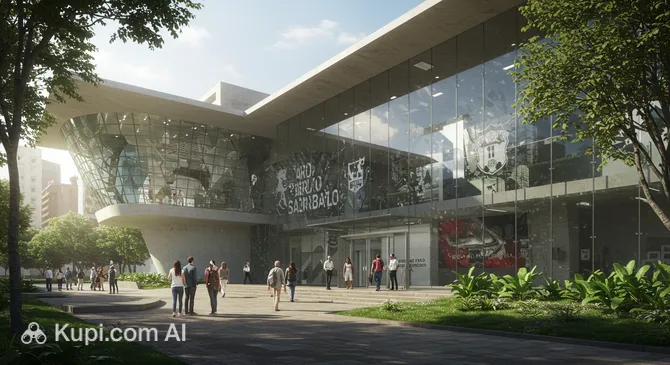
Museum of Football. Illustration.
Source: Kupi.com AI

Traveler photos:

The museum's exhibition covers the entire history of Brazilian football: from its beginnings as an elite sport to its transformation into a phenomenon that unites millions of people across the country. Halls dedicated to the World Cups, great players like Pelé, and iconic moments allow you to feel all the passion and energy surrounding the game. Visiting the Football Museum is a unique opportunity to understand why this game means so much more to Brazilians than just a sport.

Contacts

To plan your visit to the Football Museum in São Paulo, it is recommended to use the official contact details. Up-to-date information regarding opening hours, ticket prices, and special events can always be found on the museum's website.

How to contactContact
AddressPraça Charles Miller, s/n - Pacaembu, São Paulo - SP, 01234-010, Brazil
Phone number+55 11 3664-3848
Websitemuseudofutebol.org.br

What to Do

Visiting the Football Museum is an interactive journey through the history of the great game. The exhibition will lead you through several themed halls, each dedicated to a specific stage in the development of football in Brazil. You will see how it transformed from an elite pastime into a mass passion that united the entire nation. The museum actively uses modern technology: visitors can expect multimedia installations, engaging interactive games, and numerous audiovisual materials that make immersion in the football atmosphere truly exciting.

One of the main highlights of the museum is the virtual meetings with Brazilian football legends. Holograms and projections of stars like Pelé, Romário, and Ronaldo greet guests, creating a sense of personal presence. In addition, you can see a rich collection of historical artifacts: archival photographs, trophies won, old balls, uniforms of famous players, and club flags are on display here. Each exhibit tells its own unique story and helps to better understand the importance of football to the country.

The Football Museum is not just about goals and victories, but also about culture. Special attention is paid here to the role of football in shaping the national identity of Brazilians. For those who want to delve deeper into the subject, one of the world's largest specialized libraries is open, containing books and scientific research. And on your way out, be sure to stop by the souvenir shop, where you can buy shirts of your favorite teams, retro kits, and other themed gifts to remember your visit.

Getting There

Getting to the Football Museum is quite simple, as it is located in the central part of São Paulo, within the grounds of the famous Pacaembu Stadium. Thanks to this convenient location, visitors have several easy options for reaching this iconic landmark.

One of the most popular ways is to use public transport. The nearest metro station is Clínicas (Line 2, Green), which is about a 15–20 minute walk from the museum. The walk also allows you to explore the surrounding area a bit. Additionally, several bus routes pass near the stadium, connecting it to various parts of the city, making this option flexible and accessible to everyone.

For those who prefer comfort, taxis or popular ride-sharing services are an excellent choice. This is especially convenient if you are traveling with family or a small group. If you plan to arrive by private or rental car, there is visitor parking available at the Pacaembu stadium.

Nearest city: Sao Paulo

History & Facts

The history of the Football Museum in São Paulo is the story of a national dream coming to life. The idea for its creation belonged to the city's mayor, José Serra, who launched the initiative in 2005, rightly noting that a country with such rich football traditions as Brazil simply had to have such a place. The project received powerful support from iconic figures: the legendary Pelé and the president of the Brazilian Football Confederation, Ricardo Teixeira, participated in its presentation. Thanks to the active support of the city administration, construction was completed, and on September 29, 2008, the museum officially opened its doors to visitors.

The location for the museum was not chosen by chance — it is the legendary Paulo Machado de Carvalho Municipal Stadium, better known as Pacaembu. This arena, opened in 1940, is itself an important part of the city's football history. During the renovation of the premises into museum halls, builders discovered several unique artifacts. One of them is a golden statuette of unknown origin, which, at the suggestion of Pelé himself, was made part of the future exhibition, adding a special sense of intrigue to the collection.

Since its opening, the Football Museum has quickly turned into one of the country's main cultural centers dedicated to sport. It has become more than just a repository of relics, but a true point of attraction for thousands of tourists from around the world and local residents wishing to gain a deeper understanding of the football phenomenon and its impact on Brazilian society. Today, it is one of the most visited and high-tech sports museums in the world, continuing to tell the story of the great game and its heroes.

Time Needed

To fully enjoy all the exhibitions at the Football Museum, it is recommended to set aside 2 to 3 hours. This time is usually enough to walk through all the interactive halls without rushing, learn about key moments in the history of Brazilian football, and test your skills in virtual games. During this period, you will have time to immerse yourself in the atmosphere of great victories and feel the passion that Brazilians have for this sport.

Your time at the museum may vary depending on your level of interest. If you only want a quick look at the main exhibition, an hour and a half might be enough. However, for true football enthusiasts who want to study all the stands in detail, watch archival videos, and perhaps visit the specialized library, it is recommended to plan a visit of at least three hours. In any case, the museum's interactive format makes the visit engaging for everyone, regardless of how much time you decide to spend here.

Working Hours

The Football Museum is happy to welcome visitors daily from 10:00 to 17:00. When planning your visit, keep these times in mind to fully enjoy the exhibition.

While the museum operates on a stable schedule, it is recommended to check for up-to-date information on the official website before visiting. Opening hours may occasionally change due to special events at the stadium. To avoid potential waiting in line, especially during peak hours, tickets can be purchased online in advance.

DayOpening hours
MondayClosed
Tuesday9:00 – 17:00
Wednesday9:00 – 17:00
Thursday9:00 – 17:00
Friday9:00 – 17:00
Saturday9:00 – 17:00
Sunday9:00 – 17:00

Nearby

A visit to the Football Museum is just the beginning of your acquaintance with the multifaceted São Paulo. To make your trip even more fulfilling, it is worth spending some time exploring the surroundings. In the immediate vicinity of the Pacaembu Stadium, where the museum is located, there are other iconic spots that will help you better understand the culture and rhythm of life in this massive metropolis.

A walk through the nearby neighborhoods will give you access to art galleries, cozy parks, and authentic restaurants. This is a great opportunity to combine a love of sports with other interests and get the most out of your trip to Brazil.

NameDistance
Moreira Salles Institute – Paulista1 km
Fogo de Chão Jardins1.4 km
São Paulo Museum of Art1.8 km
Famiglia Mancini Trattoria2.1 km
Latin America Memorial2.3 km
Batman Alley2.4 km
Casa das Caldeiras2.8 km

Have you reached the end of the page?

So the route has been studied inside and out