Support

Ipiranga Museum

About

The Ipiranga Museum, officially known as the Museu Paulista, is one of the most significant historical museums in Brazil, located in the city of São Paulo. Its location holds deep symbolic meaning, as it stands near the Ipiranga Brook, where the country's independence was declared in 1822. This makes the museum not just a storehouse of artifacts, but a true monument to the birth of the Brazilian nation.

The museum building itself is a work of art. It is a monumental palace built in an eclectic style designed by Italian architect Tommaso Gaudenzio Bezzi and opened to the public in 1895. Its architecture, reminiscent of classic European palaces, and the manicured gardens around it create a majestic atmosphere, inviting visitors to step into history.
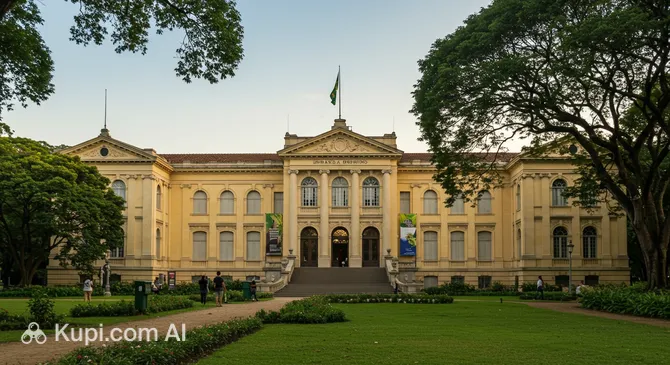
Ipiranga Museum. Illustration.
Source: Kupi.com AI

Traveler photos:

As part of the University of São Paulo, the Ipiranga Museum houses a vast collection of over 125,000 items. These include furniture, documents, everyday objects, and artworks that tell the history of Brazil, with a special focus on the Imperial period and the history of São Paulo. The crown jewel of the collection is Pedro Américo's famous painting "Independence or Death!", depicting a pivotal moment in the country's history.

Contacts

To plan your visit to the Ipiranga Museum, check the current opening hours, or find information about current exhibitions, it is recommended to use official communication channels. This ensures you receive the most accurate and up-to-date information. All necessary contact details are provided in the table below.

How to contactContact
AddressParque da Independência - Ipiranga, São Paulo - SP, 04263-000, Brazil
Phone number+55 11 2065-8000
Websitewww.museudoipiranga.org.br

What to Do

A visit to the Ipiranga Museum is an opportunity to explore Brazil's rich history in detail. Inside, you'll find an extensive collection of about 100,000 exhibits. You can see artworks, antique furniture, clothing, and even personal items belonging to famous historical figures, explorers, and Brazilian emperors. A highlight of the exhibition is Pedro Américo's famous painting "Independence or Death!", which is considered one of the primary symbols of Brazilian history.

Beyond exploring the main collection, visitors can walk through the palace's luxurious halls and view various themed exhibitions. For those wishing to delve deeper into the country's past, the museum features a library with about 100,000 volumes and a Center for Historical Documentation with a collection of 40,000 manuscripts. These resources offer unique opportunities for research and detailed study of historical events.

The sightseeing doesn't end inside the building. The museum is surrounded by magnificent gardens and the large Independence Park. This is the perfect place for a leisurely walk after visiting the exhibits, where you can relax, enjoy nature, and take beautiful photos against the backdrop of the majestic palace. Thus, a visit to the Ipiranga Museum offers a comprehensive experience, combining cultural enrichment with outdoor relaxation.

Getting There

The Ipiranga Museum is located in the district of the same name in the southern part of São Paulo. Thanks to the city's well-developed transport system, reaching this iconic landmark is easy. The most convenient option for many tourists is the metro. The nearest stations serving the museum area are "Santo Amaro" and "Ipiranga".

From either of these metro stations, you can reach the museum on foot or by city bus. For those who value comfort and time, taxi or rideshare services are always available. If you are traveling by car, look for Independence Park (Parque da Independência), where the museum is located. For visitors' convenience, there are signs and parking spaces within the park area.

Nearest city: Sao Paulo

History & Facts

The history of the Ipiranga Museum is closely intertwined with the history of Brazil itself. The idea for its creation was born shortly after the country's declaration of independence in 1822, as a desire to immortalize this momentous event. However, it took several decades to move from concept to reality. The design for the monumental building was only approved in 1884, and its grand opening took place on September 7, 1895—on the anniversary of independence.

Interestingly, the museum was originally known as the "Museum of Natural History." Its focus shifted only in 1919 when it was transformed into an exclusively historical museum. Since then, its main mission has been to preserve the memory of Brazil's path to independence and key events in the nation's history. This place has become more than just a repository for artifacts; it is a true symbol of the birth of a sovereign state.

The architectural style of the building deserves special attention. Inspired by the grand palaces of the Italian Renaissance, the design emphasizes the museum's monumentality and national importance. This stylistic choice was intentional—it reflected the ambitions of a young nation and the desire to create a lasting monument to its history. Thanks to this, today's visitors can admire not only the exhibits but also the building itself, which is a work of art.

Time Needed

When planning a visit to the Ipiranga Museum, you should allow for 2–3 hours. This time is usually sufficient to explore the museum's main exhibitions without rushing. During this period, you can view the most iconic exhibits, including the famous painting "Independence or Death!", and get a general impression of the rich collection dedicated to the history of Brazil.

If you wish to dive deeper into history or simply enjoy the atmosphere, it's better to set aside more time. For a complete and detailed tour of all exhibition halls and temporary displays, you may need up to 3-4 hours, especially considering that the collection includes hundreds of thousands of artifacts. Furthermore, don't forget the magnificent Independence Park surrounding the museum. A leisurely stroll through its well-kept alleys and a look at the Independence Monument can easily add another hour or two to your visit, turning it into a pleasant half-day excursion.

Working Hours

The Ipiranga Museum is open to visitors year-round, from Tuesday to Sunday, 10:00 AM to 5:00 PM. It's important to note that the last entry is at 4:00 PM, and the museum is closed on Mondays. These hours allow guests of São Paulo to easily fit this iconic landmark into their itinerary.

It is highly recommended to purchase tickets online in advance to guarantee entry, especially during peak hours and on weekends. While tickets can be bought at the box office on the day of the visit, they may sell out due to high demand. For those looking to save, there is good news: on Wednesdays and the first Sunday of every month, admission is free for all visitors. However, on these days, tickets must be obtained directly at the box office on a first-come, first-served basis, so it is advisable to arrive early.

DayOpening hours
MondayClosed
Tuesday10:00 – 17:00
Wednesday10:00 – 17:00
Thursday10:00 – 17:00
Friday10:00 – 17:00
Saturday10:00 – 17:00
Sunday10:00 – 17:00

Nearby

A visit to the Ipiranga Museum is a fascinating immersion into Brazil's history. However, to make your day even more fulfilling and full of discovery, it is worth exploring the surrounding area. São Paulo is a vast and multifaceted metropolis, and the Ipiranga district, along with its adjacent territories, offers many other interesting spots nearby.

By combining a museum visit with a stroll through other attractions, you will gain a more complete understanding of the culture, history, and modern life of this dynamic city. From aquariums and parks to other unique museums, there is something of interest for every traveler within a few kilometers of the Ipiranga Museum.

NameDistance
São Paulo Aquarium1 km
Ibirapuera Obelisk4.6 km
Catavento Museum4.9 km
Aquarium Monster Shop5.1 km
Municipal Market of São Paulo5.2 km
Famiglia Mancini Trattoria5.3 km
São Paulo Museum of Art5.4 km

Have you reached the end of the page?

So the route has been studied inside and out