Support

Sao Carlos

About

São Carlos is a dynamic yet cozy city nestled among the picturesque hills and savannas of the state of São Paulo. Located about 230 kilometers from the bustling metropolis, it offers travelers a unique blend of provincial tranquility and the energy of a major scientific hub. A trip here is an excellent way to see how modern Brazil lives beyond the popular beach resorts.
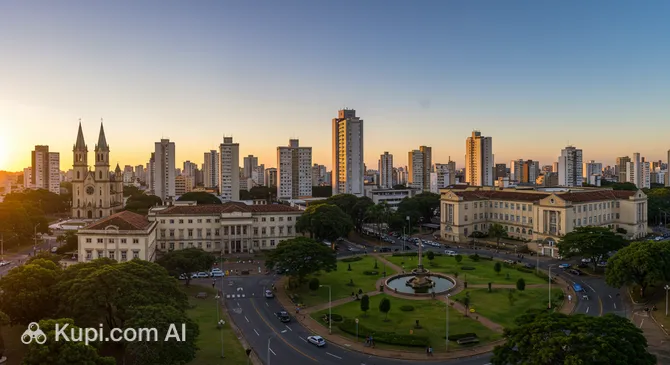
Sao Carlos. Illustration.
Source: Kupi.com AI

The city is often called the "capital of technology" due to its high concentration of educational institutions and research centers. With a population of about 254,000 people, there is a vibrant youth atmosphere created by students from two prestigious universities — UFSCar and the USP campus. Despite its forward-looking nature, locals carefully preserve traditions, and the fascinating history of São Carlos is reflected in its preserved colonial architecture and numerous monuments.

For tourists, São Carlos reveals itself as a city of parks and greenery. It is pleasant to stroll along shady alleys, relax in cozy cafes, or visit modern art spaces. The sincere hospitality of the locals and the chance to enjoy a cup of superb Brazilian coffee in a relaxed setting, away from the hustle and bustle of tourist crowds, add a special charm to the place.

If you are looking for a place where nature, science, and culture blend harmoniously, São Carlos will be a wonderful stop on your itinerary. It is an ideal destination for those who want to see the intellectual heart of the region and feel true Brazilian comfort.

Weather Overview

The climate of São Carlos is characterized by a pleasant mildness typical of high-altitude tropics, making the city welcoming to tourists all year round. Weather conditions here are clearly divided into a wet warm season and a dry, cooler period, so the timing of your trip largely depends on your holiday plans.

Summer, which lasts from December to March in the Southern Hemisphere, brings warmth and moisture. The average temperature stays around +24°C, and during the day the air often warms up to +28...+29°C. This is a time of lush greenery, but be prepared for frequent precipitation: in January, it can rain for up to 23 days a month. If you are traveling during this time, an umbrella will be your essential companion.

The winter months (June, July, August) offer a completely different picture. This is the season of clear skies and minimal rainfall — for example, July averages only one rainy day. Days remain comfortably warm (up to +25°C), but nights become noticeably fresher, with temperatures dropping to +13...+14°C. Checking a detailed forecast for the weather in São Carlos will help you prepare for these temperature changes.

September often surprises with temperature records, reaching highs of +31°C, before the rainy season begins again. Overall, expect a warm summer with occasional rain and sunny, dry winters with cool evenings.

Average monthly temperature

Average monthly precipitation

Interesting Facts

São Carlos is not just university campuses and science labs. This city has its own unique character, woven from historical events, cultural traditions, and local legends. Here are a few facts to help you get to know this unique place better.

  • Capital of Knowledge and Innovation. São Carlos is often called the "technology capital" because it has one of the highest concentrations of scientists per capita. All of Brazil is rightfully proud of this status: local universities and research centers hold leading positions in engineering, biotechnology, and agricultural sciences.

  • European Accent. In the late 19th century, the city became an important center of attraction for immigrants from Italy and Germany. This influence is still clearly felt in São Carlos: from the architectural details of historical buildings to the culinary traditions carefully preserved by local families.

  • Mystical Station. There is a popular legend among residents about a ghost inhabiting the old railway station. This building is not just an architectural monument but also an object of local folklore, about which tourists often hear mysterious stories.

  • Flower Festival. Every year, the city is transformed during a massive flower and plant festival. This vibrant and fragrant event attracts guests from all over the state, turning the streets into a real garden and showcasing the richness of the local flora.

How to Get There

When planning a trip to this city, keep in mind that it is located in the interior of the state, so logistics usually involve a flight to one of the major air hubs followed by a road trip. You can study all ways to get to the city in detail, but most often tourists choose a route through the airports of neighboring large cities with a transfer to a bus or a rented car.

São Carlos itself does not have an airport that accepts regular commercial flights, so the optimal choice for most travelers is Viracopos Airport (IATA: VCP). Formally, it serves São Paulo (located in Campinas) and is one of the country's most important transport hubs. The distance to São Carlos is about 135 km. Thanks to high-quality highways, the journey from there by taxi or transfer will take approximately 1.5–2 hours.

Another convenient and even closer option is Dr. Leite Lopes Airport (IATA: RAO) in the city of Ribeirão Preto. It is located about 98 km from the destination. This is a regional airport that is great for those flying on domestic airlines. A car trip from here to the center of São Carlos will take only 1–1.5 hours.

Below is a summary of the nearest airports to help you plan your route:

AirportPassenger trafficDistance
Araraquara153 30033 km
Dr. Leite Lopes State Airport628 00098 km
Bauru-Arealva Airport137 000123 km
Viracopos Airport12.5 mln135 km
Sao Paulo Catarina Airport173 km

Since passenger rail service is practically non-existent in this region, the main way to travel between cities remains comfortable intercity buses. Direct routes to São Carlos depart regularly from the bus stations of the cities where the airports are located. The road infrastructure of the state of São Paulo is considered one of the best in Brazil, so the trip will be fast and untiring.

Main Attractions

Despite its status as a technological and university hub, São Carlos knows how to surprise leisure travelers. The city harmoniously combines the historical heritage of the "coffee era," modern science, and picturesque green zones. A walk through local attractions will show you just how multifaceted Brazil is in this cozy municipality.

A true symbol of the city and its architectural landmark is the Cathedral of St. Charles Borromeo (Catedral São Carlos Borromeu). This majestic temple, located on Paulino Botelho Square, is impossible to miss thanks to its massive dome. The structure is truly impressive in scale: the dome's height exceeds 70 meters, and its diameter is about 30 meters. The building is famous for its stained glass and the play of light inside. Tourists come here not only for the spiritual atmosphere but also to appreciate the unique architecture reminiscent of European cathedrals and to take beautiful photographs.

Nature lovers and families with children should definitely visit the São Carlos Ecological Park (Parque Ecológico). This is not just a zoo, but an important biodiversity conservation center specializing in South American fauna. Here, you can see jaguars, anteaters, llamas, and many species of birds in spacious enclosures that mimic their natural habitat. The park is known for its peaceful atmosphere and educational programs, making it an ideal place to take a break from the city bustle.

To dive into the region's past, head to Fazenda Santa Maria do Monjolinho. This historical estate, founded in the mid-19th century, is a living monument to the era of the coffee barons. The main manor house, an old water mill, and preserved farm buildings allow you to imagine how life was organized on a wealthy plantation over a hundred years ago. Today, it frequently hosts tours and cultural events, and visitors can enjoy traditional cuisine at the local restaurant.

Another important point on the city map is the "Estação" Culture Center (Estação Cultura), located in the old railway station building from 1884. The railway played a key role in the development of São Carlos, and today this beautiful historical building serves as a venue for exhibitions and meetings. The station's architecture transports guests back to the 19th century, recalling the times when trains were the primary symbol of progress.

Local Cuisine

The gastronomic scene in São Carlos is a fascinating journey where the traditions of the state of São Paulo blend harmoniously with the heritage of European immigrants. The cuisine here is hearty and home-style, with a noticeable Italian and German accent. The city's signature dish is feijão tropeiro — a rich dish made of beans, cassava flour, meat, and vegetables, whose recipe dates back to colonial times. This is the perfect choice for those who want to taste the true flavor of the region.

Thanks to the strong influence of immigrants, a culture of family bakeries and butcher shops flourishes in the city. You should look for homemade sausages prepared according to old recipes and various types of pasta here. It is impossible to imagine a morning in São Carlos without the aroma of fresh pastries: be sure to try the famous pão de queijo cheese buns, which are made here with special love. Locals often stop by small cafes specifically for these warm, chewy delicacies.

To get to know street food, it's best to head to the city markets. This is where life bustles and where you can try popular Brazilian sandwiches with juicy grilled meat and vegetables. To refresh yourself on a hot day, order a glass of freshly squeezed tropical fruit juice — the variety of flavors here is simply amazing. The local food culture is very democratic: people value the freshness of farm products and rich flavor more than fancy presentation.

If you're lucky enough to be in town during the holidays, you can immerse yourself in the atmosphere of gastronomic festivals. In the spring, farm products are celebrated here, and in the summer, there's a real treat for those with a sweet tooth — the ice cream festival. Such events are a great excuse not only to eat well but also to chat with locals, who are always happy to treat tourists to the best their city has to offer.

Travel Tips

A trip to the "capital of technology" of the state of São Paulo promises to be comfortable and rewarding if you prepare for local features in advance. These practical tips will help you feel confident on the streets of São Carlos, easily solve everyday issues, and get the most enjoyment from your trip.

  1. Clothing and Essentials: The climate here is mild but has character. During the day, you'll need light summer clothing made of natural fabrics, but for the evenings, be sure to bring a sweater or windbreaker — because of the elevation, temperature drops can be significant, especially in winter (June–August). A universal plug adapter will also come in handy: the voltage is usually 127V, and sockets can be type N (three-prong) or type C (European).

  2. Transport: There is no subway in the city, but the bus network covers the main areas. However, the most convenient way for a tourist to get around remains taxi apps (Uber or 99). It is inexpensive, safe, and avoids language barrier issues when explaining the route to the driver. Renting a car only makes sense if you plan trips to the surrounding fazendas.

  3. Finance: The national currency is the Brazilian real. International cards are accepted almost everywhere, from restaurants to supermarkets, but it's better to have cash for small purchases at street fairs or tipping parking attendants. It is easier and more profitable to exchange currency at your arrival airport (for example, in São Paulo), as finding an exchange office in São Carlos itself can be more difficult.

  4. Health and Safety: São Carlos is considered one of the safest cities in the state, but basic precautions are necessary: don't display expensive equipment on the street after dark. You shouldn't drink tap water — buy bottled water. Pharmacies (Farmácia) are common, but it's better to bring specific medications with you.

  5. Communication: The main language is Portuguese. Despite its status as a university center, English is not widely understood outside of the campuses. Download an offline translator and learn a few phrases, like "Obrigado" (thank you). SIM cards from local operators (Vivo, Claro, TIM) can be bought at newsstands, but activation often requires a local tax number (CPF), so it's easier for tourists to use an eSim.

  6. Local Etiquette: Brazil is famous for its friendliness. Greetings are often accompanied not just by a handshake but also a light pat on the shoulder. The most popular gesture is a thumbs-up ("joinha"): it is universal and means "hello," "thank you," "yes," or "everything's good." A smile opens any door here.

  7. What to Avoid: You shouldn't try to walk across the whole city in the middle of the day without a hat and sunscreen — the sun at this altitude is very active even in cloudy weather. Also, avoid discussing politics or comparing Brazil with neighboring countries in a negative light — locals are very patriotic.

  8. Coffee Tradition: Being in a historical coffee region, don't turn down an offer to drink a "cafezinho." This is a small cup of very strong and sweet coffee that is often offered for free in shops or offices as a sign of hospitality. Refusal can be seen as impolite.

São Carlos knows how to charm with its calm pace and scientific intelligence, so unlike the bustle of metropolises. By following these simple recommendations, you can relax, avoid minor troubles, and fully immerse yourself in the atmosphere of this cozy Brazilian corner.

Entertainment & Nightlife

Nightlife in São Carlos is a direct reflection of its status as a "university capital." Thanks to the thousands of students living here, the city never sleeps, especially from Thursday to Sunday. The atmosphere of local venues is democratic, lacks unnecessary pretension, and is filled with youthful energy. Here you will find everything: from noisy open-air bars with plastic tables on the sidewalks (traditional "botecos") to stylish pubs with craft beer and live music.

The epicenter of evening activity is often the areas adjacent to the university campuses and central streets like Avenida São Carlos. The crowd here is very diverse: students, professors, and locals mix into one cheerful throng. The dress code in most places is as relaxed as possible — jeans and t-shirts are appropriate almost everywhere. If you want to feel the true spirit of the city, don't look for expensive clubs; head to where live samba or rock is playing and where patrons chat right on the street.

Lovers of quality drinks and gastronomy should pay attention to local establishments. One of the most popular spots is West Brothers — a steakhouse and brewery where you can try excellent locally-produced craft beer and hearty meat dishes. For those who prefer the atmosphere of a classic English pub and rock-and-roll, The Blackbird Pub is a great fit. This venue is famous for its interior, good selection of cocktails, and regular performances by cover bands. Another magnet is Seo Gera bar, known for its laid-back atmosphere and excellent snacks, perfect for a large group.

Practical tips for tourists:
Nightlife here is quite affordable: the average bill in a bar will be noticeably lower than in the state capital. The "hottest" time starts after 10:00 PM. Regarding safety, São Carlos is relatively peaceful, but walking alone on empty streets at night is not recommended. To move between bars, it is best to use taxi apps (Uber or 99) — cars arrive quickly, ensuring a safe return to your hotel.

If you prefer daytime or cultural leisure, the city offers several interesting options. Be sure to check the schedule at the Dr. Alderico Vieira Perdigão Municipal Theater (Teatro Municipal Dr. Alderico Vieira Perdigão). This is the city's main stage, hosting plays, musical concerts, and dance shows. You can also visit small art galleries or spend time at the Shopping Iguatemi mall, which features a modern cinema.

Parks & Museums

São Carlos knows how to surprise not only with scientific achievements but also with a careful attitude toward nature and history. City parks here serve as true oases of tranquility where you can hide from the tropical sun, while museums vividly demonstrate the region's journey from coffee plantations to the status of a technological capital that modern Brazil is proud of.

Among the green zones, a special place is held by the Ecological Park (Parque Ecológico de São Carlos). It is not just a place for walking, but an important conservation center specializing in the protection of South American fauna. Here, tourists can see rare animals such as maned wolves and anteaters in conditions as close as possible to their natural habitat. The park is ideal for families: wide paths, plenty of greenery, and an educational atmosphere make it one of the most visited places in the city.

For those looking for active recreation or a picnic, Parque do Bicão is a great choice. This park, located around a small lake, is a favorite spot for locals for morning jogs and evening walks. It is equipped with sports grounds and relaxation areas. The atmosphere in the park is very democratic and relaxed, allowing you to feel the true rhythm of the citizens' lives outside of offices and classrooms.

Your cultural program should start with the Prof. Mario Tolentino Science Museum (Museu da Ciência). Given São Carlos's status as a center of knowledge, this museum is one of the city's hallmarks. The exhibition is built on interactivity: here you can literally touch physical phenomena and study the basics of astronomy and biology. This place proves that science can be fascinating not only for scientists but for tourists of all ages.

Another important cultural point is the Science and Cultural Popularization Center (CDCC), located in a beautiful historical building in the city center. The center, overseen by the University of São Paulo, combines exhibition halls, a library, and even a small sensory garden. Visitors appreciate this place for the opportunity to see temporary art exhibitions and permanent displays dedicated to the history of science and local lore.

Insider Tip: If you are interested in space, be sure to visit the Dietrich Schiel Observatory (Observatório Dietrich Schiel) on the USP campus. On weekends, they often hold astronomical observation evenings where anyone can look at the stars through professional telescopes for free. This is a unique experience that adds romance to a trip through the "capital of technology."

Getting Around

The public transport system in São Carlos is quite simple and is primarily oriented toward bus service. Since the city is relatively small, there are no subway, tram lines, or commuter trains for movement within the municipality. The main, and essentially the only, type of mass passenger transport is city buses, which connect residential areas, the historical center, and university campuses.

The bus network covers almost the entire city; however, intervals may vary. On weekdays and during rush hours, transport runs regularly, but on weekends, holidays, or late at night, the waiting time may increase. To avoid wasting time at stops, it is highly recommended to install navigation apps such as CittaMobi or Moovit on your smartphone. They allow you to track bus movements in real-time and build optimal routes.

The fare payment system for tourists is as simple as possible: cash is most often used. You enter the bus through the front door and pay the driver. The ticket price is fixed and affordable. Locals use rechargeable electronic cards (for example, the BusFácil system), but purchasing them for a short-term trip is usually not practical. The main tip: always have small bills and coins with you, as the driver may not have change for large banknotes.

It is important for travelers to remember local transport etiquette. For the bus to stop at your desired stop, you must raise your hand and signal the driver — by default, transport does not stop everywhere. To get off, press the stop request button located on the handrails in advance. Exiting is traditionally through the rear doors.

Given São Carlos's hilly terrain and hot climate, the most popular and convenient alternative to buses are taxis and ride-sharing apps. The Uber and 99 apps (a popular local equivalent) work very stably and quickly here. Thanks to the large number of students, demand for these services is high, so there are many cars. A taxi ride often turns out to be not much more expensive than a bus, especially if you are traveling with two or three people, and it eliminates navigation difficulties.

Bicycle transport is also present in city life, especially in areas adjacent to the USP and UFSCar universities, where bike lanes are provided. However, there is no centralized bike-sharing system for tourists in the city, and steep climbs on some streets can be a challenge for an unprepared cyclist. Therefore, for a comfortable acquaintance with the city, it is better to combine walking in the center with trips by car.

Accommodation

Accommodation options in São Carlos fully reflect its character as a university and business center. Here you won't find massive "all-inclusive" beach resorts, but the city offers an excellent choice of functional and comfortable places to stay. The hotel stock primarily consists of mid-range business hotels and apart-hotels (flats) geared toward visiting scientists, business specialists, and students' parents. For budget travelers and youth, there is a wide selection of hostels and inexpensive guest houses (pousadas) with a homey atmosphere.

When choosing an area, you should start from the purpose of your visit. The city center (Centro) is the most convenient location for the average tourist. By staying here, you will be within walking distance of the Cathedral, historical buildings, and the best restaurants. This is ideal for those who want to walk and feel the rhythm of the city. Another popular hotel cluster has formed in the area of the Shopping Iguatemi mall and along the main entry highways. These options are generally more modern and offer convenient parking, making them an excellent choice for those traveling by car.

A special, authentic experience can be had by choosing to stay in the city's outskirts. In the rural areas around São Carlos, there are historical fazendas converted into cozy country hotels. This is a wonderful opportunity to combine a comfortable stay with immersion in the atmosphere of the "coffee era" and enjoy nature away from the city noise.

Booking Tip: City life is closely tied to the academic calendar of the two major universities. It is highly recommended to book accommodation in advance if your trip coincides with graduation periods (usually December–January and July) or major scientific conferences. During these days, demand for rooms skyrockets, and prices can rise.

In general, the price range in São Carlos can be described as moderate. The cost of living here is noticeably lower than in the state capital or on the coast. Booking is easily done through popular international online platforms; however, in small family pousadas, you can sometimes get a discount by contacting them directly or paying in cash.

Nearby Cities

For those who want to explore the surroundings, São Carlos serves as an excellent starting point for day trips to several interesting nearby locations:

Just a 40-minute drive away is Araraquara, poetically called the "Abode of the Sun" because of its especially bright and beautiful sunsets. This city attracts tourists with its coziness, clean streets, and an interesting railway museum that preserves the memory of transport development in the region. Another popular destination is Pirassununga, known nationwide as the birthplace of a famous cachaça brand and the location of the Brazilian Air Force Academy. Travelers often go there for the Cachoeira de Emas district — a picturesque spot on the Mogi-Guaçu River, where you can admire water rapids and try fresh fish in local restaurants.

CityPopulationDistance
Ibaté33 53513 km
Itirapina17 16028 km
Descalvado33 91030 km
Ribeirão Bonito12 90930 km
Americo Brasiliense38 20238 km

These nearby destinations provide an idea of the region's diverse culture and landscapes, offering excellent options for a short but rewarding trip.

Shopping & Souvenirs

General Overview. Shopping in São Carlos is a pleasant combination of the comfort of modern shopping centers and the lively atmosphere of street trade. The city does not claim to be a fashion capital, but you can find everything you need here: from high-quality clothing and footwear of Brazilian brands to unique farm products. Thanks to the large number of students, prices in many shops remain quite democratic, and the assortment is often updated following youth trends.

Main Shopping Streets. The epicenter of city trade is the historical center (Centro), specifically the Calçadão pedestrian zone on Rua General Osório. This is a lively place where life bustles from morning to evening. Dozens of clothing, shoe, cosmetics, and accessory stores are concentrated here, as well as popular chain department stores. A walk along this street allows you not only to make purchases but also to feel the real rhythm of the city while watching the locals.

Shopping Centers. The main attraction for lovers of comfortable shopping is Shopping Iguatemi São Carlos. This is a large, modern complex featuring well-known national and international brands, a large food court, and a cinema. It is an ideal place to escape the heat and spend time with family. Another popular site is Passeio São Carlos, which has a more intimate atmosphere and is convenient for quick shopping or visiting the supermarket.

Markets. To immerse yourself in the gastronomic culture of the region, be sure to stop by the Municipal Market (Mercado Municipal), known among locals as the "Mercadão." The market building itself is a historical landmark. Inside, stalls await you with fresh tropical fruits, homemade cheeses, spices, and traditional snacks. This is the best place to try the authentic flavors of the interior.

Souvenirs. From a trip to São Carlos, it's worth bringing back what this region is historically famous for — coffee. Local varieties are considered some of the best in the state, and a bag of aromatic beans makes an excellent gift. Also, look out for traditional sweets (doces caseiros), such as guava paste (goiabada) or milk candies, and, of course, high-quality locally produced shoes, which you can buy here at very favorable prices.

Opening Hours and Payment. Street shops usually operate from Monday to Friday from 09:00 to 18:00, and close around 13:00 or 14:00 on Saturdays. Sunday is a day off for street trade. Shopping centers are open daily from 10:00 to 22:00 (on Sundays, shops inside them may open after lunch). Credit and debit cards from major international systems are widely accepted; cash (reais) may only be needed at small market stalls.

Tax Free. Tourists should keep in mind that the Value Added Tax (VAT) refund system (Tax Free) is not as widely developed in this country as it is in Europe. In regular city shops in São Carlos, you won't be able to arrange a tax refund, so you shouldn't count on this option when planning your budget.

Reached the end of the page?

That means the route is fully explored